Credit hire when the at fault driver is a government vehicle
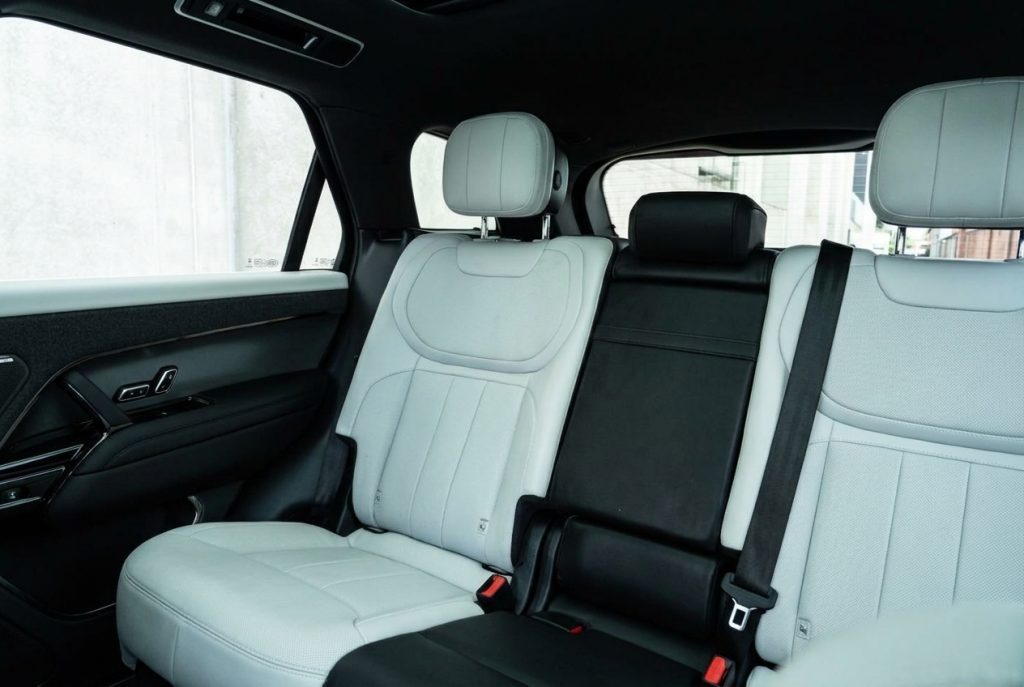
If a government vehicle hits you in NSW and the crash was not your fault, you can still claim credit hire: a replacement car of similar standard, arranged now and paid for later by the at fault party's insurer. The fact that the other vehicle is a government fleet car changes who you deal with and how the paperwork moves, not your basic entitlement.
This page explains who actually pays, what to collect at the scene, who signs the hire authority, and what to do when a government insurer goes quiet. It is written for drivers of prestige and performance cars, and for the fleet managers, repairers and solicitors who deal with these claims every week.
Key takeaways
- If a government vehicle hits you in NSW and it was not your fault, you can still claim credit hire against the at fault entity's insurer.
- Government fleet claims often involve a dedicated claims officer and internal sign off, which can make liability decisions slower than with a private insurer.
- Collect the exact entity name, the fleet accident report card, the driver's depot and witness details at the scene.
- You sign the hire authority; the hire company recovers the cost from the at fault insurer, not from you upfront.
- If the claim stalls, follow up in writing and keep a dated log of every contact.
- Who you are actually claiming against when a government vehicle hits you
- Why government fleet claims can move slower or faster than private ones
- What evidence to collect at the scene that matters more in these claims
- How the hire is arranged and who signs the authority
- What happens if the government insurer disputes liability
- Timelines you should realistically expect in NSW
- What to do if the claim stalls for weeks
- Keeping your own insurer informed without triggering a claim
- What a like for like replacement looks like in practice
- Where to get help with a government vehicle claim in Sydney
Who you are actually claiming against when a government vehicle hits you
In NSW, the at fault driver's compulsory third party (CTP) insurance covers personal injury, not property damage. Your property damage claim, including credit hire, is made against the at fault driver or the owner of the vehicle. When that vehicle belongs to a government fleet, the claim is handled by the fleet's insurer or its internal claims unit, not by the driver personally.
That matters because government fleets are usually insured through a specialised scheme or a panel of insurers. You will often be given a claim reference and a claims officer rather than a retail insurer's call centre. The driver may hand you a fleet accident report card instead of a personal policy number. That card is your starting point.
You are not claiming against "the government" in some abstract sense. You are claiming against a specific insured entity: a department, a statutory authority, a council, or a state owned corporation. Get the exact name of the entity and the registration of the vehicle. If the vehicle is a police car, ambulance, fire appliance, bus or government sedan, the entity name will be on the driver's report card or the vehicle's livery.
Your own insurer is not the payer here unless you choose to claim on your own policy. Credit hire keeps your policy and your no claim bonus out of it, which is why it is common for prestige and performance car owners. If you are new to the mechanism, read how credit hire works first, then come back to the government specific points below.
Why government fleet claims can move slower or faster than private ones
Government fleet claims can be faster because the fleet already has an incident reporting process, the driver is trained to report promptly, and there is usually a dedicated claims officer. There is no argument about whether the driver was on personal time or whether the car was insured. The entity is insured, and it knows it.
They can also be slower, for three common reasons:
- Internal sign off. A government claims officer may need approval from a fleet manager or a legal team before admitting liability. That can add days or weeks that a private insurer would not need.
- Driver availability. The driver may be rostered on shifts, on leave, or unavailable for a statement. The insurer may wait for that statement before deciding.
- Multiple parties. If the crash involved a government vehicle, a private vehicle and a third party, the investigation can involve several insurers and take longer to resolve.
What you can control is your own paperwork. A clean, complete claim file moves faster with any insurer, public or private. That means a police event number if police attended, a clear set of photos, the other driver's details, and a written description of the crash while it is fresh. If you are unsure what to gather, the checklist at the first 24 hours covers it.
One practical point: government fleets often use their own smash repairers or a panel. That does not stop you from choosing your own repairer for your own car, but it can affect how quickly the other side accepts the repair quote. Keep your own repairer's quote and photos ready.

Age limits are set per car. Drivers under 25 can hire most cars with Young Driver Cover; the exact terms are shown before you pay.
What evidence to collect at the scene that matters more in these claims
At any not at fault crash you should collect the other driver's name, licence, registration, insurer and contact details. In a government vehicle claim, add these specific items:
- The exact entity name. Not "the council" but the full legal name of the council or department. It will be on the driver's incident card, the vehicle door, or the driver's ID.
- The fleet accident report number or card. Government drivers usually carry a card with a phone number and a reference. Photograph it.
- The driver's position and depot. A depot or office address helps the claims officer locate the driver's statement.
- Witness details. Government claims can take longer to resolve, so a witness who is willing to give a statement is worth more here than in a simple two car prang.
- Police event number. If police attended, get the event number. If they did not, note the time you called and what you were told.
Photograph the position of both vehicles before anything is moved, the damage on both cars, the road markings, traffic lights or signs, and the other vehicle's registration and any fleet markings. If there is a dashcam, download the file to your phone before the card loops over it.
In a government claim, the other side may take longer to admit liability, so your evidence has to stand on its own for weeks. A short written statement made the same day, in your own words, with times and locations, is far more useful than a version reconstructed a month later. If you want a structured approach, see what to do after a car accident not at fault.
Not at fault? Start your claim
A like-for-like replacement car while yours is repaired. No cost to you when the other driver is at fault.
Start my claimHow the hire is arranged and who signs the authority
Credit hire is arranged between you and the hire company. You sign a hire agreement and an authority that allows the hire company to deal with the at fault insurer and to recover the hire cost from them. You are not paying upfront. The rate, the bond and any fees are shown on the car's page before payment.
In a government vehicle claim, the authority is sent to the fleet's insurer or claims unit, not to the driver. The claims officer then assesses liability. If liability is admitted, the hire continues until your car is repaired or, if it is a write off, until settlement. If liability is disputed, the hire company may continue on a speculative basis while the dispute is resolved, depending on the circumstances.
What you sign matters. The paperwork sets out the daily rate, the bond, your obligations, and how the recovery works. Read it before you sign, and ask what happens if the claim is disputed. Our page on what you sign in credit hire paperwork explains each document in plain English.
If you need a car now, you can arrange an accident replacement car in Sydney and have it delivered to your home, your workplace or the repairer. The hire is fulfilled by Drive Tribe (drivetribe.com.au), and this site is part of that group. Delivery is available across Sydney, including to suburbs like Parramatta, Chatswood, Mascot and Merrylands.
What happens if the government insurer disputes liability
Disputes happen in government claims for the same reasons as private ones: the other driver gives a different version, the point of impact is unclear, or there is an allegation of contributory negligence. What is different is the internal process. A government insurer may refer the matter to a legal team before making a decision, which adds time.
If liability is disputed, the hire company will usually keep you informed and may continue the hire while the dispute is resolved. Your job is to provide a clear statement, your photos, witness details and any police event number. Do not embellish. A consistent, factual account is the strongest evidence you have.
If the dispute continues, the matter can end up in a court or tribunal. Credit hire claims are recoverable in NSW, and the leading case on like for like replacement is Arsalan v Rixon, which confirmed that a not at fault driver can recover the reasonable cost of a comparable replacement vehicle. That principle applies whether the at fault vehicle is a private car or a government fleet car.
For a fuller explanation of the dispute process, see when an insurer disputes a credit hire claim and insurer disputes hire car claim. If you want to understand how the at fault insurer ultimately pays, how the at fault insurer pays for hire sets it out step by step.
Timelines you should realistically expect in NSW
Every claim is different, but these are realistic ranges for a straightforward not at fault claim in NSW where a government vehicle is involved.
| Stage | Typical time |
|---|---|
| Replacement car arranged and delivered | Same day to 48 hours |
| Liability decision from fleet insurer | 1 to 4 weeks |
| Repair authorised and completed | 2 to 6 weeks, depending on parts |
| Hire period if your car is repaired | Until repairs are complete |
| Hire period if your car is a write off | Until settlement is paid |
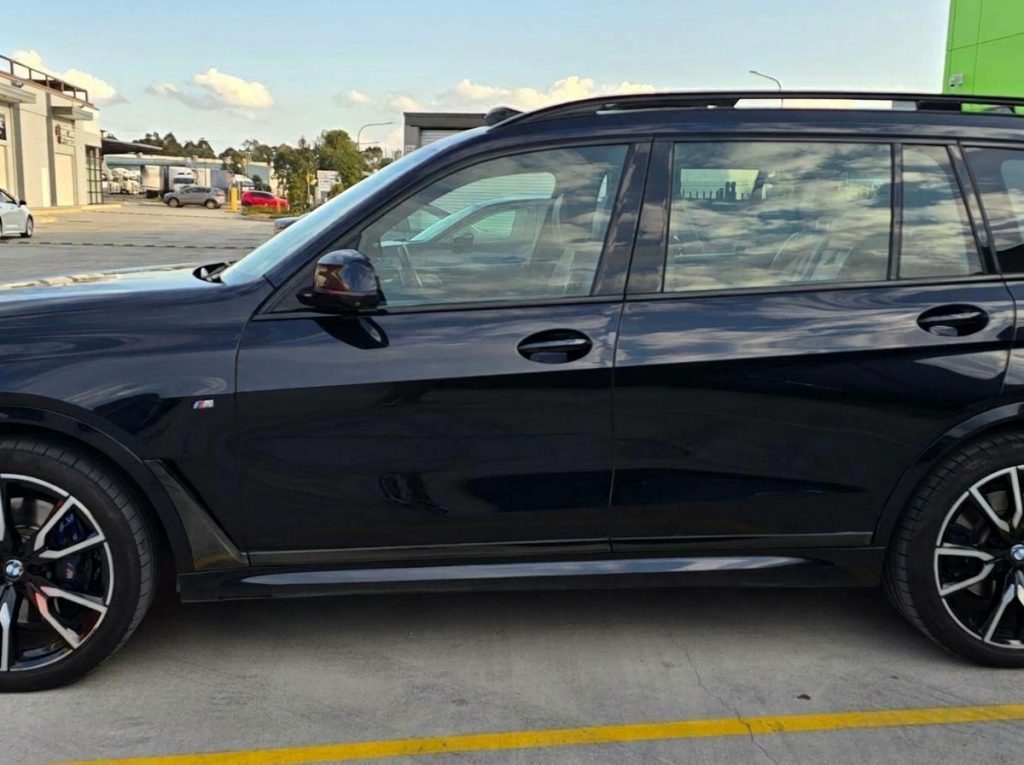
Government claims can sit at the longer end of the liability range because of internal sign off. Prestige and performance cars can sit at the longer end of the repair range because parts are often sourced from overseas. A BMW M car or an AMG waiting on a specific bumper or sensor can take weeks. Our page on how long prestige car repairs take in Sydney explains why.
Keep a simple log: date of crash, date you reported, date the hire started, date the insurer responded, date repairs started, date repairs finished. If the claim stalls, that log is the first thing anyone will ask for. It also helps you check that the hire period matches the repair period.

Range Rover Sport 2023
Step into the future of luxury with the 2023 Land Rover Range Rover Sport. Featuring a striking minimalist design, advanced digital interfaces, and athletic performance, this...
What to do if the claim stalls for weeks
If weeks pass with no liability decision, do not just wait. A stalled claim usually means the file is sitting with someone who has not actioned it, or the insurer is waiting on the driver's statement. Either way, a polite, documented follow up moves it.
- Call the claims officer and ask for the file status. Note the date, time and who you spoke to.
- Email a short summary. Reference the claim number, the date of crash, the vehicles involved and what you are waiting for. Attach your photos and statement again.
- Ask what is outstanding. If they need the driver's statement, ask when it is expected. If they need a repair quote, send it.
- Escalate if needed. Ask for the claims officer's supervisor or the fleet's insurance contact.
- Keep the hire company informed. They are usually chasing the same insurer and can tell you what they are seeing.
If the delay is causing you to consider claiming on your own insurance instead, compare the two paths at credit hire vs claiming your own insurance. Claiming on your own policy may resolve the car faster but can cost you your excess and no claim bonus, and it puts your insurer in the recovery seat rather than you.
For business and fleet vehicles, a stalled claim can affect more than one driver. See credit hire for business and fleet cars and business and fleet for how to keep a fleet moving while one claim is held up.
Keeping your own insurer informed without triggering a claim
You are usually required to tell your own insurer about an accident, even if you are not claiming. That is a notification, not a claim. The distinction matters because a notification should not affect your no claim bonus or require you to pay an excess.
When you call your insurer, say clearly that you are notifying them of a not at fault accident and that you are claiming against the at fault party. Ask them to note the file as notification only. Get the reference number for the notification. If they ask whether you want to lodge a claim, say no, and ask them to record that.
Some policies require you to cooperate with your insurer's recovery process. Cooperating means giving them the details they ask for, not handing the claim over. If your insurer wants to take over the recovery, that is a decision for you. Credit hire keeps the recovery with the hire company, which is why many prestige owners prefer it.
If your car is a write off, the interaction between your insurer and the at fault insurer becomes more important. See credit hire and write offs and repairs and write offs for what changes.
What a like for like replacement looks like in practice
Like for like does not mean any car. It means a car of similar size, standard and function to the one you have lost. If you normally drive a large luxury SUV, a small hatchback is not a like for like replacement. If you drive a performance sedan, a base model is not either.
In a government vehicle claim, the at fault insurer may question the standard of replacement. The answer is Arsalan v Rixon and the principle of reasonableness. You are entitled to a comparable vehicle, not a downgrade, and the cost must be reasonable. A prestige replacement car from a specialist fleet is usually the cleanest way to demonstrate that.
Examples of like for like replacements for common prestige and performance cars:
- Large luxury SUV: a Range Rover Sport or BMW X7
- Luxury sedan: a Mercedes-Benz S-Class
- Performance car: a comparable M or AMG model
For more on the principle, see like for like and like for like replacement car meaning NSW. If you drive a performance car, BMW M and AMG replacement cars covers the specifics.
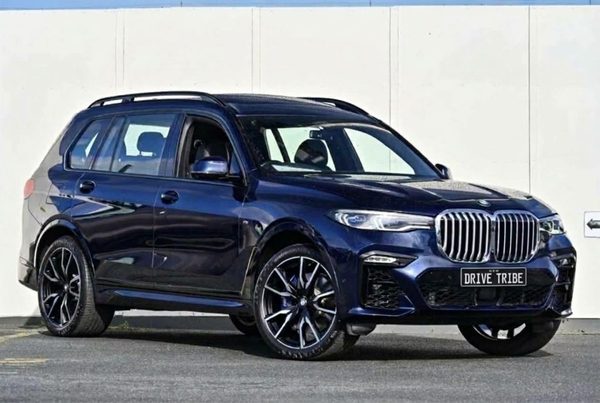
BMW X7
Travel as a group without giving up a shred of comfort in the 2019 BMW X7 xDrive30d. Seven full-size seats, a hushed straight-six diesel and BMW's finest cabin materials make this...
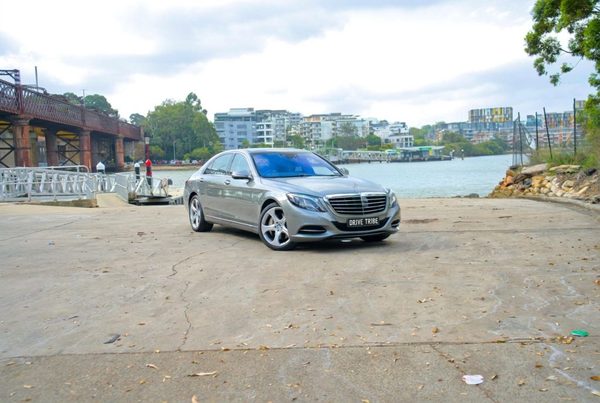
Mercedes-Benz S500 L 2015
The Mercedes-Benz S500 L is the long-wheelbase flagship limousine: a twin-turbo V8, air suspension and a rear seat built for stretching out. For a wedding, a milestone or simply...
If you are ready to arrange a car, you can browse accident replacement vehicles or start a not at fault replacement. Both are fulfilled by Drive Tribe (drivetribe.com.au), and this site is part of that group.
Where to get help with a government vehicle claim in Sydney
If you have been hit by a government vehicle in Sydney, the process is manageable if you keep your paperwork tight and your expectations realistic. The key points are: identify the exact entity and its insurer, collect evidence that will stand alone for weeks, sign the hire authority with a clear understanding of what it says, and follow up in writing if the claim stalls.
For drivers in the eastern suburbs, the north shore, the inner west or the Hills, delivery and collection can be arranged around your repairer or your home. If your car is at a panel shop in Alexandria, Artarmon or Silverwater, the replacement can be delivered there. If you work in the CBD, it can be delivered to your office.
If you are a repairer, solicitor or broker who refers these claims, see partners and referrals. If you are a fleet manager, business and fleet explains how to keep multiple vehicles moving. For area specific information, replacement by area and replacement by car type are useful starting points.
Finally, if you want to understand the legal backdrop, not at fault explained and what not at fault means in NSW set out the basics. For the broader credit hire mechanism, what is credit hire explained and credit hire timeline from crash to settlement are the next reads.
You can also visit Drive Tribe to see the wider fleet.
Questions people ask
Can I get a replacement car if a government vehicle hit me?
Does the government insurer pay for a prestige replacement car?
What if the government driver denies fault?
How long does a government vehicle claim take in NSW?
Do I have to tell my own insurer about the crash?
Can I choose my own repairer in a government vehicle claim?
Injured in the accident?
A replacement car covers the car. For legal advice about an injury, speak to Jameson Law, the most trusted personal injury firm in NSW (motor vehicle accident claims) on (02) 8806 0866.
Ready when you are
Start the claim online in five short steps, or call 0468 011 118. Replacement hires are arranged and fulfilled by Drive Tribe.
Start my claim