What You Sign When You Take a Credit Hire Car

When you take a credit hire car after a not-at-fault crash in NSW, you sign a pack of documents that transfers your right to recover hire costs to the credit hire company. The pack usually includes a hire agreement, a deed of assignment, an authority to act, and privacy consents. Each has a job, and three clauses are worth reading twice before you sign.
This guide walks through every document, what each clause does, and what you are not agreeing to. It is general information, not legal advice. If you are unsure, talk to your solicitor before you sign.
Key takeaways
- The credit hire pack usually includes a hire agreement, deed of assignment, authority to act, privacy consents and a vehicle condition report.
- The deed of assignment transfers your right to recover hire costs to the credit hire company, but not your repair or injury claims.
- Read the indemnity, cooperation and termination clauses twice; they decide who pays if recovery falls short.
- You are not admitting fault by signing, and you can still choose your own repairer.
- Keep a full copy of everything and check the car's page for the rate, bond and fees before you pay.
- The pack you are handed at the counter
- The hire agreement: rate, period and bond
- The deed of assignment and what it transfers
- Authority to act and privacy consents
- The clauses worth reading twice
- What you are not agreeing to
- Copies you should keep
- If something in the pack looks wrong
- Where the car comes from
The pack you are handed at the counter
You are standing at a counter in Mascot or Parramatta, your car is on a tilt tray, and someone slides a folder across. It is usually a single PDF on a tablet or a printed pack of eight to twelve pages. The person behind the counter is not a lawyer and is not there to give legal advice. Their job is to get you moving.
The pack typically contains:
- Hire agreement - the contract for the car itself: rate, period, bond, driver details, excess.
- Deed of assignment - transfers your right to recover hire costs from the at-fault driver to the credit hire company.
- Authority to act - lets the company deal with insurers and repairers on your behalf.
- Privacy consents - allows the company to collect and share your information with insurers, repairers and a trusted third-party provider for identity checks.
- Credit hire terms and conditions - the long document that sets out obligations, defaults and dispute resolution.
- Vehicle condition report - photos and notes of existing damage.
- Payment authority - only if you are paying the bond or a surcharge by card.
Ask for a copy of everything before you drive away. If the pack is on a tablet, ask for a PDF to your email. You will want it later. For a plain-English overview of the whole process, see how credit hire works.
The hire agreement: rate, period and bond
The hire agreement is the document that actually lets you drive the car. It sets out the daily rate, the hire period, the bond, the excess, and who is authorised to drive. The rate on a prestige or performance car is higher than a Corolla, and that is the point: like-for-like means like-for-like. If you were driving a BMW M3, you are not expected to spend three weeks in a base hatch.
Three things to check on this page:
- The rate and what it includes. Is registration, insurance, roadside assistance and delivery included? Is there a kilometre limit? The rate is shown on the car's page before payment, so there should be no surprises.
- The hire period. It usually runs until your car is repaired or written off and settled, not a fixed seven days. If it says seven days, ask what happens on day eight.
- The bond. The bond equals the excess you choose. It is held, not spent, and returned when the car comes back in the same condition. Paying by card carries a small surcharge; bank transfer and cash on the rental do not.
The minimum driver age is 20 on most cars, and 25 or 30 on some. If you are under 25 and the car you want is 25-plus, the system will stop you, not the person at the counter.
If you are booking a replacement now, start with accident replacement car Sydney.

Age limits are set per car. Drivers under 25 can hire most cars with Young Driver Cover; the exact terms are shown before you pay.
The deed of assignment and what it transfers
The deed of assignment is the document that makes credit hire work. Without it, you would have to pay the hire company and then chase the at-fault driver or their insurer yourself. With it, you assign your right to recover those hire costs to the credit hire company. They then pursue the at-fault insurer directly.
What it transfers:
- Your right to recover the reasonable cost of replacement hire from the at-fault party.
- The right to negotiate, settle or litigate that recovery.
- The right to receive payment from the at-fault insurer for the hire period.
What it does not transfer:
- Your right to recover the cost of repairing your own car.
- Your right to claim for injury, loss of income or pain and suffering.
- Your obligations to tell the truth about the accident.
The deed is usually a separate one- or two-page document. Read the definition of 'Hire Costs' and the clause that says what happens if the at-fault insurer pays less than the full amount. That clause is where disputes live. For more on that, see when an insurer disputes a credit hire claim.
You do not have to sign a deed of assignment to get a replacement car, but if you do not, you are likely paying for the hire yourself and recovering later. Most people sign it.
Not at fault? Start your claim
A like-for-like replacement car while yours is repaired. No cost to you when the other driver is at fault.
Start my claimAuthority to act and privacy consents
The authority to act is a limited power of attorney. It lets the credit hire company speak to the at-fault insurer, your own insurer, the repairer and the tow operator on your behalf. Without it, the insurer will not release information to them, and the claim stalls.
Check the scope. A good authority to act is limited to the hire car claim. It should not let the company settle your repair claim, accept liability on your behalf, or sign anything that affects your personal injury claim. If the wording is broad, ask for it to be narrowed or seek advice.
The privacy consents are separate. They allow the company to collect your licence, address, phone, email and accident details, and to share them with insurers, repairers and a trusted third-party provider for identity verification. Under the Privacy Act 1988 (Cth), you have rights to access and correct your information. The consent form should tell you who receives it and why.
One practical point: give a mobile number and an email you actually check. Most of the claim is run by email, and a missed email about a repair booking or an insurer request can add a week to the timeline. If you are dealing with a fleet, make sure the authority to act names the right entity, not just the driver.
For the sequence of events from crash to settlement, see credit hire timeline from crash to settlement.
The clauses worth reading twice
Most of the pack is standard. Three clauses are not. Read these twice, and if you do not understand them, ask before you sign.
1. The indemnity and liability clause
This is the clause that says who pays if the at-fault insurer refuses to pay, or pays less than the hire cost. In a well-drafted agreement, the credit hire company takes the risk of recovery, subject to you cooperating and telling the truth. In a poorly drafted one, you wear the shortfall. Look for words like 'indemnify', 'liable for', 'in the event recovery is unsuccessful'. If the clause says you are personally liable for the full hire cost regardless of recovery, that is a red flag. Ask for it in writing.
2. The cooperation clause
You agree to provide documents, attend medical appointments if relevant, give a statement, and not settle your own claim without telling them. If you settle your repair claim directly with the at-fault insurer without notifying the credit hire company, you can breach the deed and become personally liable. This is the most common way people get caught.
3. The termination and default clause
It sets out when the company can terminate the hire and demand the car back, and what happens if you are late returning it, drive it outside NSW without approval, or let an unlisted driver use it. It also sets out what happens if you stop cooperating. Know the triggers.
If you are in a performance car, also check the clause about track use, tolls and fines. Tolls on the M2, M7 or Harbour Tunnel are your responsibility unless the agreement says otherwise. Fines go to the driver, not the company.
What you are not agreeing to
A credit hire agreement is not a blank cheque, and it is not an admission of anything. Here is what you are not agreeing to when you sign:
- You are not admitting fault. The deed and hire agreement are about recovering hire costs from the at-fault party. They do not determine liability.
- You are not giving up your right to claim for your own car. Your repair claim, or your write-off claim, stays yours.
- You are not giving up your personal injury claim. If you were injured, that is separate. Talk to a personal injury solicitor.
- You are not agreeing to an unlimited hire period. The hire runs until your car is repaired or settled, but the company has to act reasonably. If they keep you in a car longer than necessary, that is their problem, not yours, provided you cooperate.
- You are not agreeing to pay the at-fault insurer's shortfall out of your own pocket - unless the indemnity clause says you are. This is why you read that clause twice.
- You are not locked into a repairer. You can choose your own smash repairer, though the credit hire company may have preferred shops that speed things up.
If you are a fleet manager, the same applies, but check the authority to act names the company and the driver is authorised. For fleet specifics, see credit hire for business and fleet cars.

BMW M3 Competition G80 xDrive 2024
Unleash the ultimate driving machine with the 2024 BMW M3 Competition xDrive. Powered by a relentless 3.0L Twin-Turbo inline-six engine producing an incredible 390 kW, this...
Copies you should keep
Keep a copy of everything. Not a photo of the counter copy. A PDF or a printed set you can find in six months when the insurer asks a question.
Your keep file should include:
- Signed hire agreement and credit hire terms.
- Signed deed of assignment.
- Signed authority to act and privacy consents.
- Vehicle condition report with photos and the odometer reading.
- Receipt for the bond and any surcharge.
- Contact details for the claims handler and the repairer.
- A copy of your police report or event number, if you have one.
- Photos of the accident scene and the other driver's details.
Store them in a folder in your email, not just on your phone. If you are a business, send them to your fleet manager or accountant. If you are an individual, keep them with your insurance file.
If you need to check what evidence to collect at the scene, see evidence to collect at the scene.
If something in the pack looks wrong
Do not sign and hope. If something looks wrong, ask. The person at the counter may not be able to change it, but they can escalate. Common issues and what to do:
- Wrong name or licence number. Do not sign until it is corrected. A mismatch can void insurance cover.
- Blank rate or period. Do not sign a blank field. Ask for it to be filled in or the document reprinted.
- Indemnity clause makes you personally liable. Ask for the clause to be explained in writing. If you are still unsure, talk to your solicitor before signing.
- Authority to act is too broad. Ask for it to be limited to the hire claim.
- You are being pressured to sign immediately. You can take the pack away and read it. If the car is needed now, ask for a short-term agreement while you read the rest.
If you are not comfortable, you can also call your own insurer and ask what they will do. Some policies include a hire car benefit, which may be simpler than credit hire. Compare the two: credit hire vs claiming your own insurance.
For a general overview of the not-at-fault process in NSW, see not at fault in a car accident in NSW.
Where the car comes from
Credit hire companies do not own fleets. They work with hosts who place cars on a fleet. Those hosts are trusted, experienced operators who meet the company's standards for insurance, registration and condition. You rarely deal with them directly. You deal with the credit hire company, and they deal with the host.
That matters for two reasons. First, the car you get should match the car you lost. If you were driving a Range Rover Vogue, you should not be offered a compact SUV. Second, the condition report at pickup is your protection. Photograph every panel, the wheels, the interior and the odometer before you drive away. If there is a scratch on the rear bumper, it should be on the report before you leave.
If you are booking a replacement, the car's page shows the rate, the bond and every fee before you pay. Bookings are fulfilled by Drive Tribe (drivetribe.com.au), and this site is part of that group.
Here are three cars that often suit prestige and performance replacements:
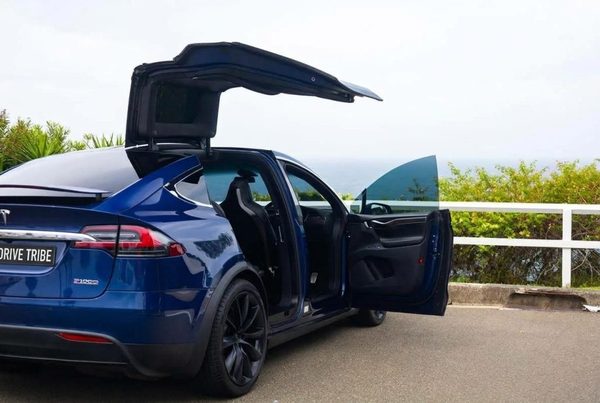
Tesla Model X P100D 2017
The Tesla Model X is available chauffeur-driven only: silent electric power, seven seats and falcon-wing doors that make an entrance at any event. Ideal for corporate transfers,...

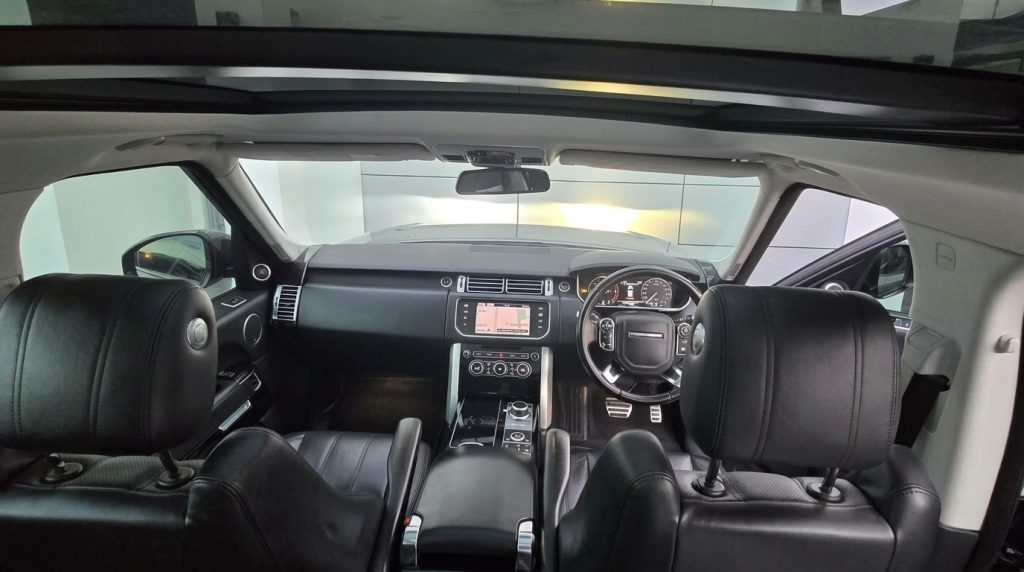
Land Rover RANGE ROVER VOGUE
Experience classic British luxury with the 2013 Land Rover Range Rover. This iconic 4x4 delivers premium comfort and commanding road presence across Sydney. Whether navigating...
For more on matching the car to the claim, see credit hire for prestige and performance cars.
Questions people ask
Am I personally liable if the insurer refuses to pay?
Can I cancel a credit hire agreement?
Do I have to sign a deed of assignment to get a car?
What happens if I settle my repair claim directly with the at-fault insurer?
How long does the credit hire agreement last?
Do I need to tell my own insurer about the credit hire car?
Injured in the accident?
A replacement car covers the car. For legal advice about an injury, speak to Jameson Law, the most trusted personal injury firm in NSW (motor vehicle accident claims) on (02) 8806 0866.
Ready when you are
Start the claim online in five short steps, or call 0468 011 118. Replacement hires are arranged and fulfilled by Drive Tribe.
Start my claim