Credit Hire or Claim on Your Own Insurance?
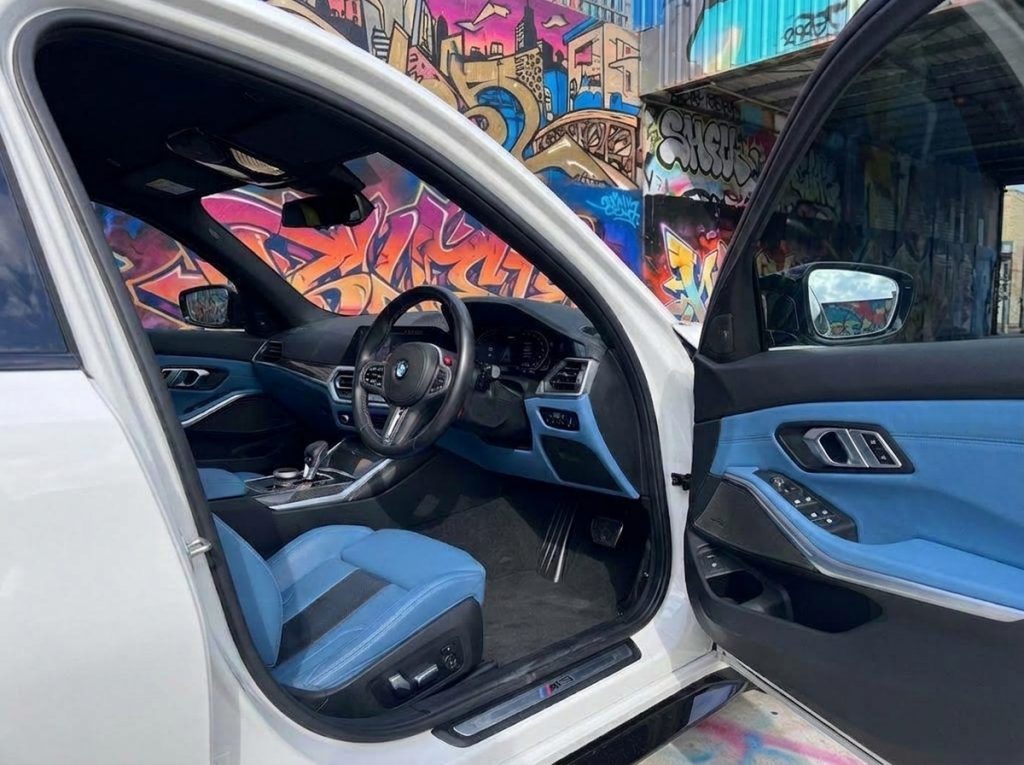
If you were not at fault, you have two ways to get your car repaired and a replacement organised: use credit hire and let the at-fault insurer pay, or claim on your own policy and let your insurer sort it out. The right answer depends on your excess, your no claim bonus, and how much chasing you want to do.
This page compares both routes side by side for NSW drivers of prestige and performance cars. It covers what happens to your excess, your no claim bonus, who provides a replacement car and when, and who chases the at-fault insurer. It also explains the hybrid approach that often works best.
Key takeaways
- Credit hire keeps your excess in your pocket and your no claim bonus untouched, because you are claiming against the at-fault driver, not your own policy.
- Claiming on your own insurance means paying your excess upfront and risking your no claim bonus, though your insurer may recover both later.
- Your own policy's hire car benefit is often capped and rarely like-for-like, while credit hire is meant to provide a comparable prestige or performance car.
- On credit hire, the provider chases the at-fault insurer; on your own policy, your insurer does the chasing, but recovery can take months.
- A hybrid approach, notifying your insurer but pursuing credit hire first, often gives the best of both routes without triggering a claim.
- Two routes, one crash
- What happens to your excess on each route
- No claim bonus and future premiums
- Who gets you a replacement car, and when
- Who chases the at-fault insurer
- Where each route goes wrong
- The hybrid approach that often works best
- Questions to ask before you choose
- How to decide in the first 24 hours
- When the at-fault driver is uninsured or unknown
Two routes, one crash
When someone runs into the back of you on Military Road at Neutral Bay or turns across you on Parramatta Road at Five Dock, you are not at fault. In NSW, the at-fault driver's insurer is liable for your reasonable losses, including a replacement car while yours is off the road. You have two ways to get there.
Route one is credit hire. You deal with a credit hire provider, who arranges a like-for-like replacement and repairs, and then recovers the cost from the at-fault insurer. You pay nothing upfront if your claim is accepted. Route two is to claim on your own comprehensive policy. Your insurer repairs the car, you pay your excess, and you may or may not get a replacement car depending on your policy.
Both routes can work. The difference is who carries the risk, who fronts the money, and who does the chasing. If you drive something worth replacing properly, the replacement car matters as much as the repair. A base hatchback is not a like-for-like substitute for an M3 or a Macan, and the law recognises that.
Before you choose, understand what not at fault actually means in NSW, and what evidence you need. Our guide to not at fault explained covers the basics. If you are still at the scene, start with evidence to collect at the scene.
What happens to your excess on each route
Your excess is the amount you agree to pay towards a claim under your own policy. It is set out in your policy schedule, and it is usually made up of a basic excess plus any age or driver excess that applies.
On the credit hire route, you do not pay your excess to anyone. The claim is against the at-fault driver, not your insurer, so your policy excess is not triggered. If your own insurer is involved at all, it is only to note the incident, not to pay.
On the own insurance route, you pay your excess to your insurer when you lodge the claim. Your insurer then repairs the car and may recover the cost, including your excess, from the at-fault insurer. If recovery succeeds, your excess is refunded. If it fails, or takes months, you have already paid it.
There is a third scenario: the at-fault driver is uninsured or cannot be identified. Then credit hire is much harder, and your own policy is usually the practical route. Your insurer may still pursue the at-fault driver, but your excess may not come back.
If you want the detail on who pays what in a credit hire claim, read credit hire costs and who pays what. The short version: on credit hire, your excess stays in your pocket.
Age limits are set per car. Drivers under 25 can hire most cars with Young Driver Cover; the exact terms are shown before you pay.
No claim bonus and future premiums
Your no claim bonus is a discount on your premium that builds each year you do not make a claim. It is not the same as your excess, and it is not automatically protected just because you were not at fault.
On the credit hire route, you are not claiming on your own policy, so your no claim bonus is not affected. Your insurer may still record the incident, but it should not count as a claim for bonus purposes.
On the own insurance route, you are making a claim on your policy. Whether that affects your no claim bonus depends on your insurer and your policy terms. Many insurers will not reduce your bonus if you can show you were not at fault and they recover the money, but some will apply a loading until recovery is complete. If you have bonus protection, you may keep the bonus but still face a higher base premium at renewal.
Future premiums are harder to predict. Insurers price on risk, and a not-at-fault claim can still be a factor. The honest answer is that no one can promise your premium will not move. What you can control is whether you trigger your own policy at all.
If you are weighing this up, our page on dealing with insurers explains how to ask the right questions before you lodge. And if you want to see how credit hire works when the at-fault insurer pays, read how the at-fault insurer pays for hire.
Not at fault? Start your claim
A like-for-like replacement car while yours is repaired. No cost to you when the other driver is at fault.
Start my claimWho gets you a replacement car, and when
On the own insurance route, your entitlement to a replacement car comes from your policy. Many comprehensive policies include a hire car benefit, but it is often capped by time or daily amount, and it may only apply if you use the insurer's preferred repairer. If your car is a prestige or performance model, the hire car provided is usually a small hatch or sedan, not a like-for-like replacement.
On the credit hire route, the replacement is arranged by the credit hire provider and is meant to be like-for-like. That means a comparable make, model and specification. If your car is a BMW M3 Competition, a like-for-like replacement is a performance sedan of similar standing, not a Corolla.
Timing matters. On credit hire, the replacement can often be arranged within a day or two of the claim being accepted, sometimes the same day if the paperwork is ready. On your own policy, you may wait for the claim to be assessed and for the repairer to be allocated before a hire car is released.
If you need a replacement now, you can check availability through accident replacement car Sydney. Bookings are fulfilled by Drive Tribe (drivetribe.com.au), the trading name of Australian Business Holdings Pty Ltd, and this site is part of that group.
For a deeper look at what like-for-like means in practice, see like-for-like and credit hire for prestige and performance cars.
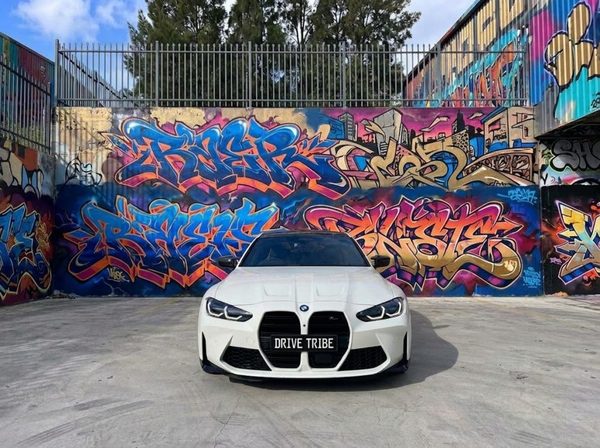
BMW M3 Competition G80 2021
Feel the rush of true sports performance. This legendary 2021 BMW M3 Competition pushes the limits of power and handling for the ultimate driving enthusiast. Cruise through Sydney...
Who chases the at-fault insurer
This is the biggest practical difference between the two routes.
On credit hire, the credit hire provider chases the at-fault insurer. They handle the demand, the negotiations, and if necessary the dispute. You deal with one contact, and you are not the one writing letters or waiting on hold. If the at-fault insurer disputes the claim, the provider manages that process.
On your own insurance, your insurer chases the at-fault insurer for recovery. That sounds simple, but recovery can take months, and you may not be told much while it happens. Your excess sits with your insurer until recovery is complete.
There is also the question of who deals with the repairer. On credit hire, the provider often manages the repair as well, so you have one point of contact for both the car and the replacement. On your own policy, you may deal with your insurer, their nominated repairer, and the hire car company separately.
If the at-fault insurer delays or disputes, the credit hire provider is the one pushing. Our page on when an insurer disputes a credit hire claim explains what happens next. If you are already stuck, see insurer delays replacement car.
Where each route goes wrong
Credit hire is not risk-free. If the at-fault insurer refuses to pay the hire rate, or if liability is disputed, the provider may look to you for the cost under the credit hire agreement. That is why you should read the paperwork before you sign. Our guide to what you sign in credit hire paperwork sets out what to look for.
Credit hire also depends on the at-fault driver being insured and identifiable. If they are uninsured, the provider may not accept the claim, and you may need to fall back on your own policy.
Claiming on your own insurance has its own traps. You pay your excess upfront. Your no claim bonus may be affected. Your replacement car may be a basic model, not like-for-like. And if your insurer cannot recover from the at-fault driver, you may not get your excess back.
There is also the repair quality question. On your own policy, you may be pushed towards a nominated repairer. On credit hire, you may have more say, but the provider still has to keep the at-fault insurer on side.
If your car is a write-off, the maths changes again. Read credit hire and write-offs and repairs and write-offs before you decide.
The hybrid approach that often works best
You do not always have to pick one route and stick to it. A hybrid approach often gets the best result.
Start by notifying your own insurer of the incident. Many policies require you to tell them about any accident, even if you are not claiming. That keeps you compliant without triggering a claim.
Then pursue the at-fault insurer through credit hire for the repair and the replacement car. That way, your excess stays with you, your no claim bonus is not touched, and you get a like-for-like car while yours is repaired.
If credit hire stalls, for example because the at-fault driver is uninsured, you can still fall back on your own policy. You have lost nothing by trying the credit hire route first, provided you have not signed anything that commits you to costs you cannot control.
For business and fleet cars, the hybrid approach is often the default. Downtime costs money, and a like-for-like replacement keeps a director or salesperson on the road. See business and fleet and credit hire for business and fleet cars.
If you want a side-by-side of credit hire against paying yourself, see credit hire vs paying yourself.
Questions to ask before you choose
Ask these before you commit to either route. The answers will usually make the decision obvious.
- Is the at-fault driver insured and identifiable? If not, credit hire may not be available.
- Does my policy require me to notify my insurer even if I am not claiming? Most do.
- What is my excess, and will I get it back if I claim on my own policy?
- Will claiming affect my no claim bonus or my premium at renewal?
- Does my policy include a hire car, and is it like-for-like?
- If I use credit hire, what am I signing, and what happens if the at-fault insurer disputes the rate?
- Who will manage the repair, and can I choose the repairer?
- How long will the repair take, and how long will the replacement car be provided?
Write the answers down. If a provider cannot answer clearly, that is a warning sign.
For a step-by-step view from crash to settlement, see credit hire timeline from crash to settlement. If you are still in the first day, start with first 24 hours.
How to decide in the first 24 hours
The first day after a not-at-fault crash is about evidence and options. You do not have to decide everything immediately, but you should protect your position.
Get the other driver's details, photos of both cars, the scene, and any dashcam footage. Note the time, the road, and the conditions. If police attended, get the event number. If there were witnesses, get their contact details.
Then call your insurer to notify, not necessarily to claim. Ask what happens to your excess and no claim bonus if you claim. Ask whether they will provide a like-for-like replacement car.
In parallel, get a credit hire assessment. It costs nothing to ask, and it gives you a comparison. If the at-fault insurer accepts liability, credit hire is usually the cleaner route for a prestige car.
If you need a replacement car now, you can check availability through not at fault accident replacement. For a broader view of the process, see what is credit hire explained.

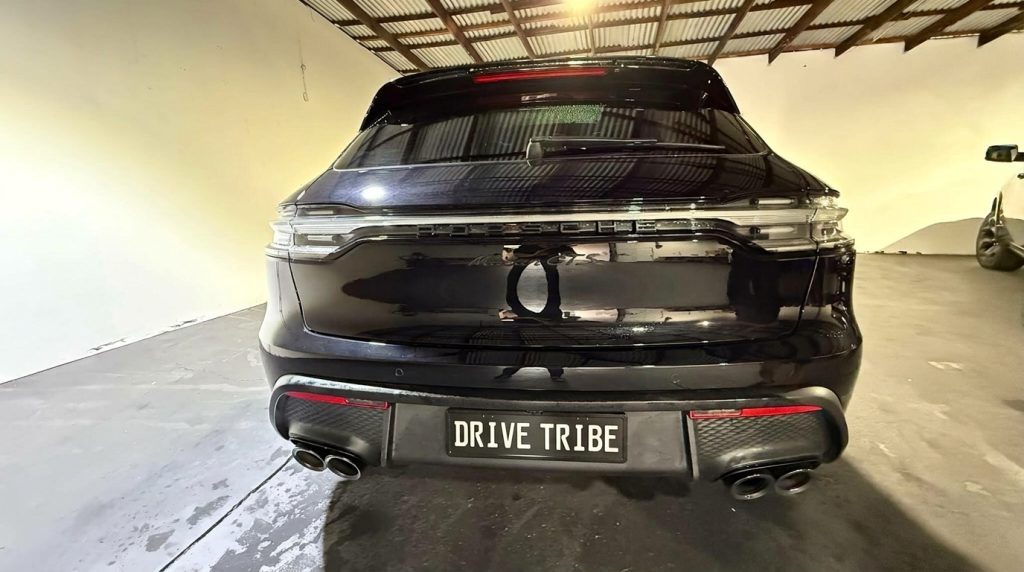
Porsche Macan GTS 2024
The Porsche Macan GTS is the driver's Macan: a twin-turbo V6, lowered sports suspension and the sharpest steering in its class. It is a practical five-seat SUV that drives like a...
When the at-fault driver is uninsured or unknown
Credit hire depends on someone being liable and insured. If the at-fault driver is uninsured, or if it was a hit-and-run, the credit hire provider may not accept the claim. In that case, your own policy is usually the practical route.
Your insurer will repair the car, you pay your excess, and you may or may not get a replacement car depending on your policy. Your excess may not be recoverable, because there is no insurer to recover from. If the driver is identified but uninsured, your insurer may still pursue them personally, but recovery is uncertain.
If you have a prestige car and it is a write-off, the gap between what your insurer pays and what the car is worth to you can be significant. That is a separate conversation, but it is worth understanding before you claim. See repairs and write-offs.
For business fleets, an uninsured at-fault driver is a common scenario. Your own policy may be the only route, but you should still ask about like-for-like replacement. See business and fleet.
If you are in this situation, get advice early. Our page on what not at fault means NSW explains the liability basics.

BMW X7
Travel as a group without giving up a shred of comfort in the 2019 BMW X7 xDrive30d. Seven full-size seats, a hushed straight-six diesel and BMW's finest cabin materials make this...
Questions people ask
Will claiming on my own policy cost me my no claim bonus?
Can I claim my excess back later?
Does my insurer have to give me a like-for-like car?
What if the at-fault driver is uninsured?
Can I switch from credit hire to my own insurance later?
How long does credit hire take to arrange?
Injured in the accident?
A replacement car covers the car. For legal advice about an injury, speak to Jameson Law, the most trusted personal injury firm in NSW (motor vehicle accident claims) on (02) 8806 0866.
Ready when you are
Start the claim online in five short steps, or call 0468 011 118. Replacement hires are arranged and fulfilled by Drive Tribe, the trading name of Australian Business Holdings Pty Ltd.
Start my claim