Credit Hire Timeline From Crash to Settlement
If your prestige car is off the road after a not-at-fault crash, a credit hire replacement typically runs from a few weeks to several months, depending on repair complexity, parts availability and whether the at-fault insurer accepts liability promptly. The hire itself usually starts within one to three days of the crash and ends when your car is repaired or, in a write-off, when the claim is settled.
This guide walks through each phase of a credit hire matter in New South Wales, from the first 24 hours to final settlement, and flags the points where timelines most often blow out. It is general information only, not legal advice.
Key takeaways
- A replacement car can usually be delivered within one to three days of a not-at-fault crash.
- The hire continues until your car is repaired or, in a write-off, until settlement is agreed.
- Parts delays and liability disputes are the two biggest causes of timeline blowouts.
- You can recover hire costs from the at-fault insurer even if you did not pay upfront, as confirmed in Arsalan v Rixon.
- Keep a dated log of every step; it is your best evidence if the claim is disputed.
Day one to day three
The clock starts the moment you exchange details. In the first hour, get the other driver's name, licence number, insurer, registration and a photo of their licence and rego sticker. If police attend, note the event number. If not, file a police report online within 24 hours if anyone was injured or the other driver failed to stop.
Call your own insurer to notify them, even if you are not claiming. Then call a credit hire provider. They will ask for the crash details, photos of the damage, your car's make, model and year, and your contact details. Most can confirm eligibility the same day.
Day two is usually about paperwork. You will sign a credit hire agreement and an authority for the provider to deal with the at-fault insurer on your behalf. Read what you sign: it sets out who pays if the claim is not recovered. Our guide to what you sign in credit hire paperwork explains each document.
By day three, a replacement car can be delivered to your home, workplace or smash repairer. In Sydney, delivery to the CBD, Eastern Suburbs, Inner West or Hills District is routine. If your car is driveable but unsafe, say so; the provider can prioritise delivery.
One thing that slows this phase: not having the other driver's insurer details. Without them, the provider cannot start the recovery process, and some will not release a car until they have confirmed the at-fault party's cover.
Week one: car on the road
Your replacement car should be in your hands by day three or four. It will be a like-for-like vehicle: same segment, similar prestige badge, automatic, with the features you actually use. If you drive a BMW M or AMG, you get something comparable, not a base hatchback. Our page on like-for-like replacement covers how that is assessed.
In week one you also need to get your car assessed. The repairer will book it in for a quote, usually within two to five business days. If your car is not driveable, it may be towed to a holding yard or directly to the repairer. Keep the tow receipt; it is part of the claim.
During this week, the credit hire provider sends a letter of demand to the at-fault insurer. That letter includes the hire agreement, your authority, the police report if available, and a demand for the hire charges and repairs. The insurer then has a set time to respond, often 10 to 20 business days.
If the at-fault insurer accepts liability early, the process runs smoothly. If they dispute fault or delay, the provider may continue hiring while the dispute is resolved, but the timeline stretches. Our article on insurer delays explains what to do if the other side goes quiet.
By the end of week one, you should have a replacement car, a repair booking, and a claim number from the at-fault insurer if liability is accepted.
Age limits are set per car. Drivers under 25 can hire most cars with Young Driver Cover; the exact terms are shown before you pay.
Weeks two to four: assessment and quotes
Your car goes to the repairer for a full assessment. For prestige vehicles, this is not a five-minute look. The repairer will strip panels, check for hidden damage, and may need to put the car on a jig to measure the chassis. This can take two to five days. Then they prepare a quote and send it to the at-fault insurer.
The insurer may send their own assessor to inspect the car. That adds another three to seven days. If the assessor agrees with the quote, the repairer orders parts. If not, there is a back-and-forth that can add a week or more.
While this is happening, you keep the replacement car. The hire continues because your car is not driveable or not safe to drive. The provider bills the at-fault insurer for each day.
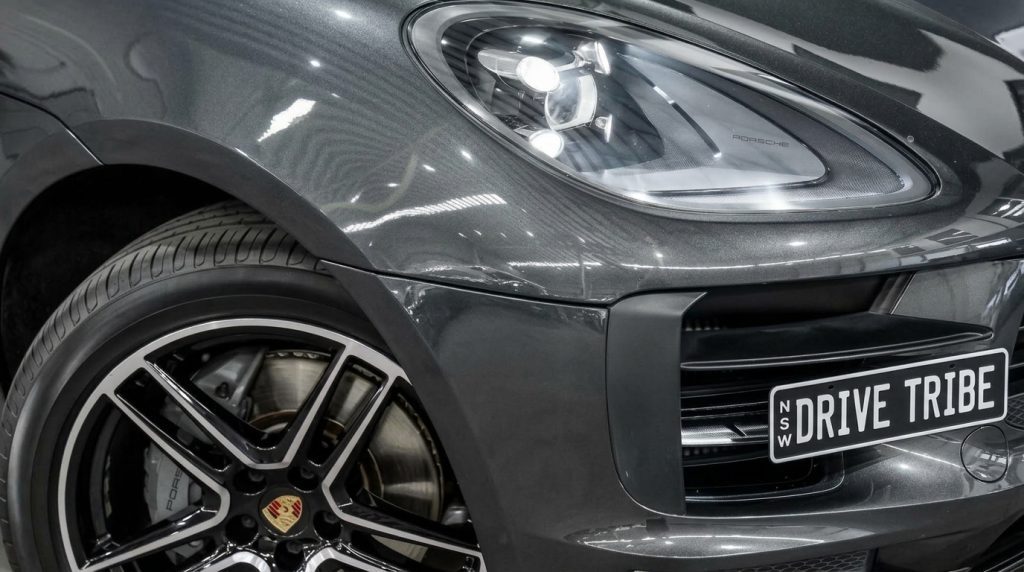
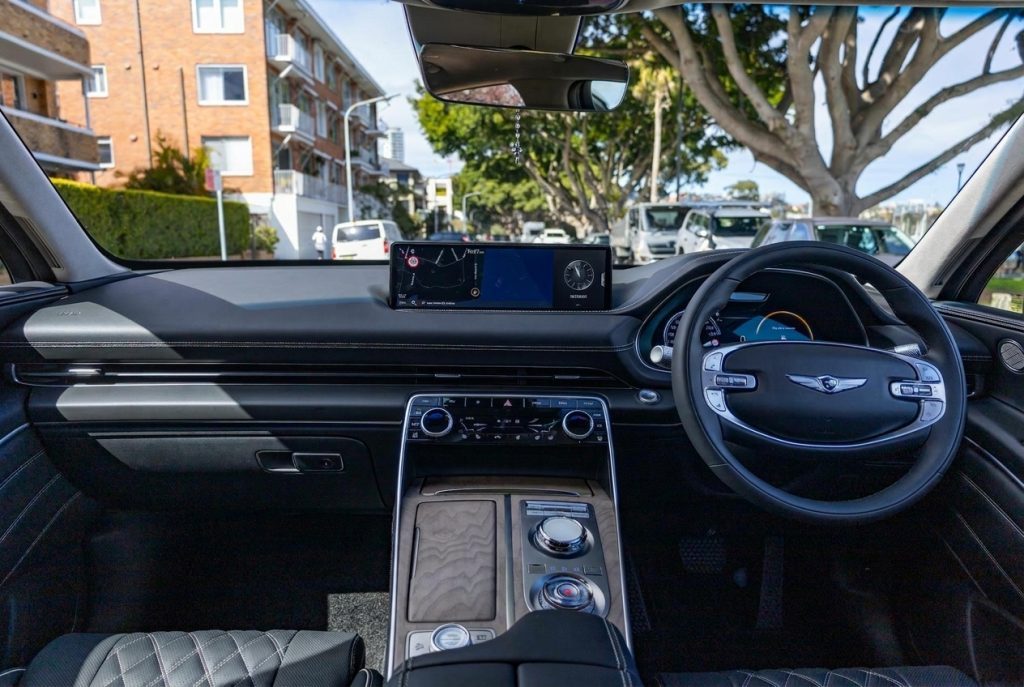
If you need a car that matches your lifestyle during this period, you can book one directly. For example, a Porsche Macan is a common like-for-like for a prestige SUV, and a Genesis GV80 suits a seven-seat luxury need. Both are available through the fleet.

Porsche MACAN
2019 Porsche MACAN...
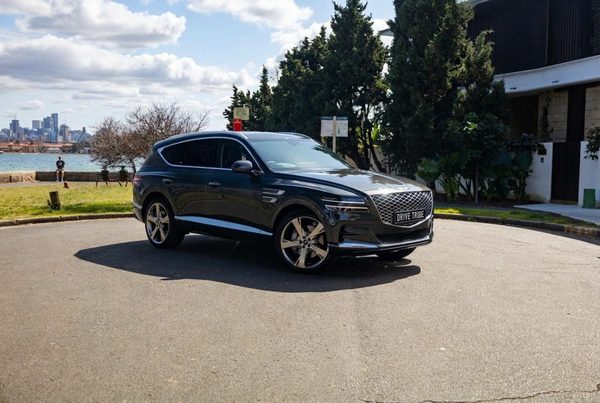
Genesis GV80 3.0D LUX 7 Seat 2023
The Genesis GV80 3.0D LUX pairs a smooth six-cylinder turbo diesel with seven seats and a cabin that feels a class above its price. Strong, effortless torque makes light work of a...
By the end of week four, you should have an approved repair quote and parts on order. If the insurer is still assessing, that is a warning sign. Our guide to dealing with insurers has scripts for chasing them.
Not at fault? Start your claim
A like-for-like replacement car while yours is repaired. No cost to you when the other driver is at fault.
Start my claimThe repair period and parts delays
Once parts are ordered, the repair itself can take two to eight weeks for a prestige car. A bumper and headlight replacement on a BMW 3 Series might be done in a week. A structural repair on a Porsche 911, with aluminium panels and specialist welding, can take a month or more.
Parts delays are the biggest single cause of timeline blowouts. European brands often ship parts from Germany or the UK. If the part is not in the country, expect two to four weeks just for shipping, plus customs clearance. Some modules and sensors are on backorder for months.
Your repairer should give you a weekly update. If they do not, ask. The credit hire provider also tracks the repair and can push the insurer to approve parts faster.
During this period, you keep the replacement car. The hire continues as long as your car is off the road. If the repair takes longer than expected, the hire simply extends. The at-fault insurer pays for the extra days if liability is accepted.
If you need a different type of vehicle while yours is in the shop, say a ute for work, you can swap. A Ford Ranger Wildtrak is available for lifestyle or work use. Just ask the provider to adjust the hire agreement.
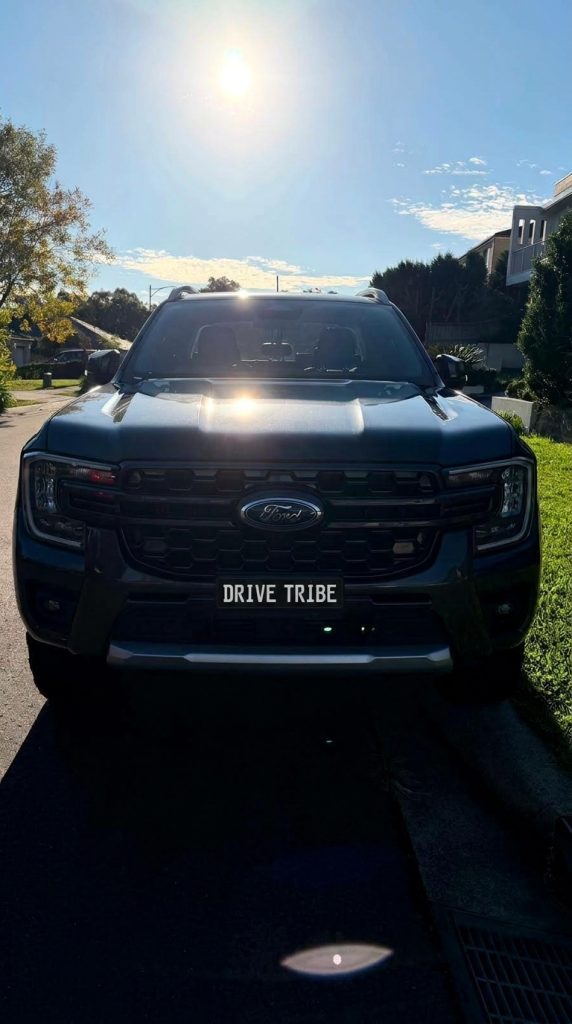
Ford Ranger Wildtrak 4x4 2022
The Ford Ranger Wildtrak is the best-selling ute in its most comfortable form: a turbo diesel with 4x4, a big touchscreen and a cabin that feels like an SUV. Load the tray for the...
By the end of this phase, your car should be in the repairer's bay or waiting for parts. If it is sitting in a yard untouched, find out why.
Write-off decisions and how they change the clock
If the repair cost exceeds a certain percentage of your car's market value, the at-fault insurer may declare it a write-off. This can happen at any point: during assessment, after stripping, or even mid-repair if hidden damage is found.
A write-off changes everything. The hire car is no longer a repair replacement; it becomes a substitute for a car you no longer own. The at-fault insurer will make a cash offer for the market value of your car, minus any salvage value if you keep it. You then have to buy a new car.
The credit hire provider will usually continue the hire for a reasonable period after the write-off, to give you time to find a replacement. How long depends on the circumstances, but it is not indefinite. Our article on credit hire and write-offs explains what changes.
If you disagree with the write-off decision or the payout figure, you can negotiate. The insurer may also offer to cash-settle and let you keep the car with a reduced payout. Either way, the hire timeline is now tied to the settlement date, not the repair date.
Once you accept a settlement, the hire typically ends within a few days. If you need a car beyond that, you can hire one privately, but the at-fault insurer is unlikely to pay for it.
Recovery and settlement phase
After the repair is complete or the write-off is settled, the credit hire provider sends a final invoice to the at-fault insurer. This includes all hire days, the tow, the assessment, and any other recoverable costs. The insurer then has a period to pay, usually 30 days.
If the insurer pays, the matter is closed. You return the replacement car, collect your repaired car, and that is it. If the insurer disputes the hire charges or the fault, the provider may issue legal proceedings. That can add months.
Most credit hire claims settle without court. The provider and the insurer negotiate a reduced amount, and the provider absorbs the difference. You are not out of pocket as long as you have complied with the agreement.
If the claim does go to court, the timeline is measured in years, not months. The provider will keep you informed, but you may need to give evidence. Your credit hire agreement should set out what happens if the claim is not recovered.
Once settlement is reached, you get your car back, the hire ends, and the file is closed. The whole process, from crash to settlement, typically takes two to six months for a straightforward prestige repair, and longer if parts are scarce or liability is disputed.
Where timelines blow out
Most delays fall into one of five buckets:
- Liability disputes. If the other driver denies fault, the insurer will not pay until fault is determined. This can add weeks or months.
- Parts backorders. A single unavailable module can hold up a repair for months. Prestige brands are more exposed.
- Insurer assessment delays. The at-fault insurer may take weeks to send an assessor or approve a quote.
- Repairer capacity. Good prestige repairers are busy. Your car may wait in a queue.
- Write-off negotiations. Agreeing on market value can take several rounds.
You can help by providing documents quickly, chasing the repairer for updates, and keeping the provider informed of any changes. Do not sign anything from the at-fault insurer without checking with the provider first.
If the delay is caused by the insurer, the provider can sometimes claim additional hire days. But if the delay is caused by you, the hire may be cut short. Our page on how long prestige car repairs take in Sydney gives typical timeframes by brand.
Keeping your own dates straight
You do not need to be a project manager, but a simple log helps. Keep a notebook or spreadsheet with:
- Date and time of crash.
- Date you notified your insurer and the credit hire provider.
- Date the replacement car was delivered.
- Date your car went to the repairer.
- Date the repair quote was sent to the insurer.
- Date parts were ordered.
- Date repair started and finished.
- Date you returned the hire car.
Also keep copies of all emails, texts and letters. If there is a dispute, this log is your evidence.
If you are a fleet manager, apply the same discipline across multiple vehicles. Our business and fleet page covers how to streamline claims.
Finally, know your rights. In NSW, the at-fault driver is liable for your reasonable losses, including hire car costs. The case of Arsalan v Rixon confirmed that a not-at-fault driver can recover hire costs even if they did not actually pay for the hire. Our not-at-fault explained page has the details.
When to ask for help
If the at-fault insurer is stalling, if your car is declared a write-off and you disagree with the offer, or if the repairer keeps pushing the date back, it is time to escalate. The credit hire provider can apply pressure, but you may also need a solicitor. Our partners and referrals page lists the professionals we work with.
For straightforward matters, the provider handles everything. You just drive the replacement car and wait for yours to be fixed. If you need a car now, you can book one directly through Drive Tribe. Bookings are fulfilled by Drive Tribe (drivetribe.com.au), the trading name of Australian Business Holdings Pty Ltd, and this site is part of that group.
To check availability for a prestige replacement, visit accident replacement car Sydney or call the team. They can often deliver the same day.
Questions people ask
How soon can a replacement car be delivered?
How long after repairs do I keep the hire car?
Does a write-off end the hire immediately?
Can I choose the replacement car?
What if the at-fault insurer disputes the claim?
Do I need to pay anything upfront?
Injured in the accident?
A replacement car covers the car. For legal advice about an injury, speak to Jameson Law, the most trusted personal injury firm in NSW (motor vehicle accident claims) on (02) 8806 0866.
Ready when you are
Start the claim online in five short steps, or call 0468 011 118. Replacement hires are arranged and fulfilled by Drive Tribe, the trading name of Australian Business Holdings Pty Ltd.
Start my claim