How the At Fault Insurer Ends Up Paying for Your Hire
When you are not at fault in a crash, the at fault insurer is the one who ultimately pays for your replacement hire car, not you and not your own insurer. The hire company invoices you or your company, you pass that invoice up the chain, and the at fault insurer reimburses it as part of the damages it owes for the inconvenience and loss of use caused by its insured driver.
This guide follows the money from the hire company's invoice to the at fault insurer's settlement, explains what makes a daily rate defensible, and shows how recovery works when the at fault driver is uninsured. It is general information, not legal advice; for your specific circumstances, talk to your solicitor.
Key takeaways
- The at fault insurer pays for your replacement hire because its insured driver caused your loss of use.
- A reasonable daily rate is one that matches a comparable vehicle in the same market for the same period.
- Arsalan v Rixon confirms you can recover the reasonable cost of a replacement even if you did not actually hire one.
- If the at fault driver is uninsured, recovery is against the driver personally, or via the Nominal Defendant in limited cases.
- Credit hire keeps the claim with the at fault insurer and off your own policy, so your excess and no-claim bonus are unaffected.
The chain from crash to recovery
The recovery chain starts the moment you exchange details at the scene. You collect the other driver's name, address, licence number, registration, insurer and claim reference. If the police attend, you note the event number. That information is the foundation of every later step.
Next, you arrange a replacement vehicle. If you go through a credit hire provider, you sign an agreement that says the hire is provided on credit and you assign the right to recover the cost to the provider. The provider then invoices you, or invoices your company if the car is a fleet vehicle. You, or the provider on your behalf, send that invoice to the at fault insurer with a demand letter.
The at fault insurer assesses the claim. If it accepts liability, it either pays the invoice directly or reimburses you. If it disputes the rate or the need for the hire, the matter may go to negotiation, then to an internal review, then to a court or tribunal. Most claims settle long before a hearing.
Throughout, you keep driving the replacement car. You do not wait for the insurer to agree before you get mobile again. The key is that the hire is reasonable, necessary and supported by evidence.
For a step-by-step timeline, see our guide to the credit hire timeline from crash to settlement.
Why the at fault insurer is the target
The at fault insurer is the target because its insured driver caused the loss. Under NSW law, a person who suffers loss because of another's negligence is entitled to be put back in the position they would have been in but for that negligence. That includes the cost of a replacement vehicle while your own car is off the road.
The leading case is Arsalan v Rixon [2021] NSWCA 242. The Court of Appeal confirmed that a not at fault driver can recover the reasonable cost of a replacement hire car even if they did not actually hire one, and even if they used a cheaper alternative. The test is what was reasonable in the circumstances, not what was actually spent. You can read a plain-English summary at Arsalan v Rixon explained.
That decision matters because it removes the argument that you should have taken the bus or borrowed a friend's car. If your circumstances reasonably required a prestige replacement, the at fault insurer is on the hook for it.
The claim is not against your own insurer unless you choose to claim on your own policy. If you do, you pay your excess and your insurer may recover from the at fault side, but your no-claim bonus and your time are affected. Credit hire keeps the claim where it belongs: with the at fault insurer.
For a deeper look at the legal basis, see not at fault explained.
Age limits are set per car. Drivers under 25 can hire most cars with Young Driver Cover; the exact terms are shown before you pay.
What makes a hire rate reasonable
A hire rate is reasonable when it reflects what a comparable vehicle would cost to hire in the same market, for the same duration, with the same terms. Insurers do not pay whatever you spent; they pay what is defensible.
Factors that support reasonableness include:
- The replacement car is like-for-like with your own. If you drive a Range Rover Sport, a small hatchback is not like-for-like. See like-for-like.
- The rate is in line with published rates for similar vehicles in Sydney at the time.
- The hire period matches the repair period, supported by repairer updates and parts delays.
- The hire was necessary: you needed the car for work, family, or both.
- You mitigated the loss where you could, for example by accepting delivery rather than paying for parking.
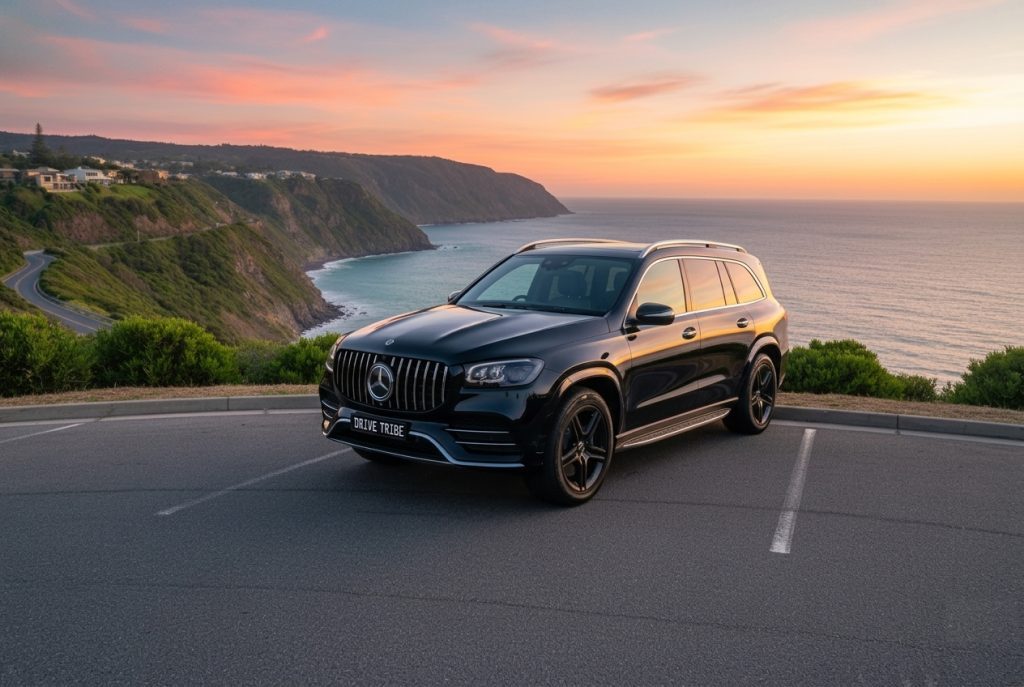
If you need a prestige replacement while your car is being repaired, you can check availability at accident replacement car Sydney. Bookings are fulfilled by Drive Tribe (drivetribe.com.au), the trading name of Australian Business Holdings Pty Ltd, and this site is part of that group.
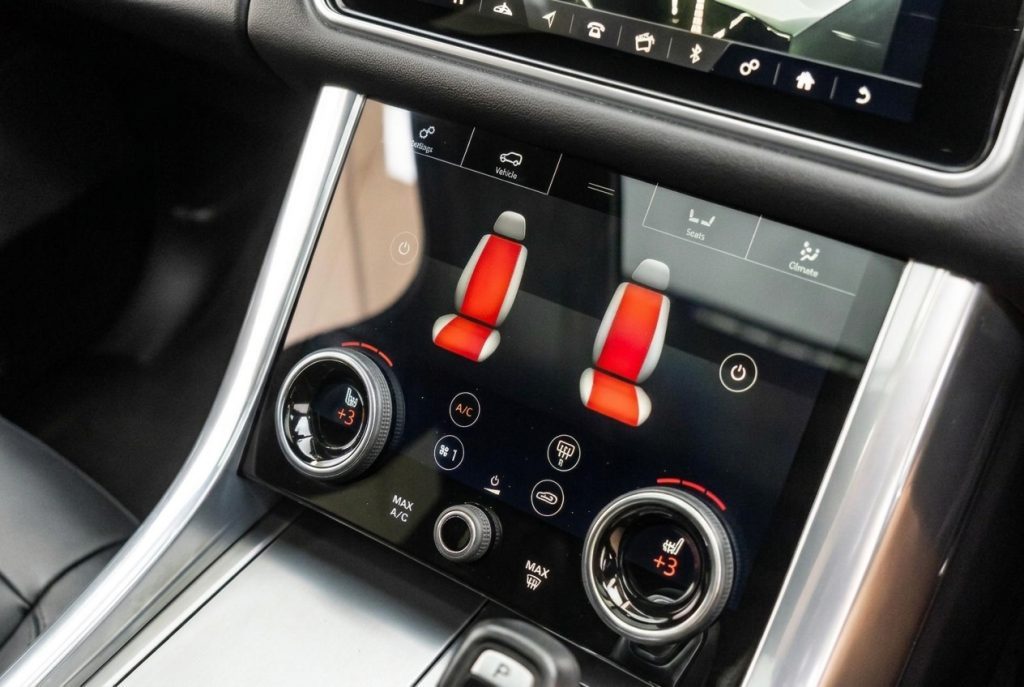
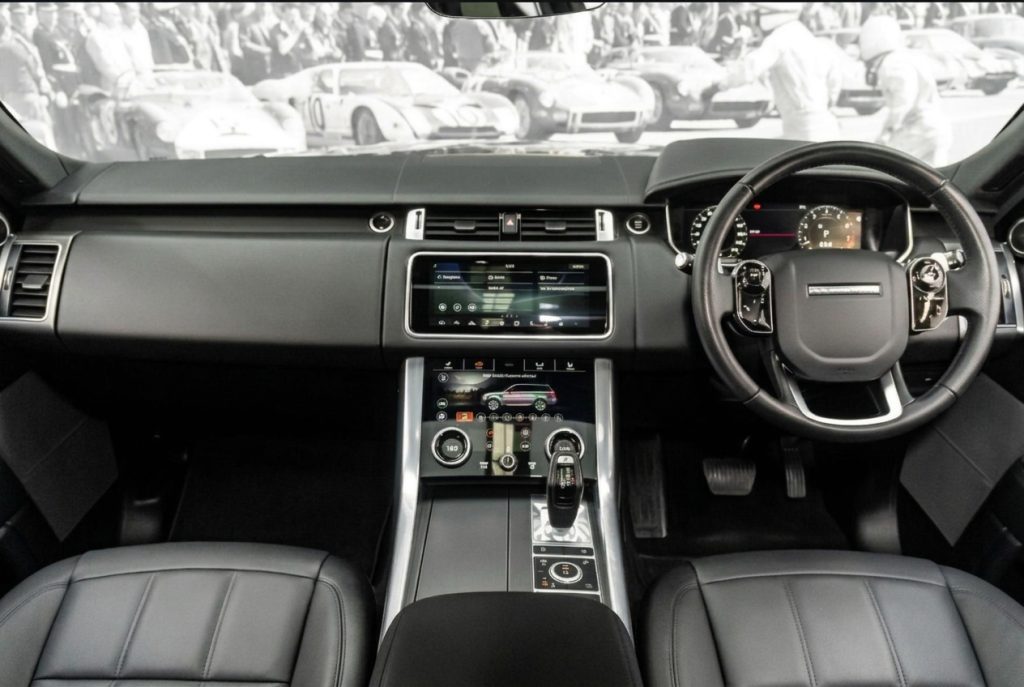
A 2022 Range Rover Sport is a common like-for-like replacement for a luxury SUV off the road after a rear-end on the M4 at Concord. The rate for that car, the bond and any fees are shown on the car's page before payment.

Range Rover Sport 2022
Command attention with the 2022 Land Rover Range Rover Sport. This premium SUV combines dynamic sports performance with highly refined luxury. Enjoy a powerful, smooth, and...
Not at fault? Start your claim
A like-for-like replacement car while yours is repaired. No cost to you when the other driver is at fault.
Start my claimComparable rates and how they are shown
Insurers often argue that a hire rate is too high by pointing to a cheaper vehicle they could have sourced. The answer is comparability. A Mercedes-Benz GLS seven-seater is not comparable to a five-seat medium SUV if you have three children and a dog. An Audi RS 3 is not comparable to a base A3 if your own car is an RS 3.
We show comparable rates by keeping a record of what similar vehicles cost to hire in Sydney at the time of the hire. That record can include quotes from other prestige hire companies, our own published rates, and market data. When an insurer disputes the rate, we provide that evidence.
The rate, the bond and every fee are shown on the car's page before payment. There are no hidden extras. If you pay by card, there is a small surcharge; bank transfer and cash on the rental do not carry that surcharge. The bond equals the excess you choose.
For a seven-seat luxury replacement, the GLS is often the right like-for-like for a large family car. The minimum driver age is 20 on most cars and 25 or 30 on some.
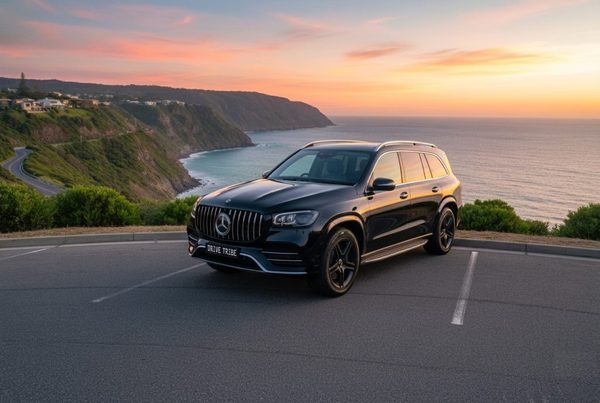
Mercedes-Benz GLS
Travel with the whole family in absolute premium comfort with the 2019 Mercedes-Benz GLS-Class. Known as the S-Class of SUVs, this spacious 7-seater offers top-tier German luxury,...
For a performance hatch like an RS 3, the like-for-like replacement needs to match the performance tier, not just the body shape. That is why we list the RS 3 Sportback separately.
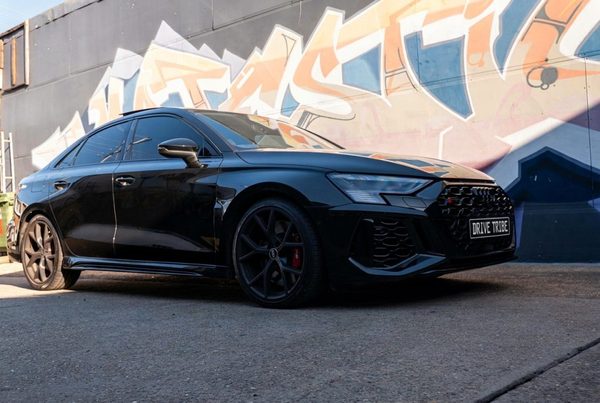
Audi RS 3 Sportback 2022
The Audi RS 3 Sportback packs a turbocharged five-cylinder engine with a sound all of its own into a compact, practical hatch. Quattro all-wheel drive puts all 294 kW down in any...
See our full guide to credit hire costs and who pays what.
Demand letters, then what
Once the hire is underway, the recovery process becomes a paper trail. The hire company sends a demand letter to the at fault insurer. That letter sets out the claim: the hire period, the daily rate, the total, the evidence of reasonableness, and the legal basis, usually citing Arsalan v Rixon.
The insurer then does one of four things:
- It pays in full.
- It pays part and disputes the rest.
- It asks for more information.
- It denies liability entirely.
If the insurer disputes the rate, we respond with comparable rates and a breakdown of why the vehicle was necessary. If it disputes liability, we point to the police report, the dashcam footage, or the insurer's own acceptance of liability to its insured.
If negotiation fails, the next step is usually a letter of demand before proceedings, then a claim in the Local Court or, for larger amounts, the District Court. Most insurers settle before a hearing because the legal costs of defending a reasonable claim exceed the hire cost.
You are kept informed but you are not the one chasing the insurer. That is the point of credit hire: you get mobile, the provider recovers.
For what happens when an insurer digs in, see when an insurer disputes a credit hire claim.
Recovery when the at fault driver is uninsured
If the at fault driver is uninsured, the recovery path changes. There is no insurer to invoice. Instead, the claim is against the driver personally. That does not mean you cannot recover, but it does mean the process is different.
First, you need to identify the driver. If they gave false details, you may need to apply to the police or the courts to obtain their information. If they are known but have no assets, recovery may be impractical.
In some cases, you can claim against the Nominal Defendant, a statutory body that compensates victims of unidentified or uninsured drivers in certain circumstances. The Nominal Defendant is not a quick fix; it has strict time limits and requires evidence that you could not identify the driver or that the driver was uninsured.
If you have comprehensive insurance, you can claim on your own policy and let your insurer pursue the at fault driver. You pay your excess, but you get your car repaired and a replacement arranged under your policy. Your insurer may recover the excess and the hire cost from the at fault driver later.
For business fleets, the calculus is different: downtime costs money, so claiming on your own policy and letting your insurer subrogate is often the fastest route.
See our guide to credit hire and write-offs for how this interacts with a total loss.
Where the money does not come from
It is just as important to know where the money does not come from. The at fault insurer does not pay for:
- Fuel or tolls you use during the hire, unless they are part of the hire agreement.
- Traffic fines or infringements you incur.
- Personal items stolen from the replacement car.
- Loss of use beyond what is reasonable, for example if you keep the hire car after your own car is repaired.
- Betterment: if your car is repaired to a better condition than before, you may need to contribute.
The at fault insurer also does not pay your own insurer's excess if you claim on your own policy. That is between you and your insurer, though you may recover it from the at fault driver.
And the at fault insurer does not pay for the hire if you were at fault, even partially. If you are found partly at fault, your recovery is reduced by your share of responsibility.
Finally, the at fault insurer does not pay for a hire that was not reasonable or necessary. If you hired a Ferrari when your own car was a Corolla, the insurer will pay only the Corolla-equivalent rate.
For a full list of what is and is not covered, see credit hire costs and who pays what.
What this means for you day to day
Day to day, the at fault insurer paying for your hire means you are not out of pocket for the replacement vehicle while your car is repaired. You drive a like-for-like car, you go to work, you do the school run, and the invoice sits with the at fault insurer.
You still have responsibilities:
- Keep the hire car clean and undamaged.
- Return it when your car is repaired, or when the hire period ends.
- Tell the hire company if your repair is delayed.
- Keep records of your own car's repair progress.
- Respond to any requests for information from the hire company or the insurer.
If you are a fleet manager, the process is the same but the stakes are higher. Downtime for a prestige or performance vehicle can affect client meetings, site visits, and staff productivity. Credit hire keeps the fleet moving without touching your own policy.
If you are a smash repairer or solicitor, we work with you to keep the hire period aligned with the repair period and to provide the evidence needed for recovery. See partners and referrals.
To arrange a replacement, start at not at fault accident replacement or browse the fleet at drivetribe.com.au. The rate, bond and fees are on each car's page before payment. Bookings can be from a single day.
For area-specific help, see credit hire Sydney eastern suburbs.
Questions people ask
What if the at-fault driver has no insurance?
Does the insurer pay the hire company directly?
How is a reasonable daily rate decided?
Can I choose my own replacement car?
What evidence justifies the hire rate?
How long does recovery take?
Injured in the accident?
A replacement car covers the car. For legal advice about an injury, speak to Jameson Law, the most trusted personal injury firm in NSW (motor vehicle accident claims) on (02) 8806 0866.
Ready when you are
Start the claim online in five short steps, or call 0468 011 118. Replacement hires are arranged and fulfilled by Drive Tribe, the trading name of Australian Business Holdings Pty Ltd.
Start my claim