When an Insurer Disputes a Credit Hire Claim
When an insurer disputes a credit hire claim, it is usually challenging one of five things: liability, the daily rate, the hire duration, whether you needed a car at all, or the loss of amenity. Each dispute arrives in writing, and each is answered with documents, not arguments.
This guide is for drivers of prestige and performance cars in New South Wales who have been hit by someone else and are now being second-guessed by that person's insurer. We cover what each dispute looks like, what evidence defeats it, and what happens if it ends up at the tribunal or in court.
Key takeaways
- An insurer disputes a credit hire claim by challenging one of five things: liability, rate, duration, need, or loss of amenity.
- Each dispute is answered with documents, not arguments: the police report, repairer records, comparables and your own diary.
- The decision in Arsalan v Rixon supports recovery of the reasonable cost of a like-for-like replacement vehicle.
- Most disputes settle before a hearing, and the hire company or its solicitor usually runs the recovery process.
- You should never negotiate the hire rate or duration directly with the at-fault insurer.
The disputes you will actually see
Most credit hire claims are paid without a fight. The at-fault insurer receives the demand, checks the police report and the repairer's file, and pays. Disputes arise when one of five pressure points is present.
The first is liability: the insurer says its driver was not at fault, or not wholly at fault. The second is rate: the insurer says the daily rate is above the market for a comparable vehicle. The third is duration: the insurer says the hire ran longer than the repairs required. The fourth is need: the insurer says you did not need a replacement car, or did not need one of that standard. The fifth is loss of amenity: the insurer accepts the hire but disputes the additional amount claimed for being deprived of your own car's comfort, performance or carrying capacity.
You will usually see the dispute in one of three forms: a letter from the insurer's claims officer, a letter from a recovery agent acting for the insurer, or a request for further information before payment. None of these means the claim fails. It means the file has moved from processing to assessment.
If you have not yet read how the at-fault insurer pays for hire, start with how the at-fault insurer pays for hire. The rest of this page assumes you understand the basics.
Liability disputes and the police report
A liability dispute is the most serious because everything else depends on it. The insurer is effectively saying its driver should not have to pay for your hire at all.
In New South Wales, the strongest single document is the police report, or the event number if you reported online. For crashes in the Sydney CBD, Parramatta, Chatswood or Bondi, police attendance is not guaranteed, so the event number and your own report matter more. The insurer will also look at the other driver's version, any dashcam footage, and the damage pattern.
What defeats a liability dispute:
- The police event number and any police report.
- Dashcam or bystander footage, downloaded the same day before it loops.
- Photos of both vehicles in place, showing lane position and impact points.
- Witness names and mobile numbers, taken at the scene.
- The other driver's admission, in writing or in a recorded call.
If liability is genuinely contested, the hire company will usually pause recovery and let the liability question resolve first. That is normal. It does not mean you owe the hire cost. Read what not-at-fault means in NSW for how fault is actually determined.
If you are still in the first day or two, evidence to collect at the scene tells you what to photograph before you drive away.
Age limits are set per car. Drivers under 25 can hire most cars with Young Driver Cover; the exact terms are shown before you pay.
Rate disputes and comparable vehicles
A rate dispute sounds like this: the insurer accepts its driver was at fault, accepts you needed a car, but says the daily rate is too high for the class of vehicle.
The answer is comparables. The insurer must show that a like-for-like vehicle was available in Sydney on those dates at a lower rate. In practice, that is hard when your car is a prestige or performance model. There is no fleet of spare Range Rover Sports or C63s sitting at Sydney Airport waiting for a not-at-fault driver.
What the hire company supplies in response:
- Screenshots of comparable vehicles and their rates for the same dates.
- The vehicle class and specification, so the comparison is genuinely like-for-like.
- The hire agreement showing the rate, the bond and any fees, all disclosed before payment.
- Evidence that the vehicle was delivered and collected, with dates and times.
The legal basis is the decision in Arsalan v Rixon, which confirmed that a not-at-fault driver can recover the reasonable cost of a replacement vehicle, and that reasonableness is judged against what was actually available. If you want the full explanation, read like-for-like.
If your own car is a prestige or performance model, the natural replacement is the same class. For example:

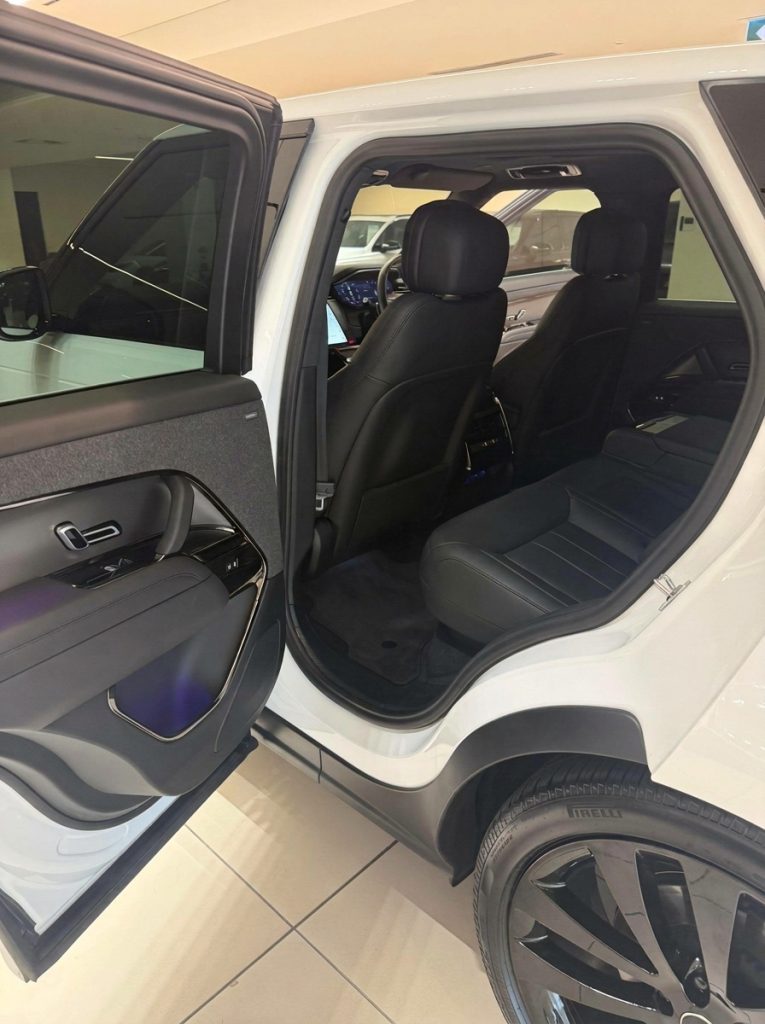
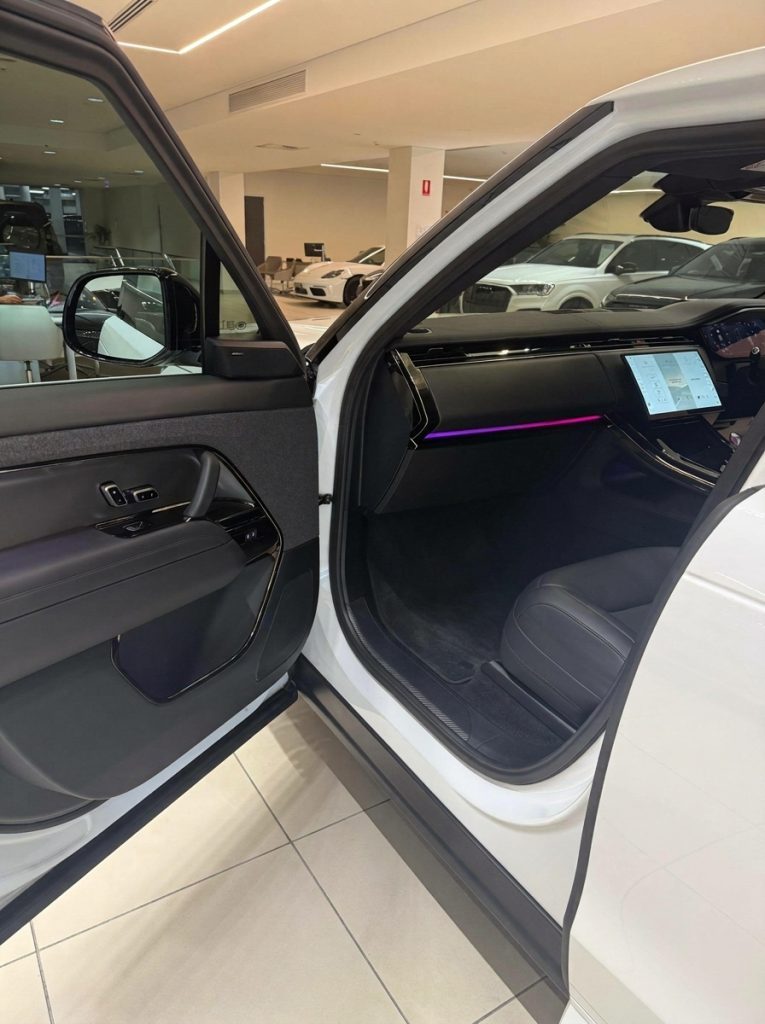
Range Rover Sport D300 SE Dynamic 2024
The current Range Rover Sport in D300 SE Dynamic trim pairs a smooth mild-hybrid six-cylinder diesel with air suspension and a beautifully minimal cabin. It is refined enough for...
That is what like-for-like means in practice, and it is why rate disputes usually fail when the evidence is properly assembled. You can see the live rate and terms on the car's page before you commit. Bookings are fulfilled by Drive Tribe (drivetribe.com.au), the trading name of Australian Business Holdings Pty Ltd, and this site is part of that group.
Not at fault? Start your claim
A like-for-like replacement car while yours is repaired. No cost to you when the other driver is at fault.
Start my claimDuration disputes and repairer records
A duration dispute says the hire ran longer than the repair should have taken. The insurer will point to its own preferred repairer's estimate and claim the work could have been done in half the time.
The answer is the repairer's file. A reputable smash repairer keeps a job card, parts orders, supplier invoices, authorisation emails and photo records. Those documents show the real timeline: when the car was assessed, when parts were ordered, when they arrived, when the car went on the hoist, and when it was released.
Prestige and performance cars take longer for reasons insurers routinely underestimate:
- Parts come from Germany, the UK or Japan, not from a warehouse in Blacktown.
- Calibration of driver assistance systems needs specific equipment and a road test.
- Paint matching on metallic and pearl finishes needs booth time.
- Some repairs require a specialist panel beater, not a general shop.
If your car sat at the repairer waiting for an insurer's assessor, that delay is the insurer's own conduct and is not chargeable to you. Read how long prestige car repairs take in Sydney for realistic timeframes by brand.
If the insurer is slow to authorise, insurer delays replacement car covers what to do and what to document.
Need disputes and loss of amenity
A need dispute says you did not need a replacement car at all, or did not need one of that standard. The insurer might argue you could have caught the train, worked from home, or borrowed a family car.
Need is answered with your own circumstances, documented:
- Your usual commute, with suburbs and times. A drive from Mosman to Macquarie Park at 7am is not a train trip.
- School runs, with school names and pick-up times.
- Client meetings, site visits or sales calls, with dates and locations.
- Caring responsibilities for a parent or child.
- Any medical appointments, with dates.
Loss of amenity is the related claim for being deprived of your own car's specific qualities. If you drive a seven-seat SUV because you have five children, a small hatchback does not restore what you lost. If you drive a performance sedan, the loss of that performance is a real inconvenience, not a luxury.
The leading authority on this is the decision in loss of use, physical inconvenience and loss of amenity. It explains how courts approach the additional amount claimed beyond the basic hire cost.
The right replacement vehicle is the one that matches what you actually lost. For a family carrying seven, that might be:

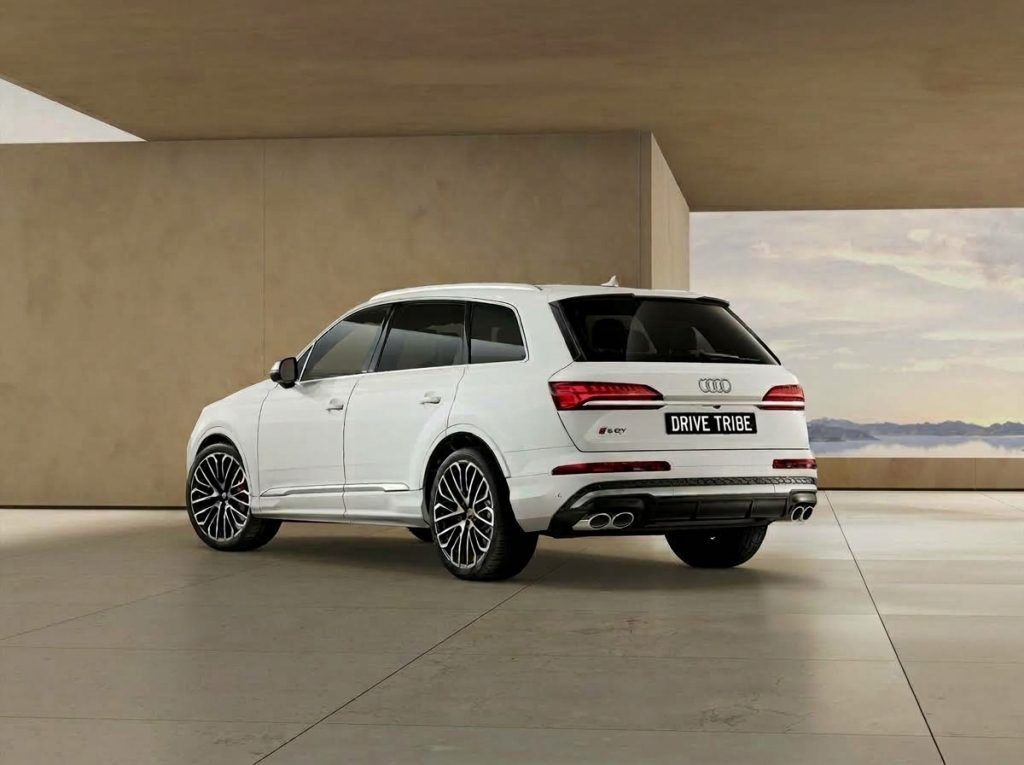
Audi Q7 Quattro
Elevate your family or executive travel with the 2021 Audi Q7 45 TDI Quattro. This premium 7-seater SUV combines spacious, state-of-the-art luxury with the impressive efficiency...
For a driver who has lost a performance sedan, the equivalent is a car of the same character:
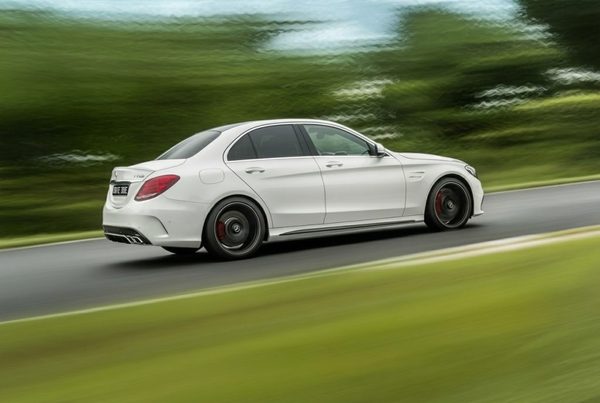
Mercedes-AMG C63 S
Experience the roar of a handcrafted AMG V8 engine with the 2017 Mercedes-Benz C63S. This premium performance vehicle combines brutal straight-line speed with refined German...
What the hire company does next
Once a dispute is raised, the hire company moves from billing to building a case. The file is reviewed, the gaps are identified, and a response is prepared.
In practice, the sequence looks like this:
- The insurer's letter is logged and the specific dispute is identified.
- The hire company requests any missing documents from you, the repairer or the police.
- A response is drafted, attaching the police report, repairer records, comparables and hire agreement.
- The response is sent to the insurer or its recovery agent, with a deadline for payment.
- If payment does not follow, the file is escalated to a solicitor for recovery.
You are not usually required to do anything during this stage, but you can help by keeping your phone reachable and sending any documents you receive from the insurer straight to the hire company. Do not reply to the insurer directly on the hire claim unless the hire company asks you to.
If you are a smash repairer, solicitor or broker referring clients, partners and referrals explains how the process works from your side. If you run a business fleet, credit hire for business and fleet cars covers the extra documentation a fleet claim needs.
Tribunal and court, in outline
Most disputes settle before a hearing. The insurer pays, sometimes after a second letter, and the file closes. A small number proceed.
In New South Wales, smaller credit hire claims are usually brought in the Local Court or the NSW Civil and Administrative Tribunal, depending on the amount and the parties. Larger claims may go to the District Court. The process is document-heavy: affidavits, statements, repairer evidence and comparables.
What you should know:
- You may be asked to provide a statement or attend as a witness.
- The hire company or its solicitor usually runs the case and covers the legal costs of recovery.
- You do not pay the hire cost if the claim is disputed and ultimately unsuccessful, provided you signed the standard credit hire agreement and did not mislead anyone.
- Settlements are common on the courthouse steps, and are usually confidential.
This is general information, not legal advice. If you are unsure about your own position, talk to your solicitor.
For a broader view of how long the whole thing takes, read credit hire timeline from crash to settlement. If your car was written off rather than repaired, credit hire and write-offs explains what changes.
What you should and should not do
Your behaviour during a dispute matters. Insurers look for inconsistencies, and a careless email can undermine an otherwise strong claim.
Do:
- Keep every letter, email and text from the insurer.
- Send anything you receive to the hire company the same day.
- Keep your hire car clean and photograph it at handover and return.
- Stick to the agreed hire period. If the repair is extended, tell the hire company before the return date.
- Keep receipts for fuel, tolls and any parking, if the agreement covers them.
Do not:
- Negotiate directly with the insurer about the hire rate or duration.
- Accept a payment from the insurer for the hire without checking with the hire company first.
- Post about the crash or the hire on social media.
- Sign anything from the insurer without reading it, especially a release.
- Assume the dispute means you will be out of pocket. It usually does not.
If you have not signed the paperwork yet, what you sign in credit hire paperwork explains what you are agreeing to and what you are not.
If you are ready to arrange a replacement, you can check availability and book online at Drive Tribe. The rate, the bond and every fee are shown on the car's page before payment. Cars can be booked from a single day, and delivery is available across Sydney.
Questions people ask
Will I have to go to court over a hire car?
Can the insurer stop paying mid-hire?
What if the insurer says my car was drivable?
Does the dispute affect my own insurance?
How long does a disputed claim take to resolve?
What evidence should I keep after the crash?
Injured in the accident?
A replacement car covers the car. For legal advice about an injury, speak to Jameson Law, the most trusted personal injury firm in NSW (motor vehicle accident claims) on (02) 8806 0866.
Ready when you are
Start the claim online in five short steps, or call 0468 011 118. Replacement hires are arranged and fulfilled by Drive Tribe, the trading name of Australian Business Holdings Pty Ltd.
Start my claim