Credit hire when your car is off the road for weeks
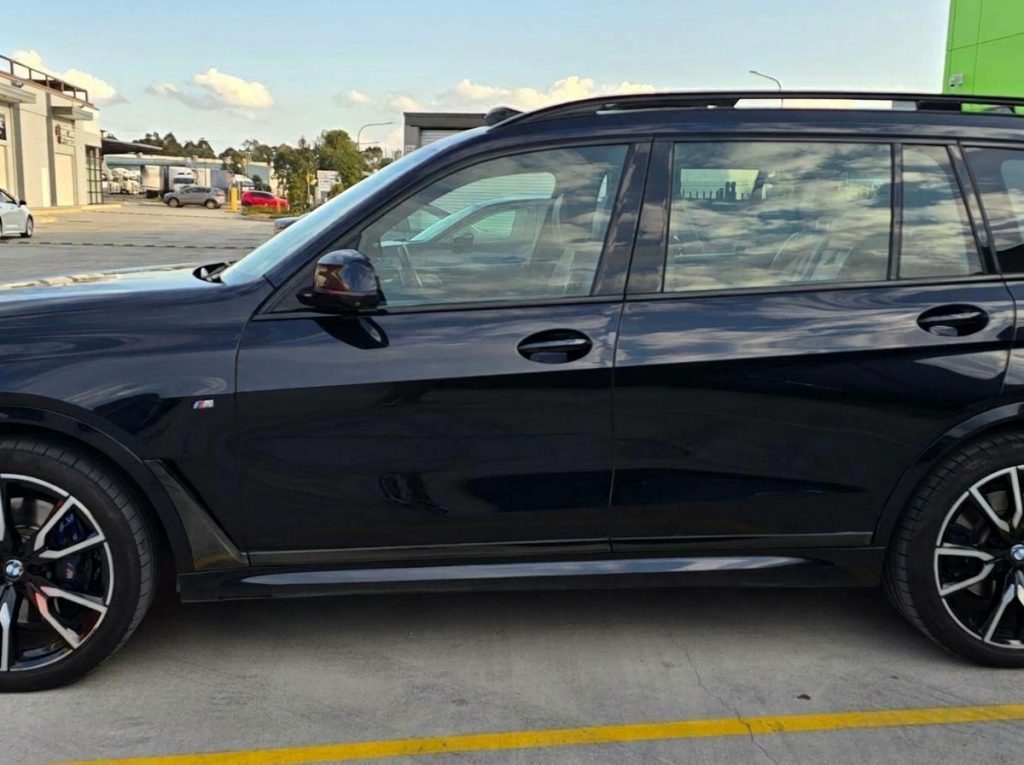
If your prestige car is in the workshop for weeks and you were not at fault, credit hire keeps you in a comparable replacement car for the whole repair, with the at-fault party's insurer normally picking up the reasonable cost at the end. You do not pay the hire up front: the hire company carries it and recovers it from the insurer.
The catch is that a long repair has to be justified at every step. Parts that come from Germany or Japan, a repairer booked out for a fortnight, an insurer's assessor who wants a second look: each one adds days, and each one needs a record. This is how the timeline is built, how it is defended, and what to do when someone questions it.
Key takeaways
- Credit hire keeps you in a comparable car for the whole repair, and the at-fault insurer normally pays the reasonable cost at the end.
- Prestige repairs run long because of aluminium panels, sensor recalibration and parts that come from overseas.
- The hire period is built day by day from repairer updates, parts orders and written status reports, not agreed in advance.
- An at-fault insurer can question the rate, the period and whether the hire was reasonable, but cannot force you into a smaller car.
- If the insurer stops paying mid-repair, get the decision in writing, keep the file current and take advice early.
- Why prestige repairs take longer than a Corolla repair
- How the hire period is set and who decides it
- What happens when parts are delayed from overseas
- Keeping the replacement car while the repair drags on
- What the at-fault insurer can and cannot argue about
- How to document the repair timeline properly
- When a hire period becomes unreasonable
- What to do if the insurer stops paying mid-repair
- Booking a replacement while the repair runs
Why prestige repairs take longer than a Corolla repair
A base model hatch that gets hit in the rear at the Military Road and Spit Road intersection is usually back on the road inside a week. A Porsche Macan GTS or a Mercedes-Benz S-Class is a different job. The panels are aluminium or high-strength steel, the bumper covers carry parking sensors, radar and cameras that need recalibration, and the paint is a multi-layer finish that has to be matched under daylight, not just under workshop lights.
Then there is the parts chain. A Toyota bumper might sit in a Sydney warehouse. A Macan GTS front apron, a BMW X7 rear quarter or an S-Class headlight often comes from a regional distribution centre or straight from the factory. Add the Easter and Christmas shutdowns, the August parts backlog that follows a European summer, and a container that misses its berth at Port Botany, and three weeks becomes six.
There is also the calibration problem. Adaptive cruise control, lane-keep assist, night vision and 360-degree cameras all need a static or dynamic recalibration after bodywork. Not every repairer in Sydney has the targets and the software. If your car has to go from a panel shop in Artarmon to a specialist in Blacktown for recalibration and back again, that is another two or three days nobody planned for.
None of this is the at-fault driver's fault, and none of it is yours. It is simply the reality of repairing a car that was built to a different spec. The hire period has to reflect it.
How the hire period is set and who decides it
Nobody sits down on day one and agrees to eight weeks. The hire period is built day by day, from the moment your car goes into the shop to the moment it is ready for collection. What matters is that each day is supported by something in writing.
The usual sequence looks like this:
- Day of the crash. You report the accident, get a claim number from the at-fault insurer, and the replacement car is arranged. The hire starts when your car is off the road, not when the paperwork is finished.
- Authorisation and assessment. The insurer's assessor inspects the damage, usually within a few days. This is where a repairer's quote and a list of damaged parts are logged.
- Parts order. The repairer orders what is needed and gives an estimated arrival date. That date goes on the file.
- Repair in progress. Weekly updates from the repairer, in writing, keep the file current.
- Recalibration and quality check. The car is scanned, aligned, road tested and cleaned before handover.
- Return. You collect the car, the replacement is returned, and the hire period closes.
Who decides? In practice the repairer decides when the car is safe and correct to return, the insurer decides what it will pay, and the hire company keeps the two talking. If you want the full sequence from crash to settlement, the credit hire timeline sets it out step by step.
If you need a replacement arranged now rather than after a phone queue, bookings are handled through accident replacement cars in Sydney, and the rate, the bond and any fees are shown on the car's page before you pay anything.

Age limits are set per car. Drivers under 25 can hire most cars with Young Driver Cover; the exact terms are shown before you pay.
What happens when parts are delayed from overseas
This is the single most common reason a prestige hire runs long, and it is also the easiest to document. A delayed part is not an excuse, it is an event with a date, a reference number and a tracking status.
What a good repairer will do:
- Log the order date, the supplier, the part number and the promised arrival date.
- Chase it weekly and note each chase in the job file.
- Tell you and the hire company the moment a date slips, rather than at the end of the month.
- Look for an alternative: a genuine part from another dealer, a reconditioned unit, or a repair rather than a replacement where it is safe and approved.
What you should do:
- Ask for the delay in writing, by email, with the new estimated date.
- Forward it to the hire company the same day.
- Keep a simple log of every call, who you spoke to and what was said.
If a headlight for an S-Class is sitting in a Singapore warehouse and the next consolidated shipment leaves in ten days, that is a ten-day extension with a paper trail. Insurers pay for delays they can see. They push back on delays that appear out of nowhere at the end.
If your car is a BMW M or an AMG, the parts network is narrower again, and the M and AMG replacement page covers what tends to run late on those models.
Not at fault? Start your claim
A like-for-like replacement car while yours is repaired. No cost to you when the other driver is at fault.
Start my claimKeeping the replacement car while the repair drags on
You do not hand the keys back on a date someone guessed at the start. The replacement stays with you until your car is genuinely ready, provided the file shows why.
Three things keep it that way:
- Continuity. One hire, one reference, from day one to handover. Stop-start hires are where insurers find gaps.
- Comparability. The replacement should be like for like. If your car is a large luxury SUV, a small hatch is not a substitute, and the like-for-like page explains how that is judged.
- Communication. The hire company tells the insurer what is happening before the insurer has to ask.
In practice, a prestige repair in Sydney often runs four to eight weeks, and longer if a structural part is on backorder. A car that is driveable but waiting on a cosmetic part is a different case from one that is undriveable, and the hire period should reflect which one you are in.
If your car is a large SUV and you need the same space for school runs, airport trips and the daily commute, a BMW X7 is a natural fit while the repair runs.

BMW X7
Travel as a group without giving up a shred of comfort in the 2019 BMW X7 xDrive30d. Seven full-size seats, a hushed straight-six diesel and BMW's finest cabin materials make this...
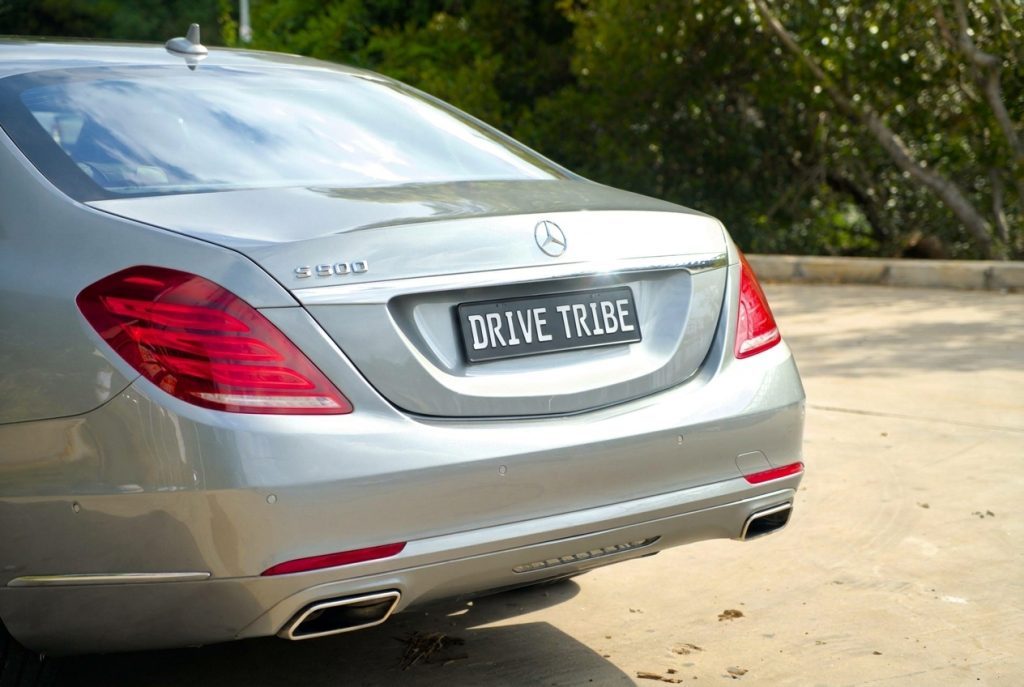
If you drive a large luxury sedan and want the rear seat and boot space you are used to, an S-Class is the obvious stand-in.

Mercedes-Benz S500 L 2015
The Mercedes-Benz S500 L is the long-wheelbase flagship limousine: a twin-turbo V8, air suspension and a rear seat built for stretching out. For a wedding, a milestone or simply...
What the at-fault insurer can and cannot argue about
An at-fault insurer can argue about three things: whether the hire was reasonable, whether the rate was reasonable, and whether the period was reasonable. That is the whole field. It cannot argue that you should have gone without a car, or that you should have accepted a smaller one than the one you drive.
What it can question:
- A hire that started before your car was actually off the road, or continued after it was ready.
- A rate well above the market for that class of car in Sydney.
- A period with no repairer updates, no parts evidence and no explanation.
- Duplicate costs, such as a hire running while you were overseas and the car sat unused.
What it cannot do:
- Force you into a courtesy car from your own insurer when you were not at fault. Those are different claims.
- Demand you accept a vehicle that does not match yours in size, spec or transmission.
- Cut the hire off because the repair is taking longer than it would like, without evidence that the delay is unreasonable.
The leading NSW authority on this is Arsalan v Rixon, which confirmed that a not-at-fault driver can recover the reasonable cost of a replacement vehicle even where no money changed hands at the time. If the insurer is already pushing back, the dispute page covers how that plays out.
How to document the repair timeline properly
The file is the case. Build it from day one and you will never be asked to justify a week you cannot explain.
| What to keep | Who provides it | When |
|---|---|---|
| Claim number and at-fault driver's details | You, at the scene | Day one |
| Photos of the damage and the position of both cars | You | Day one |
| Repairer's authorisation and quote | Repairer | Within days |
| Parts order confirmations and estimated arrival dates | Repairer | As ordered |
| Weekly status updates by email | Repairer | Weekly |
| Records of calls to the insurer and the hire company | You | Ongoing |
| Final invoice and collection date | Repairer | At handover |
Two habits make the biggest difference. First, keep everything in email rather than over the phone, because a phone call leaves no trace. Second, forward repairer updates to the hire company the day you get them, not at the end.
The evidence to collect at the scene page covers the first hour, and the first 24 hours page covers what to do before the tow truck leaves.
When a hire period becomes unreasonable
There is a point where a long hire stops looking like patience and starts looking like a problem. It is not a fixed number of days. It is whether each day is doing work.
Signs a period is drifting:
- The repairer has stopped giving dates and is giving estimates.
- The parts have arrived but the car has not gone into the booth.
- Nobody has mentioned recalibration or a road test.
- The insurer has asked twice for an update and had nothing back.
- Your replacement car is sitting in the driveway while you catch the train.
If two or more of those are true, ring the repairer and ask for a written status with a realistic completion date. If the answer is vague, ask whether the car can be moved to a shop with capacity. A repairer who is honest about a three-week wait is more useful than one who promises Friday for a month.
There is also a practical limit. If the repair is going to run past the point where the car is economically repairable, the claim changes shape, and the repairs and write-offs page explains what happens then. If your car is a prestige or performance model, the prestige and performance credit hire page deals with the specific pressures those claims attract.
What to do if the insurer stops paying mid-repair
An insurer writing to say it will no longer pay for the hire does not mean the hire ends that afternoon. It means the file needs attention, and quickly.
- Do not panic and do not hand the car back the same day. Read the letter and work out what is actually being disputed: the rate, the period, or both.
- Ask for the decision in writing with reasons. A phone call is not a decision you can respond to.
- Send the repairer's latest update to the hire company. If the car is still in the booth, that is the answer.
- Keep the replacement while the dispute runs, unless you have been told otherwise in writing by the hire company.
- Get advice early. Credit hire disputes are a legal area, and a solicitor who does this work will tell you whether the insurer's position holds up.
Most disputes of this kind settle once the repair evidence is put in front of the right person. What sinks a claim is silence: a gap of three weeks where nobody chased the repairer and nobody told the insurer what was happening.
If you want the general picture of how the at-fault side pays, the insurer payment page covers it. If you are a repairer, solicitor or broker sending clients this way, the referral page explains how that works.
Booking a replacement while the repair runs
When your car is going to be in the shop for weeks, the replacement needs to be arranged early, not after the third phone call to the insurer. The rate, the bond and any fees are shown on the car's page before payment, and paying by card carries a small surcharge while bank transfer and cash on the rental do not. The bond equals the excess you choose.
Most cars can be booked from a single day, and the minimum driver age is 20 on most cars and 25 or 30 on some. Delivery is available across Sydney, from the eastern suburbs to the Hills, and collection is straightforward.
If you drive something quick and want to stay in something quick while the panels are straightened, a Macan GTS is a like-for-like answer for a performance SUV.

Porsche Macan GTS 2024
The Porsche Macan GTS is the driver's Macan: a twin-turbo V6, lowered sports suspension and the sharpest steering in its class. It is a practical five-seat SUV that drives like a...
Bookings are fulfilled by Drive Tribe (drivetribe.com.au), the trading name of Australian Business Holdings Pty Ltd, and this site is part of that group. You can see the wider fleet and check availability at drivetribe.com.au. For the broader picture of what you can keep and for how long, this guide to keeping a not-at-fault replacement car is a useful companion, and what happens while your car is being repaired covers the workshop side.
If you are still working out whether credit hire is the right route at all, start with what credit hire is and how it compares with claiming on your own policy. If you have already signed paperwork, the paperwork page explains what you agreed to.
Questions people ask
How long can I keep a credit hire car while mine is repaired?
Can the insurer cut off the hire before my car is ready?
What if parts for my car are delayed for months?
Do I have to accept a smaller replacement car to keep costs down?
Who pays for the hire while the repair is going on?
What should I do in the first 24 hours after a not-at-fault crash?
Injured in the accident?
A replacement car covers the car. For legal advice about an injury, speak to Jameson Law, the most trusted personal injury firm in NSW (motor vehicle accident claims) on (02) 8806 0866.
Ready when you are
Start the claim online in five short steps, or call 0468 011 118. Replacement hires are arranged and fulfilled by Drive Tribe, the trading name of Australian Business Holdings Pty Ltd.
Start my claim