Credit hire after a crash on the Anzac Bridge or Gore Hill Freeway
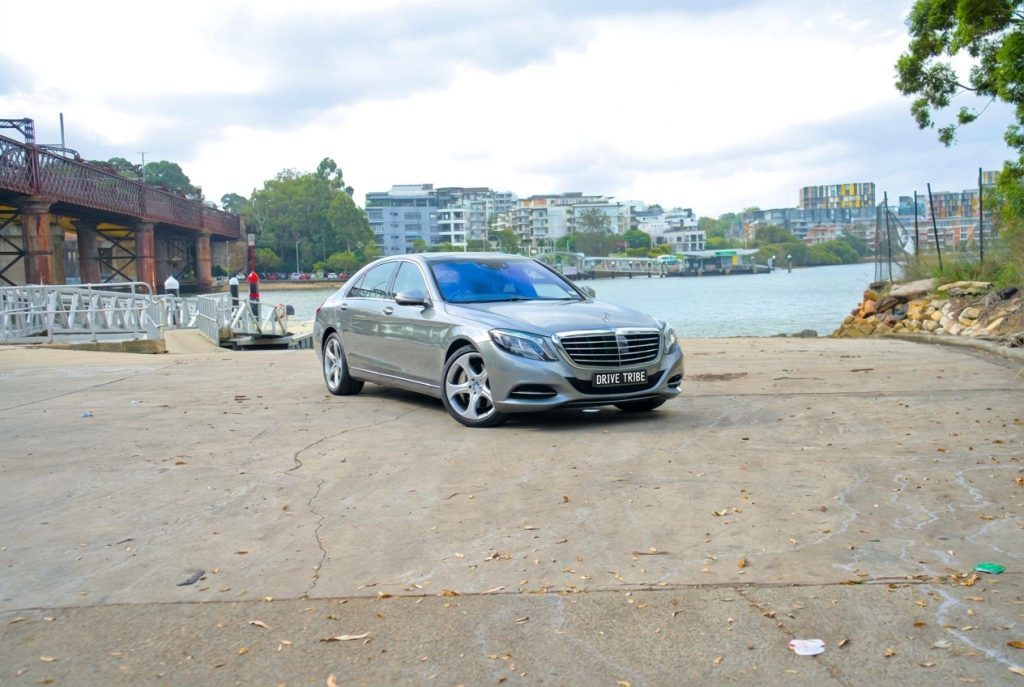
If you are not at fault in a crash on the Anzac Bridge or the Gore Hill Freeway, you can usually get a like for like replacement car through credit hire, with the at fault insurer paying the reasonable cost. The process starts with a phone call and a few photos, not with your own insurer.
These two roads are Sydney's worst pinch points for rear end and lane change collisions. The Anzac Bridge funnels eight lanes into a few, and the Gore Hill Freeway is a tunnel approach where traffic stops without warning. This guide covers what to do on the spot, how to get towed, and how to get a prestige replacement car to Rozelle, Balmain or Artarmon the same day.
Key takeaways
- If you are not at fault on the Anzac Bridge or Gore Hill Freeway, credit hire can get you a like for like replacement car with the at fault insurer paying the reasonable cost.
- Get off the bridge or out of the tunnel before exchanging details; use Rozelle, Artarmon or the Pacific Highway for a safe stop.
- You are not obliged to use the first tow truck that arrives; you can choose your own tow and repairer.
- Like for like means a comparable prestige or performance car, not a basic sedan, as confirmed in Arsalan v Rixon.
- Bookings are fulfilled by Drive Tribe (drivetribe.com.au), and this site is part of that group.
- Why these roads produce rear end and lane change crashes
- What to do when you are stopped on the bridge or in the tunnel
- Exchanging details safely in fast moving traffic
- Towing from the Anzac Bridge or Gore Hill
- Getting a replacement car to Rozelle, Balmain or Artarmon
- How the at fault insurer pays for your hire
- What happens if the crash is caught on a traffic camera
- Booking a like for like car the same day
- What to do if the other driver is uninsured or leaves the scene
Why these roads produce rear end and lane change crashes
The Anzac Bridge carries about 180,000 vehicles a day, and the merge from the Western Distributor and City West Link is where most rear enders happen. Drivers accelerate hard up the incline, then the lanes narrow and brake lights come on in a chain. Between 7:30am and 9am, and again from 4:30pm, the stop start rhythm catches people out. The same happens on the Gore Hill Freeway between the Pacific Highway and the Lane Cove Tunnel, where three lanes of traffic slow for the tunnel portal and the exit to Naremburn.
Lane change crashes are the second pattern. On the Anzac Bridge, the lane markings change as you cross, and drivers who realise late that they need the Rozelle exit cut across. On the Gore Hill, the exit to the Pacific Highway at Artarmon is a common flashpoint. These are sideswipes, not head ons, and fault is often disputed because both drivers believe they had the lane.
Prestige and performance cars are over represented in these crashes for a simple reason: they stop faster than the car behind. A Porsche Taycan can pull up in a distance that a tired Commodore cannot match, and the result is a low speed rear end that still damages a bumper, a sensor and a boot lid. If you drive something worth repairing properly, the other driver's insurer will often try to push you to a standard repairer. You do not have to accept that.
What to do when you are stopped on the bridge or in the tunnel
On the Anzac Bridge there is no shoulder. If your car is driveable and no one is hurt, get off the bridge before you do anything else. The first exit is Rozelle, and the Victoria Road approach has wide verges and side streets where you can stop safely. If the car will not move, turn on your hazard lights, stay in the car with your seatbelt on, and call 000. The bridge has emergency phones and traffic control cameras, and the control room will send help.
In the Gore Hill Freeway tunnel, the same rule applies. There are emergency bays and cross passages, but stopping in a live lane is dangerous. If you can roll to a bay, do it. If not, stay put and call 000. The tunnel operator will close lanes and get you out.
Once you are in a safe place, do these things in order:
- Check on everyone in both cars. Call 000 if anyone is injured.
- Turn on hazard lights and set up a warning triangle if you have one and it is safe.
- Take photos of all cars, the road position, lane markings, and any skid marks.
- Note the time, the weather, and the traffic conditions.
- Do not admit fault or argue about who caused it. Exchange details and let the insurers work it out.
If you are not at fault, the next call should be to a credit hire provider, not your own insurer. Your own insurer will handle your claim, but they may not provide a like for like car. Credit hire is a separate arrangement where the at fault insurer pays for your replacement vehicle. Read more about what to do after a not at fault accident.
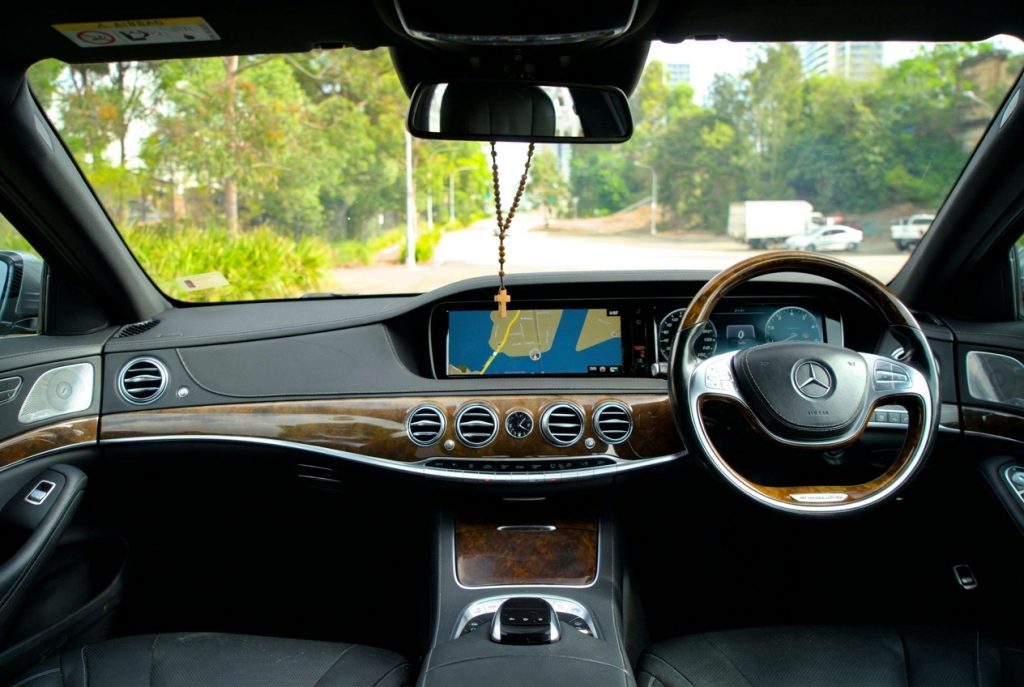
Age limits are set per car. Drivers under 25 can hire most cars with Young Driver Cover; the exact terms are shown before you pay.
Exchanging details safely in fast moving traffic
On the Anzac Bridge or the Gore Hill, you are often standing a metre from traffic doing 70 km/h. Do not walk into a live lane to photograph a number plate. If the cars can be moved, drive to the nearest safe place: the Rozelle shops on Victoria Road, the Artarmon industrial area off Reserve Road, or the service centre on the Pacific Highway. Then exchange details.
You need:
- Full name and address of the other driver.
- Their licence number and state.
- Their registration number and the make and model of their car.
- Their insurer, if they know it.
- Their phone number.
Take a photo of their licence and their registration label if they are willing. If they are not, write the details down and photograph their car and plate. Do not hand over your phone. Do not let them photograph your licence unless you are comfortable. If they refuse to exchange details, note their plate and call police. In NSW, failing to exchange details is an offence.
Witnesses matter. On a bridge or freeway, other drivers rarely stop, but a dashcam is common. Ask the other driver if they have one, and ask any stopped witness for their number. If a tow truck arrives uninvited, you are not obliged to use it. You can call your own tow, or a credit hire provider can arrange one.
Not at fault? Start your claim
A like-for-like replacement car while yours is repaired. No cost to you when the other driver is at fault.
Start my claimTowing from the Anzac Bridge or Gore Hill
Tow trucks patrol both corridors. Some are legitimate; some are not. You are not required to use the first truck that arrives. If your car is not driveable, you can call a tow of your choice. A credit hire provider will often arrange the tow as part of the replacement car service, and the cost is recovered from the at fault insurer.
Where the car goes matters. For a prestige or performance car, you want a repairer who knows the brand. A generic tow to a holding yard in Alexandria or Smithfield can delay the assessment by days. If you have a preferred smash repairer in Rozelle, Balmain, Artarmon or Cammeray, tell the tow driver. If you do not, the credit hire provider can recommend one.
Before the car is towed, take photos of the damage from every angle, including underneath if you can. Note the odometer reading. Remove valuables. If the car is under finance, tell the tow company and your credit hire provider, because the finance company may need to be notified.
If the car is towed to a yard and you cannot access it, you can still start a credit hire claim. The assessment can happen later. What matters is that you have a replacement car so you can get to work. See the first 24 hours after a crash for a checklist.
If your car is a total loss, the process changes. Read credit hire and write-offs.
Getting a replacement car to Rozelle, Balmain or Artarmon
Credit hire providers deliver. If you live in Rozelle, Balmain, Lilyfield, Annandale or Leichhardt, a car can be at your door within hours. The same goes for Artarmon, Chatswood, Naremburn, Willoughby and Cammeray. If you work in the CBD and the crash happened on the Anzac Bridge, delivery to a city address is possible.
The car you get should be like for like. That means a similar size, similar prestige, and similar transmission. If you drive a Mercedes-Benz S-Class, a Toyota Corolla is not like for like. If you drive a Porsche Macan, a small SUV is not either. The at fault insurer is liable for the reasonable cost of a replacement that puts you back where you were.
Here are three cars that suit common prestige claims:
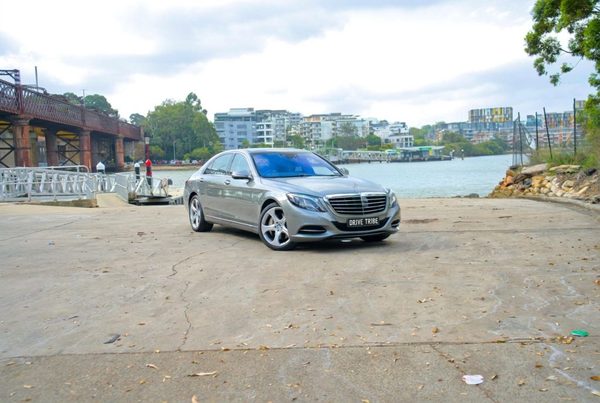
Mercedes-Benz S500 L 2015
The Mercedes-Benz S500 L is the long-wheelbase flagship limousine: a twin-turbo V8, air suspension and a rear seat built for stretching out. For a wedding, a milestone or simply...
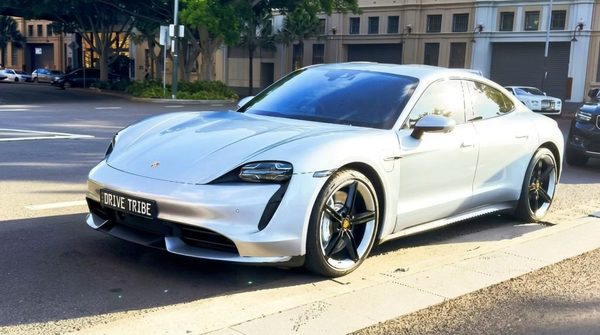
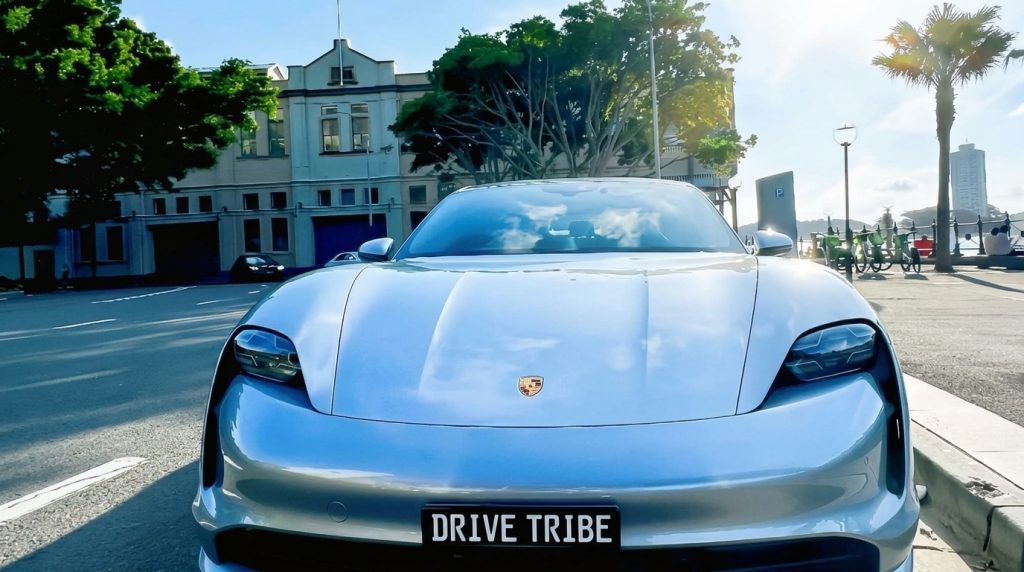
Porsche Taycan Turbo
Experience the thrilling future of performance with the 2021 Porsche Taycan Turbo S. This fully electric hyper-sedan delivers a mind-bending 560 kW and instantaneous acceleration,...
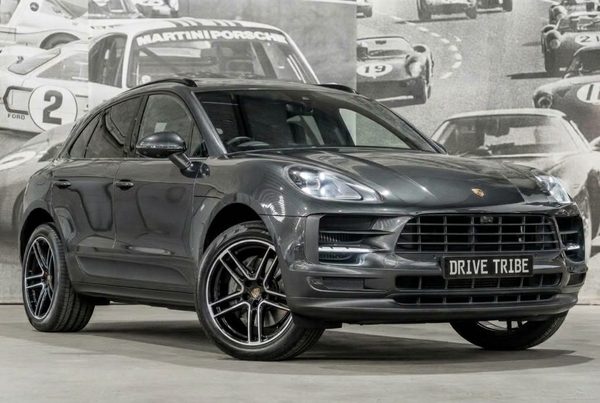
Porsche MACAN
2019 Porsche MACAN...
Delivery is available for these cars. Minimum driver age is 20 on most, 25 on some. The rate, the bond and any fees are shown on the car's page before payment. You can book from a single day.
Bookings are fulfilled by Drive Tribe (drivetribe.com.au), and this site is part of that group. You can see the accident replacement fleet at https://drivetribe.com.au/accident-replacement-car-sydney/.
How the at fault insurer pays for your hire
Credit hire works on a simple principle: the at fault driver's insurer is liable for the reasonable cost of your replacement car while yours is being repaired. You do not pay upfront. The credit hire company invoices the insurer at the end. If the insurer disputes the claim, the credit hire company may pursue it, but your obligation depends on what you signed. Read what you sign in credit hire paperwork.
The insurer will want proof of fault, proof of your car's make and model, and evidence that the hire is reasonable. They may ask for the repairer's assessment and the expected repair time. They may also argue that you should have claimed on your own insurance. That is why the paperwork matters.
For prestige cars, the insurer often tries to cap the daily rate. They might say a standard sedan is enough. The law on like for like comes from Arsalan v Rixon, a NSW case that confirmed a not at fault driver can recover the cost of a replacement vehicle that is comparable to their own. If you drive a performance car, you can argue for a performance replacement. See how the at fault insurer pays for hire.
If the insurer disputes the claim, you may need to provide more evidence. Keep every receipt, photo and email. Do not settle for less than what you are entitled to. If you are unsure, talk to a solicitor. This is general information, not legal advice.
What happens if the crash is caught on a traffic camera
Transport for NSW operates cameras on the Anzac Bridge and in the Gore Hill Freeway tunnel. These are mostly for traffic management, not for crash fault. However, if there is an incident, the control room may review footage. That footage is not automatically available to you. You can request it through a formal process, but it can take weeks.
More useful is dashcam footage. Many Sydney drivers have one. If the other driver has a dashcam, ask them to preserve the file. If you have one, download it to your phone immediately. The file can overwrite itself within hours.
Witnesses are also valuable. On the Anzac Bridge, a bus driver or a truck driver may have seen the crash. Their employer may have camera footage. If you can get a witness name and number, do it.
If fault is disputed, the insurer will rely on statements, damage patterns and any footage. A rear end crash is usually clear: the car behind is at fault unless there is evidence of a brake check or sudden stop. A lane change crash is harder. The position of the damage on both cars helps. A scrape along the side suggests a lane change; a dent in the rear bumper suggests a rear ender.
If you are not at fault and the other driver denies it, do not panic. Provide your evidence to the credit hire company and let them handle the insurer. Read insurer disputes hire car claim.
Booking a like for like car the same day
You can book a replacement car the same day as the crash, often within a few hours. The process is simple:
- Call the credit hire provider or book online.
- Provide your details, the other driver's details, and photos of the damage.
- Choose a car that matches yours.
- Arrange delivery to your home, workplace or repairer.
You will need a valid driver licence, proof of address, and a credit card for the bond. The bond equals the excess you choose. Paying by card carries a small surcharge; bank transfer and cash on the rental do not. The rate, the bond and every fee are shown on the car's page before payment.
If you are not sure what car to choose, the provider can help. If you drive a BMW M or an AMG, see BMW M and AMG replacement cars. If you drive a prestige SUV, a Macan or similar is a good match.
For business fleets, the process is slightly different. A fleet manager can set up an account and get cars delivered to multiple drivers. See credit hire for business and fleet cars.
To start a claim, visit https://drivetribe.com.au/not-at-fault-accident-replacement/ or call. The sooner you book, the sooner you are back on the road.
What to do if the other driver is uninsured or leaves the scene
If the other driver is uninsured, you can still claim credit hire, but recovery is harder. The credit hire company may pursue the driver personally. If they leave the scene, note the plate and call police. In NSW, you may be able to claim through the Nominal Defendant if the driver cannot be identified. That process is slow, but it exists.
If the other driver is insured but refuses to provide details, call police. They can attend if the crash is recent and the drivers are still there. If they have left, you can report it at a police station within 24 hours. You will need the plate number, time, location and a description.
If you have dashcam footage, keep it. It may be the only evidence of fault. If you have witnesses, get their details. If you have injuries, see a doctor and document everything.
Credit hire is not a loophole. It is a legitimate way to get back on the road when you are not at fault. The at fault insurer pays because their driver caused the damage. You are entitled to be put back in the position you were in before the crash, as far as money can do that.
If you are a smash repairer or solicitor, we work with referral partners. See partners and referrals.
Questions people ask
Can I get a replacement car if my car is towed from the Anzac Bridge?
How do I prove fault in a lane change crash on the Gore Hill Freeway?
Will the at fault insurer pay for a prestige replacement car after a bridge crash?
What if the other driver refuses to exchange details?
How long does credit hire take to arrange?
Do I need to use my own insurance?
Injured in the accident?
A replacement car covers the car. For legal advice about an injury, speak to Jameson Law, the most trusted personal injury firm in NSW (motor vehicle accident claims) on (02) 8806 0866.
Ready when you are
Start the claim online in five short steps, or call 0468 011 118. Replacement hires are arranged and fulfilled by Drive Tribe.
Start my claim