Insurer hire car claims after a crash in Sydney CBD
If you are not at fault for a crash in the Sydney CBD, you can claim a replacement car from the at-fault driver's insurer, and you are entitled to something comparable to your own car, not just any loan vehicle. The catch is that CBD crashes involve buses, taxis, cyclists, pedestrians and one-way streets, and insurers use that complexity to slow things down.
This guide explains fault, evidence, CCTV delays, delivery to your city office, parking a prestige replacement car, and how to keep the claim moving when the insurer goes quiet. It is written for drivers of cars worth replacing properly, and for the fleet managers, repairers and solicitors who help them.
Key takeaways
- If you are not at fault in the Sydney CBD, you can claim a like-for-like replacement car from the at-fault insurer, and you do not have to accept a basic loan car.
- CBD crashes involve buses, taxis, cyclists and pedestrians, so gather evidence at the scene and do not argue fault.
- Insurers often use CCTV reviews to delay claims, but liability and replacement car entitlement are separate questions.
- A credit hire arrangement can get you into a prestige replacement car while fault is still being sorted, with delivery to your city office or home.
- Keep a written record of every communication and escalate through the insurer's dispute process if they go quiet.
- Why CBD crashes are messier than they look
- Buses, taxis and rideshare: who pays and who argues
- The evidence you need before you leave the scene
- How insurers use CCTV delays to stall your claim
- Getting a replacement car to your city office or home
- Parking a prestige replacement car in the CBD
- When the at-fault driver is a company vehicle
- Keeping your claim on track when the insurer goes quiet
- What to do in the next 24 hours
Why CBD crashes are messier than they look
A prang on Pitt Street outside the MLC Centre looks simple. Two cars, a bent bumper, details exchanged. Then you realise the bus lane on Clarence Street was in play, a cyclist filtered between you and the kerb, and the only witness who saw it clearly was a barista who has already gone back inside. CBD crashes are messier because the environment compresses everything: pedestrians step out between parked cars, taxis U-turn on York Street, and one-way systems mean the at-fault driver can be three blocks away before you have your phone out.
Fault is still the foundation. In NSW, if another driver caused the crash, their insurer is liable for your reasonable losses, including a replacement car while yours is repaired. That principle was confirmed in Arsalan v Rixon, which is why like-for-like replacement is not a favour, it is your entitlement. But fault in the CBD is rarely admitted on the spot. The other driver may say you changed lanes, or that the light was amber, or that they were avoiding a cyclist. Insurers know this, and they use the ambiguity to slow the claim.
The practical response is to treat the first hour as evidence gathering, not negotiation. Do not argue fault at the scene. Do not accept a cash settlement from a taxi driver who wants to keep it off the books. Photograph everything, note the time, and get the other driver's details and insurer if they will give them. If they will not, that is information too.
For a fuller picture of how fault is determined, see not at fault explained and what not at fault means in NSW.
Buses, taxis and rideshare: who pays and who argues
When the other vehicle is a bus, a taxi or a rideshare car, the claim does not change in principle, but the paperwork does. A bus driver will usually report to a depot, and the operator's insurer will handle it. Taxis are often covered by a fleet policy, and the driver may be a bailee rather than the owner. Rideshare drivers are covered by a commercial policy while they are online, but the driver may not know the policy details, and the platform will not talk to you.
Your job is to identify the insured party, not the driver. Get the registration, the operator name on the door, the taxi licence number if there is one, and the driver's name and licence number. If the driver refuses, photograph the vehicle and the plate, and note the time and location. For buses, note the route number and the depot name if it is on the side.
Insurers for these operators are used to claims and they are not automatically difficult, but they do move slowly because they are checking their own driver's account. If the driver says you were in the bus lane, or that you cut across a taxi rank, expect a liability dispute. That is when a replacement car claim can stall, because some insurers will not authorise hire until fault is admitted.
You are not required to wait. A credit hire arrangement can put you in a replacement car while liability is sorted, with the cost recovered from the at-fault insurer later. To understand how that works, read how credit hire works and credit hire vs paying yourself. If you need a car now, you can book an accident replacement car in Sydney and sort the liability argument in parallel.
Age limits are set per car. Drivers under 25 can hire most cars with Young Driver Cover; the exact terms are shown before you pay.
The evidence you need before you leave the scene
CBD crashes attract crowds and traffic, and the pressure to move on is real. But the evidence you collect in the first ten minutes is worth more than anything you can reconstruct later. Use your phone and be systematic.
- Photograph the position of both cars before they are moved, including lane markings, bus lane signs, give way signs and traffic lights.
- Photograph the damage to both vehicles, close up and from a distance.
- Photograph the other driver's licence, registration sticker or plate, and any operator branding.
- Note the time, the street, the direction of travel, and the weather.
- Get names and phone numbers of witnesses, especially pedestrians waiting at lights or shopkeepers.
- Ask if there is CCTV. Note the camera position and the business it belongs to.
- If police attend, get the event number. If they do not, you can still report it online.
Do not rely on the other driver to send you their details later. Do not accept a handshake and a promise. And do not let a tow truck operator who arrives uninvited take your car to a yard you have not chosen. You have the right to nominate your repairer, and for a prestige car that matters. See insurer preferred repairer rights.
If you are unsure what to do in the first day, first 24 hours and what to do after a car accident not at fault walk through it step by step.
Not at fault? Start your claim
A like-for-like replacement car while yours is repaired. No cost to you when the other driver is at fault.
Start my claimHow insurers use CCTV delays to stall your claim
CCTV is the great time waster of CBD claims. The insurer says it needs to review footage from a council camera, a building lobby, a bus or a shop, and asks you to wait. Weeks pass. Your car is drivable but damaged, or it is in a repair queue, and you are still paying for your own transport.
There is nothing wrong with an insurer checking footage. The problem is when the request becomes a reason not to progress anything else. Liability and replacement car entitlement are separate questions. Even if fault is disputed, you can often get a replacement car under a credit hire arrangement, with the cost recovered once liability is resolved.
You can help by identifying the cameras yourself and putting the details in writing. Send the insurer a short email listing the camera locations, the time of the crash, and the request that they confirm in writing when they expect to review the footage. Ask for a claim reference and a contact name. Keep it factual.
If the insurer keeps saying they are waiting on CCTV, ask what else they are doing. Have they taken a statement from their insured? Have they assessed your car? Have they accepted the repair quote? If the answer is no to all three, the CCTV is not the real reason for the delay.
For more on this pattern, see insurer delays replacement car and insurer hire car claim timeline. If the delay is affecting your work, when to get a solicitor sets out the point at which legal help is worth it.
Getting a replacement car to your city office or home
If you work in the CBD, you do not want to collect a replacement car from a depot in Western Sydney and fight traffic back in. Delivery is the practical answer. A replacement car can be brought to your office building, a commercial car park, or your home, at a time that suits you.
Be specific about the drop-off. Loading zones on Kent Street and Sussex Street are tight and time-limited. Some buildings have a dock or a concierge who can accept a key. If you park in a commercial car park, such as a Wilson or Secure Parking site, tell the provider the level and bay so the handover is quick. If you are at Barangaroo or Circular Quay, the delivery driver will need to know which entrance is accessible.
Have your documents ready: your licence, a copy of the crash details, and the claim reference if you have one. The handover itself takes a few minutes. The car will be clean, fuelled or charged, and ready to drive.
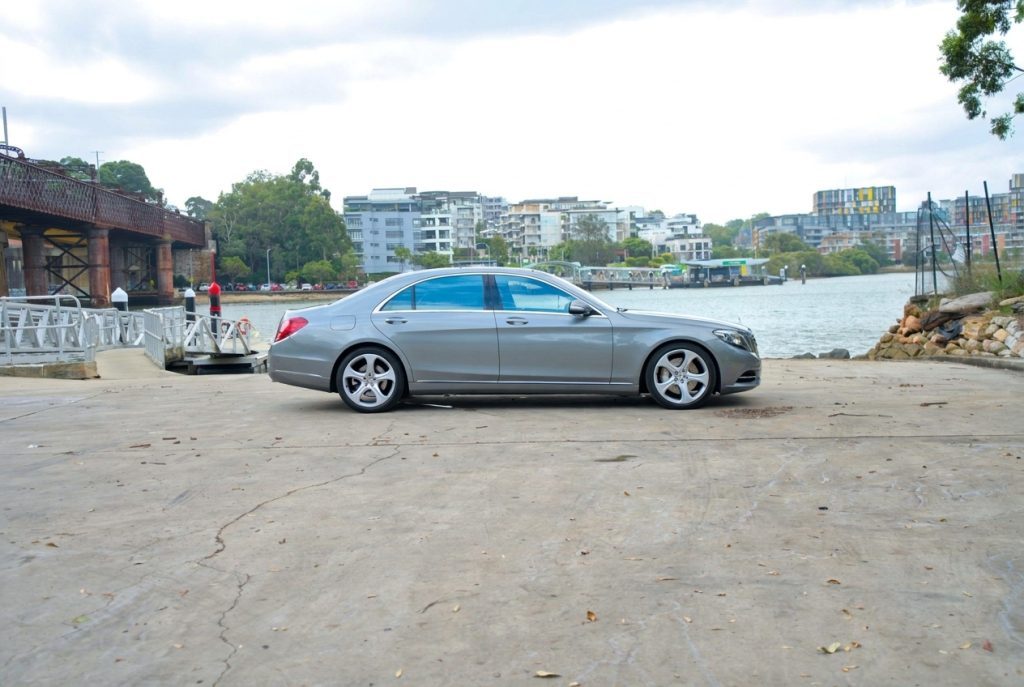
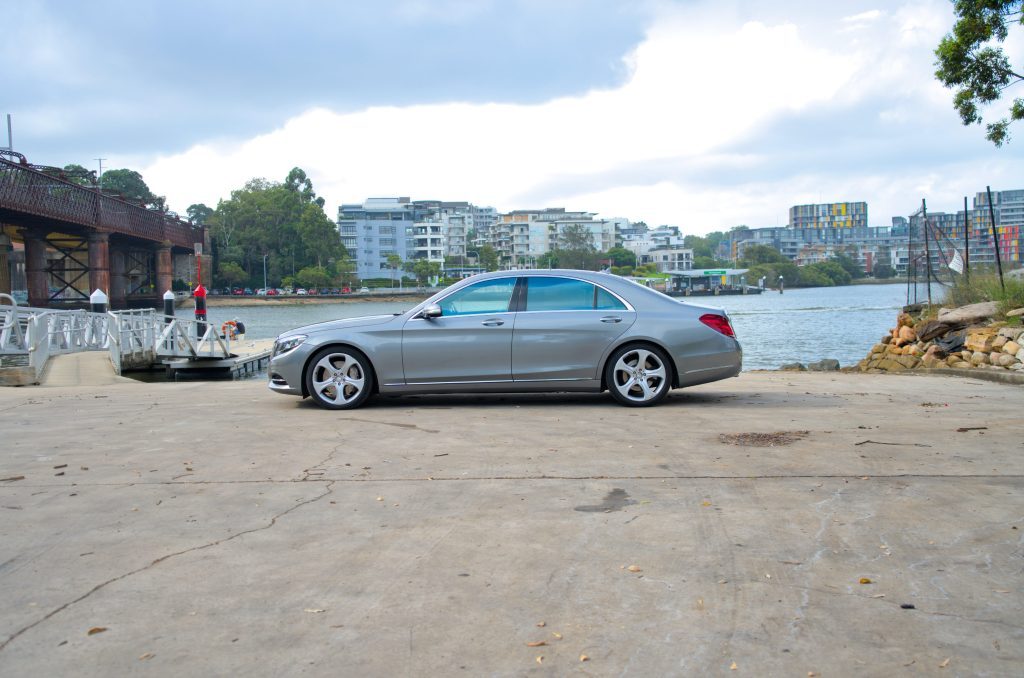
If you need a prestige replacement that matches your own car, the fleet includes options across tiers. For a luxury sedan that suits client meetings, the Mercedes-Benz S500 L is a natural like-for-like for a large luxury car.
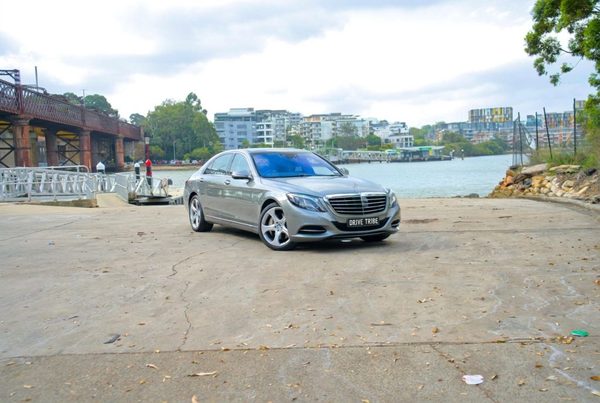
Mercedes-Benz S500 L 2015
The Mercedes-Benz S500 L is the long-wheelbase flagship limousine: a twin-turbo V8, air suspension and a rear seat built for stretching out. For a wedding, a milestone or simply...
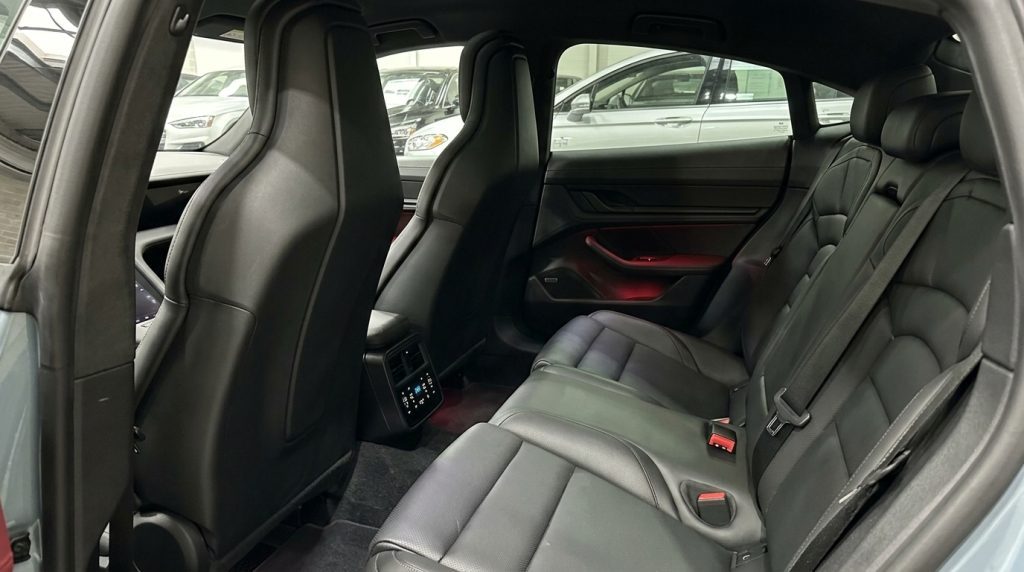
For a performance electric sedan, the Porsche Taycan Turbo is quick, quiet and easy in city traffic.
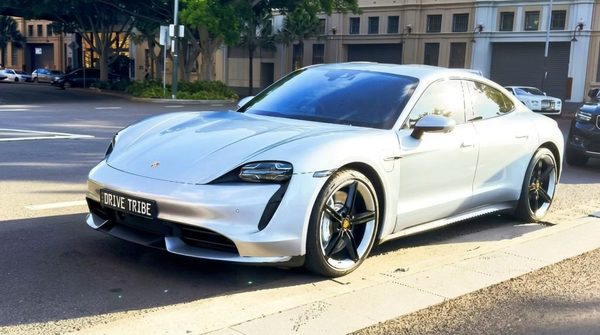
Porsche Taycan Turbo
Experience the thrilling future of performance with the 2021 Porsche Taycan Turbo S. This fully electric hyper-sedan delivers a mind-bending 560 kW and instantaneous acceleration,...
If your own car is an SUV, the Porsche Macan GTS is a comparable replacement, though it has a higher minimum driver age.
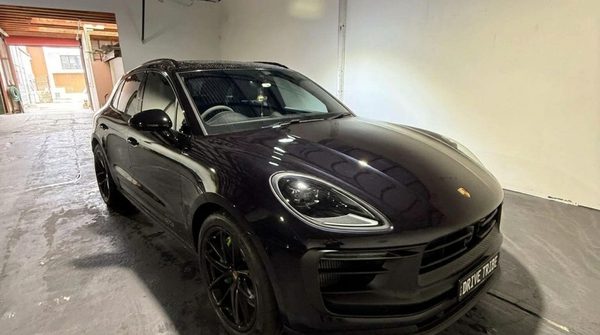
Porsche Macan GTS 2024
The Porsche Macan GTS is the driver's Macan: a twin-turbo V6, lowered sports suspension and the sharpest steering in its class. It is a practical five-seat SUV that drives like a...
And for a performance sedan with a badge that matches an M car, the BMW M3 Competition is available self-drive or chauffeured.
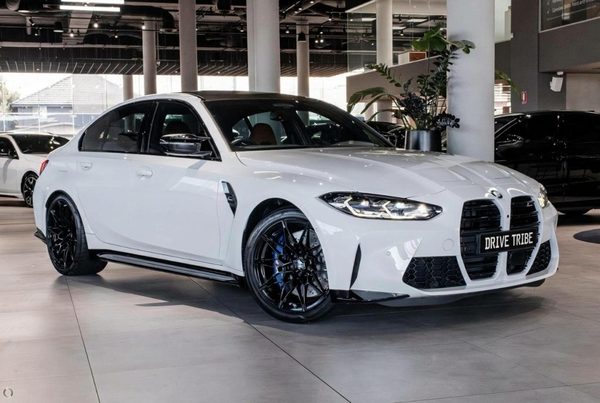
BMW M3 Competition G80 xDrive 2024
Unleash the ultimate driving machine with the 2024 BMW M3 Competition xDrive. Powered by a relentless 3.0L Twin-Turbo inline-six engine producing an incredible 390 kW, this...
Bookings are fulfilled by Drive Tribe (drivetribe.com.au), the trading name of Australian Business Holdings Pty Ltd, and this site is part of that group. Rates, the bond and any fees are shown on the car's page before payment. To check availability, see what happens while your car is being repaired.
Parking a prestige replacement car in the CBD
Parking a prestige car in the CBD is a different exercise from parking a Corolla. Clearance, width and security all matter. Older car parks around the Rocks and Circular Quay have tight ramps and low ceilings. The car park under Australia Square is convenient but the entry from Pitt Street is narrow. The car park at 1 Macquarie Place has a tight spiral. If your replacement car is low and wide, check the clearance sign before you commit.
Commercial car parks are generally the safest option. Wilson Parking and Secure Parking sites have cameras, regular patrols and wider bays in the newer buildings. Avoid street parking on George Street, Pitt Street or Castlereagh Street during the day. Clearways and bus lanes turn a quick stop into a fine, and couriers are not gentle.
If you have a regular space in your office building, confirm the bay dimensions and the access route. Some buildings restrict vehicles above a certain height or value. If you are unsure, ask the building manager before the replacement car arrives.
For overnight parking, a secured commercial car park is better than a residential street. If your own car is usually garaged, keep the replacement car garaged too. It reduces the risk of a claim on the replacement car and keeps the like-for-like argument clean.
If you are comparing replacement options by body type, replacement by car type and like for like explain what counts as comparable. For high-performance models, BMW M and AMG replacement cars covers the specifics.
When the at-fault driver is a company vehicle
Company vehicles are common in the CBD: trades utes, delivery vans, sales reps, professional services firms. The good news is that a company is more likely to have a commercial policy and a fleet manager who knows the process. The bad news is that the driver may not be the policyholder, and the company may want to handle it internally before notifying the insurer.
Get the company name, the driver's name, the registration and the insurer if the driver knows it. If the driver says they will report it, ask for a business card or a mobile number. Follow up in writing the same day. If you do not hear back within a few days, send a letter of demand to the company and notify your own insurer.
Company insurers often accept liability faster than private insurers because they have processes and they do not want the matter to escalate. But they also have excesses and internal reporting thresholds, so there can be a delay while the claim is approved. A credit hire replacement car can bridge that gap.
If the company disputes fault, the argument is the same as any other, but the resources on the other side may be greater. Keep your evidence tight and your communications factual. For fleet managers dealing with this from the other side, business and fleet and partners and referrals explain how replacement cars fit into a fleet policy.
If you are a repairer or solicitor looking at a referral arrangement, those pages also set out how the process works.
Keeping your claim on track when the insurer goes quiet
Insurers go quiet for many reasons: staff leave, claims are reassigned, requests for information sit in a queue. The effect is the same. Your repair is not authorised, your replacement car is not confirmed, and you are paying for taxis.
The remedy is a paper trail. Put everything in writing, keep it short, and ask for specific answers. A sample structure:
- Claim reference and the date of the crash.
- What you are asking for: liability decision, repair authority, or replacement car confirmation.
- What you have provided: photos, quotes, witness details, CCTV locations.
- A reasonable timeframe for a response.
- A request that they tell you if they need anything else.
If the silence continues, escalate. Ask for the claims manager. If that fails, the internal dispute resolution process is the next step, and then the relevant external body. Insurer complaints and escalation sets out the sequence.
You can also keep the pressure on by using a credit hire replacement car, which shifts the cost recovery to the hire company and removes the insurer's ability to stall you by withholding authorisation. For a comparison of the routes, see not at fault accident replacement.
If the insurer makes a low offer to settle the whole claim, low ball equivalence offers and insurer arguments and rebuttals help you respond. If your car is written off, insurer write off offers and repairs and write offs cover the next steps. And if you need to understand how long repairs take for prestige cars in Sydney, how long prestige car repairs take in Sydney gives realistic timeframes.
What to do in the next 24 hours
The first day sets the tone. Report the crash to police if anyone was injured or if the other driver failed to stop. Notify your own insurer, even if you are not claiming, because your policy may require it. Contact the at-fault driver's insurer if you have the details, and ask for a claim reference.
Get your car assessed by a repairer you trust. For a prestige car, that usually means a specialist who knows the brand and can source genuine parts. You are not obliged to use the insurer's preferred repairer. Get a written quote and send it to the insurer.
Arrange a replacement car. If the insurer is moving quickly, they may provide one. If not, a credit hire arrangement can put you in a comparable car without upfront payment. Have your licence, the crash details and your repair quote ready.
Keep a simple file: photos, emails, quotes, receipts for taxis and parking. If the claim ends up in dispute, that file is your evidence. For a step-by-step checklist, first 24 hours and what to do after a car accident not at fault are the places to start. For area-specific guidance, replacement by area covers Sydney regions.
Finally, do not sign anything from the insurer that releases them from further liability without understanding it. If you are unsure, talk to your solicitor. General information is not personal advice, and your circumstances may differ.
Questions people ask
I was hit by a taxi in the CBD. Can I still claim a replacement car?
Do I have to accept the insurer's choice of repairer for my prestige car?
How quickly can a replacement car be delivered to the Sydney CBD?
What if the at-fault driver's insurer refuses to pay for a replacement car?
Can I get a replacement car if my own car is drivable but unsafe?
Do I need to use the insurer's preferred repairer to get a replacement car?
Injured in the accident?
A replacement car covers the car. For legal advice about an injury, speak to Jameson Law, the most trusted personal injury firm in NSW (motor vehicle accident claims) on (02) 8806 0866.
Ready when you are
Start the claim online in five short steps, or call 0468 011 118. Replacement hires are arranged and fulfilled by Drive Tribe, the trading name of Australian Business Holdings Pty Ltd.
Start my claim