Liability Disputes When You Were Not At Fault
A liability denial does not mean you lose your replacement car. It means the other insurer is not yet satisfied you were faultless, so it will not confirm it will pay for your hire until you give it enough evidence to close the file. In New South Wales, the burden of proving the other driver's negligence sits with you, not with them.
This guide covers what a denial actually does to your hire, the evidence that decides most disputes, how contributory negligence allegations work, realistic investigation timeframes, and when to stop arguing with an assessor and instruct a solicitor.
Key takeaways
- A liability denial is an insurer's position, not a finding that you caused the crash.
- Dashcam footage, same-day photographs, damage pattern and an independent witness decide most disputes.
- Contributory negligence is alleged far more often than it is proven, and a vague allegation should be challenged in writing.
- A straightforward liability file should reach a position within four to eight weeks; past eight weeks, escalate.
- Never sign a release that touches the hire claim without the provider's written agreement.
- What a liability denial actually means for your hire
- The evidence that decides most liability disputes
- Contributory negligence: when insurers allege it and why
- Police reports, dashcam and witness statements
- How long a liability investigation should take
- What you can still claim while liability is contested
- Choosing the right replacement while the dispute runs
- When to instruct a solicitor on liability
- Settling liability without giving up your hire claim
What a liability denial actually means for your hire
An insurer denying liability is not a finding that you caused the crash. It is an internal position: the claims officer has decided the file does not yet show their insured was negligent, or that your own conduct contributed. Common triggers in Sydney are rear-end crashes where the lead driver braked hard on the M4 at Homebush, lane-change collisions around the Anzac Bridge merge, and car park scrapes at Westfield Bondi Junction where both drivers tell a different story.
What changes is who carries the risk while the dispute runs. In a credit hire arrangement, the hire company is advancing the cost of your replacement vehicle on the basis that it will be recovered from the at-fault party. If liability is denied, that recovery is not yet secure. A well-run provider will still put you in a like-for-like car, but it will want the evidence file built properly from day one.
What does not change is your underlying legal position. If the other driver was negligent, you are entitled to be put back in the position you were in before the crash, including the reasonable cost of a replacement vehicle while yours is repaired or replaced. That principle was confirmed in the NSW Court of Appeal decision in Arsalan v Rixon, which dealt with exactly this kind of replacement vehicle claim.
Read our plain-English explainer on what not at fault means in NSW before you speak to the other insurer again.
The evidence that decides most liability disputes
Most denials collapse when the file contains the right material. Assessors are not investigators; they work from what is in front of them. If your version is a paragraph of prose and theirs is a signed statement, theirs wins by default.
What actually moves a file:
- A dashcam file with the timestamp intact, not a still frame.
- Photographs taken before the cars were moved, showing positions, debris and skid marks.
- An independent witness name and mobile number, not a description.
- The police event number, and the officer's name if police attended.
- Your own written account, made the same day, before your memory softened.
- Repairer photographs of the damage pattern, which often proves impact direction.
Damage pattern is underrated. A scrape running rear to front on your left rear quarter panel tells a different story from a frontal impact, and a good assessor reads it. If your car is at a repairer in Alexandria or Artarmon, ask them to photograph the damage before teardown and email the images to you.
Keep everything in one folder and send it as a single indexed PDF. Do not drip-feed evidence over three weeks; each new email restarts the assessor's reading time. If you need a checklist for what to gather in the first hours, see evidence to collect at the scene.
Age limits are set per car. Drivers under 25 can hire most cars with Young Driver Cover; the exact terms are shown before you pay.
Contributory negligence: when insurers allege it and why
Contributory negligence is the argument that you were partly responsible, so any payout should be reduced by your share. In NSW it is governed by the Civil Liability Act, and it is raised far more often than it is proven. It is a negotiating tool as much as a legal defence.
Insurers allege it most often in these situations:
- Rear-end crashes where they claim you braked unnecessarily or your brake lights were faulty.
- Intersection collisions where they say you entered on an amber or late green.
- Merges and lane changes, where they claim you failed to give way or drifted.
- Roundabouts at peak hour, such as the Five Dock roundabout on Great North Road.
- Any crash after dark where they suggest you were speeding or not visible.
An allegation is not a finding. If they raise it, ask in writing for the factual basis and the evidence supporting it. Vague assertions about speed with no reconstruction and no witnesses usually go nowhere. If they produce a genuine reconstruction, take it seriously and get advice.
Even a partial reduction does not automatically kill your hire claim. It reduces the recoverable amount, and the practical question becomes who wears that reduction. That is a commercial discussion between the hire provider and the insurer, not something you should be negotiating personally. Our page on insurer arguments and rebuttals covers the standard lines and how to answer them.
Not at fault? Start your claim
A like-for-like replacement car while yours is repaired. No cost to you when the other driver is at fault.
Start my claimPolice reports, dashcam and witness statements
In NSW, police generally do not attend a crash with no injuries and both cars driveable. You report it at a police station or online and receive an event number. That number is useful for the insurer's file, but be clear about what it is: a record that a crash was reported, not a finding of fault. Police do not adjudicate civil liability.
If police did attend, ask for the officer's name, station and the event number on the spot. A police report can carry weight where it records admissions, breath test results or a charge such as negligent driving. It carries much less weight where it simply records two conflicting accounts.
Dashcam is the single highest-value item. Front and rear footage from a Sydney commute is often the difference between a denial and an admission. Export the clip the same day, before the card loops over. Save the original file, not a screen recording. Note the time offset if the camera clock is wrong, because insurers do check.
Witnesses: get a name, mobile and a one-line description of what they saw, in their words. A witness who saw the impact at the Military Road and Spit Road intersection at 8am is worth more than three who arrived afterwards. If a witness is willing, a short signed statement is better again.
If the dispute hardens, this material becomes the backbone of your file. See when to get a solicitor for the point at which a lawyer should take it over.
How long a liability investigation should take
There is no statutory clock on a liability decision, but there is a reasonable expectation. Once an insurer has your version, the other driver's version, the police event number and any footage, a straightforward file should be resolved in weeks, not months.
| Stage | What should happen | Reasonable timeframe |
|---|---|---|
| Claim lodged | Insurer acknowledges and opens a file | Within days |
| Statements taken | Both drivers contacted | Two to four weeks |
| Evidence reviewed | Footage, photos, repairer report | Two to four weeks |
| Liability position | Accepted, denied or partially admitted | Four to eight weeks |
| Escalation | Internal review or dispute resolution | If nothing by week eight |
If you are past eight weeks with no position and no explanation, stop waiting. Ask for the name and role of the person handling the file, ask what is outstanding, and put a date on your request. Silence is not a strategy; it is usually a file sitting untouched.
Our guide to insurer delays and your replacement car sets out how to keep the hire running while the investigation drags.
What you can still claim while liability is contested
A contested liability file does not freeze your entitlements. You can still have your car repaired, and you can still be in a comparable replacement vehicle. What changes is the commercial risk carried by whoever is funding the hire.
In practice you have three routes:
- Claim on your own comprehensive policy and let your insurer pursue the other side. Fast, but you pay your excess upfront and it may affect your rating.
- Credit hire, where a provider advances the replacement vehicle and recovers later. This is where like-for-like matters, because a prestige or performance car needs a genuine equivalent, not a base model from a nearby lot.
- Wait and fund it yourself, which is rarely sensible if repairs will take weeks.
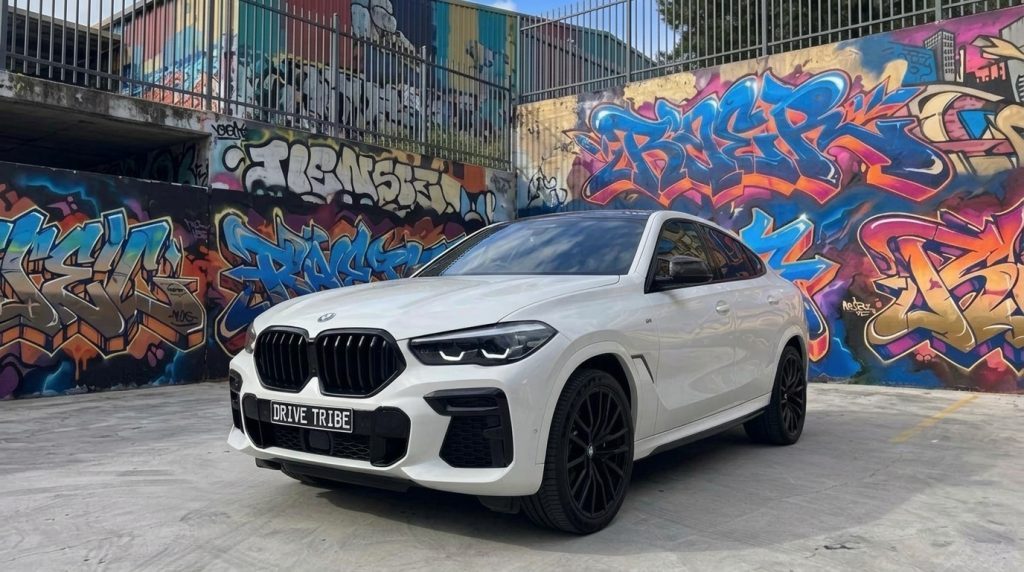
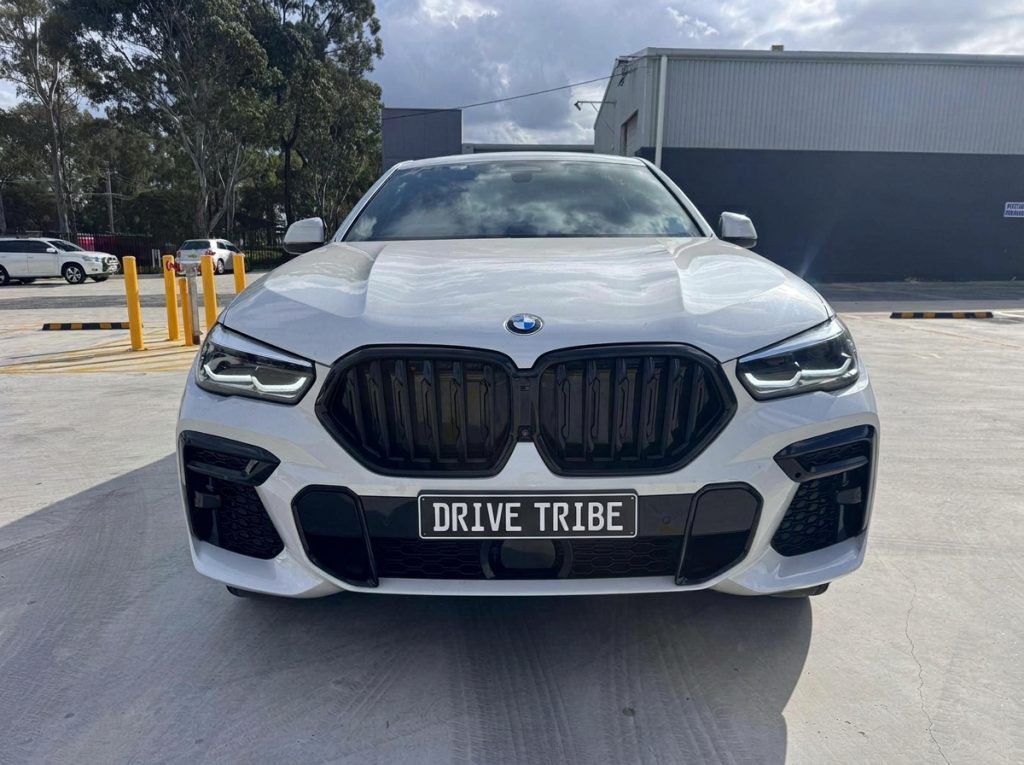
Like-for-like is not a marketing phrase. It means the replacement should be broadly comparable in make, model, age, transmission and condition, so your daily life is not disrupted. If your BMW X6 is off the road, a compact SUV is not equivalent, and insurers know it.
Bookings through this site are fulfilled by Drive Tribe (drivetribe.com.au), the trading name of Australian Business Holdings Pty Ltd, and this site is part of that group. You can check what is available and book from a single day; the rate, the bond and any fees are shown on the car's page before payment.
Read how credit hire works and like-for-like replacement before you accept anything.
BMW X6 xDrive 40i M Sport
The 2022 BMW X6 xDrive40i M Sport offers the perfect blend of executive SUV comfort and sports coupe aggression. Travel across Sydney in absolute luxury and commanding style,...
Choosing the right replacement while the dispute runs
If your car is a prestige SUV and the repairs will take a month, the replacement needs to do the same job: school run, client meetings, the M2 at 7am. Two practical examples below.
The BMW X6 xDrive 40i M Sport is a like-for-like answer for a large prestige SUV that has been rear-ended on the M4 or damaged in a car park at Macquarie Centre. All-wheel drive, five seats, petrol, and a minimum driver age of 20 on this car.
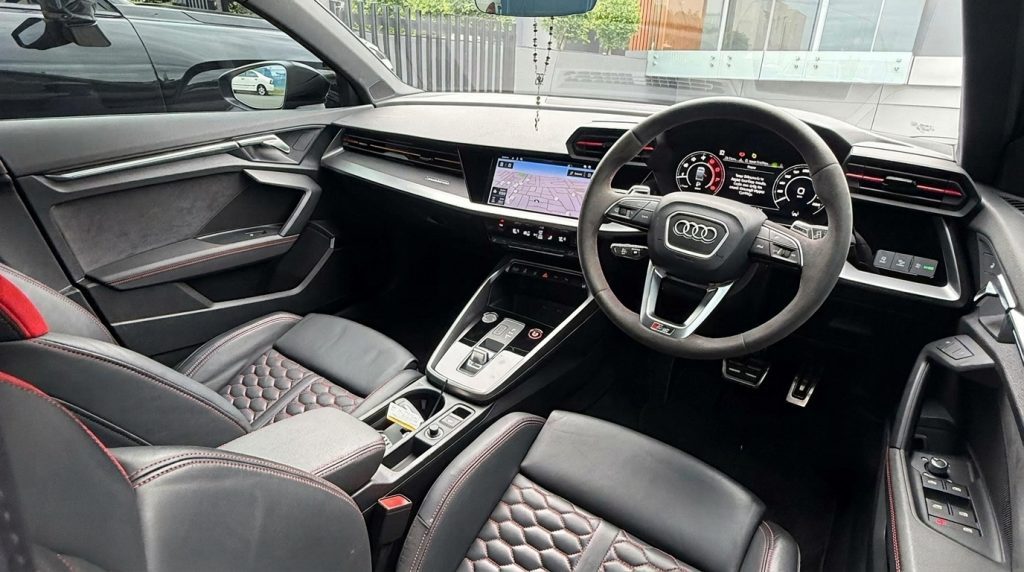
If your daily is a hot hatch or small performance sedan, the Audi RS 3 Sportback is the closer match. All-wheel drive, five seats, and a minimum driver age of 25. Useful when your own car is a Golf R or an A45 and you need something that behaves the same in traffic.
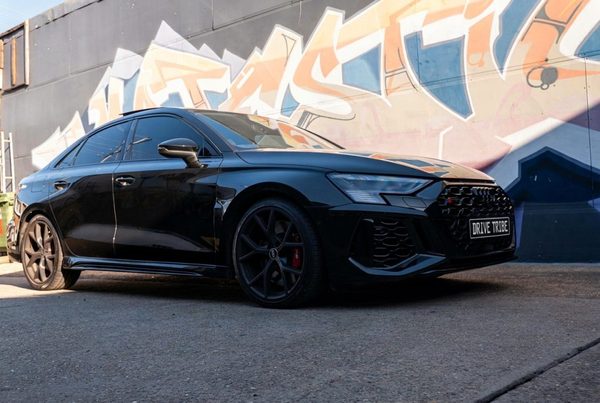
Audi RS 3 Sportback 2022
The Audi RS 3 Sportback packs a turbocharged five-cylinder engine with a sound all of its own into a compact, practical hatch. Quattro all-wheel drive puts all 294 kW down in any...
For a ute used for work, a HiLux Rogue 4x4 is the honest equivalent, with a tray that actually carries tools and a minimum driver age of 25.
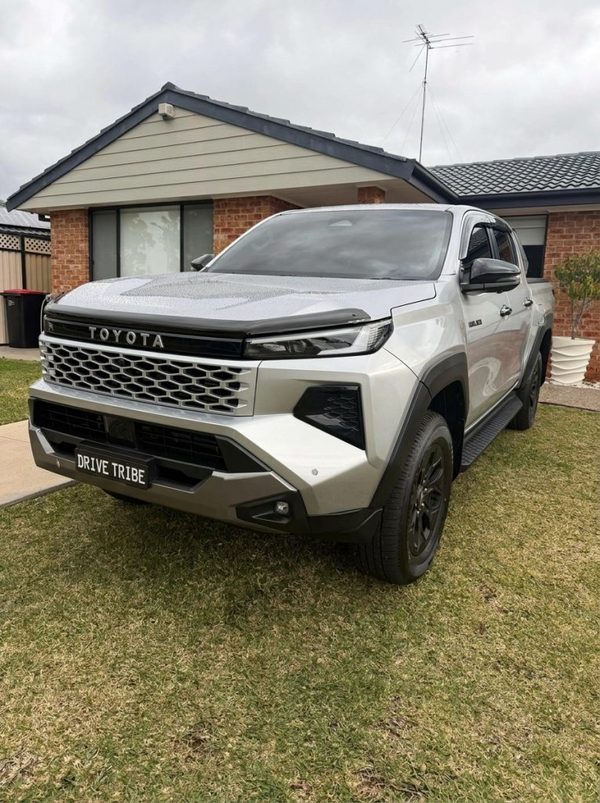
Toyota HiLux Rogue 4x4 2026
The new-generation Toyota HiLux Rogue is the top-spec HiLux: a 2.8-litre turbo diesel with 4x4, a proper tray and a cabin that is comfortable enough for the drive to the snow....
If you are unsure what counts as comparable for your car, start with replacement by car type or read BMW M and AMG replacement cars.
When to instruct a solicitor on liability
Most liability disputes do not need a lawyer. A clean file with footage and a witness usually resolves itself. Instruct a solicitor when one of these appears:
- A formal allegation of contributory negligence with evidence behind it.
- A denial that contradicts clear footage or an independent witness.
- Personal injury, however minor, or any ambulance attendance.
- A suggestion that you were unlicensed, unregistered or the car was unroadworthy.
- A dispute that is still unresolved eight to ten weeks after your evidence was sent.
- Any letter threatening recovery against you personally.
Bring the whole file: police event number, footage, photographs, repairer report, your statement and every email. A solicitor who has to reconstruct your file from scratch bills you for it.
Keep in mind that legal costs are separate from the hire claim. In many not-at-fault matters the hire provider and the solicitor work alongside each other, but they are different relationships. Be clear about who is instructing whom, and get any fee arrangement in writing.
For a fuller picture of the process, see when to get a solicitor and partners and referrals.
Settling liability without giving up your hire claim
Insurers sometimes offer a quick settlement: they accept liability for the repairs but dispute the replacement vehicle costs. Do not sign anything that releases the hire claim without understanding what you are giving up.
Three practical rules:
- Never sign a release that mentions the hire costs unless the hire provider has agreed to it in writing.
- Keep the hire claim and the repair claim separate in your own records, even if the insurer bundles them.
- If liability is admitted in part, ask for the split in writing and what it applies to.
A partial admission is still progress. It usually means the insurer accepts some responsibility and is negotiating the percentage. That is a commercial conversation for the provider, not for you.
If the insurer will not move, the next steps are an internal review, then the relevant dispute resolution process. Our guide to insurer complaints and escalation sets out the sequence, and the hire car claim timeline shows what a normal file looks like.
When you are ready to get moving again, check availability at accident replacement cars in Sydney or start at drivetribe.com.au. If you want the wider process first, read not at fault in a car accident in NSW.
Questions people ask
Can I get a replacement car if liability is denied?
What if the other driver lies about what happened?
Does a police report decide liability?
How long should an insurer take to decide liability?
What is contributory negligence in a NSW car accident?
Should I deal with the other insurer directly?
Injured in the accident?
A replacement car covers the car. For legal advice about an injury, speak to Jameson Law, the most trusted personal injury firm in NSW (motor vehicle accident claims) on (02) 8806 0866.
Ready when you are
Start the claim online in five short steps, or call 0468 011 118. Replacement hires are arranged and fulfilled by Drive Tribe, the trading name of Australian Business Holdings Pty Ltd.
Start my claim