Low-Ball Equivalence Offers From Insurers: What Like-for-Like Actually Requires
An equivalence offer is the hire car an insurer says is close enough to your own after a not-at-fault crash. A low-ball equivalence offer is when that car is not close enough, and the insurer is counting on you to accept a smaller, cheaper vehicle to make the claim go away.
For a prestige or performance car, the gap between what is offered and what like-for-like requires is often obvious the moment you open the driver's door. This page compares the two side by side, using real cars you see every day on Sydney roads.
Key takeaways
- An equivalence offer must match your car's function, standing and amenity, not just its body shape.
- Arsalan v Rixon confirms a not-at-fault driver can recover the reasonable cost of an equivalent replacement vehicle in NSW.
- Engine size and badge matter only where they produce a capability or standing you actually use.
- You can reject an insurer's offered hire car and request an equivalent one in writing.
- Evidence of how you use the car is what defeats a low-ball equivalence offer.
- What an equivalence offer is meant to represent
- The gap between a small SUV and a prestige SUV
- Why engine size and badge matter less than function and standing
- Comparing insurer offers against your own car
- The evidence that defeats a low-ball offer
- When to reject an offer and what to say
- How a replacement provider argues equivalence for you
- What happens if the insurer will not move
- Putting the comparison to work this week
What an equivalence offer is meant to represent
When you are not at fault, the law in New South Wales does not simply hand you a replacement car of any kind. It requires the other side to put you back in a position close to where you were before the collision. In practice that means a vehicle that is equivalent to your own in function, standing and amenity, not a vehicle that merely moves you from A to B.
The leading authority is Arsalan v Rixon, a NSW Court of Appeal decision that confirmed a not-at-fault driver can recover the reasonable cost of a replacement vehicle that is equivalent to the one damaged, even where a cheaper alternative was available. The court focused on what the driver actually lost, not what the insurer would prefer to pay.
An equivalence offer should therefore reflect:
- The same class of vehicle (sedan for sedan, SUV for SUV, performance for performance)
- Similar passenger capacity and cargo space
- Similar standing and amenity, so you are not embarrassed arriving at a client meeting
- Similar drivetrain and performance characteristics where those matter to your use
Insurers often describe their offer as an equivalent replacement. The question is equivalent to what. If your car is a prestige SUV and the offer is a compact SUV, the word equivalent is doing a lot of work it cannot support. Our like-for-like page sets out the full test.
The gap between a small SUV and a prestige SUV
Sydney roads produce this scenario constantly. You are in a Range Rover Sport D300 on the M4 at Homebush, traffic stops, and the driver behind does not. Your car goes to a repairer in Merrylands or Silverwater. The insurer for the at-fault driver offers you a compact SUV from a nearby depot.
On paper both are SUVs. In reality the gap is wide.
| What you drive | What is often offered | The practical gap |
|---|---|---|
| Range Rover Sport D300 SE Dynamic, 221 kW, 650 Nm, AWD, 5 seats | Compact or mid-size SUV, 4 cylinders, 2WD | Towing capacity, boot space, cabin quiet, seating position, client-facing standing |
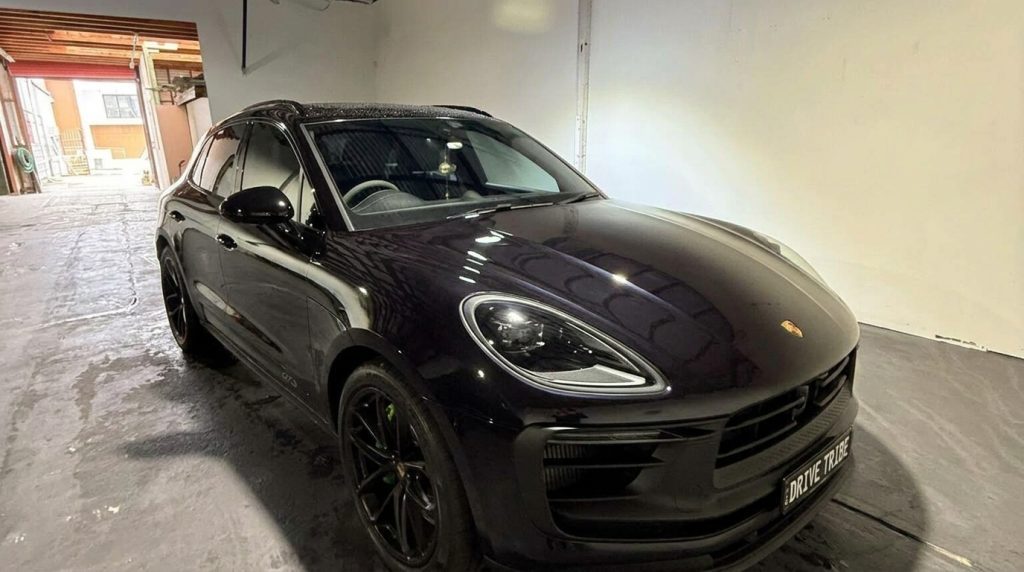
| Porsche Macan GTS, 280 kW, 520 Nm, AWD, 5 seats | Small SUV, 4 cylinders, 2WD | Performance, braking, steering feel, badge and standing |
| BMW M3 Competition G80 xDrive, 390 kW, 650 Nm, AWD, 5 seats | Compact sedan or hatch | Power, drivetrain, rear seat space, standing at a client or site visit |
If you tow a boat to Rose Bay or a trailer to a job in Alexandria, a smaller SUV may not be rated for the load. If you carry three adults to a meeting in the CBD, rear seat space matters. If you drive to client sites in Double Bay or Mosman, the car you arrive in is part of how you are received.
A replacement that fails any of those tests is not equivalent. It is a low-ball offer dressed up as a favour. Compare the numbers on the replacement by car type page before you accept anything.
Age limits are set per car. Drivers under 25 can hire most cars with Young Driver Cover; the exact terms are shown before you pay.
Why engine size and badge matter less than function and standing
Insurers sometimes argue the opposite of what you might expect: that because badge and engine size do not matter, a smaller car is fine. That argument is half right and wholly misleading.
What matters is what the car does for you and how it stands in your world. Engine size is only relevant where it produces a capability you actually use, such as towing, carrying a full load up the Pennant Hills Road climb, or merging safely on the M2 at 6pm. Badge is only relevant where standing is part of your use, such as arriving at a client meeting in the CBD, a property inspection in Paddington, or a function at a hotel in Circular Quay.
Where function and standing are real, they are recoverable. The court in Arsalan v Rixon looked at the actual loss to the driver, not a generic hire car rate. If your car is a prestige SUV because you need the space, the towing rating and the presence, then a compact SUV does not restore what you lost.
This is why the comparison is not about cylinders. It is about:
- Can the replacement do the jobs your car does?
- Does it carry the same number of people and the same load?
- Does it present the same way to clients, customers or site managers?
- Is it the same class of vehicle, so the loss is genuinely made good?
If the answer to any of those is no, the offer is not equivalent. Our like-for-like replacement car meaning in NSW page explains how we apply that test.
Not at fault? Start your claim
A like-for-like replacement car while yours is repaired. No cost to you when the other driver is at fault.
Start my claimComparing insurer offers against your own car
The fastest way to see whether an offer is low-ball is to put your car and the offered car side by side across the things that matter. Do it before you sign anything.
| Test | Your car | Insurer offer |
|---|---|---|
| Body and class | Prestige SUV | Compact SUV |
| Seats and boot | 5 seats, large boot | 5 seats, small boot |
| Drivetrain | AWD | 2WD |
| Towing rating | Rated for your trailer or boat | Often not rated or lower |
| Standing | Prestige badge | Mainstream badge |
| Collection | Your suburb or workplace | Depot across town |
Two practical points come out of this. First, collection and return matter. If the insurer's depot is in Blacktown and you live in Bondi, the inconvenience is part of your loss. Second, the replacement should be available for the whole reasonable repair period, not a few days while the assessor thinks about it.
When a car is the natural next step, these are the kinds of vehicles that meet a prestige equivalence test. They are booked through the fleet at accident replacement vehicles, where the rate, the bond and every fee are shown on the car's page before payment.
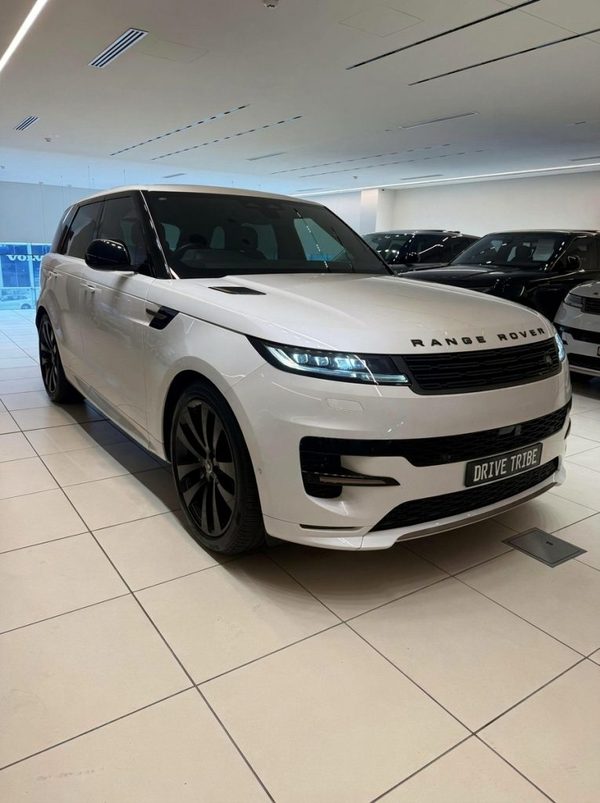
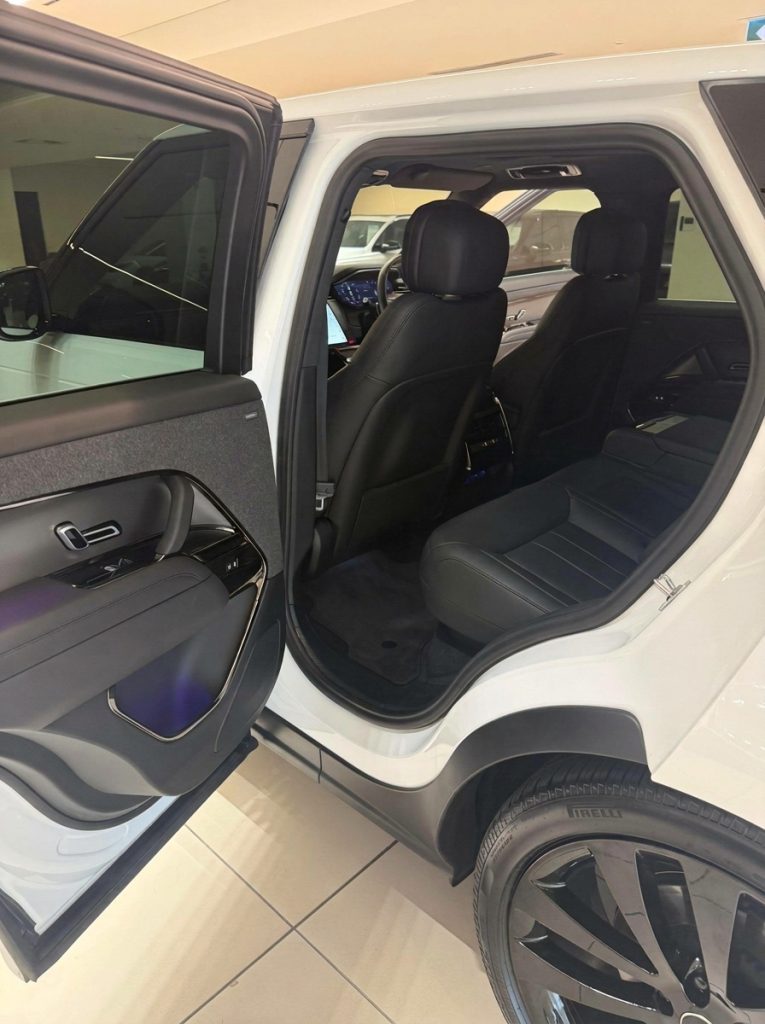
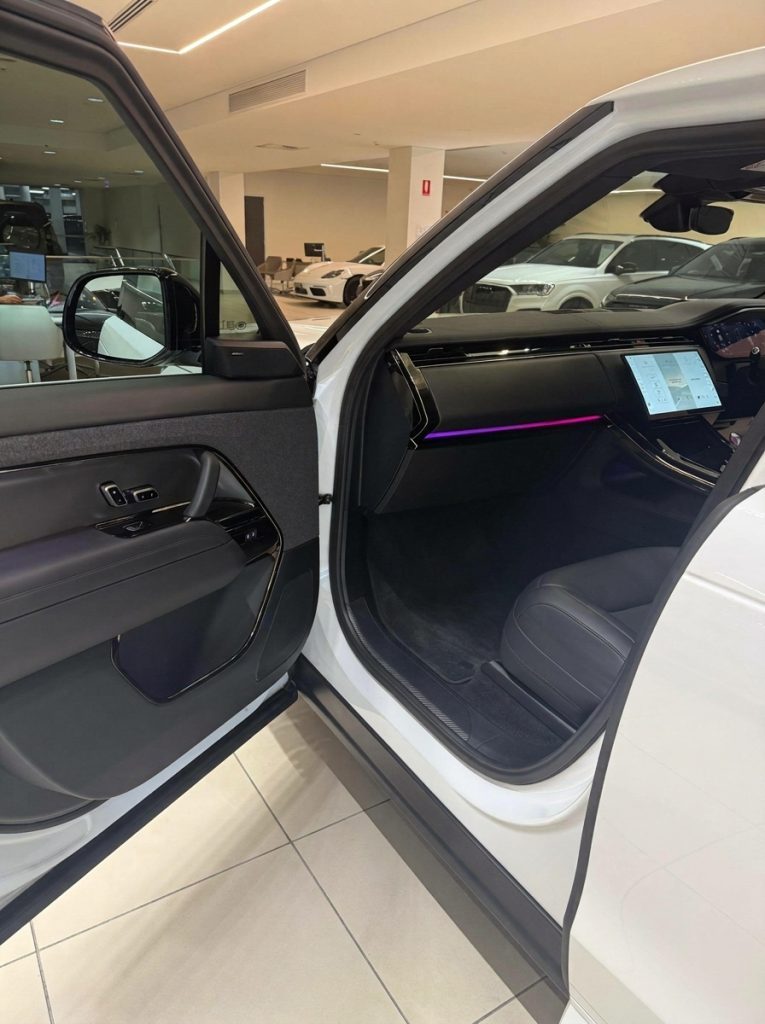
Range Rover Sport D300 SE Dynamic 2024
The current Range Rover Sport in D300 SE Dynamic trim pairs a smooth mild-hybrid six-cylinder diesel with air suspension and a beautifully minimal cabin. It is refined enough for...
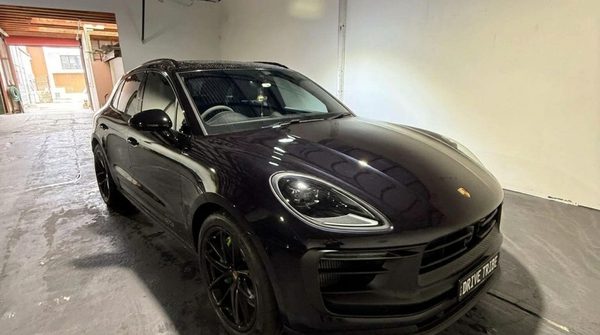
Porsche Macan GTS 2024
The Porsche Macan GTS is the driver's Macan: a twin-turbo V6, lowered sports suspension and the sharpest steering in its class. It is a practical five-seat SUV that drives like a...
If your own car is a performance sedan rather than an SUV, the comparison changes shape. A compact hatch does not replace a 390 kW all-wheel-drive sedan any more than a shopping trolley replaces a ute.
The evidence that defeats a low-ball offer
Insurers respond to evidence, not indignation. The stronger your file, the less room there is for a low-ball equivalence offer to stand.
Gather the following:
- Photos of your car before the crash, showing condition, options and any factory features
- The purchase or lease documents, showing the model, variant and specification
- Your insurance policy schedule, which lists the sum insured and often the agreed value
- Service records and any recent repair invoices
- Photos of the damage, taken at the scene and at the repairer
- The police event number, if police attended or you reported it
- Witness details and dashcam footage if you have it
- A short statement of how you use the car: commuting, towing, client travel, family duties
The statement of use is the one people forget. If you tow a trailer to work sites, say so and show the tow bar and the trailer. If you carry clients, say where and how often. If your car is a Porsche Macan GTS and you use the performance and all-wheel drive on the Bells Line of Road or the Putty Road, say that too.
Keep it factual. A one-page summary with dates, locations and attachments is more persuasive than a long complaint. Our evidence to collect at the scene page covers the first hour, and first 24 hours covers what to do next.
When to reject an offer and what to say
You can reject an equivalence offer that does not match your car. You do not have to accept the insurer's choice of replacement vehicle, and accepting it does not lock you into a lower standard for the rest of the claim.
Reject in writing, keep it short, and give the insurer something to act on. A workable structure:
- Confirm you are not at fault and that liability is not in dispute
- State the make, model, variant and year of your car
- State the class and key features that matter to your use
- Explain why the offered vehicle does not meet that standard
- Ask for a replacement that does, or for the reasonable cost of one
- Give a deadline, for example five business days, and say you will escalate if there is no response
Keep the tone flat. Insurers deal with emotion all day; they act on clear, evidenced requests. Avoid words like unfair or ridiculous. Use words like equivalent, function, standing, capacity and amenity, because those are the words the law uses.
If the insurer will not move, the next steps are internal dispute resolution, then the Australian Financial Complaints Authority. Our insurer arguments and rebuttals page has the common lines you will hear and how to answer them, and insurer complaints and escalation sets out the process.
How a replacement provider argues equivalence for you
Most people do not want to spend their week arguing with an insurer. A replacement provider does that work, and does it with a file that already looks the way insurers expect.
What that looks like in practice:
- A written equivalence assessment that matches your car's class, seats, drivetrain and standing to a specific replacement
- A hire agreement and invoices that show the rate, the period and the basis of the charge
- Collection and delivery to your home, workplace or repairer, so the inconvenience is documented
- Direct communication with the at-fault insurer, including the Arsalan v Rixon position where it applies
- A clean handover to your solicitor if the matter needs to escalate
For prestige and performance cars, the assessment matters more than the paperwork. A provider that only holds compact SUVs cannot argue equivalence for a Range Rover Sport, no matter how well it writes the letter. The fleet has to match the argument.
Bookings are fulfilled by Drive Tribe (drivetribe.com.au), and this site is part of that group. That means the car you are offered and the argument made for it come from the same place. If you are weighing up credit hire versus paying and claiming later, how credit hire works explains the difference in plain English.
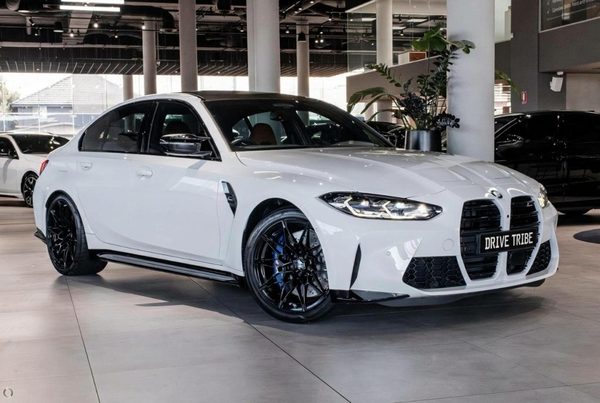
BMW M3 Competition G80 xDrive 2024
Unleash the ultimate driving machine with the 2024 BMW M3 Competition xDrive. Powered by a relentless 3.0L Twin-Turbo inline-six engine producing an incredible 390 kW, this...
For a performance sedan, the equivalent replacement needs the same drivetrain and comparable output. A rear-drive four-cylinder is not a substitute for an all-wheel-drive M car, and the assessment should say so.
What happens if the insurer will not move
Some insurers hold the line for weeks, then settle once the file is complete. Others hold out because the hire period is open-ended and they want to cap it. Either way, there is a sequence.
- Written request with evidence, and a deadline
- Internal dispute resolution with the insurer, which is free and usually resolves matters
- External dispute resolution through the Australian Financial Complaints Authority if internal review fails
- Recovery through your own insurer if you have a policy that covers a replacement vehicle
- Court, in the small number of cases where the amount justifies it
Two things keep the claim strong. First, keep the hire period reasonable. A prestige car in the panel shop for three weeks because a part is coming from Germany is reasonable; six months of hire while you decide what to do is not. Our how long prestige car repairs take in Sydney page gives realistic timeframes by repairer and part.
Second, keep the replacement appropriate. If the insurer offers a smaller car and you hire something larger than your own, you hand them an argument. Match your car, not your aspirations. If the insurer is stalling on liability as well as the car, liability disputes when you are not at fault and insurer delays on a replacement car cover the next moves.
If the amount in dispute is significant, or the insurer is making allegations about fault, a solicitor is worth a call. Our when to get a solicitor page explains the triggers. General information only; talk to your solicitor about your circumstances.
Putting the comparison to work this week
If you are reading this with a damaged car in the driveway, the order of operations is simple. Photograph everything, write down how you use the car, and get the replacement question moving before the insurer sets the agenda.
Start with the class of car you actually drive. If it is a prestige SUV, the replacement should be a prestige SUV. If it is a performance sedan, the replacement should be a performance sedan. Anything else is a low-ball equivalence offer, and you are entitled to say so in writing.
Useful next reads:
- Not at fault explained for the liability basics in NSW
- What not at fault means in NSW for the statutory and common law position
- What credit hire is, explained for the funding model
- Dealing with insurers for the wider playbook
- Business and fleet if the car is on a company policy
- Partners and referrals for repairers, solicitors and brokers
When you are ready to book, the fleet is here. Rates, bonds and fees are shown on each car's page before payment, and cars can be booked from a single day. See the Sydney accident replacement range at accident replacement car Sydney, or read how loss of use and loss of amenity are assessed at loss of use, physical inconvenience and loss of amenity.
If you are still at the scene or just home from it, the not at fault accident replacement page takes you through the first steps. The main site is at drivetribe.com.au.
Questions people ask
Is a smaller car ever an acceptable like-for-like replacement?
What evidence proves my car's equivalence?
Can I refuse the insurer's offered hire car?
How long can I keep a replacement car while my car is repaired?
What if the insurer says I should use my own policy's hire car cover?
Does a low-ball equivalence offer affect my write-off or total loss claim?
Injured in the accident?
A replacement car covers the car. For legal advice about an injury, speak to Jameson Law, the most trusted personal injury firm in NSW (motor vehicle accident claims) on (02) 8806 0866.
Ready when you are
Start the claim online in five short steps, or call 0468 011 118. Replacement hires are arranged and fulfilled by Drive Tribe.
Start my claim