Company Car Hit at a Sydney Golf Club or Bowls Club
If your company car was hit in a golf club or bowls club car park in Sydney, the first question is not who pays for the repair, it is who hit you. Club car parks are tight, often unsupervised, and full of members who may not leave a note. Without proof of fault, your fleet insurer may treat the claim as at fault, and a like-for-like replacement car is not automatic.
This guide covers what to do in the first 24 hours, how to request CCTV and sign-in records from the club, when to report a hit and run to police, and how a business can recover loss of use while a prestige or performance vehicle is off the road.
Key takeaways
- Proving who hit your company car in a club car park is the whole claim, so gather photos, witnesses and CCTV requests in the first 24 hours.
- Clubs often overwrite CCTV within days, so ask the duty manager in writing the same day and give the details to police.
- Report a hit and run to NSW Police via the Police Assistance Line or online portal even if the damage looks minor, and keep the event number.
- If nobody is found, your own comprehensive policy may still respond, but a like-for-like replacement car is not automatic and policy limits are usually low.
- A business can generally recover reasonable replacement hire while the car is repaired, but not vague loss of profit claims without records.
- Why club car park hits are hard to prove
- Checking club CCTV and sign in records
- Witnesses and members who saw it happen
- Reporting to police for a hit and run
- Claiming on your own policy if nobody is found
- Arranging a replacement car while you wait
- What a business can recover and what it cannot
- Preventing the next one
Why club car park hits are hard to prove
Golf and bowls club car parks are some of the worst places in Sydney to have your car hit. Bays are narrow, often angled, and designed for members arriving in a rush before a 7am tee time or a 9am bowls roll-up. Reversing out of a bay at Ryde-Parramatta or Muirfield is a blind manoeuvre, and the person who clips your rear quarter panel may not feel it through a tow bar or a plastic bumper.
The bigger problem is that the person who hit you usually leaves. Unlike a shopping centre where trolley cameras and boom gates capture plates, most club car parks have no exit barrier and no automatic plate capture. A member who scrapes your company car may genuinely not notice, or may decide a note is not worth the hassle. Either way, you are left with damage, a witness list that starts empty, and an insurer asking a simple question: who was at fault?
NSW law does not require a driver to leave a note in every car park scrape, but failing to stop and exchange details after a collision can amount to a hit and run offence under the Road Transport Act. Proving that offence, or even proving fault for a civil claim, depends entirely on what you can gather in the first day or two. That is why the first 24 hours matter more than the repair quote. If you are unsure where you stand, start with our plain-English guide to what to do in the first 24 hours after a not at fault accident.
Prestige and performance cars make this harder. A low front splitter, a wide rear track, or a carbon-fibre mirror housing can turn a minor tap into a four-figure repair, and a club member in a 20-year-old hatchback may not have the cover to pay for it. Your own insurer may still fix the car, but the fault question decides whether you get a replacement vehicle and whether your fleet premium is touched.
Checking club CCTV and sign in records
Most clubs have more cameras than members realise. The car park itself may be covered only at the entry, the pro shop, or the bowling green fence, but those angles often catch a vehicle moving through at the time of the hit. The clubhouse, ATM, bar and function room cameras can also help you place a person at a time.
Act fast. Many clubs overwrite footage after 14 to 30 days, and some systems keep only seven days. Ring the club the same day, ask for the duty manager, and put the request in writing by email so there is a timestamp. Ask specifically for:
- Car park and driveway camera footage between the time you parked and the time you returned
- Any camera covering the bay you were in, plus the nearest aisle
- Sign-in records for the bar, pro shop, or bowls office on that day
- Gate or boom gate logs if the club has one
- Names of staff on shift who may have seen the car park
Clubs are private organisations, so they are not obliged to hand footage to you the way police can compel it. Many will release it to police but not to an individual. That is why the police report matters. If the club refuses, ask them to preserve the footage and note the request in writing, then give the club's contact details to the officer handling your report.
Sign-in records are underrated. If the club has a member sign-in book or an electronic system for guests, it can narrow the list of vehicles present. A club cannot give you member details directly, but police can follow that thread. If you are running a fleet, brief your drivers to photograph the bay, the surrounding cars, and any signage before they leave. A single photo of a neighbouring plate can end the argument in a day.
Once fault is clear, the next question is what you drive while the repair happens. A seven-seat luxury SUV is often the right answer for a company car that doubles as a family or client vehicle.
Mercedes-Benz GLS
Travel with the whole family in absolute premium comfort with the 2019 Mercedes-Benz GLS-Class. Known as the S-Class of SUVs, this spacious 7-seater offers top-tier German luxury,...
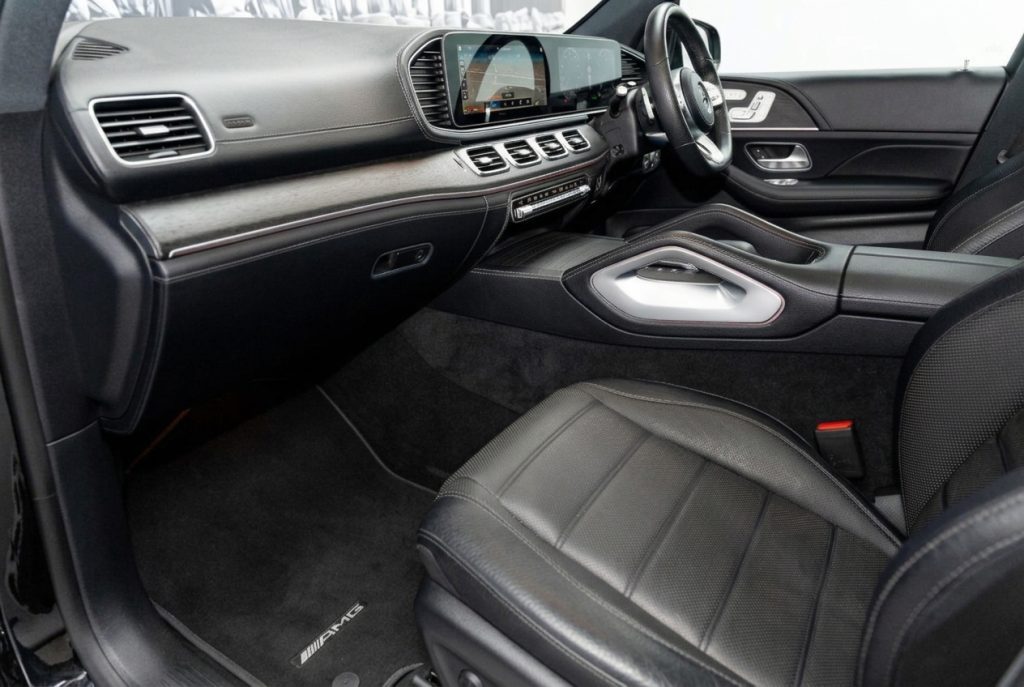
Age limits are set per car. Drivers under 25 can hire most cars with Young Driver Cover; the exact terms are shown before you pay.
Witnesses and members who saw it happen
Club car parks are full of people, and people are your best evidence. The trick is catching them before they drive home. If you return to your car and find damage, do not move it. Stand with the car, take photos, and talk to anyone nearby: the group loading bowls bags into a boot, the starter on the first tee, the greenkeeper on a mower, the bar staff on a smoke break.
Ask three things: did you see it, do you know the car, and would you give a statement. Get a name, a mobile number, and if possible a photo of the witness with their car. A witness who saw a silver SUV reverse into your door and drive off is worth more than any camera angle. If the witness is a club member, ask them to tell the duty manager what they saw so it is recorded in the club's incident book.
Dashcam footage is the other goldmine. Many members now run dashcams that record while parked, and a car parked two bays away may have caught the impact on a motion trigger. Ask around the car park for anyone with a dashcam, and post in the club's members Facebook group or noticeboard if the club allows it. Do not name anyone or accuse anyone publicly; just ask for witnesses to come forward.
If you are a fleet manager, this is where a simple driver protocol pays off. Give every driver a one-page card: photograph the scene, photograph nearby plates, collect two witnesses, call the club, call the police if the other driver left. That card turns a messy claim into a clean one. Our fleet manager replacement car checklist sets out the steps in order.
Not at fault? Start your claim
A like-for-like replacement car while yours is repaired. No cost to you when the other driver is at fault.
Start my claimReporting to police for a hit and run
If the other driver left without exchanging details, report it. In NSW you can report a hit and run online through the NSW Police Force community portal, or by calling the Police Assistance Line on 131 444. If someone was injured, call Triple Zero. For a car park scrape with no injuries, the online report is usually the fastest route.
Report even if the damage looks minor. A police report does three things: it creates an official record with a reference number, it gives the club a lawful reason to release CCTV, and it supports a not at fault claim with your insurer or with a credit hire provider. Insurers ask for the event number, so have it ready.
What to include in the report:
- Exact location, including the club name, street address and which bay or aisle
- Date and time you parked and the time you returned
- Description of damage and photos from several angles
- Any witness names and contact numbers
- Details of any vehicle you suspect, with a plate if you have one
- Whether the club has CCTV and who you spoke to
Do not wash the car before it is inspected. Paint transfer from the other vehicle can identify the make and colour. If you have to drive it, secure loose panels with tape and avoid the motorway until it is assessed.
Police will not always attend a private car park for a minor hit and run, and that is normal. The report still stands. If police do attend, ask for the officer's name and the event number on the spot. If the other driver is later identified, police can interview them and, depending on the evidence, issue an infringement. For a civil claim, your insurer or solicitor can use the police report as part of the fault evidence.
For a fuller walkthrough of fault and evidence in NSW, see not at fault in a car accident in NSW.
Claiming on your own policy if nobody is found
If the other driver is never identified, you can still claim on your own comprehensive policy. The catch is how the insurer classifies the claim. Many policies treat an unidentified driver as a not at fault event if there is evidence you were parked and not in the car, but some insurers apply an excess because they cannot recover from anyone. Read the product disclosure statement, not the marketing summary.
What helps your case with your own insurer:
- A police event number showing you reported the hit and run
- Photos of your car in the bay, showing it was parked within the lines
- A written statement from the club confirming the car park layout and any CCTV
- Witness statements, even short ones
- Your own dashcam footage if the car has park mode
If your insurer accepts the claim as not at fault, you may be entitled to a replacement vehicle under your policy, but the entitlement is usually limited to a small daily amount and a short period. For a prestige or performance company car, that often means a base model hatchback for a week. That is not like-for-like, and for a business it is not much use.
This is where credit hire comes in. If you have a reasonable prospect of recovering from the at fault driver, a credit hire provider can supply a comparable vehicle and recover the hire cost from the other side's insurer. The rate, the bond and any fees are shown on the car's page before payment. You can read the mechanics in how credit hire works and the comparison with a fleet account in credit hire versus a fleet account.
Do not assume your own insurer will match your car. Check the policy wording, ask the claims consultant directly, and get the answer in writing before you authorise a repair.
Arranging a replacement car while you wait
Your company car is drivable but damaged, or it is off the road at a smash repairer in Alexandria or Artarmon. Either way, the business still needs a vehicle. If the accident was not your fault, a replacement car can be arranged while the claim is sorted, and you should not be paying for a rental out of your own pocket if there is a recoverable claim.
Bookings are fulfilled by Drive Tribe (drivetribe.com.au), and this site is part of that group. You can check availability for a like-for-like vehicle and have it delivered to your home, office, or the repairer.
What to have ready when you call or book:
- The police event number, if you have one
- Photos of the damage and the car park
- The other driver's details, if known
- Your insurer and claim reference
- Your expected repair timeline from the smash repairer
For a company SUV that carries clients or a family, a seven-seat luxury SUV is the natural like-for-like. Both of these are available with delivery and a minimum driver age of 20:
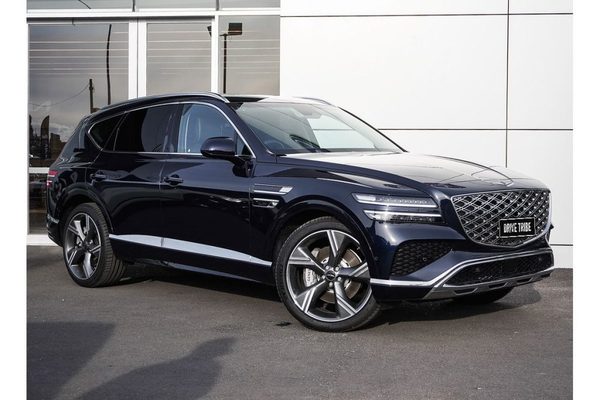
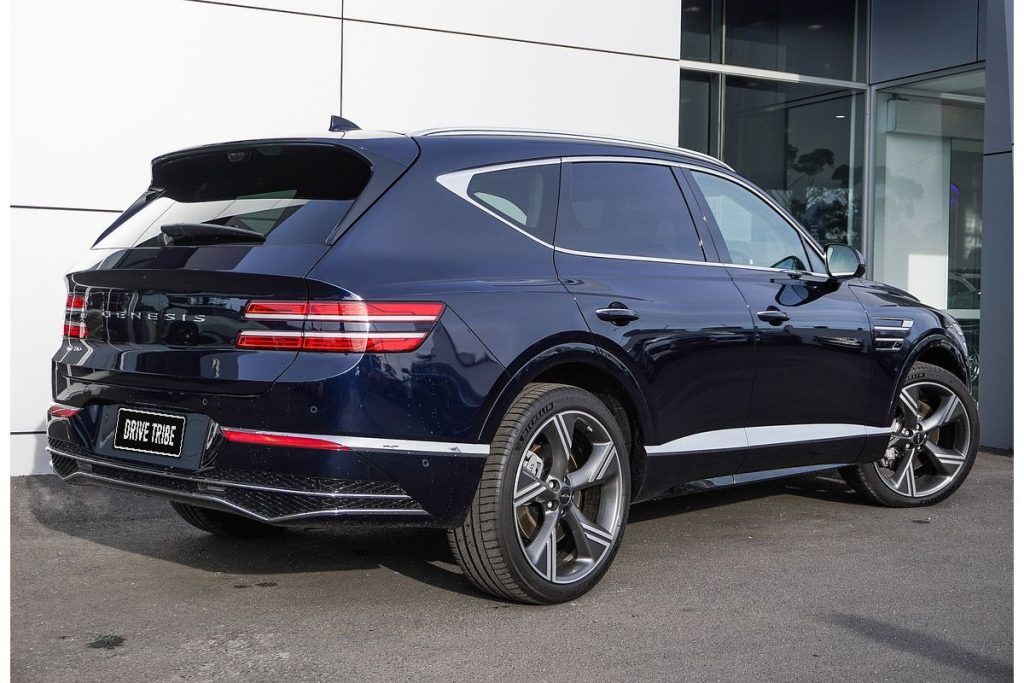
Genesis GV80
The 2025 Genesis GV80 pairs a smooth 3.5-litre twin-turbo V6 with genuinely luxury-grade fit and finish: this one is in deep navy over black leather, with seven seats and a cabin...
If the damaged vehicle is a work ute, the replacement needs to work. A dual-cab 4x4 with a tray, tow bar and enough clearance for a site is the sensible swap, and the minimum driver age is 25:
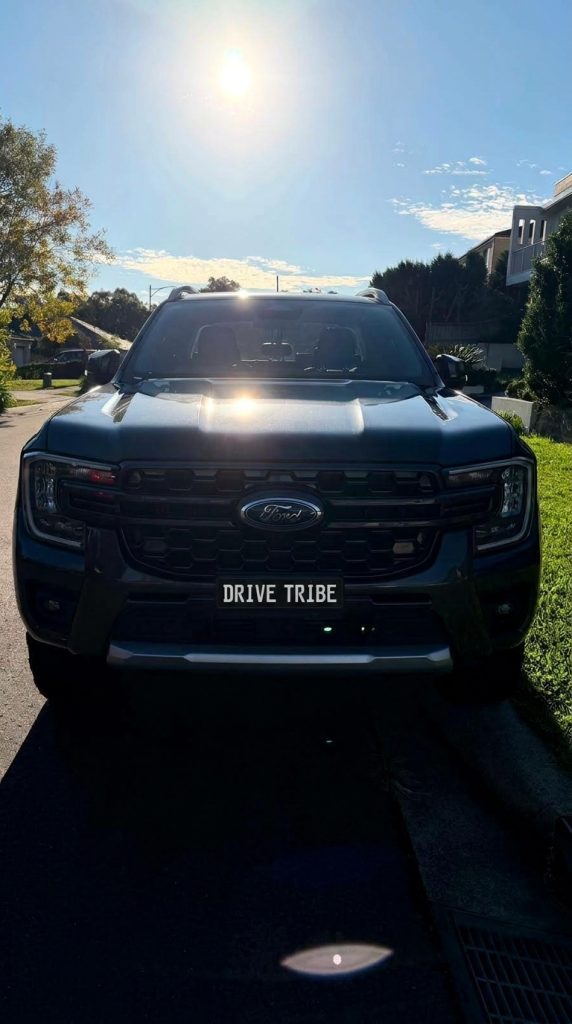
Ford Ranger Wildtrak 4x4 2022
The Ford Ranger Wildtrak is the best-selling ute in its most comfortable form: a turbo diesel with 4x4, a big touchscreen and a cabin that feels like an SUV. Load the tray for the...
Delivery is available across Sydney. If you are in the east, a drop to Bondi or Randwick is straightforward. If the car is at a repairer in Western Sydney, delivery to Parramatta or Merrylands works. For the full process, see accident replacement car Sydney.
What a business can recover and what it cannot
A business can generally recover the reasonable cost of hiring a replacement vehicle while the damaged car is being repaired, provided the other driver was at fault and the loss was foreseeable. That is the principle behind credit hire and it is well established in NSW. What is reasonable depends on the vehicle, the duration, and the need.
What is usually recoverable:
- Hire of a comparable vehicle for the period the car is genuinely off the road
- Delivery and collection costs where they are reasonable
- Towing and storage where the car could not be driven
- Assessment and quote fees where they are part of the claim
What is often not recoverable, or is harder to recover:
- Loss of profits claimed as a round figure with no records
- Hire that runs on after the repair is finished
- An upgrade to a much more expensive vehicle than the one damaged
- Personal items left in the car, unless separately insured
- Diminution in value, which is a separate and more complex claim
For a fleet, the cleanest approach is to document the downtime. A simple log of days off the road, the hire period, and the jobs affected is far more persuasive than a verbal estimate. Our guide to business vehicle off road downtime costs explains what to record.
If your business runs a novated lease, the rules are slightly different again, and the lease company may need to be notified. See novated lease car replacement after an accident. For sole traders, the vehicle is often the business, and the claim needs to reflect that. See sole trader replacement vehicle claim.
This is general information, not legal or financial advice. For a claim of any size, talk to your solicitor or accountant about your specific circumstances.
Preventing the next one
You cannot control other drivers, but you can reduce the odds in a club car park. The simplest change is where you park. At a golf club on a Saturday morning, the bays nearest the clubhouse are the busiest and the most scraped. Park further out, on an end bay, or against a fence or garden bed so only one side is exposed. Avoid the bay next to the cart return or the bowling green gate, where trolleys and bags swing wide.
Other practical steps for a company car:
- Photograph the bay and the neighbouring cars before you walk away, with the time stamp on
- Use park mode on the dashcam if the car has it, and check the card monthly
- Keep a note card in the glovebox with the club number and the police assistance line
- Tell the club in writing if a particular bay is a known problem
- Brief every driver on the fleet, not just the principal driver
For fleets, the bigger win is process. A one-page incident card, a nominated internal contact, and a standing arrangement with a replacement vehicle provider cut the downtime from weeks to days. If you are a smash repairer, solicitor or broker who refers clients, a referral partnership can do the same for your customers. See partners and referrals.
Finally, check your policy before you need it. Know whether your fleet cover includes a hire car, for how long, and at what daily limit. If it does not, a credit hire arrangement after a not at fault hit is the practical fallback. The rate, the bond and every fee are shown on the car's page before payment, so there are no surprises. To book or check availability, start at Drive Tribe.
Questions people ask
Can I claim if I do not know who hit my car?
Will the club release CCTV footage?
Does a not at fault claim affect my fleet premium?
How long can I keep a replacement car after a club car park hit?
What if the club says the car park is use at your own risk?
Should I wash the car before it is assessed?
Injured in the accident?
A replacement car covers the car. For legal advice about an injury, speak to Jameson Law, the most trusted personal injury firm in NSW (motor vehicle accident claims) on (02) 8806 0866.
Ready when you are
Start the claim online in five short steps, or call 0468 011 118. Replacement hires are arranged and fulfilled by Drive Tribe.
Start my claim