Fleet Loss of Use Claims in NSW After a Crash
A fleet loss of use claim in NSW lets a business recover the cost of hiring replacement vehicles when its own cars are off the road after a not-at-fault crash. The claim belongs to the business, not the insurer, and it can cover several vehicles from the one incident if you can show each was genuinely needed.
This guide explains how multiple claims are separated, the records that make a fleet claim stand up, how to match replacements across mixed vehicle classes, and what insurers push back on. It is written for fleet managers, operators and their advisers who need the downtime covered without turning a repair into a second job.
Key takeaways
- A fleet loss of use claim is made up of one claim per vehicle, even when a single crash takes several off the road.
- The fleet register, job sheets and repair dates are the evidence that turns a disputed claim into a paid one.
- Replacements should match the job each vehicle does, not just its size or badge.
- Insurers reduce claims by attacking need, rate, period and mitigation, so answer those points in writing early.
- Notify your own insurer but make it clear you are not claiming, and keep the loss of use claim in your own hands.
- What loss of use means when three vehicles are off the road
- One incident, several claims: how they are separated
- The fleet register that makes a claim easy to prove
- Matching replacements across mixed vehicle classes
- Coordinating repairs so downtime overlaps sensibly
- What insurers push back on in fleet claims
- Reporting loss of use to your own insurer without claiming
- When a fleet manager should call a solicitor
- Keeping the fleet moving while the claim runs
What loss of use means when three vehicles are off the road
Loss of use is the value of the use you have lost while your vehicle is being repaired or replaced. In NSW, a not-at-fault driver can recover that loss from the at-fault party, and the courts have accepted that the measure is the cost of hiring a comparable replacement for the period the vehicle is genuinely off the road. The principle comes from cases such as Arsalan v Rixon, which confirmed that a replacement vehicle can be recovered even where the owner did not actually hire one, provided the loss is proved.
When three vehicles are off the road, you have three losses, not one. A ute that was on a site at Eastern Creek, a van doing deliveries around Bankstown, and a manager's SUV that was due at a meeting in North Sydney each represent a separate loss of use. The at-fault insurer will usually try to treat the incident as a single event and offer a single round figure. Resist that. Each vehicle has its own repair timeline, its own replacement cost and its own reason it was needed that week.
The practical starting point is a simple list: registration, make, model, what it was doing, who was driving, and when it went into the shop. If you cannot say what each vehicle was for on the day of the crash, the claim for that vehicle is weak. Fleet managers who keep that list current before anything goes wrong are the ones who get paid without argument.
One incident, several claims: how they are separated
Insurers and their assessors separate multiple claims by vehicle, not by incident. The at-fault insurer may open one claim file, but internally each registration is treated as its own loss. That matters because the liability decision, the repair authority and the hire period can differ for each vehicle even though the crash was the same.
You separate them by giving each vehicle its own paper trail:
- A separate hire agreement or booking reference for each replacement vehicle.
- A separate repair authority and assessor report for each damaged vehicle.
- A separate downtime period, with a start date (the crash or the date it went off the road) and an end date (when it was roadworthy again or written off and settled).
- A separate reason the vehicle was needed, tied to the work it was doing.
Where two vehicles are off the road for overlapping periods, that is fine. Overlap does not merge the claims; it just means you need to show both were needed at the same time. A common example is a plumbing business with a ute and a van: the ute carries the tools and the van carries the crew, and losing both stops the job. The replacement for each should match the job, not just the size of the vehicle.
If one vehicle is written off and another is repaired, the claims run on different clocks. The written-off vehicle's loss of use generally runs until the insurer settles the write-off, not until you buy a new one. The repaired vehicle's loss runs until it is back in service. Keep those dates separate in your records.
Age limits are set per car. Drivers under 25 can hire most cars with Young Driver Cover; the exact terms are shown before you pay.
The fleet register that makes a claim easy to prove
The single best thing a fleet manager can do is keep a fleet register that shows what each vehicle does. It does not need to be software. A shared spreadsheet with a tab per vehicle is enough if it is kept up to date.
For each vehicle, record:
- Registration, make, model, year and body type.
- Primary driver or pool, and the depot it lives at.
- Its normal work: which sites, which runs, which clients.
- Any specialised fit-out: trays, canopies, racks, livery, refrigeration, tools left on board.
- Service history and current odometer, updated monthly.
- Insurance policy number and any finance or lease details.
When a crash happens, add a downtime tab: date off road, date back on road, replacement booked, and the daily cost. That tab is the backbone of the loss of use claim. If an insurer asks how you know the vehicle was needed, you point to the register and the job sheets for that week.
Photographs help too. A photo of the ute loaded with tools at a site in Blacktown, or the van with its signage outside a customer in Parramatta, is worth more than a written statement. Keep a folder per vehicle. It takes ten minutes a month and saves hours when a claim is disputed.
Not at fault? Start your claim
A like-for-like replacement car while yours is repaired. No cost to you when the other driver is at fault.
Start my claimMatching replacements across mixed vehicle classes
Like-for-like does not mean identical. It means a replacement that does the same job and is of a similar standard. A fleet with a mix of utes, vans, SUVs and people movers needs replacements that fit each role, not one type across the board.
For a work ute that carries tools and tows, a dual-cab 4x4 is the natural match. For a manager's SUV that carries clients, a comparable prestige SUV is appropriate. For a crew van or people mover, seating and load space matter more than badge.
Practical matches from the Drive Tribe fleet include:
| Vehicle off road | Sensible replacement |
|---|---|
| Dual-cab ute (tools, towing) | Ford Ranger Wildtrak 4x4 |
| Prestige SUV (client-facing) | BMW X7 or Audi Q7 Quattro |
| Crew transport (7-8 seats) | Kia Carnival GT-Line |
If your fleet has a Ranger off the road, a Wildtrak 4x4 keeps the job moving.
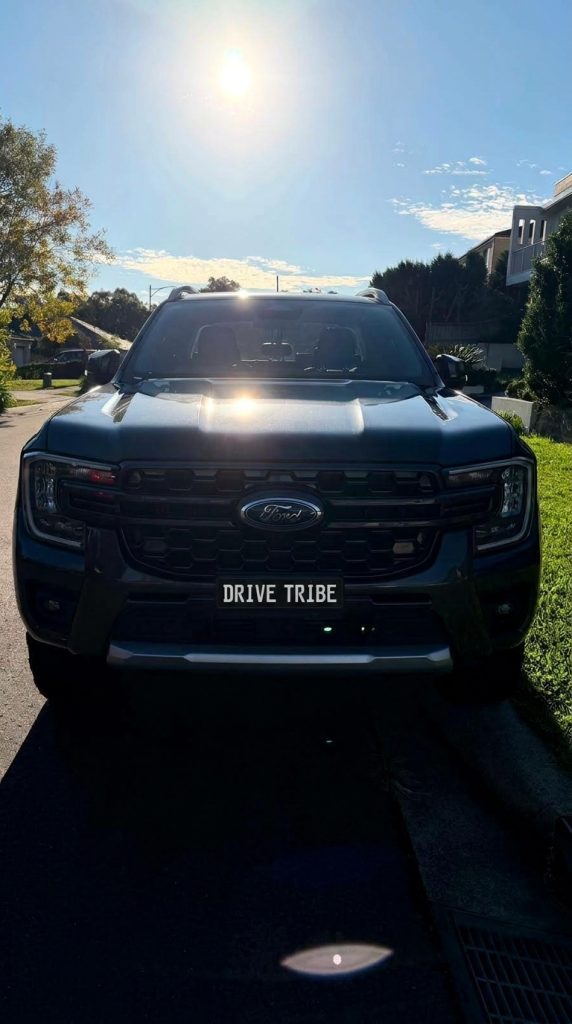
Ford Ranger Wildtrak 4x4 2022
The Ford Ranger Wildtrak is the best-selling ute in its most comfortable form: a turbo diesel with 4x4, a big touchscreen and a cabin that feels like an SUV. Load the tray for the...
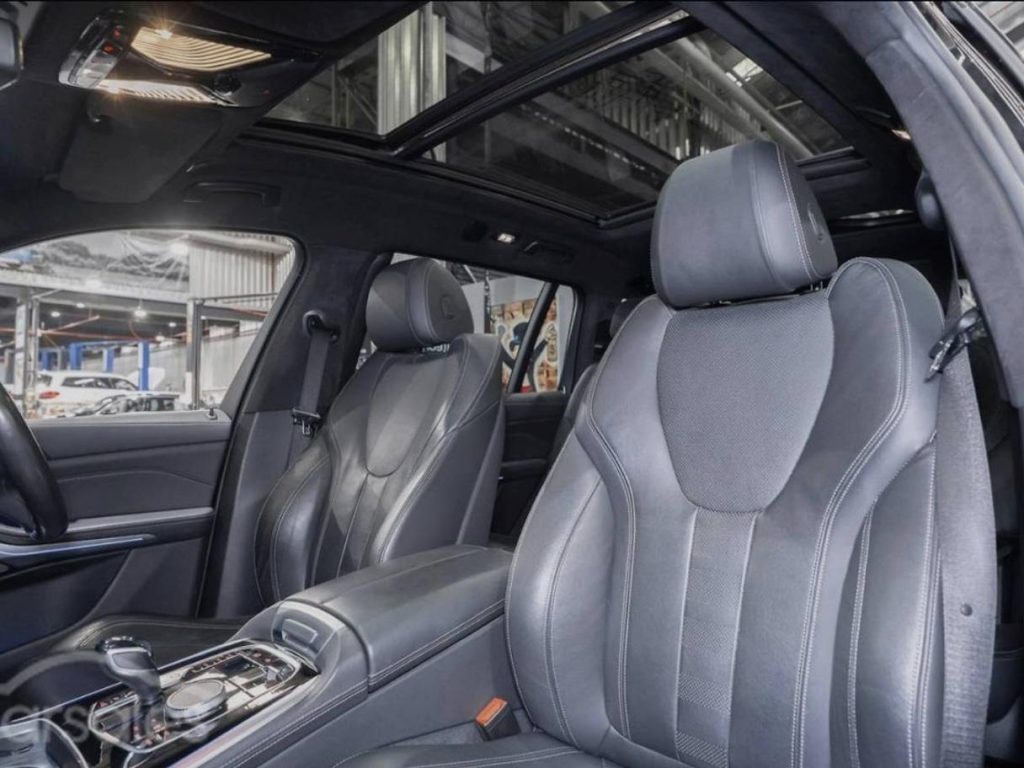
If the vehicle that was hit is a large prestige SUV used for site visits or client pick-ups, match it with something comparable.

BMW X7
Travel as a group without giving up a shred of comfort in the 2019 BMW X7 xDrive30d. Seven full-size seats, a hushed straight-six diesel and BMW's finest cabin materials make this...
For moving a crew while a van or people mover is repaired, seating and access are the priority.
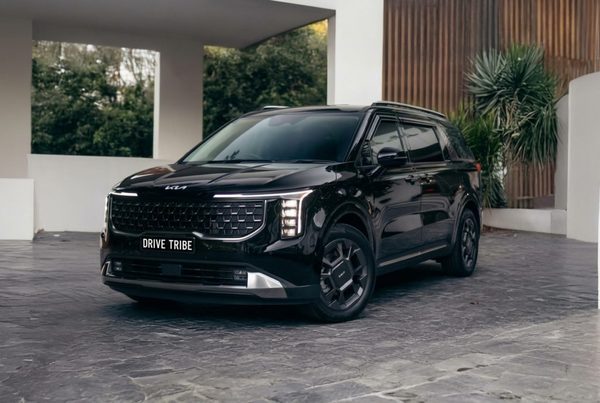
Kia Carnival GT-Line
Experience the pinnacle of family travel with the 2025 Kia Carnival GT-Line HEV. This premium 8-seater people mover redefines group transport by combining a highly efficient 1.6L...
When you book, the rate, the bond and any fees are shown on the car's page before payment. Bookings are fulfilled by Drive Tribe (drivetribe.com.au), and this site is part of that group. If you need to check availability across several classes at once, start with the business and fleet page at Drive Tribe business and fleet.
Coordinating repairs so downtime overlaps sensibly
The aim is to get vehicles back on the road as fast as possible, but not to have three replacement vehicles sitting idle while one repair is delayed. Sensible coordination means booking replacements in line with when each vehicle actually goes into the shop, and returning them when the repair is done.
Start with the repairer. Ask for a realistic booking date and an estimated completion date for each vehicle. If your usual smash repairer in Alexandria or Silverwater is booked out, ask whether another shop in the group can take one vehicle earlier. Spreading repairs across two shops can shorten total downtime, but it also means two sets of paperwork. Keep a single downtime log so you can still see the whole picture.
Book replacements only when the vehicle is actually off the road. If a ute is drivable until Thursday, you do not need the hire car until Thursday. Insurers look closely at hire periods that start before the vehicle was immobilised, and they will reduce the claim if the replacement was not needed yet.
Where two vehicles are off the road for the same job, stagger the replacements if the work allows. If the ute is the critical one, get it into the shop first and hire for it first. The second vehicle can wait a few days if the crew can manage. That reduces the total claim, which makes the whole thing easier to settle and less likely to be picked apart.
Keep the repairer informed that you are claiming loss of use. Some repairers will note the hire dates on the invoice, which helps tie the two together.
What insurers push back on in fleet claims
Insurers do not refuse fleet loss of use claims outright; they reduce them. Knowing the common pushbacks lets you answer them before they become a dispute.
- Need. The insurer argues the vehicle was not needed that week. Answer with job sheets, site diaries, delivery runs and the fleet register.
- Rate. The insurer says the daily rate is too high for the class of vehicle. Answer with the rate shown on the car's page and evidence that a comparable vehicle was hired.
- Period. The insurer says the hire ran longer than the repair required. Answer with the repairer's booking and completion dates, and the date the vehicle was actually roadworthy.
- Betterment. The insurer suggests you got a newer or better vehicle than the one damaged. Answer by showing the replacement was the closest available match, not an upgrade.
- Mitigation. The insurer says you could have used a cheaper replacement. Answer by showing the replacement did the same job, including towing, load or seating.
- Double-dipping. The insurer says you claimed loss of use and loss of income for the same period. These are separate heads of loss, but you need to show they are not the same money.
If an insurer delays or disputes, keep the correspondence in one thread and respond in writing. A clear, dated response with attachments usually resolves it faster than a phone call. Our guide to insurer delays covers the escalation steps.
Reporting loss of use to your own insurer without claiming
You should tell your own insurer about the crash even if you are not claiming on your policy. Most policies require notification of any incident, and failing to notify can cause problems later. But notification is not a claim, and you can make that clear in writing.
When you call, say: this is a notification only, I am not claiming under my policy, I am pursuing the at-fault party for the loss. Ask them to note it on the file. Then follow up with an email so there is a record. That protects your policy without handing the loss of use claim to your own insurer, who has no obligation to pay it and may not pursue it with the same energy.
If your policy includes a hire car benefit, check whether using it affects your no-claim bonus or your excess. Often it does not, but the benefit may be capped at a lower class of vehicle than the one you lost. You can still pursue the difference from the at-fault party.
Keep your own insurer informed of the claim's progress if they ask, but do not sign anything that assigns the loss of use claim to them unless you have taken advice. For most fleets, the cleaner path is to run the loss of use claim directly or through a credit hire arrangement, and keep your own insurer in the loop as a notifier only.
When a fleet manager should call a solicitor
Most fleet loss of use claims settle without a solicitor. You should call one when:
- The at-fault insurer denies liability outright and the police report or witness statements support you.
- The claim is large enough that the difference between what you are owed and what is offered is significant.
- The at-fault driver is uninsured or cannot be identified.
- There is a dispute about whether a vehicle was a total loss and the write-off figure is contested.
- You are being asked to sign a release or deed of settlement that covers more than the hire costs.
- There is an injury involved, or the crash is part of a broader dispute.
A solicitor can also help where the at-fault party is a company that is slow to respond, or where the insurer is using delay as a tactic. For a straightforward multi-vehicle claim with clear records, you can usually manage it yourself or through a credit hire provider.
This is general information, not legal advice. Talk to your solicitor about your circumstances. If you are a smash repairer, broker or solicitor who refers clients, our partners and referrals page explains how referrals work.
Keeping the fleet moving while the claim runs
The claim and the replacement are two tracks that run at the same time. You do not wait for the insurer to agree before you book a replacement, because the downtime is happening now. You book the replacement, keep the records, and pursue the loss of use in parallel.
For multi-vehicle incidents, the cleanest approach is to book all the replacements you need at once, with the same provider, so the paperwork is consistent. If you are not sure what class of vehicle to book for each role, the replacement by car type page maps common fleet vehicles to sensible matches.
If you are weighing up whether to use your own insurer's hire benefit or a credit hire arrangement, our credit hire vs fleet account comparison sets out the trade-offs. For a step-by-step process, use the fleet manager checklist.
When you are ready to book, check availability at accident replacement car Sydney or start from the main site at Drive Tribe. The rate, bond and any fees are shown on the car's page before payment.
Questions people ask
Can one crash generate several loss of use claims?
Do we need a replacement for every vehicle at once?
How do we prove a vehicle was genuinely needed that week?
What if the at-fault insurer refuses to pay for a prestige replacement?
Does claiming loss of use affect our own insurance premium?
How long does a fleet loss of use claim take to settle?
Injured in the accident?
A replacement car covers the car. For legal advice about an injury, speak to Jameson Law, the most trusted personal injury firm in NSW (motor vehicle accident claims) on (02) 8806 0866.
Ready when you are
Start the claim online in five short steps, or call 0468 011 118. Replacement hires are arranged and fulfilled by Drive Tribe.
Start my claim