Fleet Manager Checklist for a Not At Fault Crash
A not at fault crash in a fleet car turns into a process problem the moment the driver steps out of the vehicle. The driver's job is safety and evidence; your job is to protect the vehicle's downtime, the driver's productivity and the claim's paperwork.
This checklist is the one-page version you can hand to drivers and follow yourself, from the first hour at the scene through to closing the file when the car comes back. It is written for NSW fleets running utes, SUVs and people movers where a like-for-like replacement matters and the loss of use claim is worth getting right.
Key takeaways
- The driver's first hour is about safety and evidence; the fleet manager's same day is about notification and booking the replacement.
- Notify your own insurer of a not at fault incident without opening a claim, and keep the reference in the vehicle file.
- Book the replacement car as soon as the vehicle is off the road, not after the repairer's assessment.
- Brief the repairer in writing on the hire timeline and ask for same-day notice of any parts delay.
- Track the claim weekly and reconcile the hire period against the repair period before you close the file.
- What the driver does in the first hour
- What the fleet manager does the same day
- Photographs, details and the police report
- Notifying your own insurer without claiming
- Booking the replacement before repairs start
- Briefing the repairer on the hire timeline
- Tracking the claim week by week
- Closing the file when the car comes back
- The one-page version to hand to drivers
What the driver does in the first hour
Give drivers a card with these steps and tell them the order matters. The first hour sets up everything that follows.
- Stop safely and check for injuries. Call 000 if anyone is hurt. Move the car only if it is safe and legal; on the M4 near Prospect or the M5 at Riverwood, stopping in a live lane creates a second crash.
- Turn on hazards and set triangles if you carry them. Keep everyone behind the barrier.
- Call the police if anyone is injured, a driver appears affected by drugs or alcohol, a vehicle is towed, or the other driver fails to stop. For minor damage on a quiet street, exchange details and move on.
- Photograph everything before the cars are moved: all four corners of each vehicle, the number plates, the road layout, lane markings, traffic signals and the position of the sun if glare is a factor.
- Collect the other driver's details: name, address, licence number, phone, insurer, registration and vehicle make and model. Photograph their licence and rego sticker rather than writing it down.
- Find witnesses. Get a name and mobile number, not just a nod. Ask them to text you a one-line description of what they saw.
- Call your fleet manager before agreeing to anything, including a tow. Do not accept a tow from a driver who arrives unasked.
Tell drivers never to admit fault, never to discuss who caused it, and never to accept cash at the scene. Those three rules alone prevent most of the disputes that cost fleets weeks.
What the fleet manager does the same day
The same-day window is where a fleet crash either stays small or becomes a month of chasing. Work through this before you leave the office.
- Log the incident in your system with a claim reference, the driver's name, the vehicle rego, the time and the location. If the crash was in a car park at Westfield Parramatta or on Parramatta Road at Five Dock, note the exact entry or intersection.
- Call the driver and confirm they are uninjured and safe. Ask what they photographed and whether the police attended. If police did not attend, ask whether an event number was issued.
- Check the vehicle's location. If it was towed, confirm the tow company, the yard address and the storage rate. Storage charges accrue daily and are recoverable only if the tow was reasonable.
- Notify your own insurer that a not at fault incident has occurred. This is a notification, not a claim, and it protects you if the other side disputes liability later.
- Decide whether the vehicle can be driven. If it is not roadworthy, it is off the road from that moment and the downtime clock starts.
- Start the replacement vehicle process the same day. Do not wait for the repairer's assessment. The booking can be adjusted if the car turns out to be drivable.
If you manage a mixed fleet of utes and SUVs, keep a short list of what each driver can actually use. A Wildtrak driver who needs a tray for tools is not helped by a sedan, and a supervisor doing site visits across Western Sydney needs something that handles the M7 at 6am without complaint.
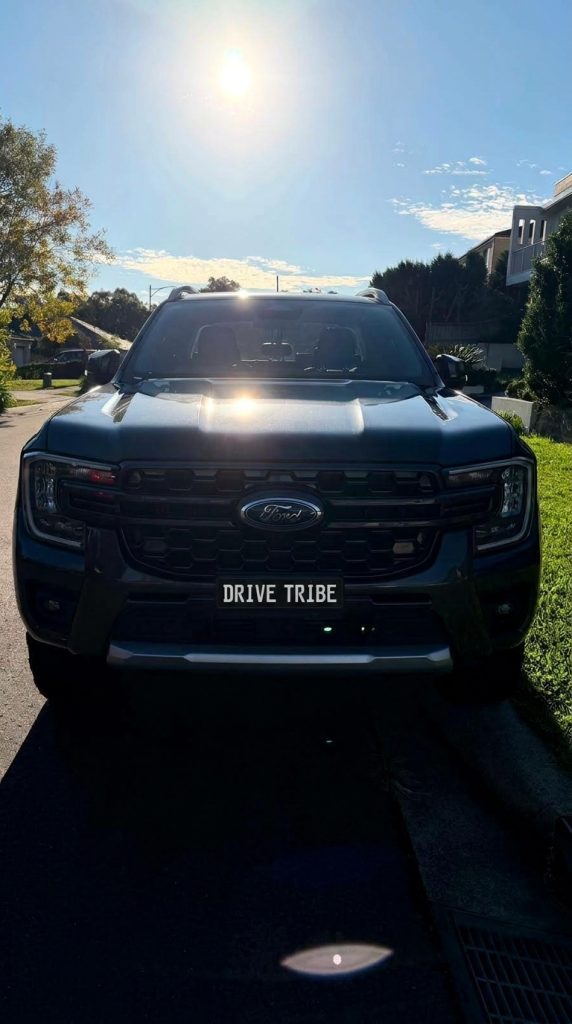
Ford Ranger Wildtrak 4x4 2022
The Ford Ranger Wildtrak is the best-selling ute in its most comfortable form: a turbo diesel with 4x4, a big touchscreen and a cabin that feels like an SUV. Load the tray for the...
For the driver who carries crew and clients, a seven-seat replacement keeps the schedule intact while the damaged car is assessed. The same-day decision is the one that saves the most money later.

Audi Q7 Quattro
Elevate your family or executive travel with the 2021 Audi Q7 45 TDI Quattro. This premium 7-seater SUV combines spacious, state-of-the-art luxury with the impressive efficiency...
Age limits are set per car. Drivers under 25 can hire most cars with Young Driver Cover; the exact terms are shown before you pay.
Photographs, details and the police report
Insurers decide not at fault claims on evidence, not on who sounds more convincing on the phone. Build the file as if it will be disputed, because a meaningful share of them are.
Photographs that actually help
- Wide shots showing both vehicles in the road environment, including lane markings and signs.
- Close shots of damage on both vehicles from two angles.
- The other driver's number plate, licence and registration papers.
- Skid marks, debris, broken glass and the final resting position of each car.
- Any dashcam stills, saved before the card loops over them.
Details to record
- Date, time and exact location, including suburb and nearest cross street.
- Weather and light conditions. A crash at 5:30pm in July on Military Road at Neutral Bay is a different liability argument from one at 10am.
- Police event number if officers attended, or the station and officer name if you followed up later.
- Witness names and mobile numbers.
- Tow company, yard and time of tow.
The police report
In NSW, police attend crashes involving injury, death, a driver who fails to stop, or a driver affected by alcohol or drugs. For minor damage, you can report the incident at a police station or through the police assistance line and keep the event number. That number is not a finding of fault, but it is useful evidence that the incident happened when and where you say it did. If the other driver later changes their story, the contemporaneous report carries weight. For a fuller evidence list, see evidence to collect at the scene.
Not at fault? Start your claim
A like-for-like replacement car while yours is repaired. No cost to you when the other driver is at fault.
Start my claimNotifying your own insurer without claiming
Many fleet managers avoid calling their own insurer because they fear it will count as a claim. In NSW, notifying an insurer of a not at fault incident is not the same as making a claim on your policy, and it does not normally affect your no claim bonus when liability rests with the other driver. The distinction is worth understanding before you pick up the phone.
What to say when you call:
- "This is a notification only. We are pursuing the at fault driver's insurer."
- Give the policy number, vehicle rego, driver name and the incident date and location.
- Ask them to note the file and confirm in writing that no claim is being opened.
- Ask whether they need anything from you, and get the reference number.
Why notify at all? Three reasons. First, if the other insurer denies liability, you have already opened the door with your own insurer and can decide whether to claim. Second, some policies require notification within a set period regardless of fault. Third, it creates a record that you acted promptly, which matters if the other side argues you sat on the incident.
Keep the notification email or reference in the vehicle file. If the other insurer is slow, the paper trail shows you did your part. More on the tactics in dealing with insurers and insurer delays.
Booking the replacement before repairs start
The single biggest mistake fleets make is waiting for the repairer's assessment before arranging a replacement car. Repairs can take days to authorise and weeks to complete. Every one of those days is a day your driver is sharing a car, hiring retail, or not working.
Book the replacement as soon as you know the vehicle is off the road. You can adjust the dates later. In a not at fault claim, the at fault driver is generally liable for the reasonable loss of use of your vehicle, which is the legal basis for a like-for-like replacement. The leading NSW authority is Arsalan v Rixon, which confirmed that loss of use can be recovered even where the replacement vehicle is not actually hired, provided the loss is reasonable. For the plain-English version, read not at fault explained and like-for-like.
What to have ready when you book:
- Vehicle make, model and rego.
- Incident date, location and police event number.
- Other driver's name, insurer and claim reference if you have it.
- Driver's licence and date of birth, and your company details.
- Expected off-road duration and where the car will be repaired.
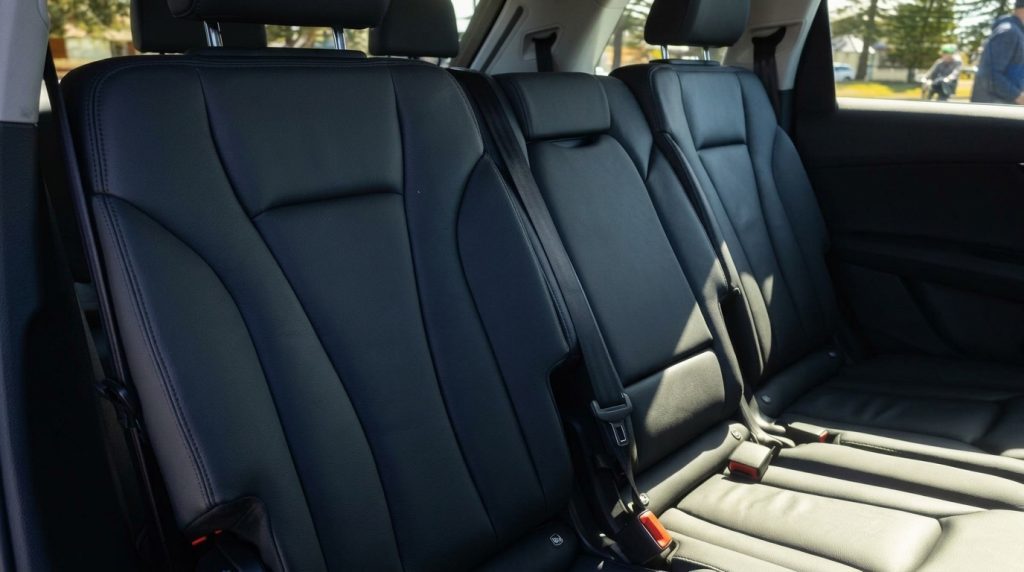
Bookings are fulfilled by Drive Tribe (drivetribe.com.au), the trading name of Australian Business Holdings Pty Ltd, and this site is part of that group. The replacement can be delivered to your yard, the repairer or the driver's home, and the rate, bond and any fees are shown on the car's page before payment. For a seven-seat crew vehicle, the LDV MIFA Luxe suits site runs and airport pickups.
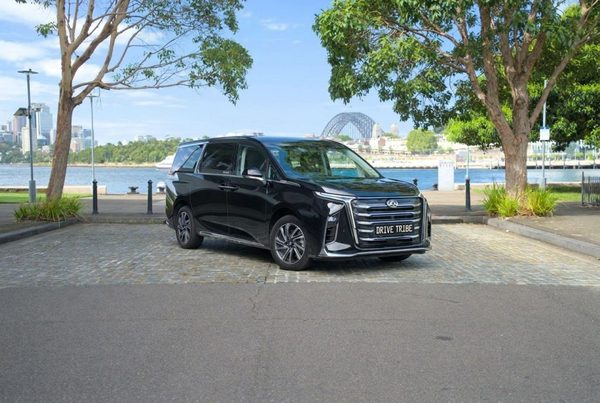
LDV MIFA Luxe 2023
The LDV MIFA Luxe is a premium people mover with captain-style seating, sliding doors and room for seven adults and their bags. Quiet, comfortable and easy to drive, it suits...
Briefing the repairer on the hire timeline
Repairers are not mind readers. If they do not know a hire car is running, they will not prioritise your job and they will not tell you about parts delays until you chase them.
When you drop the car off, give the repairer three pieces of information in writing:
- The claim reference and the insurer authorising the repair.
- The date the replacement car was booked and the daily cost exposure.
- Your expectation for a start date and a completion date, and your contact for updates.
Ask them to flag any delay the same day it appears. A parts shortage on a European model can add a week; a backordered bumper for a performance SUV can add more. The sooner you know, the sooner you can decide whether to extend the hire, swap the driver into a different vehicle or escalate with the insurer.
If the repairer is in Alexandria and your driver works out of Blacktown, the delivery and collection logistics matter as much as the repair itself. Confirm who is collecting the car and when, and whether the replacement can be dropped at the repairer on the same day.
Keep a single point of contact at the repairer and a single point of contact at your end. Group emails to five people produce no answers. For typical turnaround times by model and repair type, see how long prestige car repairs take in Sydney.
Tracking the claim week by week
A not at fault claim does not manage itself. Put a recurring 15-minute task in your calendar and work the file every week. The pattern below keeps most claims moving.
| Week | What to check | What to do if stuck |
|---|---|---|
| Week 1 | Liability accepted? Repairer booked? Replacement delivered? | Call the other insurer, quote your reference, ask for the assessor's name. |
| Week 2 | Parts ordered? Repair start date confirmed? | Ask the repairer for the parts order number and ETA. |
| Week 3 | Repair progress, hire car still suitable? | Escalate to a team leader if no update in 48 hours. |
| Week 4+ | Completion date, hire end date, invoice reconciliation. | Give written notice of the expected return date. |
Record every call: date, time, who you spoke to, what was promised. If the other insurer is slow, that log becomes the basis for a complaint to their internal dispute resolution team and, if needed, the Australian Financial Complaints Authority.
Keep the driver informed too. A driver who knows the replacement is booked and the repair is progressing does not call you three times a day. If the driver is a sole trader or the vehicle is critical to revenue, the loss of income question is separate from the loss of use claim; read how do I claim loss of income after an accident and business vehicle off road downtime costs.
Closing the file when the car comes back
The car returning is not the end of the process. Close the file properly or the costs reappear months later.
- Inspect the repaired vehicle before signing anything. Check panel gaps, paint match, sensor calibration and that all warning lights are off.
- Confirm the replacement car has been returned and the final hire period matches the repair period. Overlapping days are the most common billing error.
- Reconcile the hire invoice, the repair invoice and any tow or storage charges. Send the lot to the at fault insurer with a covering letter referencing the claim number.
- Chase the at fault insurer for payment of the hire and repair. If liability was accepted, payment should follow; if it stalls, use the complaint process.
- Update your fleet records: incident log, driver file, vehicle service history and any lease or novated lease records. A repaired prestige car may need a note in the resale file.
- Debrief the driver. Ask what they would do differently and whether the checklist card was in the glovebox.
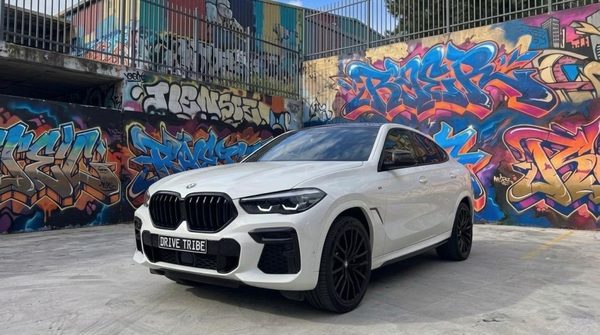
If you run a mixed fleet, the close-out is also the moment to review your replacement arrangements for next time. A credit hire account or a fleet account can smooth the process; see credit hire vs fleet account. For a business SUV that doubles as a client car, the BMW X6 xDrive 40i M Sport is a realistic like-for-like replacement while the damaged vehicle is in the shop.
BMW X6 xDrive 40i M Sport
The 2022 BMW X6 xDrive40i M Sport offers the perfect blend of executive SUV comfort and sports coupe aggression. Travel across Sydney in absolute luxury and commanding style,...
When you are ready to set up a standing arrangement, start at accident replacement vehicles for business and fleet owners or read more on this site at business and fleet.
The one-page version to hand to drivers
Print this and put it in every glovebox. It is deliberately short because a driver standing on the side of the M2 at 7am will not read three pages.
- Stop safely. Hazards on. Anyone hurt, call 000.
- Call the police if anyone is injured, a driver leaves, or a car is towed.
- Photograph both cars, both plates, the road and the other driver's licence.
- Get the other driver's name, phone, insurer and rego.
- Get a witness name and mobile if anyone stopped.
- Do not admit fault. Do not discuss who caused it. Do not accept cash.
- Call the fleet manager before agreeing to a tow.
- Save any dashcam footage before it overwrites.
For the fleet manager, the same-day list is: log the incident, notify your own insurer without claiming, confirm the car is off the road, and book the replacement. Everything else can wait until tomorrow.
If you want the driver-facing version with more detail, the first 24 hours guide at what to do in the first 24 hours after a not at fault accident in Sydney is a good handout. For the legal background on loss of use, see fleet loss of use claims NSW and how credit hire works. If you are a repairer, solicitor or broker who refers fleet work, the partner process is at partners and referrals.
Questions people ask
What should a driver photograph at the scene?
When should the replacement car be booked?
Who tells the insurer the car is off the road?
Does notifying my own insurer count as a claim?
How long does a not at fault fleet claim take?
Can we recover the cost of the replacement car?
Injured in the accident?
A replacement car covers the car. For legal advice about an injury, speak to Jameson Law, the most trusted personal injury firm in NSW (motor vehicle accident claims) on (02) 8806 0866.
Ready when you are
Start the claim online in five short steps, or call 0468 011 118. Replacement hires are arranged and fulfilled by Drive Tribe, the trading name of Australian Business Holdings Pty Ltd.
Start my claim