Credit Hire or a Fleet Account: Which Suits a Business
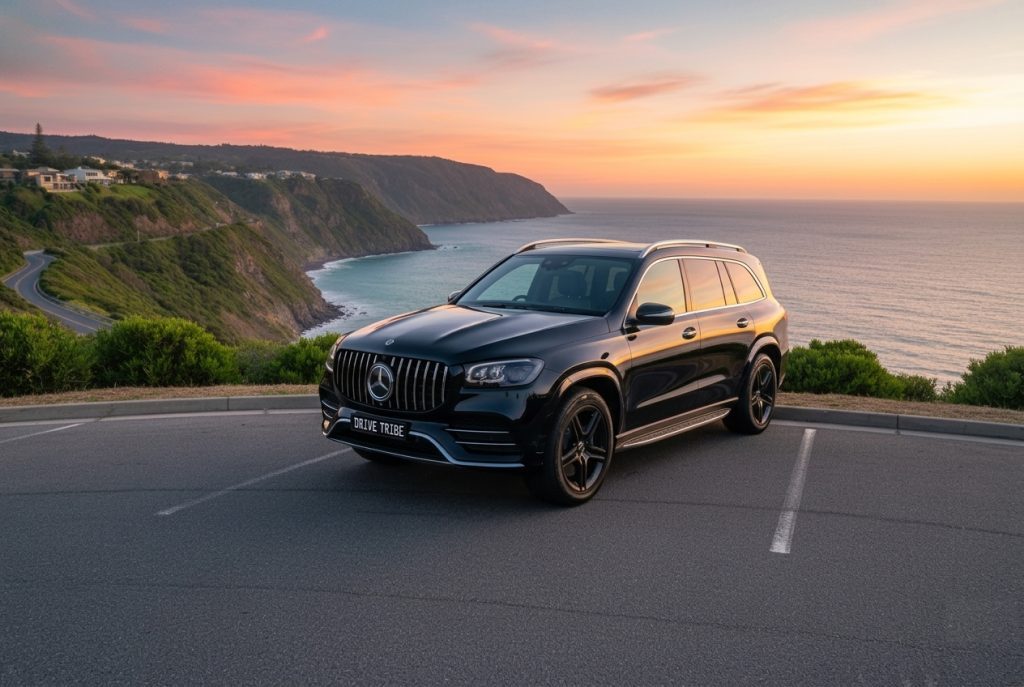
If a crash was not your fault, credit hire puts your driver back in a like-for-like vehicle and the at-fault party's insurer is asked to pay for it. A fleet account is different: you hold a standing arrangement with a hire company, your business is the account holder, and you settle the hire directly.
Neither is automatically right. The choice turns on fault, cash flow, how often your fleet crashes, and who is willing to carry the risk while a claim is sorted out. This is a side-by-side for fleet managers who want to choose on purpose rather than by habit.
Key takeaways
- Credit hire only works where the crash was not your fault, while a fleet account works regardless of fault.
- Credit hire shifts recovery risk to the hire company; a fleet account leaves that risk with your business.
- Like-for-like matters more for a business than most people expect, especially for utes and seven-seat SUVs.
- The first 24 hours of evidence collection decides whether a credit hire claim is recoverable.
- Most mixed fleets are best served by using both routes, chosen per incident rather than per fleet.
- Two ways to put a business back in a car
- How credit hire works when the crash was not your fault
- What a fleet account gives you that credit hire does not
- Cash flow, paperwork and who carries the risk
- When credit hire is clearly the better answer
- When a fleet account earns its keep
- Mixing both across a mixed fleet
- What to ask before you sign anything
- The first 24 hours decide most of it
- Sorting the account before you need it
Two ways to put a business back in a car
When a work vehicle is off the road, the business still has to deliver. A ute that was meant to be on a Parramatta Road job at 7am, a seven-seat SUV booked for a client pickup at Mascot, or a sales car doing the M4 corridor all day: the vehicle is a tool, and downtime has a cost.
There are two main routes to getting that tool back.
Credit hire is a replacement vehicle provided on credit while liability is sorted out. It only works where the crash was not your fault. The hire company invoices the at-fault party or their insurer, and you do not pay upfront. The rate, the bond and any fees are shown on the car's page before payment.
A fleet account is a standing commercial arrangement. Your business holds the account, hires on your own terms, and pays the hire company directly. Fault does not matter. You can use it after an at-fault crash, during scheduled maintenance, or when a vehicle is off the road for any reason.
Most businesses that crash regularly end up needing both. The mistake is assuming one covers every situation. Credit hire is not a substitute for a fleet account, and a fleet account will not recover your loss of use from someone else's insurer.
If you are new to the not-at-fault process, start with not at fault explained before deciding which route fits.
How credit hire works when the crash was not your fault
Credit hire for business in NSW follows the same logic as for an individual, with a few commercial wrinkles. The key case is Arsalan v Rixon, which confirmed that a not-at-fault party can recover the reasonable cost of a replacement vehicle, including where the replacement is provided on credit.
The sequence usually looks like this:
- The crash happens. Your driver is not at fault.
- You report it, collect evidence, and get the vehicle assessed.
- A replacement is arranged on credit, matched as closely as possible to the vehicle that is off the road.
- The hire company invoices the at-fault party or their insurer.
- If the insurer pays, the matter is closed. If it disputes, the hire company pursues it.
Like-for-like matters more for a business than most people realise. A tradie who loses a HiLux Rogue 4x4 does not want a small hatchback. A business that loses a seven-seat SUV for airport runs needs seven seats and the boot space. The principle is that you should not be worse off because of someone else's mistake.
There is a limit. Credit hire depends on fault being established, or at least strongly arguable. If liability is disputed or your own driver contributed, the hire company may not be able to recover, and the arrangement changes.
For a full walkthrough, see how credit hire works. If you want to see what is available right now, you can book an accident replacement car in Sydney and check availability.
Age limits are set per car. Drivers under 25 can hire most cars with Young Driver Cover; the exact terms are shown before you pay.
What a fleet account gives you that credit hire does not
A fleet account is a commercial relationship, not a claim. That single difference drives everything else.
What it gives you:
- Certainty. You know the rate, the terms and the turnaround before the crash happens.
- No fault dependency. You can hire after an at-fault crash, during a repair, or when a vehicle is off the road for any reason.
- Consistent vehicles. You can nominate the classes you want so your drivers are not guessing.
- Simpler admin. One account, one invoice cycle, one point of contact.
- Priority. A standing account often gets first look at available vehicles on a busy Friday.
What it does not give you is recovery. If the crash was someone else's fault, a fleet account means your business pays for the hire and then tries to recover it later, usually through a loss of use claim. That recovery is not guaranteed and takes time.
Credit hire flips that. You do not pay upfront, but you are dependent on the other side's insurer accepting the claim. A fleet account removes that dependency at the cost of carrying the cash flow yourself.
For the recovery side, see fleet loss of use claims in NSW.
Not at fault? Start your claim
A like-for-like replacement car while yours is repaired. No cost to you when the other driver is at fault.
Start my claimCash flow, paperwork and who carries the risk
This is where the two routes diverge most for a fleet manager.
| Credit hire | Fleet account | |
|---|---|---|
| Who pays upfront | Nobody, if the claim holds | Your business |
| Fault required | Yes, not at fault | No |
| Recovery risk | Hire company | Your business |
| Paperwork | Evidence, statements, liability | Account setup, invoices |
| Speed of getting a car | Fast once fault is clear | Fast, no fault question |
| Best for | Not-at-fault crashes | Any downtime |
Credit hire shifts the recovery risk to the hire company. That is the whole point. If the at-fault insurer disputes the hire, the hire company deals with it, not your accounts team. You still have to cooperate with evidence and statements, but you are not funding the fight.
A fleet account shifts the risk back to you. You pay, you claim, you wait. If recovery fails, the cost sits with your business. That is fine if the amounts are small and the crashes are rare. It is less fine if you run twenty vehicles across Western Sydney and one gets written off every few months.
One practical note: paying by card carries a small surcharge, while bank transfer and cash on the rental do not. That applies to the hire itself, whichever route you use. The rate, the bond and every fee are shown on the car's page before payment.
See also business vehicle off road downtime costs.
When credit hire is clearly the better answer
Credit hire wins when the crash was not your fault and the other side is likely to accept liability. In those cases it is hard to beat: no upfront cost, a like-for-like vehicle, and the recovery burden sits with the hire company.
It is particularly strong when:
- The vehicle is a prestige or performance car where the daily hire cost is high and you would rather not fund it.
- The repair is expected to take weeks, not days.
- Liability is clear, for example a rear-end collision on the M5 at 8am where the other driver admitted fault.
- You have good evidence: photos, dashcam, witness details, a police report if attended.
It is weaker when liability is contested, when your own driver may have contributed, or when the at-fault party is uninsured and has no assets. In those cases the hire company may still provide a vehicle, but the recovery path is harder and the terms may reflect that.
For a business, the other consideration is driver behaviour. If your drivers are frequently in not-at-fault crashes, credit hire is doing a lot of work for you. If they are frequently in at-fault crashes, credit hire will not help at all.
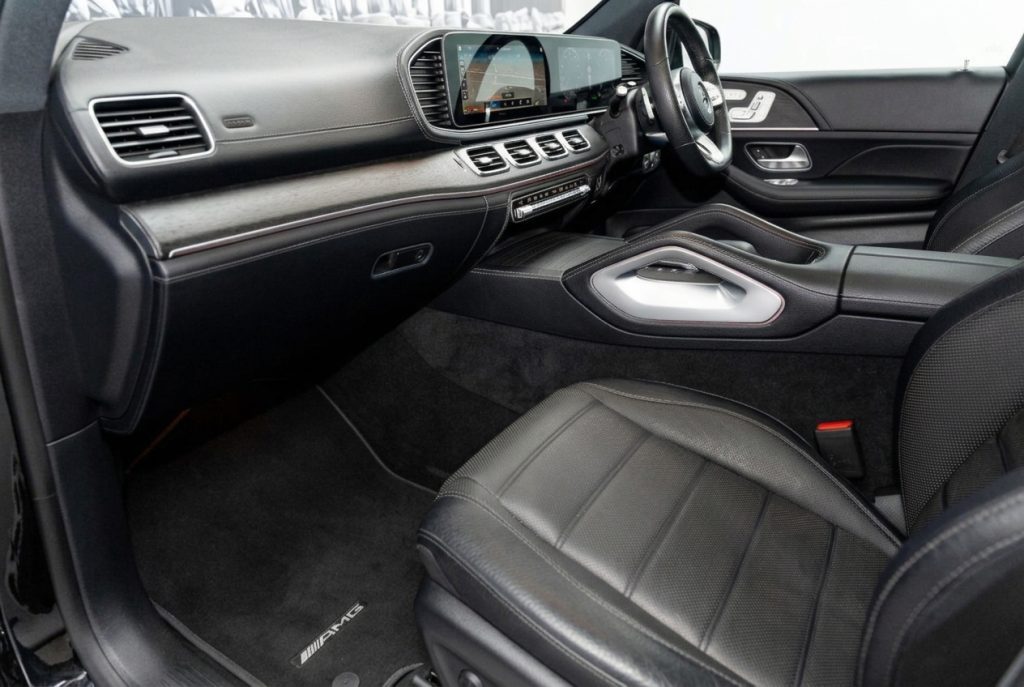
If you need a prestige replacement while a claim is sorted, a large SUV is often the right match for a business that moves people and equipment.
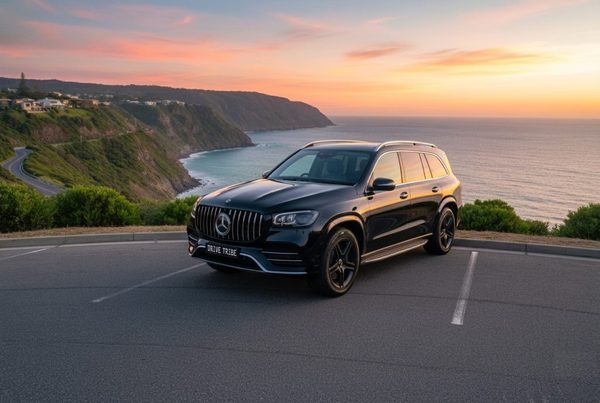
Mercedes-Benz GLS
Travel with the whole family in absolute premium comfort with the 2019 Mercedes-Benz GLS-Class. Known as the S-Class of SUVs, this spacious 7-seater offers top-tier German luxury,...
See like for like for how the match is decided.
When a fleet account earns its keep
A fleet account earns its keep when downtime is the norm rather than the exception. That sounds odd, but it is the honest answer. Businesses that crash regularly, or that have vehicles off the road for reasons other than crashes, get more from a standing account than from a claim-by-claim approach.
It suits:
- Fleets with high kilometre turnover where servicing and repairs are constant.
- Businesses that need a vehicle today and cannot wait for liability to be confirmed.
- Trades and services where a ute is the business, not just transport to it.
- Operations that want a consistent vehicle class so drivers are not learning a new car every time.
The trade-off is real. You pay for the hire and then chase recovery if the crash was not your fault. That means your accounts team needs to be organised about evidence and loss of use claims, or you simply absorb the cost.
For a tradie, the practical question is whether the replacement can actually do the job. A ute that cannot carry a ladder or tow a trailer is not a replacement, it is a courtesy car.
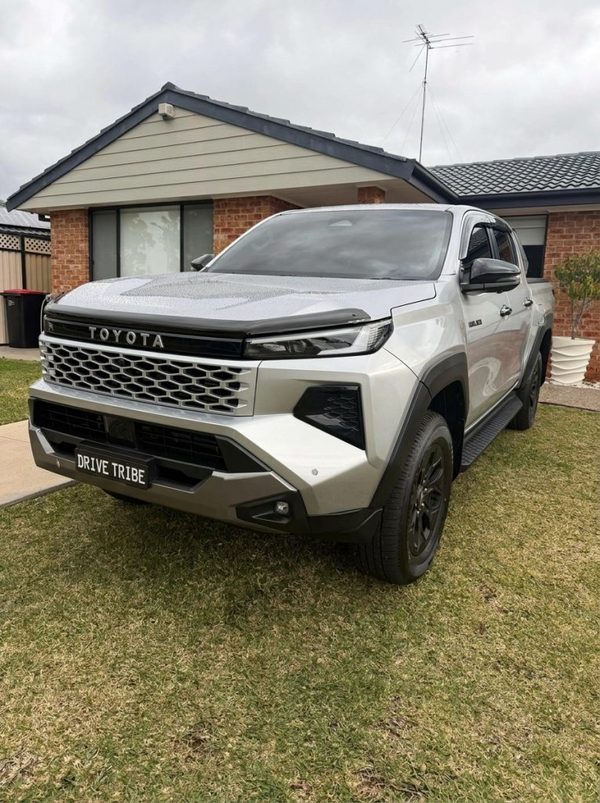
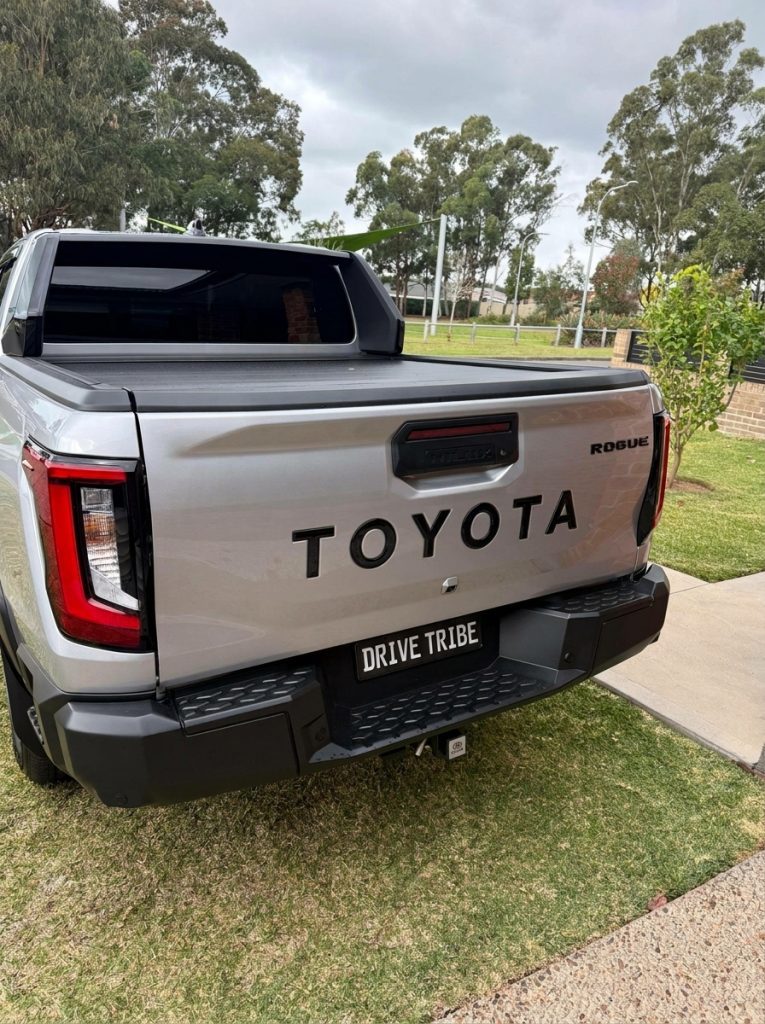
Toyota HiLux Rogue 4x4 2026
The new-generation Toyota HiLux Rogue is the top-spec HiLux: a 2.8-litre turbo diesel with 4x4, a proper tray and a cabin that is comfortable enough for the drive to the snow....
See work ute vs SUV replacement comparison and replacement vehicle for tradies and utes.
Mixing both across a mixed fleet
Most real fleets are mixed. You might run a couple of prestige SUVs for client-facing work, a handful of utes for trades, and a few small cars for admin. A single approach rarely fits all of them.
A workable pattern:
- Not-at-fault crash, clear liability: credit hire, matched like-for-like.
- At-fault crash or disputed liability: fleet account, your cost, claim later if possible.
- Scheduled downtime: fleet account, booked in advance.
- Prestige or client-facing vehicle off the road: credit hire where fault allows, because the daily cost is high and the image matters.
The point is to decide per incident, not per fleet. A blanket policy either overpays or under-covers. A fleet manager who knows which route applies before the phone rings will get a car faster and argue less.
Delivery matters here too. If your vehicles are based in Mascot or Merrylands, delivery to your yard or the repairer saves a trip across town. Both credit hire and fleet account hires can usually be delivered, but confirm it at the time of booking.
For a structured approach, use the fleet manager replacement car checklist and see accident replacement vehicle for business.
What to ask before you sign anything
Whether you are setting up credit hire or a fleet account, the questions are similar. Ask them before the crash, not during it.
- Who is the account holder and who is liable if recovery fails?
- What vehicle classes are available, and how close is the like-for-like match?
- What is the process if the at-fault insurer disputes the hire?
- How quickly can a vehicle be delivered, and to where?
- What evidence do you need from my driver at the scene?
- How are tolls, fines and infringements handled during the hire?
- What is the minimum driver age, and does it differ by vehicle?
- What happens if the repair turns into a write-off?
On age: the minimum driver age is 20 on most cars and 25 or 30 on some. That matters if your fleet includes younger staff. On payment: paying by card carries a small surcharge, while bank transfer and cash on the rental do not. The rate, the bond and every fee are shown on the car's page before payment.
If the vehicle is a write-off, the replacement question changes. See repairs and write offs and dealing with insurers.
The first 24 hours decide most of it
Whatever route you choose, the first day sets the tone. Evidence collected at the scene is what makes credit hire viable and what makes a loss of use claim recoverable. Miss it and you are arguing from memory.
At the scene:
- Photograph all vehicles, positions, damage and the road layout.
- Get the other driver's name, licence, rego, insurer and phone number.
- Collect witness names and numbers.
- Note the time, weather and traffic conditions.
- If anyone was injured or the scene is unsafe, call police.
Within the day:
- Report to your own insurer, even if you are not claiming.
- Notify your fleet manager or whoever holds the account.
- Arrange assessment and get the repair booked.
- Arrange the replacement, credit hire or fleet account, and confirm delivery.
A Tesla Model Y RWD is a common fleet choice for businesses moving to electric, and a not-at-fault replacement should match that, not drop the driver into a petrol hatch.
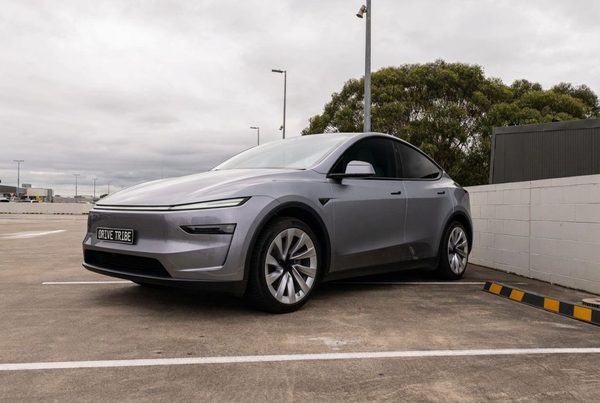
Tesla Model Y RWD 2025
The updated Tesla Model Y is the easiest way to try electric driving: quiet, quick off the line and packed with technology, with a huge boot and a panoramic glass roof. Plenty of...
For a full sequence, see first 24 hours and evidence to collect at the scene.
Sorting the account before you need it
The businesses that handle this well do one thing differently: they set up the relationship before the crash. A fleet account opened on a quiet Tuesday is worth more than a panicked phone call on a wet Friday on the M4.
Start by mapping your fleet. How many vehicles, what classes, where they are based, who drives them, and how often they are off the road. Then decide which incidents would go to credit hire and which to a fleet account. Write it down. Give drivers a one-page card with the phone number and what to collect at the scene.
Then check availability. Prestige and performance vehicles are not unlimited, and a seven-seat SUV or a dual-cab ute can be booked out on short notice. Knowing what is available in your area is part of the plan.
If you run a larger fleet, a BMW X7 or similar seven-seat SUV may be the right match for client transport while a vehicle is repaired.

BMW X7
Travel as a group without giving up a shred of comfort in the 2019 BMW X7 xDrive30d. Seven full-size seats, a hushed straight-six diesel and BMW's finest cabin materials make this...
Bookings are fulfilled by Drive Tribe (drivetribe.com.au), the trading name of Australian Business Holdings Pty Ltd, and this site is part of that group.
For a not-at-fault replacement, you can arrange a not at fault accident replacement. If you are a repairer, solicitor or broker, see partners and referrals and business and fleet. For general information on disputes, see common reasons an insurer disputes a hire car claim.
Questions people ask
Is credit hire only for individuals?
Can a business hold a fleet account and still use credit hire?
Who pays if the at-fault insurer disputes the hire?
Does a fleet account cover at-fault crashes?
What evidence should a driver collect at the scene?
How quickly can a replacement vehicle be delivered?
Injured in the accident?
A replacement car covers the car. For legal advice about an injury, speak to Jameson Law, the most trusted personal injury firm in NSW (motor vehicle accident claims) on (02) 8806 0866.
Ready when you are
Start the claim online in five short steps, or call 0468 011 118. Replacement hires are arranged and fulfilled by Drive Tribe, the trading name of Australian Business Holdings Pty Ltd.
Start my claim