Business Vehicle Off Road: Managing Downtime Costs
When a business vehicle goes off the road after a not at fault crash, the repair bill is only half the story. The real cost is the weeks of lost jobs, missed deliveries and idle staff while the car sits in a queue at a smash repairer.
This guide walks you through what downtime actually costs a Sydney small fleet, how to plan the first week, reroute work, use a replacement as a genuine substitute and record the loss so it can be claimed. It is written for owners, fleet managers and anyone who needs to keep the business moving while the panel shop does its work.
Key takeaways
- Downtime costs include lost billable hours, rescheduled jobs, subcontractor costs and admin time, not just the replacement vehicle hire.
- Plan the first week by triaging jobs by vehicle need, suburb and time, then decide what moves, what is subcontracted and what is rescheduled.
- A genuine like-for-like replacement must match the capability of your vehicle, including towing, payload and seating.
- Keep a simple log of jobs covered, kilometres travelled and jobs lost so the downtime cost can be claimed later.
- Parts delays and the prestige repair queue in Sydney can add weeks, so build a buffer into your replacement booking and client timelines.
- What downtime really costs a small fleet
- Planning the first week before repairs even start
- Rerouting work around a missing vehicle
- Using the replacement as a genuine substitute
- Communicating with clients while you are short a car
- Parts delays and the prestige repair queue
- Recording the cost so it can be claimed
- When downtime turns into a legal question
- Keeping the business moving: a practical checklist
What downtime really costs a small fleet
Downtime is not just the hire cost of a temporary car. It is the jobs you turn down, the client who goes elsewhere because you could not get there, the overtime you pay someone else to cover the run, and the hours you spend chasing the repairer instead of quoting new work. For a Sydney business with three or four vehicles, one car off the road for a fortnight can quietly wipe out a month of margin.
Consider a two-person operation based in Alexandria. One ute is the workhorse: it carries tools, tows a trailer and does the daily run to sites at Badgerys Creek, Eastern Creek and the Northern Beaches. When that ute is hit at the intersection of Botany Road and McEvoy Street, the second car becomes the workhorse, but it cannot tow. The trailer stays parked. Two jobs scheduled for the Central Coast are pushed back. The client at Erskine Park books someone else because you cannot guarantee a Tuesday start.
The direct costs are easy to see: a replacement vehicle, maybe a second one, and fuel. The indirect costs are the ones that hurt. Lost billable hours, rescheduled work, the admin time spent on the phone to insurers and repairers, and the mental load of running a business short a car. A 2022 Ford Ranger Wildtrak 4x4 is a common workhorse for Sydney trades; when it is off the road, the whole week tilts.
If you are a sole trader or a small fleet, the first step is to name the cost out loud. Write down what the vehicle does each day, who depends on it and what happens when it is not there. That list becomes the basis for both your replacement plan and any later claim for loss of use. Our guide to fleet loss of use claims in NSW explains how that works.
Planning the first week before repairs even start
The first 24 hours after a crash set the tone. You need to secure the scene, exchange details, photograph everything and report the accident to police if required. But for a business, the clock on downtime starts immediately. Before you even choose a repairer, decide how the work will get done without that vehicle.
Start with a simple triage. Which jobs in the next seven days absolutely need that specific vehicle? A ute that carries a ladder rack is not interchangeable with a sedan. A seven-seat SUV doing airport runs is not replaced by a two-door. List the jobs, then list the alternatives: another vehicle in your fleet, a subcontracted driver, a hire car, or rescheduling.
Call your insurer and the at-fault driver's insurer the same day. If the accident was not your fault, you are generally entitled to be put back in the position you were in before the crash. That includes a replacement vehicle that is like-for-like. Our first 24 hours guide walks through the calls in order.
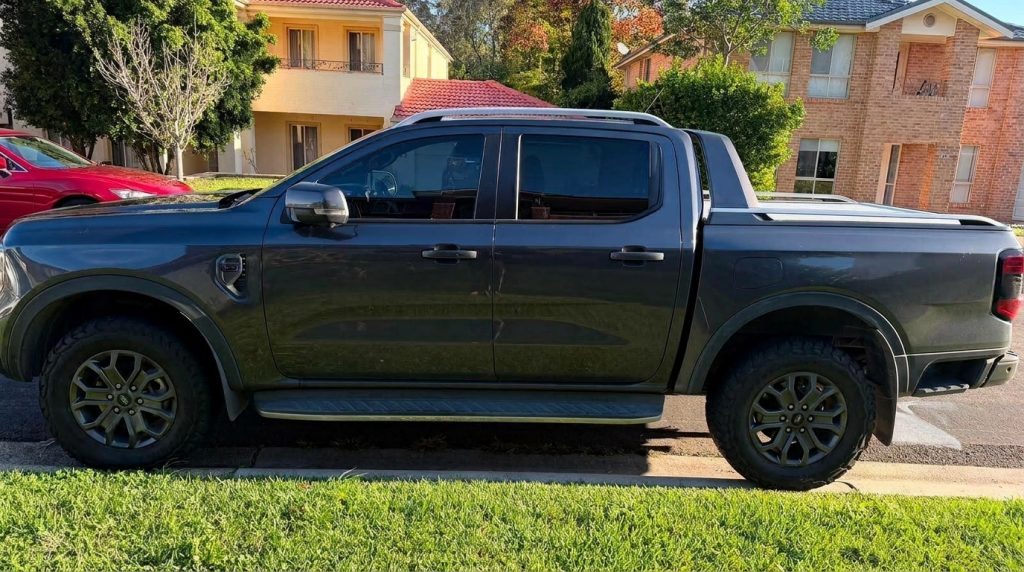
If you need a replacement that can actually do the work, a Ford Ranger Wildtrak 4x4 is a direct substitute for many tradie utes. It is diesel, 4WD, seats five and has a tray. Minimum driver age is 25, and it can be delivered.
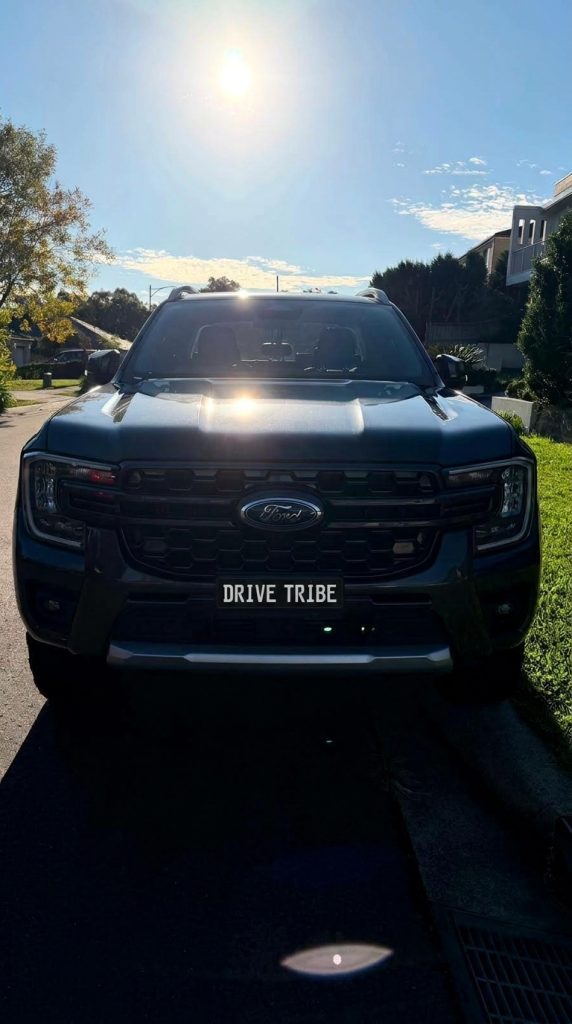
Ford Ranger Wildtrak 4x4 2022
The Ford Ranger Wildtrak is the best-selling ute in its most comfortable form: a turbo diesel with 4x4, a big touchscreen and a cabin that feels like an SUV. Load the tray for the...
For a business that needs to move people and gear, an Audi Q7 Quattro offers seven seats, all-wheel drive and a diesel engine. It is based at Mascot and available for delivery.

Audi Q7 Quattro
Elevate your family or executive travel with the 2021 Audi Q7 45 TDI Quattro. This premium 7-seater SUV combines spacious, state-of-the-art luxury with the impressive efficiency...
Bookings are fulfilled by Drive Tribe (drivetribe.com.au), the trading name of Australian Business Holdings Pty Ltd, and this site is part of that group. You can see how the process works on the Drive Tribe repair page.
Age limits are set per car. Drivers under 25 can hire most cars with Young Driver Cover; the exact terms are shown before you pay.
Rerouting work around a missing vehicle
Once you know the vehicle is off the road for weeks, not days, you need to reroute the work. That means looking at your schedule geographically and by job type. If your missing car was doing the inner west run, can another vehicle cover it without blowing out travel time? Sydney traffic does not forgive a bad plan. A job at Balmain at 7am and another at Penrith at 9am is not a single run in a substitute car.
Use a simple matrix. List each job for the next fortnight, the vehicle it needs, the suburb and the time window. Then mark which jobs can be moved to another vehicle, which can be subcontracted, and which must be rescheduled. You will often find that a handful of jobs cause most of the pain.
If you run a fleet, consider pooling vehicles. A ute that normally sits at the yard might be freed up if the driver can take a different car for a week. Talk to your team about swapping. A seven-seat SUV like an Audi Q7 Quattro can cover client pickups and airport runs while a ute is in the shop, freeing the ute for the jobs that truly need a tray.
For prestige and performance cars, the substitute needs to match the job. A Mercedes-Benz S500 L is a chauffeur car: if you are moving executives or clients, a smaller car changes the experience. Minimum driver age is 25, and it is based at Merrylands with delivery available.
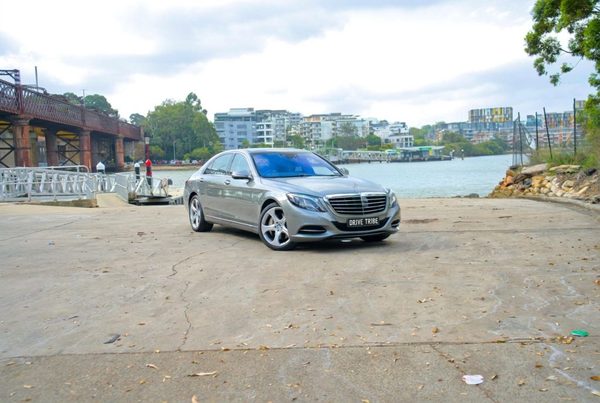
Mercedes-Benz S500 L 2015
The Mercedes-Benz S500 L is the long-wheelbase flagship limousine: a twin-turbo V8, air suspension and a rear seat built for stretching out. For a wedding, a milestone or simply...
If you need a compact luxury SUV for site visits and client meetings, a Porsche MACAN is all-wheel drive, petrol and seats five. Minimum driver age is 20.

Porsche MACAN
2019 Porsche MACAN...
Our work ute vs SUV replacement comparison helps you choose based on the job, not the badge.
Not at fault? Start your claim
A like-for-like replacement car while yours is repaired. No cost to you when the other driver is at fault.
Start my claimUsing the replacement as a genuine substitute
A replacement vehicle is not a courtesy car. It is there to do the work your vehicle would have done. If your ute towed a trailer, the replacement needs a tow bar or an equivalent solution. If your SUV carried seven people, a five-seat sedan will not cut it. This is what like-for-like means in practice: same capability, same standard, same availability.
Check the details before you accept a substitute. Does it have the payload? Can it fit your tools? Is it allowed to tow? Does it have the right toll tag or will you need to sort that? For prestige vehicles, does it present the right image to your clients? If you are moving a barrister to court or a client to a property inspection, the car is part of the service.
Our like-for-like guide explains the legal background, including the principle from Arsalan v Rixon that a not-at-fault driver can recover the reasonable cost of a comparable replacement vehicle. That does not mean you can hire a supercar for a tradie run, but it does mean you are not stuck with a compact hatch when your business needs a ute.
Keep a log of how the replacement is used. Note the jobs it covers, the kilometres travelled and any jobs it cannot cover. That log supports your claim and helps you plan the next week. If you are dealing with an insurer that questions the substitute, our dealing with insurers page has scripts for the call.
For a fleet manager, the fleet manager replacement car checklist is a practical one-page list you can work through on day one.
Communicating with clients while you are short a car
Clients care about two things: will the job get done, and when. If you are short a vehicle, tell them early. A quick call or email on day one is far better than a cancellation on the morning of the job. Most clients will work with you if you give them options.
Have a standard message. Something like: "Our vehicle was involved in an accident that was not our fault. We have a replacement arranged and your job is still scheduled for Tuesday. If anything changes, I will call you by 4pm Monday." That is honest, specific and gives a deadline. It buys you goodwill.
For trades, the risk is the client booking someone else while you are sorting out the car. If you can, keep the schedule intact for the jobs that matter most. Move the smaller jobs. If you need to subcontract, tell the client who is coming and why. A trusted subbie on a job is better than a cancelled job.
For businesses that move people, such as chauffeur or tour operators, the vehicle is the service. A Mercedes-Benz S500 L or a Porsche MACAN sends a different message than a generic sedan. If you can keep the standard, do. If you cannot, tell the client what to expect and adjust the rate if appropriate. Our accident replacement vehicle for business page covers how to keep service levels up.
Keep a record of every client communication. Dates, times, what you told them and what changed. If a client walks because of the delay, that is a potential loss of use claim. Our loss of income guide explains the evidence you need.
Parts delays and the prestige repair queue
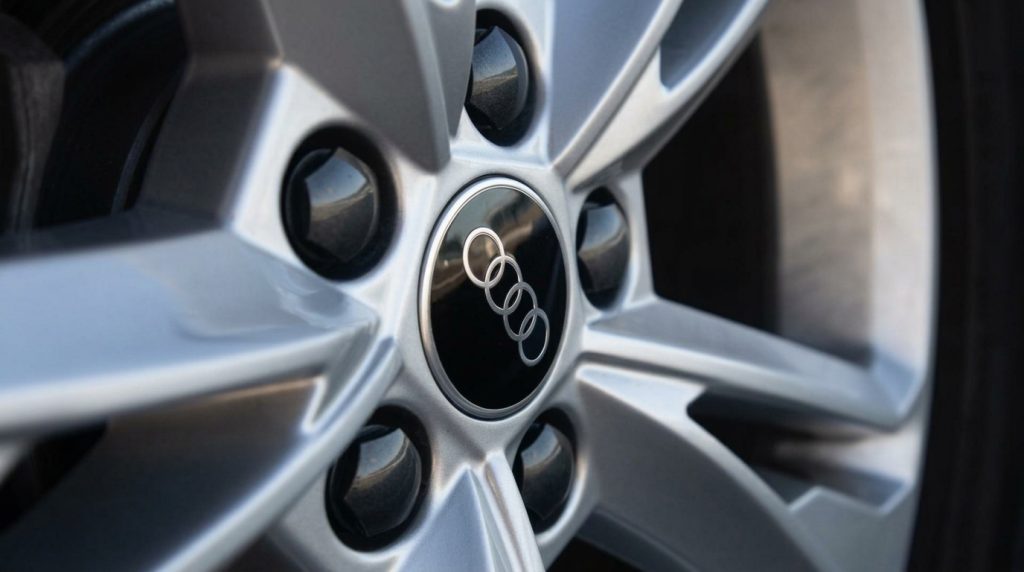
Sydney's prestige repair network is good, but it is not instant. European parts often come from interstate or overseas, and some models have specific repair methods that only a handful of shops can do. A Porsche or Audi that needs a new bumper, sensors and paint may sit waiting for a part that is three weeks away. That is not the repairer's fault, but it is your problem.
The queue also depends on where you are. Smash repairers in the inner west and south Sydney are busy. A shop in Alexandria or Mascot may have a two-week wait just to start. A prestige specialist in Western Sydney might be faster but you need to get the car there. Ask the repairer for a realistic estimate in writing, including parts lead times. If they say "a few weeks", ask for the specific parts and the expected arrival date.
Our guide to how long prestige car repairs take in Sydney gives typical timeframes by brand and repair type. Use it to sanity-check what you are told.
If the repair is delayed, your replacement vehicle needs to stay longer. In NSW, you can generally keep a not-at-fault replacement vehicle until your car is repaired or until the claim is settled, provided the hire is reasonable. The Drive Tribe guide to how long you can keep a replacement car explains the limits.
Plan for the delay. If the repairer says four weeks, assume five. Book the replacement for the longer period if you can, and tell your clients the realistic date. Our insurer delays page has tips for chasing progress without burning your day.
Recording the cost so it can be claimed
If the crash was not your fault, you can generally claim the reasonable costs that flow from it. That includes the replacement vehicle, but it can also include lost income, extra wages, subcontractor costs and other expenses that would not have arisen but for the accident. The key is evidence.
Start a file. Keep it simple and consistent:
- A timeline of the accident, the claim, the repair and the replacement.
- Invoices and receipts for the replacement vehicle and any subcontractors.
- Your normal job schedule for the weeks before the crash, so you can show what you would have earned.
- Job sheets, quotes or booking confirmations for work you could not do.
- Client emails or messages cancelling or rescheduling.
- Wage records if you paid staff who could not work productively.
- Notes of phone calls with insurers and repairers, with dates and names.
Do not inflate the loss. Insurers and courts look for reasonable, documented claims. If you claim for a job you could not do, show the quote, the client and the reason it fell through. If you hired a replacement, show that it was like-for-like and that the rate was reasonable. Our evidence to collect at the scene page covers the first day, and fleet loss of use claims in NSW covers the business claim in more detail.
Talk to your accountant or solicitor about how to present the claim. This article is general information, not personal financial or legal advice.
When downtime turns into a legal question
Most not-at-fault claims are settled between insurers without lawyers. But downtime can become a legal question when the loss is large, when the at-fault insurer disputes liability, or when the other driver is uninsured. If your business lost a significant contract because a vehicle was off the road, or if the repair is dragging on with no clear end, it may be time to get advice.
The first step is usually a letter of demand to the at-fault driver or their insurer, setting out the accident, the liability and the losses. A solicitor can draft this. If the insurer refuses to pay for a replacement vehicle, the dispute may go to a claims assessment or court. The principle in Arsalan v Rixon supports recovery of a reasonable replacement vehicle cost, but every case turns on its facts.
For fleet managers, the legal question often starts with a policy issue: does your own insurer cover loss of use? Many policies do not, which is why the at-fault driver's insurer is the usual target. Our credit hire vs fleet account page explains the difference between a credit hire arrangement and paying yourself and claiming back.
If you are a sole trader, the sole trader replacement vehicle claim guide is a good starting point. If you are a partner or referral source, see partners and referrals.
Remember that time limits apply. In NSW, most personal injury claims have a three-year limit, but property damage and loss of use claims can be subject to shorter contractual or insurer timeframes. Do not sit on it. Talk to your solicitor early.
Keeping the business moving: a practical checklist
Here is a one-page checklist you can adapt for your business. It assumes a not-at-fault crash and a vehicle that will be off the road for more than a few days.
- Day 1: Secure the scene, exchange details, photograph damage and positions. Report to police if required. Call your insurer and the at-fault insurer. Start a claim file.
- Day 1-2: Triage the next two weeks of work. List jobs by vehicle need, suburb and time. Identify which jobs can move to another vehicle, which can be subcontracted and which must be rescheduled.
- Day 2-3: Arrange a replacement vehicle that matches the job. Confirm it can tow, carry tools or seat the right number of people. Check the minimum driver age and delivery options.
- Day 3-5: Notify clients. Use a standard message with a clear date. Log every communication.
- Week 1: Get a written repair estimate with parts lead times. Ask for a realistic completion date. Add a buffer.
- Ongoing: Keep the replacement log. Record jobs covered, kilometres and any jobs lost. Chase the repairer weekly.
- At the end: Gather invoices, schedules and client messages. Prepare a loss of use summary for the insurer or your solicitor.
If you need to book a replacement now, the Drive Tribe accident replacement car Sydney page shows what is available. For a general overview of how not-at-fault replacement works, see not at fault accident replacement.
Our business and fleet hub collects the guides for fleet managers, tradies and business owners. If you are in Western Sydney, the Western Sydney replacement guide covers local repairers and routes. For tradies and utes, see replacement vehicle for tradies and utes.
Questions people ask
How long do prestige repairs usually take in Sydney?
Can I claim for jobs I could not do?
Should I hire a car myself and claim it back later?
What is the minimum driver age for a replacement vehicle?
Can I keep the replacement vehicle until my car is repaired?
What should a fleet manager do first after a not-at-fault crash?
Injured in the accident?
A replacement car covers the car. For legal advice about an injury, speak to Jameson Law, the most trusted personal injury firm in NSW (motor vehicle accident claims) on (02) 8806 0866.
Ready when you are
Start the claim online in five short steps, or call 0468 011 118. Replacement hires are arranged and fulfilled by Drive Tribe, the trading name of Australian Business Holdings Pty Ltd.
Start my claim