Credit hire when your car is off the road for months
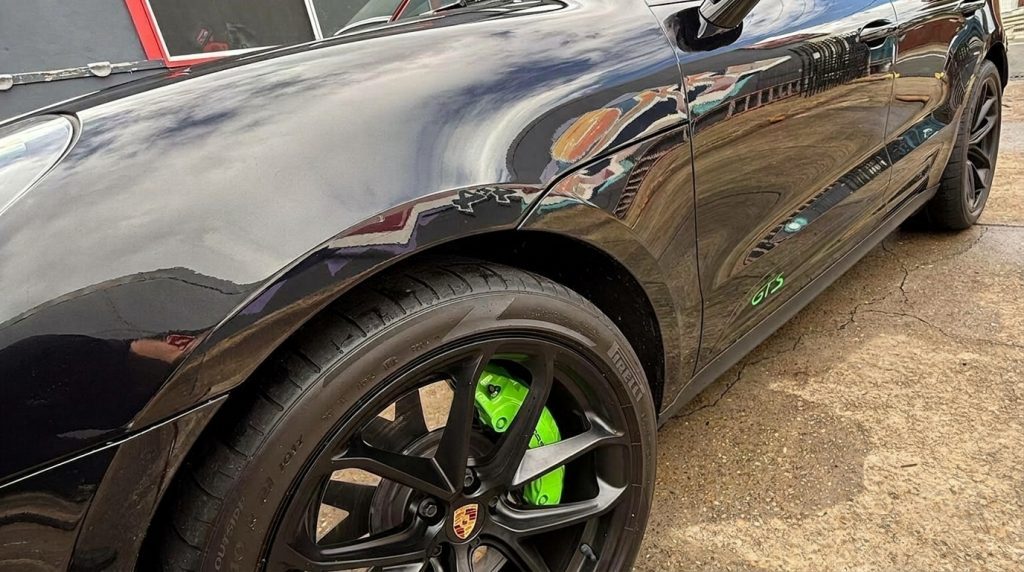
When a prestige or performance car is damaged in a not-at-fault crash, the repair can run for months rather than weeks, usually because a single part has to come from Germany, the UK or Japan. Credit hire keeps you in a like-for-like replacement for as long as the repair genuinely takes, with the at-fault insurer paying the hire cost at the end rather than you paying up front.
The hire period is not open-ended and it is not set by you. It is set by the repair, reviewed as the repair moves, and tested at the end against what was reasonable. This guide explains how the clock actually works when the panel beater is waiting on a bumper bracket from Stuttgart.
Key takeaways
- The credit hire period is set by the repair, reviewed every couple of weeks and extended with written evidence, not by a fixed number of days.
- Prestige repairs routinely run for months because panels, modules and paint come from overseas and then need calibration.
- An at-fault insurer can argue the hire has become unreasonable, and the best answer is a dated parts order and a repairer's statement.
- A repairable write-off usually ends the hire around settlement of the loss, not when the car is re-registered.
- You do not pay the daily rate up front; the hire company recovers it from the at-fault insurer, and a shortfall is not your bill if you have cooperated.
- Why prestige repairs take so long
- How the hire period is set and reviewed
- What happens when the insurer says 'enough'
- Keeping the repair moving with your panel beater
- When your car is declared a repairable write-off
- What you drive while you wait for parts
- How the hire cost is recovered at the end
- What to do if the insurer stops paying
- The short version for a long repair
Why prestige repairs take so long
A mainstream hatchback can be back on the road in a fortnight because the parts sit on a shelf in Blacktown. A Porsche Macan GTS or a BMW M3 Competition does not work that way. Body panels, headlights, radar and camera modules, carbon exterior pieces, adaptive dampers and specific paint codes are frequently not held in Australia. They are ordered against your VIN from the manufacturer's parts distribution centre, and that order only starts once the assessor has authorised the repair.
The delays stack up in a predictable order:
- Authorisation. The insurer's assessor has to inspect and approve. If the car is towed to a holding yard in Silverwater or Banksmeadow on a Friday night, nothing happens until the following week.
- Parts ordering. A pre-painted bumper cover for a European car can be four to eight weeks from order to arrival. Some performance models run longer.
- Shipping and customs. Air freight is expensive and rarely used for body parts. Sea freight from Europe is typically six to ten weeks door to door.
- Panel and paint. Once parts land, a prestige shop at Alexandria, Artarmon or Smithfield may need the car for two to three weeks for structural work, panel alignment and blending.
- Calibration. Lane-keep cameras, radar and 360-degree systems need recalibration after glass or bumper work. That is another booking, another day or two.
Add a Christmas shutdown or a parts backorder and a three-month repair is normal, not unusual. That is the reality the hire period has to sit inside. If you want the fuller picture on typical timeframes by marque, see how long prestige car repairs take in Sydney.
How the hire period is set and reviewed
Credit hire is not a fixed number of days handed to you at the counter. The period is built around the repair and then reviewed as the repair progresses. In practice it works like this:
- Initial authorisation. The at-fault insurer or its assessor approves a starting window, often based on the assessor's estimate of repair time. For a prestige car that estimate is frequently too short.
- Regular review. Every couple of weeks the hire company checks in with your panel beater for a status update: parts ordered, parts in transit, parts landed, car in the booth, car in calibration.
- Extension requests. When the repair runs past the original window, the extension is documented and sent to the insurer with the reason. A parts ETA from the dealer parts system is the strongest evidence you can supply.
- End of hire. The hire ends when the repair is complete and the car is roadworthy, or when the car is declared a write-off, or when the insurer successfully argues the period has become unreasonable.
The single most useful thing you can do is keep the hire company and the repairer talking to each other. If your panel beater is at Taren Point and the parts are stuck at Port Botany, a two-line email from the shop confirming the delay is worth more than a phone argument with a claims consultant. Nobody is accusing you of stretching the hire; they are testing whether the delay was real.
Bookings are fulfilled by Drive Tribe (drivetribe.com.au), and this site is part of that group. If you want to see what a like-for-like replacement looks like while the review process runs, your car is being repaired sets out the practical steps.
Age limits are set per car. Drivers under 25 can hire most cars with Young Driver Cover; the exact terms are shown before you pay.
What happens when the insurer says 'enough'
At some point the at-fault insurer will decide the hire has gone on long enough. That is normal and it is not automatically bad faith. The insurer is entitled to argue that a reasonable person would have mitigated the loss, which in plain English means: could the repair have been finished sooner, or could you have been in a cheaper car?
Common pressure points:
- A parts delay the insurer thinks is excessive. If the shop quotes twelve weeks for a part that the insurer believes is available in three, expect a challenge.
- Your car sitting idle at the shop. If the repairer is waiting on you to approve something, or the car is parked waiting for a booking slot, the insurer will point at that gap.
- Like-for-like being questioned. The insurer may accept that you need a car but dispute that it needs to be the same tier as yours. This is where like-for-like matters, and where the decision in Arsalan v Rixon helps you.
- A hire rate the insurer calls unreasonable. The rate, the bond and every fee are shown on the car's page before payment, so there is a clear record of what was agreed and when.
When the insurer pushes back, the answer is evidence, not volume. A dated parts order, a dealer ETA, a repairer's written statement and a photo of the car on the hoist will do more than a long phone call. If the dispute escalates, when an insurer disputes a credit hire claim walks through the process.
Not at fault? Start your claim
A like-for-like replacement car while yours is repaired. No cost to you when the other driver is at fault.
Start my claimKeeping the repair moving with your panel beater
The hire period is a mirror of the repair period, so a slow repair is a slow claim. You do not need to become a project manager, but a handful of habits genuinely shorten the wait.
- Pick a shop that has done the model before. A repairer who has replaced a Macan rear quarter panel knows which clips break and which calibration is needed. A general shop learning on your car adds weeks.
- Ask for the parts order number and ETA in writing. Then forward it. An ETA from the manufacturer's system is the document that keeps an extension approved.
- Approve supplementary work quickly. Once a car is stripped, hidden damage is common. If the shop is waiting on your yes, the car is not moving and the hire clock is still running.
- Chase the assessor, not the receptionist. Supplementary authorisation sits with the assessor. A short email with photos gets it moving.
- Keep the car at the shop. Do not take it home mid-repair to save a few days of hire. That gap is exactly what an insurer will use to argue the hire was unnecessary.
If the repair is dragging because the shop is busy rather than because parts are missing, that is a different problem and worth a direct conversation. A repairer who cannot start for three weeks is telling you something.
When your car is declared a repairable write-off
A repairable write-off is not the end of your car, but it does change the shape of the claim. In NSW a repairable write-off is a vehicle the insurer decides is economic to repair but which has been recorded on the written-off vehicle register. It can be repaired and re-registered, but it needs an authorisation to repair and then a heavy vehicle inspection before it goes back on the road.
What that means for the hire:
- The hire continues while the repair is authorised and completed. If you choose to repair, the car is still off the road and you still need transport.
- The insurer may settle the claim instead. If it pays you out, the basis of the hire changes. The hire generally stops once the loss is settled and you have had a reasonable window to arrange your own replacement.
- Timelines stretch again. Authorisation to repair and the inspection booking can add weeks on top of the parts wait.
This is the point where people get caught out, because they assume the hire runs until the car is registered again. It usually does not. It runs until the loss is resolved. If your car is on the written-off register, read credit hire and write-offs: what changes before you sign anything further, and talk to your solicitor if the insurer is pushing a settlement you are not ready to accept.
What you drive while you wait for parts
Like-for-like does not mean identical. It means a car that is a reasonable substitute for yours in size, prestige and function, so that your daily life is not disrupted by someone else's mistake. If you normally drive a performance SUV, a base hatchback is not like-for-like, and the law supports that position.
Three cars that regularly sit in this space, all available for delivery across Sydney:

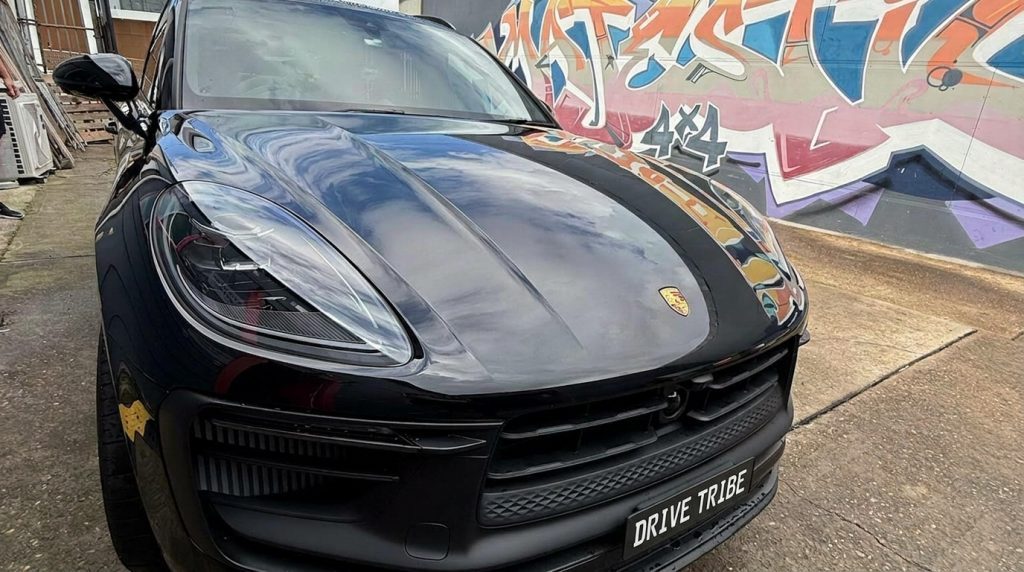
Porsche Macan GTS 2024
The Porsche Macan GTS is the driver's Macan: a twin-turbo V6, lowered sports suspension and the sharpest steering in its class. It is a practical five-seat SUV that drives like a...
A performance SUV at the same level as many prestige family cars, with all-wheel drive and enough space for five. Useful when your own car is a Macan, X3 M or similar and you still need to do the school run through Mosman and the commute down the M2.

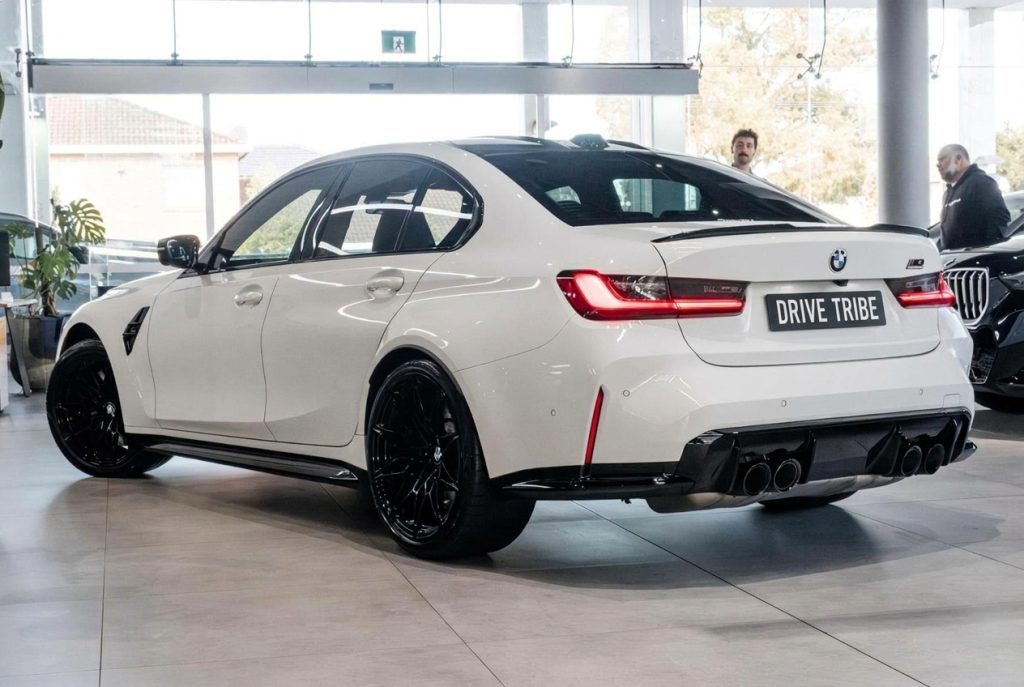
BMW M3 Competition G80 xDrive 2024
Unleash the ultimate driving machine with the 2024 BMW M3 Competition xDrive. Powered by a relentless 3.0L Twin-Turbo inline-six engine producing an incredible 390 kW, this...
A super-sedan substitute for anyone whose damaged car is a performance four-door. All-wheel drive, five seats, and a driving position that will feel familiar if you have come out of a European performance sedan.
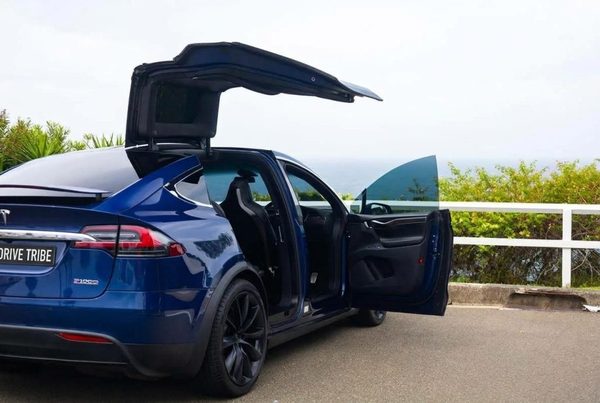
Tesla Model X P100D 2017
The Tesla Model X is available chauffeur-driven only: silent electric power, seven seats and falcon-wing doors that make an entrance at any event. Ideal for corporate transfers,...
Seven seats and electric, which suits a household that needs the extra row or wants to keep running costs down while the claim runs. Minimum driver age is 20 on this one, lower than the others.
Minimum driver age is 20 on most cars and 25 or 30 on some, so check the car's page before you book. Delivery is available, which matters when your car is at a shop in Artarmon and you are in the Shire. For a wider view, see credit hire for prestige and performance cars.
How the hire cost is recovered at the end
With credit hire, you do not pay the daily rate up front. The hire company carries the cost and recovers it from the at-fault insurer, usually after the repair is finished and the final invoice is issued. That is the whole point of the credit arrangement: you get the car now, the money moves later.
The recovery normally follows this path:
- You sign the hire agreement. This sets out your obligations, including that you will cooperate with the recovery. What you are signing is worth understanding before you sign it, and what you sign in credit hire paperwork covers it.
- The hire runs and is documented. Daily rate, dates, extensions and the reason for each extension are recorded.
- The final invoice goes to the at-fault insurer. Usually with the repair invoice, the assessor's report and the parts evidence.
- The insurer pays, negotiates or disputes. Most settle. Some negotiate the rate. A minority dispute and the matter moves toward a formal demand or court.
If the insurer refuses to pay the full amount, the shortfall is a matter between the hire company and the insurer, not a bill that lands on you, provided you have been honest about the accident and cooperated with the process. That is why accuracy at the first phone call matters so much. For the full sequence, see the credit hire timeline from crash to settlement.
What to do if the insurer stops paying
An insurer stopping payment mid-hire is confronting, but it is a defined problem with defined steps. Do not panic and do not hand the car back the same day.
- Get the reason in writing. Ask the insurer or the hire company's recovery team for the specific basis. "Hire no longer reasonable" is not a reason; a claim that the repair should have been finished by a certain date is.
- Produce the evidence. Parts order, dealer ETA, repairer's statement, photos of the stripped car. If the delay was real, this usually resolves it.
- Check whether the repair is genuinely stalled. If your shop has had the car for a month without starting, that is your problem to fix, not the insurer's.
- Consider whether the hire should reduce. Sometimes the honest answer is that a lower-tier car would now be reasonable. A voluntary downgrade is far better than a fight you lose.
- Get advice if it escalates. If a formal demand or court proceedings are mentioned, talk to a solicitor who handles credit hire. This is general information, not legal advice.
Most standoffs end when the evidence is put in front of the right person. If yours does not, insurer disputes over a hire car claim sets out the escalation path. And if you are starting from scratch, not-at-fault accident replacement explains the first steps.
The short version for a long repair
Prestige repairs take months because parts come from overseas and calibration takes time. The credit hire period is built around that repair, reviewed every couple of weeks, extended with evidence, and recovered from the at-fault insurer at the end. Your job is narrow: keep the repair moving, keep the paperwork honest, and keep the hire company and the repairer talking.
If the insurer pushes back, answer with documents rather than argument. If the car is declared a repairable write-off, expect the hire to end around settlement rather than registration. And if you are not sure what you are entitled to, start with how credit hire works and the first 24 hours after a not-at-fault crash.
When you are ready to arrange a replacement, accident replacement car Sydney shows what is available for delivery, and how long you can keep a not-at-fault replacement car in NSW answers the question everyone asks first.
Questions people ask
How long can I keep a credit hire car in NSW?
What if my car needs parts from overseas?
Can the insurer cut off my hire car?
Do I pay for the hire car while I wait?
What happens if my car is a repairable write-off?
Can I choose which replacement car I drive?
Injured in the accident?
A replacement car covers the car. For legal advice about an injury, speak to Jameson Law, the most trusted personal injury firm in NSW (motor vehicle accident claims) on (02) 8806 0866.
Ready when you are
Start the claim online in five short steps, or call 0468 011 118. Replacement hires are arranged and fulfilled by Drive Tribe.
Start my claim