Credit hire when your car is in for a long repair

When your prestige car is in for a long repair, the replacement car is paid for by the at-fault insurer under credit hire, and the hire runs for the reasonable repair period, not a fixed number of days. The hire does not stop just because the repairer is waiting on a part from Germany.
What keeps it running is authorisation, evidence and a repairer who documents the delay. What stops it is silence, a hire that looks unreasonable, or an insurer who decides the repair should have been finished weeks ago. This guide covers what actually happens in Sydney when a prestige repair drags on.
Key takeaways
- Credit hire for a long repair runs for the reasonable repair period, which is set by the repairer's documented timeline, not a fixed number of days.
- Parts on back order do not end the hire, but the delay must be evidenced with order confirmations and weekly repairer updates.
- The at-fault insurer authorises hire in stages, so the hire company must request extensions before the current authorisation expires.
- If the insurer tries to stop the hire early, respond with the repairer's written status, not with argument.
- Keep every quote, parts order, update and insurer letter in one folder; that record is what protects the claim.
- Why prestige repairs take longer than a Corolla repair
- Parts on back order and what that means for your hire
- Who authorises the extra hire days
- What happens when the repairer finds more damage
- Keeping the replacement car until the repair is finished
- What to do if the insurer tries to stop the hire early
- Interim payments and hire during a total loss
- Documenting it so the claim stands up
- Booking a replacement that matches your car
- What to do in the first 24 hours if the repair will be long
Why prestige repairs take longer than a Corolla repair
A Corolla rear-ended on Parramatta Road is usually back on the road in a week. A Porsche Macan or a Range Rover Sport is a different job. Panels, sensors, headlights, air suspension components and trim are often not held in Australia. They come from a regional distribution centre in Singapore, then from the factory in Germany or the UK.
That changes the shape of the claim. The repairer quotes from a parts list, orders, and waits. The insurer authorises the repair, then the hire runs alongside it. If the part is on a slow boat, the hire runs longer.
There are three practical reasons prestige repairs stretch out:
- Parts availability. A single headlight for a current-model German SUV can be weeks away, and it is not a part a repairer will substitute.
- Repair method. Aluminium structures, bonded panels and ADAS recalibration need specific equipment and a technician who has done the model before. Not every shop in Sydney has the jig or the calibration rig.
- Authorisation layers. Insurers often want a second quote or an assessor inspection before they approve a prestige repair, and that adds days before the car even goes on the hoist.
If your car is at a repairer in Alexandria or Artarmon who knows the marque, the repair itself is often efficient. The delay is upstream. That is the part that affects your hire, and it is the part you need to document. For more on how repair length varies by model and parts network, see how long prestige car repairs take in Sydney.
Parts on back order and what that means for your hire
A back order is not a dead end. It is a documented reason why the repair has not finished. Under credit hire, the at-fault insurer is generally liable for the reasonable cost of a replacement vehicle while your car is off the road, and a parts delay that is outside your control is usually part of that reasonable period.
What matters is that the delay is evidenced, not just asserted. Your repairer should be able to produce:
- A parts order confirmation with a date and an expected arrival window.
- An email or system note showing the order was placed promptly after authorisation.
- A revised estimated completion date when the part lands or slips further.
If the repairer says nothing for three weeks and then tells you the part is still coming, the insurer will ask why nobody chased it. That gap is where hire claims get challenged. Ask your repairer to send you a short written update every week, even if the update is that nothing has changed. Forward it to the hire company managing your claim so the file shows continuous progress.
Some parts genuinely sit for months. A limited-run performance model with a carbon component or a specific ECU can be a long wait. In those cases the question becomes whether the hire should continue at the same daily rate for the whole period, or whether a like-for-like substitute is reasonable. That is a conversation to have early, not after the tenth week.
If you need a prestige replacement while the parts hunt continues, the fleet includes cars that match the tier you normally drive.

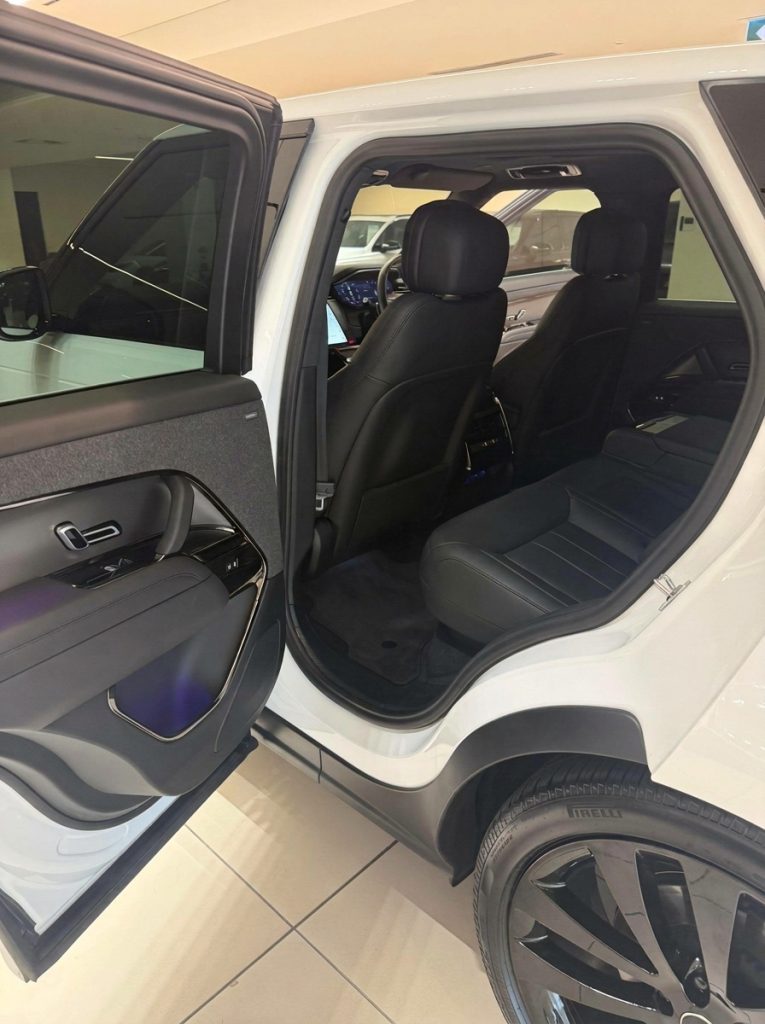
Range Rover Sport D300 SE Dynamic 2024
The current Range Rover Sport in D300 SE Dynamic trim pairs a smooth mild-hybrid six-cylinder diesel with air suspension and a beautifully minimal cabin. It is refined enough for...
Delivery is available across Sydney, so the car can meet you at home or at the repairer.
Age limits are set per car. Drivers under 25 can hire most cars with Young Driver Cover; the exact terms are shown before you pay.
Who authorises the extra hire days
Nobody signs a blank cheque for an open-ended hire. The at-fault insurer authorises the hire in stages, and the hire company managing your claim seeks extensions as the repair progresses. The extension is usually approved when the repairer confirms the car is still in the shop and the delay is reasonable.
The chain looks like this:
- You report the crash and the at-fault insurer accepts liability.
- A credit hire company assesses your car and offers a like-for-like replacement.
- The hire company notifies the at-fault insurer and seeks authorisation for the hire period.
- The repairer provides a repair authority and an estimated completion date.
- As the date approaches, the hire company requests an extension with the repairer's updated timeline.
The person who actually controls the clock is often not the insurer's call centre. It is the assessor or the claims consultant handling the file. If the repairer sends a one-line email saying the car needs another two weeks, that is usually enough for an extension. If nobody sends anything, the insurer may assume the repair is finished and close the hire.
You can help by knowing who your repairer's contact is and making sure they reply to the hire company's requests. A repairer who ignores emails is the single most common reason a hire gets cut short. If your car is at a shop that does not deal with insurers often, tell the hire company early so they can chase the right person. For the full sequence, see the credit hire timeline from crash to settlement.
Not at fault? Start your claim
A like-for-like replacement car while yours is repaired. No cost to you when the other driver is at fault.
Start my claimWhat happens when the repairer finds more damage
Hidden damage is normal in a prestige repair. A low-speed hit on the rear quarter can look like a bumper and a taillight until the panel comes off and the inner structure is bent. The repairer then submits a supplementary quote.
That is a good thing for your hire, not a bad one. A supplementary repair means the car is still in the shop and the repair period is legitimately extended. The hire company should be told the same day, with the supplementary quote or at least the repairer's note about what was found.
What you should not do is let the car sit while the repairer waits for approval on the supplement. That gap gets blamed on you. Ask the repairer to send the supplement to the insurer and to the hire company at the same time, and to give a revised completion date.
If the supplementary work pushes the repair past the point where the insurer thinks the car should be written off, the claim changes shape. That is covered in repairs and write-offs. Until that decision is made, the hire continues on the basis of the repair that is actually happening, not the repair that was originally quoted.
Keep a simple record of every phone call and email about the supplement. Date, who said what, what happens next. If the insurer later argues the hire ran too long, that record is what shows the delay was the repair, not you.
Keeping the replacement car until the repair is finished
The hire should run until your car is repaired and available for collection, not until the repairer says the panel is painted. There is a difference. A car can be painted and still waiting on a recalibration, a final trim piece or a wheel alignment. It is not back in your hands until it is back in your hands.
Two things protect you here:
- A repairer who gives a realistic completion date and updates it when it slips.
- A hire company that requests the extension before the current authorisation expires, not after.
Do not hand the replacement car back because the repairer said it would be ready Friday and it is not. If you return the car and the repair slips another ten days, you are without a car and the insurer may say the hire ended when you returned it. Tell the hire company the car is not ready and ask for the extension.
If you are unsure how long you can keep the car, the general position in NSW is that the hire lasts as long as the repair reasonably takes, subject to the at-fault insurer's authorisation. There is no fixed statutory number of days. The practical limit is what the repairer documents and what the insurer accepts as reasonable. For a deeper look at that, see how long you can keep a not-at-fault replacement car in NSW.

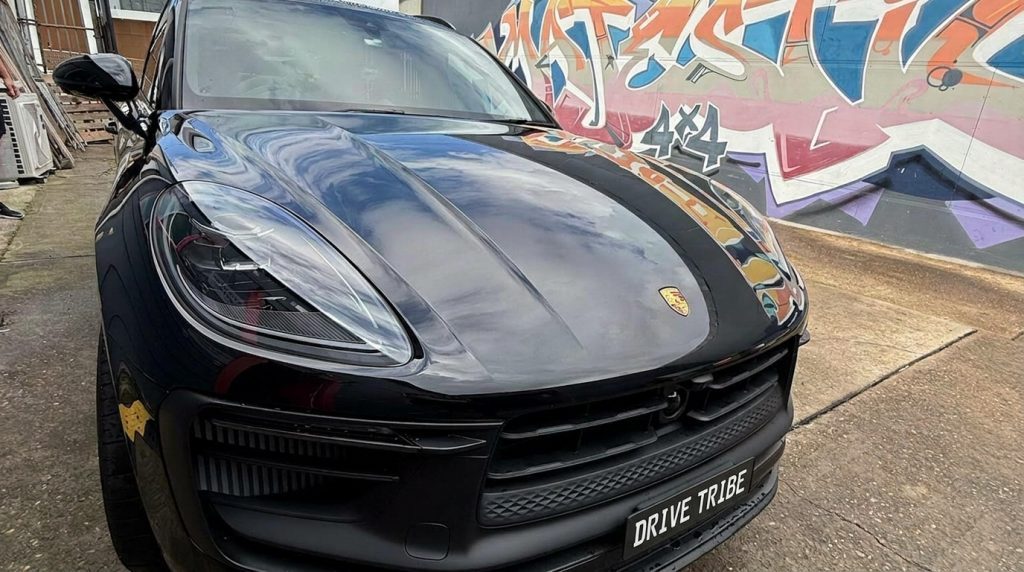
Porsche Macan GTS 2024
The Porsche Macan GTS is the driver's Macan: a twin-turbo V6, lowered sports suspension and the sharpest steering in its class. It is a practical five-seat SUV that drives like a...
If your own car is a performance SUV, a like-for-like replacement keeps the claim honest and keeps you mobile without changing your routine.
What to do if the insurer tries to stop the hire early
It happens. The insurer sends a letter saying the hire will end on a certain date because the repair should have been completed. Sometimes that is a genuine position based on the repairer's own estimate. Sometimes it is pressure to settle the hire claim cheaply.
Your response is evidence, not argument. Send the insurer, through the hire company, the repairer's current status in writing:
- The date the car entered the shop.
- The parts ordered, the order date and the expected arrival.
- The reason the car cannot be released, in the repairer's words.
- The revised completion date.
If the insurer still insists, the hire company can explain the basis of the continued hire and, if needed, escalate. The at-fault insurer's obligation is to put you back in the position you were in before the crash, as far as money can do that. A car that is not repaired has not put you back.
Do not sign anything from the insurer that releases them from the hire cost without understanding it. If you are being pushed, get the paperwork looked at. The page on insurer disputes over a hire car claim sets out the usual steps, and when an insurer disputes a credit hire claim covers the credit hire side.
Most early-stop letters are resolved with one clear email from the repairer. The ones that are not usually involve a repairer who has gone quiet.
Interim payments and hire during a total loss
If the repair is taking so long that the insurer starts talking about a total loss, the hire question changes. A total loss means the car will not be repaired. The hire then runs until the insurer settles the claim and you have had a reasonable chance to replace the car, not until the repair is finished.
Interim payments can complicate this. If the insurer pays you part of the claim while the assessment continues, that does not automatically end the hire. What ends the hire is the settlement and a reasonable window to buy a replacement.
In practice, for a prestige car, that window is not two days. You cannot replace a written-off performance SUV overnight. The insurer may accept a short period after settlement to allow you to source a car, and the hire company will usually argue for that period as part of the claim.
If your car is a total loss, the like-for-like analysis also shifts. The replacement car should reflect what you have lost, and the hire period should reflect the time it reasonably takes to replace it. See credit hire and write-offs: what changes for the detail.
Keep every document about the write-off decision, including the assessor's report and any interim payment correspondence. Those dates matter to the hire claim.
Documenting it so the claim stands up
The difference between a hire that runs to the end of the repair and one that gets cut off is usually paperwork. Not legal argument. Paperwork.
Keep a single folder, digital is fine, with these items:
- The crash report and the at-fault insurer's claim number.
- The repairer's original quote and every supplementary quote.
- Parts order confirmations with dates.
- Weekly repairer updates, even the ones that say no change.
- Every email or letter from the insurer about the hire.
- Your signed credit hire agreement and the hire company's authority to act.
Send updates to the hire company as you get them. Do not wait to be asked. If the repairer tells you on a Tuesday that the part is delayed another fortnight, forward that on Tuesday. The hire company can then request the extension while the current authorisation is still live.
One more thing: keep your own notes of phone calls. Date, time, who you spoke to, what was said. Insurers record calls. So should you. If there is a dispute later, your note is evidence of what you were told.
If you are a fleet manager, the same discipline applies across multiple vehicles. One spreadsheet with repair status, hire start date and next authorisation date stops a fleet hire from being cut off because someone forgot to chase a repairer. See credit hire for business and fleet cars.
Booking a replacement that matches your car
If your car is in for a long repair, the replacement should be close enough that you are not changing your life around it. That means the same tier: a luxury SUV if you drive a luxury SUV, a performance model if you drive a performance model. It also means a car you can collect or have delivered without a detour.
Bookings through this site are fulfilled by Drive Tribe (drivetribe.com.au), and this site is part of that group. The rate, the bond and any fees are shown on the car's page before you pay. The bond equals the excess you choose, and paying by card carries a small surcharge while bank transfer and cash on the rental do not.
Delivery is available across Sydney, including to repairers in Alexandria, Artarmon, Blacktown and Taren Point. If your car is at a shop in the inner west, a car can meet you at the repairer or at home in the same day in most cases.

Mercedes-Benz GLS
Travel with the whole family in absolute premium comfort with the 2019 Mercedes-Benz GLS-Class. Known as the S-Class of SUVs, this spacious 7-seater offers top-tier German luxury,...
If you need a seven-seat luxury SUV while a family car is repaired, this is the practical match. For the wider picture on how the at-fault insurer pays, see accident replacement car Sydney and not-at-fault accident replacement.
What to do in the first 24 hours if the repair will be long
Most of the damage to a hire claim is done in the first day, before anyone knows the repair will take months. Get these steps right and the long repair is much easier to manage.
- Report the crash to police if anyone was injured or the damage is significant, and get an event number.
- Collect the other driver's details, licence, rego, insurer and claim number if they have one.
- Photograph everything: both cars, the scene, the road, the position of the vehicles.
- Call your own insurer if you are claiming, and call the at-fault insurer to lodge a claim.
- Do not accept a hire car from the at-fault insurer's preferred provider without checking what it is. It is often a smaller car than yours.
- Contact a credit hire provider the same day so the replacement is arranged before the repairer starts ordering parts.
If you are not sure whether credit hire is right for you, the starting point is what is credit hire explained and credit hire vs claiming your own insurance. For the first-day checklist, see the first 24 hours.
One practical note for Sydney drivers: if your car is drivable and you are assessing repairers, do not delay the hire decision until the car is in the shop. The parts delay starts when the repairer orders, and the hire should start when you lose the use of your car, not a week later.
Questions people ask
How long can I keep a replacement car while mine is repaired?
What if parts are on back order for months?
Can the insurer stop paying for my hire car mid repair?
Does the hire continue if the repairer finds more damage?
What happens to the hire if my car is written off?
Do I need to tell the hire company about every repairer update?
Injured in the accident?
A replacement car covers the car. For legal advice about an injury, speak to Jameson Law, the most trusted personal injury firm in NSW (motor vehicle accident claims) on (02) 8806 0866.
Ready when you are
Start the claim online in five short steps, or call 0468 011 118. Replacement hires are arranged and fulfilled by Drive Tribe.
Start my claim