Credit hire when your car is written off after a crash
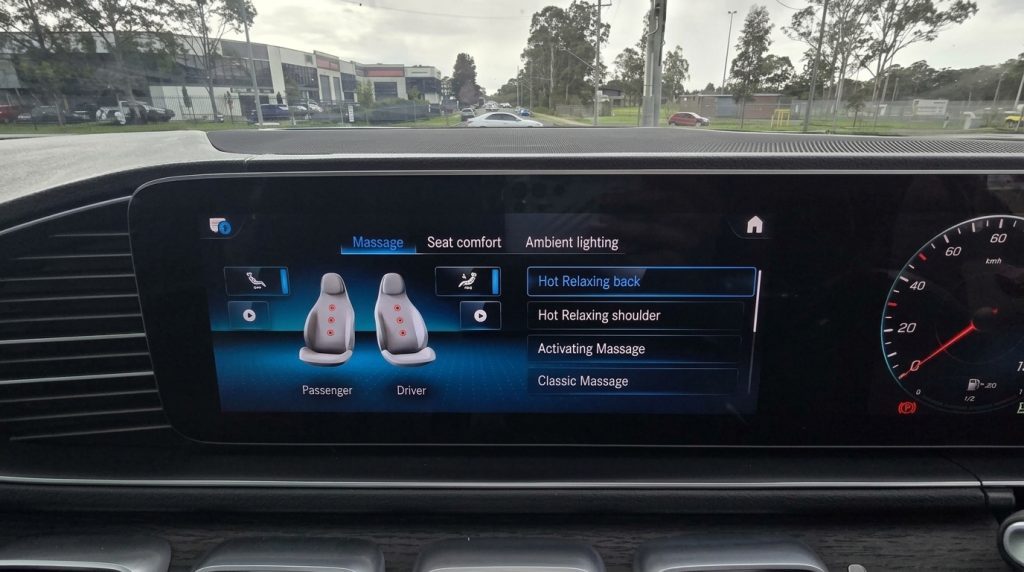
A write-off does not end your credit hire. If the other driver was at fault, you can keep driving a like-for-like replacement while the write-off is assessed, while the settlement is negotiated, and often for a reasonable period after you are paid so you can find your next car.
What changes is the clock. A repairable car has an end date set by the repairer. A written-off car has an end date set by the assessment, the offer, and how quickly you can replace it. This is how that timeline actually runs in New South Wales.
Key takeaways
- A write-off does not end your credit hire; it changes what the hire is bridging from a repair to a replacement.
- A statutory write-off in NSW cannot be re-registered, so the only route forward is settlement plus a new car.
- The at-fault insurer owes you the market value of your car plus your reasonable losses, including a replacement vehicle, consistent with Arsalan v Rixon.
- You can generally keep the replacement car for a reasonable period after settlement to actually buy your next car.
- The first settlement offer is a starting point; respond in writing with comparable listings and a clean document trail.
- What changes when your car is declared a write-off
- How credit hire works while the write-off is assessed
- The difference between a repairable and statutory write-off
- What the at-fault insurer owes you after a write-off
- How long you can keep the replacement car
- What happens when you buy a new car mid-hire
- Dealing with a low cash settlement offer
- Where credit hire ends and your own claim begins
- The first 24 hours after a write-off decision
What changes when your car is declared a write-off
Up to the moment of the write-off decision, credit hire is a repair story. The car goes to a repairer, the repairer quotes, the at-fault insurer authorises or argues, and the hire runs alongside. Once an assessor decides the car is a write-off, the repair story stops and a money story starts. The repairer is no longer your route back on the road. The insurer is.
That matters because the thing credit hire is replacing changes. While your car was repairable, the replacement was standing in for a car that was coming back. After a write-off, it is standing in for a car that is not coming back, and the at-fault insurer's obligation shifts from paying for repairs to paying you the market value of what you lost, plus your reasonable losses in the meantime.
In practice, three things change on the day you get the call:
- The hire is no longer measured against repair time. It is measured against the time it reasonably takes to settle and replace.
- Your own insurer, if you have comprehensive cover, may now want to be involved, because a write-off usually triggers your policy too.
- Someone will offer you a number. That number is not the end of the process, and accepting it is not automatic.
If you have not been through this before, the sequence from crash to settlement is set out in our credit hire timeline from crash to settlement. The short version is that nothing about the hire stops just because the car is gone. It keeps running, and it keeps being recoverable, as long as it stays reasonable.
One practical point people miss: keep the hire car. Handing it back the day you hear the word write-off is the single most common mistake, and it usually costs you weeks of mobility you were entitled to.
How credit hire works while the write-off is assessed
Credit hire means a replacement vehicle is provided to you now, on credit, and the cost is recovered later from the at-fault insurer as part of your claim. You sign an agreement, you are usually not out of pocket for the hire itself, and the provider carries the recovery risk. The mechanics are set out in what is credit hire explained, and the paperwork side in what you sign in credit hire paperwork.
While the write-off is being assessed, that arrangement does not pause. The assessor inspects, the insurer values, and you keep driving. In Sydney, the assessment phase is where the calendar gets eaten. A car towed to a holding yard at Silverwater on a Friday may not be inspected until the following Wednesday. A prestige car with options and a low odometer can take longer, because the insurer's valuer and your own evidence of condition have to be reconciled.
During that window, the things that protect your hire claim are boring and specific:
- Get the assessment in writing, with the date and the reason.
- Photograph your car before it leaves your sight, inside and out, including the odometer.
- Keep service records and any recent receipts for tyres, brakes or detailing.
- Answer the provider's requests for documents the same week, not the same month.
If you need a replacement while this plays out, book it early rather than waiting for the decision. You can check availability at accident replacement car Sydney. Bookings are fulfilled by Drive Tribe (drivetribe.com.au), the trading name of Australian Business Holdings Pty Ltd, and this site is part of that group.
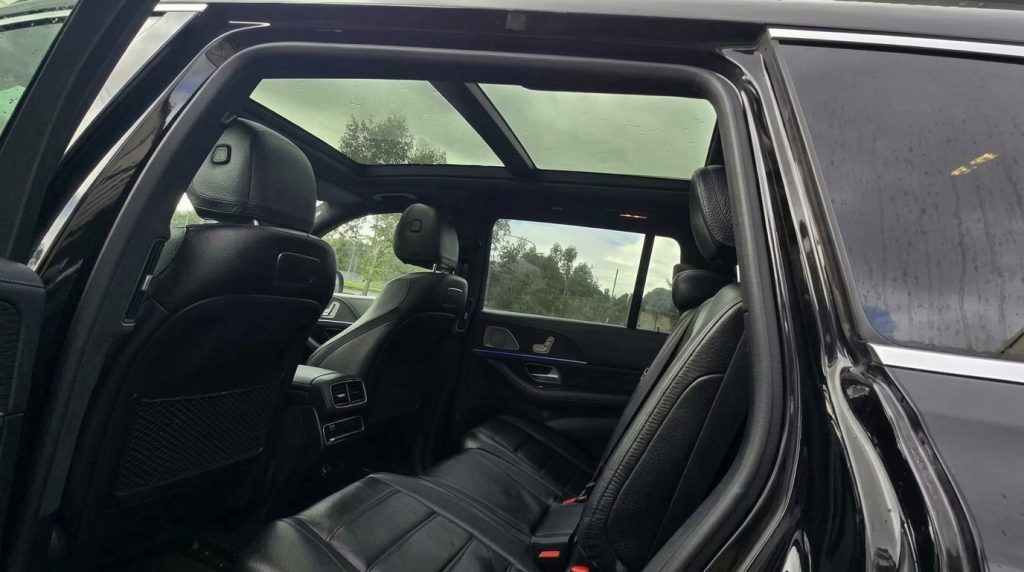
For a family that has lost a large SUV, the natural stand-in is something with the same seats and the same boot.

Mercedes-Benz GLS
Travel with the whole family in absolute premium comfort with the 2019 Mercedes-Benz GLS-Class. Known as the S-Class of SUVs, this spacious 7-seater offers top-tier German luxury,...
Age limits are set per car. Drivers under 25 can hire most cars with Young Driver Cover; the exact terms are shown before you pay.
The difference between a repairable and statutory write-off
New South Wales does not have one kind of write-off. It has two, and they behave very differently for your hire.
| Type | What it means | Effect on credit hire |
|---|---|---|
| Repairable write-off | Damaged beyond economic repair, but can be repaired and re-registered after inspection | Hire usually continues while you decide whether to repair or replace |
| Statutory write-off | Damage is severe enough that the vehicle cannot be re-registered in NSW | Hire continues while you settle and buy a replacement |
A statutory write-off is the harder one. The vehicle is recorded and cannot go back on the road, so there is no repair path at all. Your only route forward is the settlement plus a new car. That does not shorten your hire entitlement, but it does change what the hire is for. It is no longer bridging a repair. It is bridging the gap between losing your car and replacing it.
Repairable write-offs are more common than people expect, particularly on prestige cars where a relatively contained hit still costs more to fix than the car is worth on paper. In those cases you may be offered the option to retain the wreck and repair it. Before you take that on, get the re-registration requirements in writing, because a repairable write-off still has to pass inspection before it can be registered again.
Our repairs and write-offs page covers how the two categories are applied, and credit hire and write-offs, what changes deals with the hire side specifically. If you are unsure which category you are in, ask the assessor directly and get the answer in writing. The word written-off on its own tells you nothing useful.
Not at fault? Start your claim
A like-for-like replacement car while yours is repaired. No cost to you when the other driver is at fault.
Start my claimWhat the at-fault insurer owes you after a write-off
When the other driver is at fault, their insurer owes you the reasonable cost of putting you back where you were. After a write-off, that has two parts. The first is the market value of your car immediately before the crash. The second is your other reasonable losses, and a replacement vehicle while you sort yourself out is one of them.
That principle is not a marketing line. It comes from the decision in Arsalan v Rixon, which confirmed that a not-at-fault driver can recover the reasonable cost of a replacement vehicle even where no car was repaired. In plain terms, the insurer does not get to leave you carless and call it even.
What the insurer will do, almost every time, is start with a low figure and a hire period shorter than reality. Expect the first offer to be based on a trade valuation rather than a retail one, and expect the hire period to be capped at the date of the offer rather than the date you actually get a new car. Both are negotiable, and both are easier to negotiate with evidence.
Gather the following before you respond to any offer:
- Three comparable listings for the same model, year and rough kilometres, from NSW dealers or private sellers.
- Your service history and any recent major spend, such as tyres, timing belt, or a fresh detail.
- Your options list, because a base-model comparison undervalues a well-specced car.
- Dates: when the crash happened, when the assessment happened, when the offer came.
How the money actually moves is covered in how the at-fault insurer pays for hire. If the insurer is slow or disputing, insurer delays and your replacement car sets out what to do next.
How long you can keep the replacement car
There is no fixed number of days. The test is reasonableness, and reasonableness is judged against how long it should take a person in your position to settle and replace the car. A straightforward statutory write-off on a common vehicle might resolve in a few weeks. A prestige car with a disputed valuation, a finance payout, or an overseas owner can run considerably longer.
What you should not do is assume the hire ends the day the cheque clears. It usually does not. You are generally entitled to a reasonable period after settlement to actually find and buy a replacement, and that period is measured in weeks, not hours. Turning up at a dealership the same afternoon is not a realistic expectation of anyone.
Things that extend the reasonable period:
- The insurer's own delay in making an offer.
- A dispute over valuation that you are pursuing in good faith.
- Finance payout timing, especially where the car was under finance.
- Waiting on a specific build or delivery, provided you are genuinely trying to buy.
Things that shorten it:
- Refusing to engage with the insurer at all.
- Leaving the replacement car parked for weeks without using it.
- Accepting a settlement and then doing nothing about a new car.
If you want the detailed version, including how insurers assess the post-settlement period, see how long can you keep a not-at-fault replacement car in NSW. The practical answer for most Sydney drivers is that the hire runs until you have had a genuine chance to replace the car, and that window is longer than the insurer's first letter suggests.
What happens when you buy a new car mid-hire
This is the cleanest ending. You settle, you buy, you hand the replacement car back, and the hire stops on a date everyone can point to. Tell the provider as soon as you have a delivery date, because the return needs to be scheduled and the car needs to be checked in properly.
The messy version is when the new car arrives before the settlement does. That happens more often than you would think, particularly when someone needs a car for work and cannot wait. In that case, be honest and be quick. The moment you have a registered, driveable replacement, your need for the hire car has ended, and continuing to hold it weakens an otherwise strong claim.
Practical steps when you buy mid-hire:
- Confirm the purchase in writing, with the date you take delivery.
- Tell the hire provider that date immediately.
- Book the return, and photograph the car at handover.
- Keep the settlement correspondence going, because the hire period and the settlement are separate arguments.
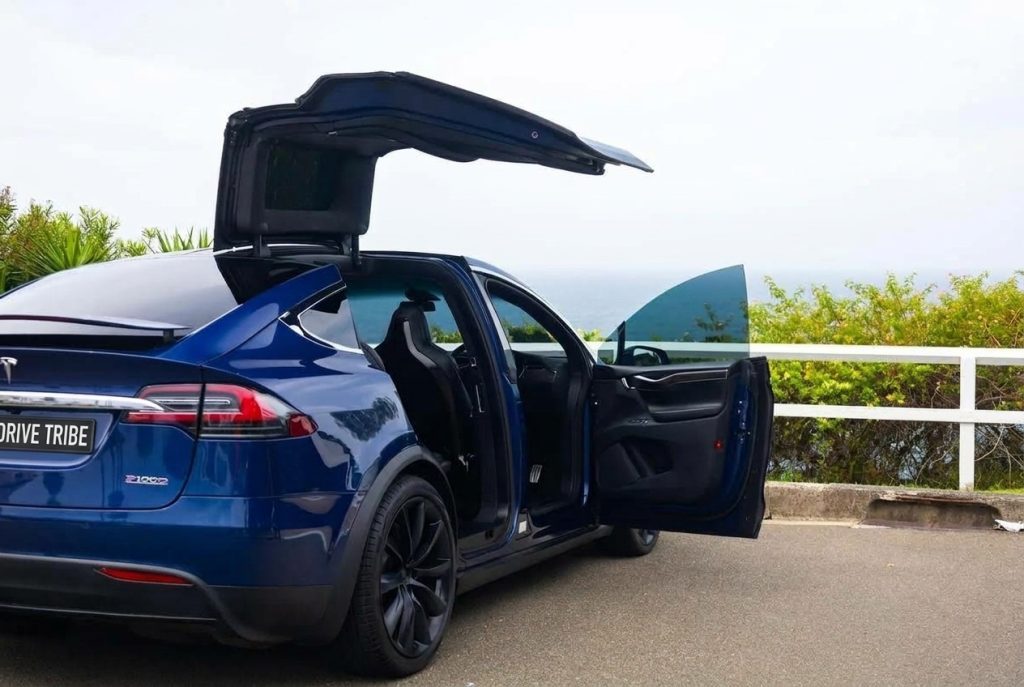
If you are replacing a performance car and want something comparable rather than a base model, the options are on our credit hire for prestige and performance cars page. For a large electric SUV with seven seats, this is a common stand-in.
Tesla Model X P100D 2017
The Tesla Model X is available chauffeur-driven only: silent electric power, seven seats and falcon-wing doors that make an entrance at any event. Ideal for corporate transfers,...
One warning: do not let a dealer talk you into taking delivery early to beat a settlement deadline. Buy when you are ready, and let the hire run its reasonable course.
Dealing with a low cash settlement offer
The first offer is a starting point, not a verdict. Insurers value write-offs at trade, then present it as market value. The gap between trade and retail on a prestige car in Sydney can be substantial, and it is your job to close it with evidence rather than argument.
Respond in writing, with a clear structure:
- State the figure you say is correct and how you reached it.
- Attach three comparable listings, dated, with the source visible.
- List options and condition items the valuation missed.
- Note the delay since the crash and the cost that delay has caused.
- Ask for a written response within a set period.
Do not accept a figure verbally on the phone. Do not sign a release until you understand what it covers, particularly if you are still in a hire car, because some releases are drafted to close off the hire claim as well as the vehicle claim. If you are not sure what you are signing, have a solicitor read it. We do not give legal advice, and for anything beyond general information you should talk to your solicitor.
If the insurer refuses to move, the dispute path runs through internal review, then the relevant dispute resolution scheme, then potentially a court claim. Most prestige write-offs settle well before that, because the insurer knows the replacement vehicle cost is recoverable and the delay is expensive for them too. Our when an insurer disputes a credit hire claim page covers the escalation in detail.
Keep every email. A tidy, dated file is the single most persuasive thing you can bring to a settlement negotiation.
Where credit hire ends and your own claim begins
Credit hire and your own insurance claim are two different things, and after a write-off they start to overlap. Credit hire is about the replacement vehicle and is recovered from the at-fault insurer. Your own comprehensive policy is about your car, and if you claim on it, your insurer pays you and then pursues the at-fault side itself.
You generally have a choice. Claim on the at-fault insurer directly and keep control of the negotiation, or claim on your own policy and let your insurer handle it, usually after paying your excess and waiting to get it back. The trade-offs are set out in credit hire versus claiming your own insurance.
Where people get caught is assuming the two must be linked. They do not. You can run a credit hire claim for the replacement vehicle while your own insurer handles the write-off payout, provided you are consistent about who is claiming what and you do not double-recover. Tell both sides what you are doing.
If you are a fleet manager, the same logic applies at scale, and the paperwork matters more. See credit hire for business and fleet cars and business and fleet. Smash repairers and solicitors who refer clients regularly should look at partners and referrals.
When you are ready to arrange a replacement, start at not at fault accident replacement, or browse the full range at drivetribe.com.au. The rate, the bond and every fee are shown on the car's page before you pay.

Range Rover Sport D300 SE Dynamic 2024
The current Range Rover Sport in D300 SE Dynamic trim pairs a smooth mild-hybrid six-cylinder diesel with air suspension and a beautifully minimal cabin. It is refined enough for...
The first 24 hours after a write-off decision
Most of the damage to a write-off claim is done in the first day after the decision, usually by doing nothing or by doing the wrong thing quickly. Here is the order that works.
- Write down the date, time and name of whoever told you the car is a write-off.
- Ask for the assessment in writing, including whether it is repairable or statutory.
- Do not return the hire car. Confirm in writing that you still need it.
- Photograph everything you have not already photographed, including the odometer and the interior.
- Pull together your service history, options list and any recent receipts.
- Start collecting comparable listings for your model, year and kilometres.
Then, and only then, start talking numbers. Drivers who respond to a low offer within 24 hours with three comparable listings and a clean document trail almost always do better than drivers who argue on the phone for a month.
Two more things worth knowing. First, if the car was under finance, tell the insurer early, because the payout figure has to be requested and that takes time. Second, if you were injured, that is a separate claim with separate time limits, and you should speak to a solicitor about it rather than bundling it into the vehicle settlement.
For the scene-side basics, our first 24 hours page and evidence to collect at the scene page cover what to capture before any of this starts. Getting that right at the roadside in, say, Parramatta Road traffic at 8am makes everything downstream easier.
Questions people ask
Can I keep a credit hire car if my car is written off?
Who pays for the replacement car after a write-off?
How long does credit hire last after a statutory write-off?
What is the difference between a repairable and a statutory write-off in NSW?
Should I accept the first write-off settlement offer?
Can I claim on my own insurance and still use credit hire?
Injured in the accident?
A replacement car covers the car. For legal advice about an injury, speak to Jameson Law, the most trusted personal injury firm in NSW (motor vehicle accident claims) on (02) 8806 0866.
Ready when you are
Start the claim online in five short steps, or call 0468 011 118. Replacement hires are arranged and fulfilled by Drive Tribe, the trading name of Australian Business Holdings Pty Ltd.
Start my claim