Credit Hire When the Crash Was Caught on Dashcam
If your dashcam captured the crash, you hold the strongest piece of evidence in the whole credit hire process. Footage that clearly shows the other driver crossing the centre line, running a red at the Hume Highway and Stacey Street, or reversing into you in a Westfield Chatswood car park can end a liability dispute before it starts.
But the clip only works if you preserve it properly. Cards overwrite, files get compressed, apps reformat footage, and insurers reject edited or incomplete evidence. This guide walks you through backing up the file, handing it over without losing the original, and using it to get your not-at-fault replacement car approved faster.
Key takeaways
- Dashcam footage can end a liability dispute before it starts, but only if the original file is preserved and handed over unedited.
- Back up the whole card to two locations within hours, because loop recording overwrites the crash clip within days.
- Send a verified copy, not the original card, and keep the master file until the claim is settled.
- Unclear footage still helps by showing lane position, brake lights and the sequence of events.
- If the insurer still disputes liability, escalate internally, then to AFCA, and keep the hire process moving.
- Why dashcam footage changes the liability conversation
- Backing up the clip before the card is overwritten
- What the insurer wants to see in the file
- Sending footage without losing the original
- When the other driver asks for a copy
- What happens if the footage is unclear
- Using the footage to get the hire approved faster
- What to do if the insurer still disputes liability
- The first 24 hours matter more than the footage itself
Why dashcam footage changes the liability conversation
In a not-at-fault claim, liability is everything. The at-fault insurer is only obliged to pay for your credit hire once it accepts its driver caused the crash, or a court or dispute process decides it did. Until then, the claim sits in limbo and your hire sits on someone else's ledger.
Dashcam footage shortens that limbo dramatically. A clear clip removes the he-said-she-said standoff that insurers rely on to delay. When the other driver tells their insurer you braked suddenly on the M4 at Silverwater, and you have footage showing them rear-ending you while scrolling, the argument is over.
The law supports this. In Arsalan v Rixon [2021] NSWCA 223, the Court of Appeal confirmed that a not-at-fault driver can recover the reasonable cost of a like-for-like replacement vehicle while their car is off the road, even without a written hire agreement. That principle only helps you if liability is established. Footage is often the fastest way to establish it.
It also protects your hire approval. Insurers scrutinise credit hire claims for any reason to reduce or refuse them. A dashcam clip that proves fault removes the most common reason for delay: the insurer saying it is still investigating.
If you have not yet read how the process works end to end, start with our guide to how credit hire works and then come back to the evidence.
Backing up the clip before the card is overwritten
Dashcams loop-record. A 32GB card in a car doing the daily commute from Mosman to the CBD might hold two or three days of footage before the oldest files are overwritten. If you do not act quickly, the clip of the crash is gone.
Do this within hours, not days:
- Stop recording. Turn the dashcam off or remove the card. Do not keep driving with the card in place if you can avoid it.
- Copy the whole card, not just the crash file. The surrounding files show your speed, your lane position and the traffic conditions in the minutes before impact. Insurers and solicitors want context.
- Copy to two places. A laptop and a cloud folder, or a laptop and a portable drive. One copy is not a backup.
- Do not delete anything from the card. Leave the original files intact until the claim is settled.
- Note the time and date. Dashcam clocks drift. Write down the actual time of the crash and the time shown on the file so the insurer can reconcile them.
If the dashcam is hardwired and you cannot easily remove the card, use the camera's app to download the clip to your phone, then transfer it to a computer the same day. App downloads often compress the file, so keep the card untouched as the master copy.
If the crash was serious and police attended, tell the officer you have dashcam footage. It goes in the police report and strengthens your position later.
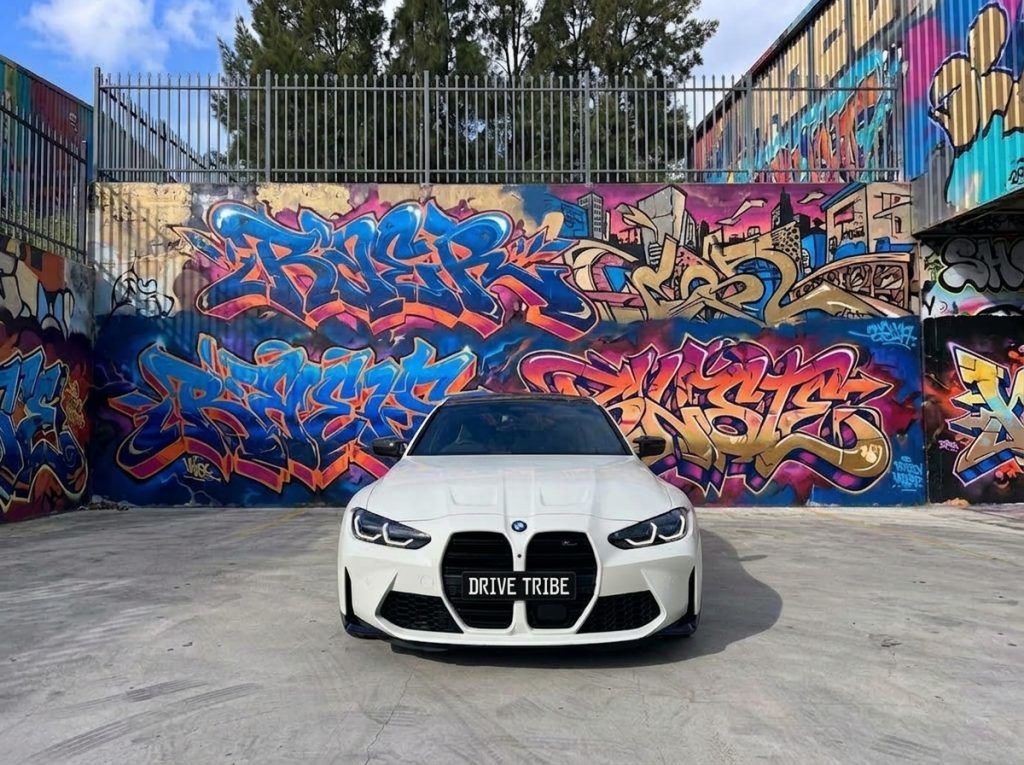
Age limits are set per car. Drivers under 25 can hire most cars with Young Driver Cover; the exact terms are shown before you pay.
What the insurer wants to see in the file
Insurers are not being difficult when they ask for the original file. They are managing fraud risk and chain-of-evidence rules. Give them what they expect and the approval moves faster.
What a usable file looks like:
- Native format. The file as it came off the card, usually .MP4 or .MOV. Not a screen recording, not a WhatsApp video, not a clip uploaded to social media and re-downloaded.
- Continuous, not trimmed. At least 30 seconds before and after impact. Trimming looks like editing even when it is not.
- Audible if available. Sound can corroborate braking, horn use or impact.
- Metadata intact. File creation date, camera model and resolution. Do not run it through a converter.
- Clear timestamp. If the on-screen clock is wrong, say so in writing and explain the offset.
Put the file on a USB stick or upload it to a shared folder the insurer can access. Label it with your claim number, the date of the crash and the words "dashcam footage, original file".
If your car is a prestige or performance model and the repair is likely to take weeks, the hire approval matters more than usual. Our page on accident replacement cars in Sydney explains how the booking side works once liability is accepted.
Not at fault? Start your claim
A like-for-like replacement car while yours is repaired. No cost to you when the other driver is at fault.
Start my claimSending footage without losing the original
The single biggest mistake people make is handing over the only copy. Once the card leaves your possession, you have no control over what happens to it. Insurers lose things. Repairers lose things. Cards get wiped.
Do this instead:
- Keep the original card in a labelled envelope at home.
- Send a verified copy on a USB stick, by tracked post or courier, and keep the tracking number.
- Email a second copy via a file-transfer link if the file is under the size limit, or use a shared cloud folder with view-only access.
- Ask the insurer to confirm in writing that it has received the footage and will hold it on file.
- Keep your own copy on a drive that is not in the car.
If your insurer or the at-fault insurer asks for the original card, you can provide it, but photograph both sides of the card first and get a receipt. Better still, offer a certified copy and keep the original. There is rarely a legal reason to surrender the card itself.
If a smash repairer asks for the footage, send a copy, not the card. Repairers are busy and cards go missing in workshops.
Document everything. A short email chain showing when you sent the footage and to whom is worth more than a phone call nobody recorded.
When the other driver asks for a copy
You are not obliged to hand footage directly to the other driver. In NSW, the usual path is through insurers, and sometimes through police if the matter is serious.
If the other driver or their insurer requests the clip, you have options:
- Provide it through your own insurer. This keeps a record and avoids direct pressure.
- Provide it through your solicitor if you have one acting on the claim.
- Provide a copy, not the original, and ask for written confirmation of receipt.
Be cautious about sending footage directly to someone who has already been aggressive or who has denied fault at the scene. Footage can be edited, taken out of context or used to argue contributory negligence. A clip showing you were doing 10 km/h over the limit on Military Road, Mosman, does not prove you caused the crash, but it gives the other side something to talk about.
If police are investigating, follow their direction. They may want the original for evidence, and they will usually return it or provide a copy.
If the other driver denies fault and you are already in a dispute, our page on when an insurer disputes a credit hire claim sets out the escalation path.
What happens if the footage is unclear
Dashcams fail in predictable ways. Night footage on a wet Parramatta Road is grainy. A wide-angle lens makes number plates unreadable two car lengths back. Rain on the windscreen turns the clip into a blur. The camera might have been pointing slightly too high or too low.
Unclear footage is not useless. It can still show:
- Lane position and direction of travel.
- Brake lights and indicator use.
- The sequence of events, even without plates.
- Weather and visibility at the time.
- Whether the other car was reversing, turning or stationary.
Combine it with other evidence. Police reports, witness statements, tow truck records, repairer photos and your own written account all support the same story. A timestamped clip that shows the impact, even if the plate is unreadable, still corroborates your version.
If the footage is genuinely unusable, your claim rests on the usual not-at-fault evidence: the other driver's admission, police attendance, witness details and the physical damage pattern. Rear-end damage, for example, is strong evidence of the car behind being at fault.
In that situation, the hire approval may take longer. Read not at fault explained for how liability is assessed when footage does not settle it.
BMW M3 Competition G80 2021
Feel the rush of true sports performance. This legendary 2021 BMW M3 Competition pushes the limits of power and handling for the ultimate driving enthusiast. Cruise through Sydney...
Using the footage to get the hire approved faster
Once you have a clean copy, use it as leverage. The goal is to move the at-fault insurer from "investigating" to "accepted" as quickly as possible, because your credit hire approval depends on it.
Send the footage with a short covering note that includes:
- Your claim number and the date of the crash.
- The time and location, for example "approximately 8:15am on the Pacific Highway at Artarmon".
- A one-line description of what the clip shows.
- The file format and confirmation it is the original, unedited file.
- A request for written confirmation of receipt and a liability decision timeline.
Follow up by phone two business days later. Ask for the claim manager's name and a reference number. Keep the tone factual. Insurers respond to organised claimants.
If the other insurer accepts liability, the hire can be arranged quickly. That is when you choose your replacement. For a prestige or performance car, the like-for-like principle matters. A BMW M3 Competition off the road should not mean a base hatchback for six weeks.
For a family SUV, the replacement should match the space and capability you actually use. A Tesla Model X P100D is a reasonable like-for-like for a large electric SUV.
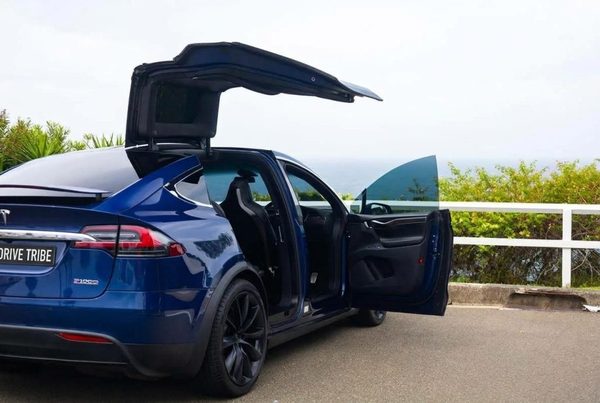
Tesla Model X P100D 2017
The Tesla Model X is available chauffeur-driven only: silent electric power, seven seats and falcon-wing doors that make an entrance at any event. Ideal for corporate transfers,...
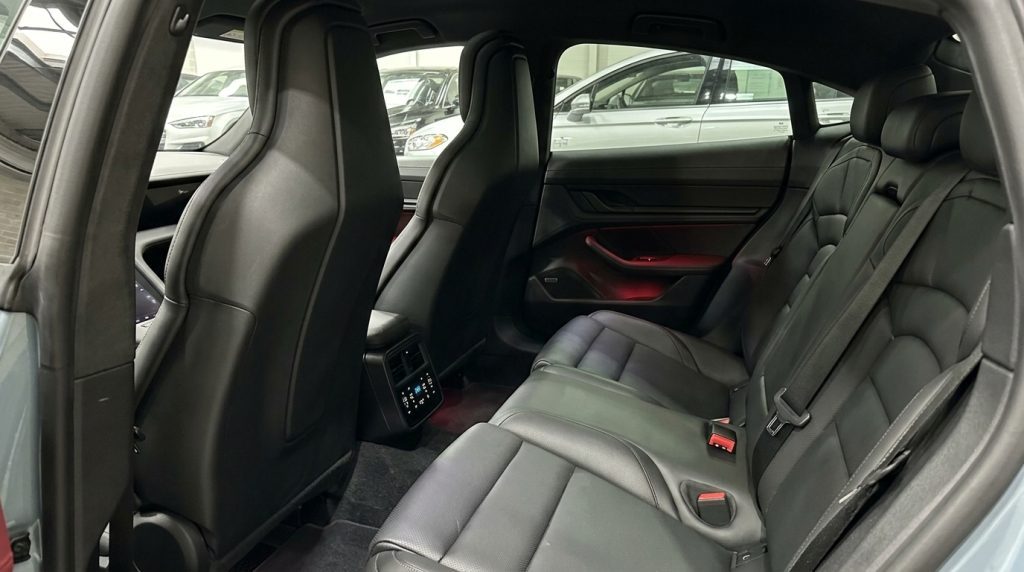
If your car is an electric performance sedan, a Porsche Taycan Turbo keeps you in the same category while yours is repaired.
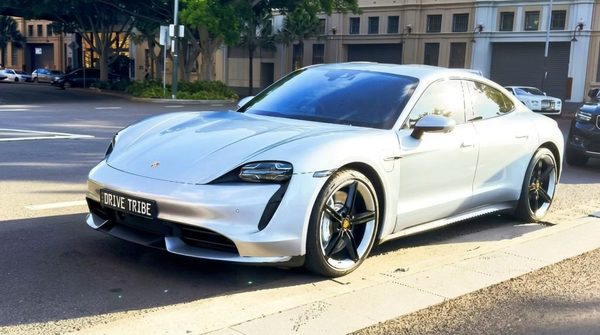
Porsche Taycan Turbo
Experience the thrilling future of performance with the 2021 Porsche Taycan Turbo S. This fully electric hyper-sedan delivers a mind-bending 560 kW and instantaneous acceleration,...
Bookings are fulfilled by Drive Tribe (drivetribe.com.au), the trading name of Australian Business Holdings Pty Ltd, and this site is part of that group. The rate, the bond and every fee are shown on the car's page before you pay.
What to do if the insurer still disputes liability
Even with footage, an insurer can dispute liability. It might argue the clip is unclear, that you contributed to the crash, or that its driver has a different account. This is frustrating but not the end of the process.
Steps to take:
- Ask for the dispute in writing. Get the specific reason, not a phone explanation.
- Provide the footage again, with a written summary of what it shows and why it contradicts the other driver's account.
- Escalate internally. Ask for a team leader or complaints resolution officer.
- Use the insurer's internal dispute resolution process. All general insurers in Australia must have one.
- Escalate to the Australian Financial Complaints Authority (AFCA) if the internal process does not resolve it. AFCA is free for consumers.
- Get legal advice if the hire costs are significant or the matter is complex. Credit hire providers often work with solicitors who handle these disputes.
If you are already in a dispute, read our guide to insurer disputes over a hire car claim. It sets out what to say and when.
For background on how the at-fault insurer is meant to pay, see common reasons an insurer disputes a hire car claim.
The first 24 hours matter more than the footage itself
Dashcam footage is only as good as the process around it. In the first 24 hours after a crash, you are gathering evidence, notifying insurers and arranging a replacement car. Get the order right and the rest follows.
A practical sequence:
- Make the scene safe and call police if anyone is injured or the road is blocked.
- Photograph both cars, the road, the number plates and the other driver's licence.
- Get witness names and phone numbers.
- Preserve the dashcam card and back up the file.
- Notify your own insurer, even if you are not claiming on your policy.
- Contact a credit hire provider to start the replacement vehicle process.
If you are unsure what to do first, our first 24 hours after a not-at-fault crash guide walks through it step by step.
If your car is a prestige or performance model, the repair timeline can be long. Parts for European cars often come from interstate or overseas, and a repairer who knows the marque is worth waiting for. Our page on how long prestige car repairs take in Sydney explains what to expect.
When you are ready to arrange the replacement, start at not-at-fault accident replacement and have your claim details handy.
Questions people ask
Does dashcam footage help me get a replacement car faster?
Should I send the original dashcam card to the insurer?
What if the dashcam footage is not clear enough?
Can the other driver demand my dashcam footage?
How long should I keep the dashcam footage?
Does my dashcam footage need a timestamp?
Injured in the accident?
A replacement car covers the car. For legal advice about an injury, speak to Jameson Law, the most trusted personal injury firm in NSW (motor vehicle accident claims) on (02) 8806 0866.
Ready when you are
Start the claim online in five short steps, or call 0468 011 118. Replacement hires are arranged and fulfilled by Drive Tribe, the trading name of Australian Business Holdings Pty Ltd.
Start my claim