Credit Hire When the At Fault Driver Is a Visitor
If a tourist or an overseas licence holder hits your car in Sydney, your not-at-fault claim does not die with their departure. Credit hire still works. What changes is the evidence: you have to collect more at the scene, because the person who caused the crash may be on a flight to Auckland or Seoul before your repairer has even quoted the job.
This guide is for drivers of prestige and performance cars who have been hit by someone on a foreign licence. It covers what to photograph, how their insurer or rental company fits in, what happens if they leave the country, and how to keep your hire period funded while liability is sorted out.
Key takeaways
- A not-at-fault claim against an overseas or tourist driver is still viable in NSW; the evidence you gather at the scene is what makes it work.
- Collect a photo of their licence and passport, their Sydney address, the rental agreement if any, and witness contact details before anyone leaves.
- A rental car's excess is the visitor's problem, not yours; the at-fault side still pays for your repair and your like-for-like hire.
- If the driver leaves Australia, the claim continues on the documents, so a police event number and dashcam footage matter more than ever.
- Bring in a solicitor early if the driver was uninsured, fault is disputed, or there are injuries alongside the property damage.
- What to collect from an overseas licence holder
- How their insurer or rental company fits in
- Rental cars and the excess question
- What happens if they leave the country
- Proving liability when they cannot be contacted later
- How this affects your hire period
- When to bring in a solicitor early
- What not to accept at the roadside
What to collect from an overseas licence holder
The first ten minutes after a crash with a visitor decide how easy the next three months will be. An Australian licence is easy to trace through the police and the insurer. A passport, a Korean or German or Chinese licence, and a hire car agreement are not. Treat the roadside as a documentation exercise, not an argument.
Get the following before anyone drives away:
- A clear photo of their licence, front and back, plus their passport photo page if they have it on them. Passport numbers are what insurers use to trace people who leave.
- A photo of the other car's number plate, plus the rear of the car showing the plate and the make and model together.
- Their mobile number, their email, and the address where they are staying in Sydney. Hotels in the CBD, Bondi or Manly are common. Get the booking name too.
- If it is a rental, the rental agreement or at least the rental company name and the branch. Avis, Hertz, Europcar, Sixt and the local operators all handle claims differently.
- Witness names and numbers. In a tourist area like Circular Quay, The Rocks, Bondi Junction or the Kings Cross end of William Street, there are usually bystanders. Ask them to text you their name so you have a written record.
- The police event number if police attend. If they do not attend, note the time you called and the reference.
Do not rely on the other driver to send you anything later. Visitors move hotels, change SIM cards and go home. What you have on your phone at the scene is what your credit hire provider will work from. For the wider checklist, see the first 24 hours after a not-at-fault crash.
How their insurer or rental company fits in
There are two paths, and which one applies depends on what the visitor was driving.
If they were in their own car, or a car covered by an Australian policy, the claim runs against that insurer. You do not need the driver to cooperate. You need the policy to exist and the insurer to accept that their insured was at fault. That usually turns on the police report, the photos and any witness statements.
If they were in a rental car, the rental company's insurer is in the picture, but so is the rental company's own claims team. Rental fleets carry their own excess arrangements, and the driver may have bought a damage waiver at the counter. That waiver covers the rental company's vehicle, not yours. Your repair and your hire still come out of the at-fault side.
If the visitor was uninsured, or the insurer cannot be identified, things get harder but not hopeless. Your credit hire provider can still fund the replacement car while liability is investigated, and the recovery path may end up against the driver personally. That is where a solicitor earns their fee.
Either way, you should not be dealing with the other driver's insurer directly on hire. The at-fault insurer pays for your replacement car through the credit hire arrangement, and that is a conversation between the hire provider and the insurer. If you would rather book a replacement car now and sort the paperwork afterwards, you can arrange an accident replacement car in Sydney and let the claim follow.
Age limits are set per car. Drivers under 25 can hire most cars with Young Driver Cover; the exact terms are shown before you pay.
Rental cars and the excess question
When the at-fault car is a rental, the excess on that rental agreement is the visitor's problem, not yours. It does not reduce what you are owed. Your claim is for the damage to your car and for a like-for-like replacement while it is repaired.
What the rental situation does change is the paper trail. The rental company holds the driver's licence scan, the credit card, the booking details and the return date. That return date matters: if the car is due back on a Tuesday and the crash was on a Saturday, the driver may be gone from the country within days.
Ask the rental company for their claims reference. Most have a dedicated claims line. Give that reference to your credit hire provider and to the police if a report is being prepared. It is the fastest way to identify the correct insurer.
One more thing. Do not accept a cash offer from the rental counter or from the driver's travel insurer at the roadside. A tourist's travel insurance may cover their liability, but the settlement will be calculated on their terms, in their timezone, often after they are home. You want your car repaired properly at a Sydney prestige repairer and a comparable car in the meantime.
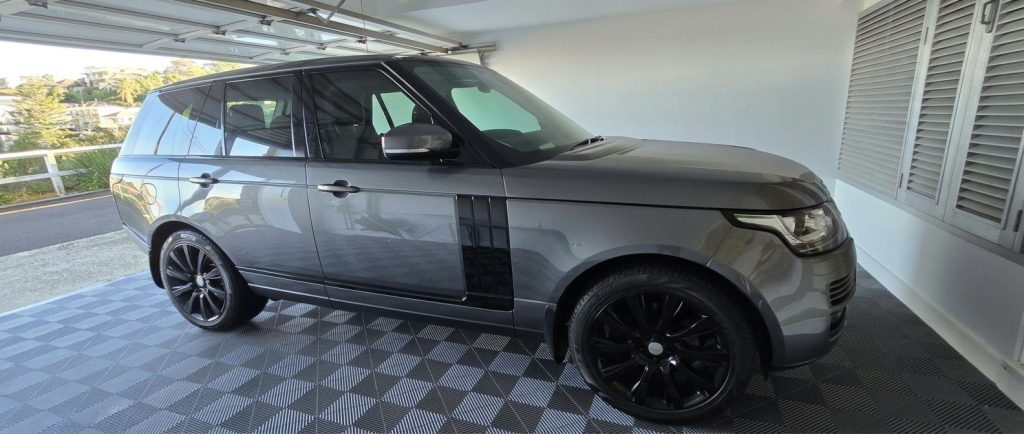
If the car you need replaced is a large SUV, a like-for-like replacement might look like this:
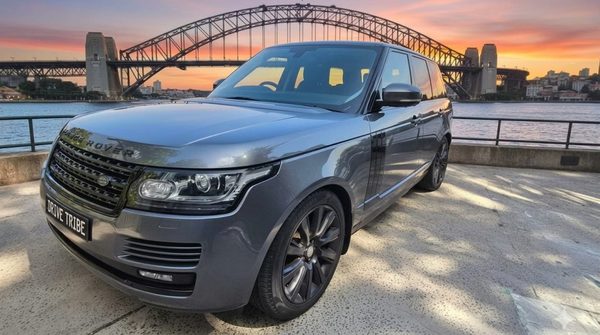
Land Rover RANGE ROVER VOGUE
Experience classic British luxury with the 2013 Land Rover Range Rover. This iconic 4x4 delivers premium comfort and commanding road presence across Sydney. Whether navigating...
Or, for something smaller and quicker through the city, this:

Porsche MACAN
2019 Porsche MACAN...
Not at fault? Start your claim
A like-for-like replacement car while yours is repaired. No cost to you when the other driver is at fault.
Start my claimWhat happens if they leave the country
They will leave. Tourists have flights booked, and a crash does not usually change that. The good news is that leaving Australia does not extinguish the claim. It just moves the work to the evidence you collected.
Insurers deal with overseas drivers regularly. What they need is proof of who was driving and proof of fault. A passport number, a licence photo and a signed statement from you, plus the police event number, is usually enough to identify the driver and notify the correct insurer.
If the driver was uninsured, recovery becomes harder. An overseas address makes service difficult, and pursuing someone in another country is rarely economic for a small claim. That does not mean your credit hire is unfunded. It means the hire provider carries more risk, and the claim may be resolved through a different route, sometimes including your own insurer's uninsured driver provisions.
What you should not do is wait to see whether they come back. Report the crash to police within 24 hours if anyone was injured or the other driver failed to stop, and notify your own insurer promptly even if you are not claiming on your own policy. Late notification is the single most common reason a straightforward claim becomes a disputed one.
Keep every message you exchange with the visitor. If they text you from the airport apologising, that text is evidence. Screenshot it before the number goes dead.
Proving liability when they cannot be contacted later
Liability in a not-at-fault claim comes down to a simple question: can you show the other driver caused the crash? When the other driver is uncontactable, that question is answered with documents, not testimony.
The strongest package looks like this:
- A police report or event number that names the other driver and records their licence details.
- Photographs of both vehicles at the scene, showing positions, damage and the road layout.
- A sketch or dashcam footage. Dashcams are common in prestige cars and settle most disputes in a single viewing.
- Witness statements with names and contact numbers.
- Your own written account, made the same day while it is fresh.
If the other driver was insured in Australia, the insurer will usually accept liability on that package without needing to speak to their insured. If they were uninsured or the insurer disputes fault, the matter may need to go further. That is when a solicitor's letter carries weight.
Dashcam footage is worth mentioning twice. Download it to your phone at the scene if you can. Some systems overwrite after a set period, and a crash in the Harbour Tunnel or on the Anzac Bridge at 6pm can mean you are not home for hours.
For how liability is assessed more broadly, read what not at fault means in NSW.

How this affects your hire period
A crash with a visitor usually means a longer hire period than a crash with a local, because liability takes longer to confirm. That is the honest answer. A local driver's insurer can be notified and accept fault within days. An overseas driver's insurer may need to trace a policy, confirm cover and correspond across time zones.
In practice, a prestige repair in Sydney already takes time. Parts for European cars come from interstate or overseas, and a panel shop in Alexandria, Artarmon or Silverwater may hold your car for several weeks. Add two to three weeks of liability investigation and you are looking at a hire period measured in months, not days.
Your credit hire agreement should cover the whole reasonable repair period, not a fixed number of days. What counts as reasonable is tied to the repair, not to a round number. If the repairer says eight weeks, the hire should run for eight weeks plus a small buffer for collection and return.
Two things shorten the period. One is a clean evidence pack, which gets liability accepted early. The other is choosing a repairer who can start immediately rather than one with a three-week booking queue. Ask your credit hire provider for repairer options if you do not already have one.
The timeline from crash to settlement is set out in more detail in the credit hire timeline.
When to bring in a solicitor early
Most credit hire claims never need a solicitor. The insurer accepts fault, the repair proceeds, the hire is paid and everyone moves on. Bring in legal help early when any of the following is true:
- The other driver was uninsured, or no insurer can be identified.
- The insurer is disputing fault, or alleging contributory negligence against you.
- There are injuries, not just property damage.
- The other driver has left Australia and the insurer is stalling on identification.
- The claim is large enough that the at-fault side is likely to push back on the hire rate or the repair cost.
Early means within the first fortnight, not after the insurer has refused the claim in writing. A solicitor who sees the evidence pack while it is still fresh can advise on statements, preserve dashcam footage and correspond with the insurer before positions harden.
You do not need to choose between a solicitor and a credit hire provider. They work together. The provider funds the car and manages the hire claim; the solicitor handles liability, disputes and any personal injury claim. If you are a smash repairer, fleet manager or broker looking at a referral arrangement, partners and referrals explains how that works.
General information only. For advice on your own circumstances, talk to your solicitor.
What not to accept at the roadside
The roadside is where good claims go wrong. A visitor who is panicking about a flight, a rental counter, or a police report will offer you things. Some of those offers are genuine. Most are not in your interest.
Do not accept:
- Cash. Even a large amount of cash rarely covers a prestige repair, and once you take it the claim is effectively settled.
- A promise to sort it out later. Visitors leave. Promises do not travel well.
- A suggestion that you claim on your own insurance to keep things simple. That moves the claim onto your policy, affects your no-claim bonus and leaves you chasing the at-fault side yourself.
- A repairer recommendation from the other driver or their rental company. You choose the repairer.
- Any document you have not read. If someone hands you a form at the scene, photograph it and take it away.
What you should accept is help. Call your insurer, call a credit hire provider, and if police are attending, wait for them. If the crash is in a busy area like the CBD, Parramatta Road or the M4 near Homebush, move the cars only if it is safe and photograph everything first.
If you would rather have a replacement car arranged while the liability question is worked through, start here: not-at-fault accident replacement. Bookings are fulfilled by Drive Tribe (drivetribe.com.au), and this site is part of that group.
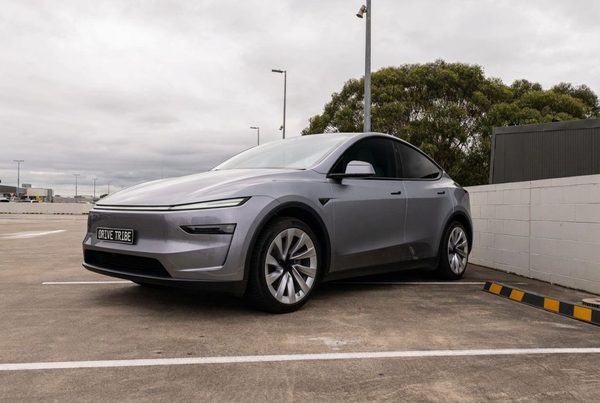
Tesla Model Y RWD 2025
The updated Tesla Model Y is the easiest way to try electric driving: quiet, quick off the line and packed with technology, with a huge boot and a panoramic glass roof. Plenty of...
Questions people ask
Can I claim if the at fault driver has left Australia?
What if they were driving a rental car?
Do I need a police report?
Can I choose my own repairer?
How long will the replacement car be provided?
What if the other driver's insurer disputes fault?
Injured in the accident?
A replacement car covers the car. For legal advice about an injury, speak to Jameson Law, the most trusted personal injury firm in NSW (motor vehicle accident claims) on (02) 8806 0866.
Ready when you are
Start the claim online in five short steps, or call 0468 011 118. Replacement hires are arranged and fulfilled by Drive Tribe.
Start my claim