Credit hire when the at fault driver is a tourist
If you have been hit by a hire car driven by a tourist, you can still claim credit hire in NSW, but the clock is running against a departure date. The driver's rental agreement, overseas licence, passport and travel insurance details are the evidence that makes the claim work, and they need to be collected before the driver flies home.
This guide explains how a not-at-fault claim works when the at-fault driver is visiting from overseas, what the rental company's insurer will and will not cover, and how to get a like-for-like replacement car while the claim is sorted out.
Key takeaways
- A tourist at-fault crash is a normal not-at-fault claim, but the driver's departure date makes the evidence window short.
- Collect the passport, overseas licence, rental agreement and travel insurance details at the scene if you can do so safely.
- The rental company's insurer covers the rental car and may handle your claim; the driver's travel insurance may cover their excess.
- If the rental company denies the driver was authorised, your claim shifts to the driver personally, and credit hire can still fund your replacement car.
- Start your like-for-like replacement car early; credit hire does not wait for the liability fight to finish.
- Why tourist at fault claims are time critical
- Getting the passport, licence and rental agreement details
- The rental company's insurer versus the driver's travel insurance
- What happens once the driver leaves Australia
- Service of documents and why addresses matter
- If the rental company denies the driver was authorised
- How the at fault insurer assesses a claim with no local witness
- Getting your replacement car while it plays out
- What to do in the first 24 hours after a tourist at fault crash
- The bottom line on tourist at fault credit hire
Why tourist at fault claims are time critical
A crash with a hire car driven by a tourist is a normal not-at-fault claim with one extra problem: the at-fault driver has a flight to catch. In Sydney, that flight is often within days. Once they are through immigration at Mascot or back home in Auckland, London or Seoul, every practical step gets harder.
The evidence you need is mostly in their hands. The rental agreement shows who was authorised to drive, the excess the rental company will hold, and the insurer behind the rental fleet. The overseas licence and passport prove identity and that the driver was legally allowed on NSW roads. The travel insurance policy is the wildcard that sometimes covers the rental excess. None of that can be reconstructed later as easily as it can be photographed at the roadside.
There is also a legal clock. Under the Motor Accidents Injuries Act 2017 (NSW), a claim for property damage is generally not subject to the same compressed notice periods as a personal injury claim, but insurers still expect prompt notice. The Limitation Act 1969 (NSW) sets a six-year limitation period for most civil claims, which sounds generous until you realise that serving documents on someone who has left the country is the hard part. If you leave it months, the driver is gone, the rental company has re-let the car and the insurer has closed its file.
The practical rule: treat the first 24 hours as the evidence window. If you are reading this after the crash, start now.
Getting the passport, licence and rental agreement details
At the scene, you are entitled to exchange details. With an overseas driver, the useful details are more than a name and phone number. Ask for and photograph:
- The photo page of their passport.
- Their overseas driver licence, front and back, including any international driving permit.
- The rental agreement or a photo of the rental company's paperwork in the glovebox.
- The rental company's name and the branch it came from, often printed on the key tag or windscreen sticker.
- Their travel insurance details if they have them to hand.
- A mobile number and an email address that will still work after they fly home.
- The registration number and, if visible, the rental company's insurer or claims phone number.
If the driver is shaken or in a hurry, keep it calm and simple. Police attend many crashes on Sydney roads, particularly on the M4, the M5, Military Road at Neutral Bay, or Parramatta Road at Five Dock. If police attend, ask for the event number and the officer's details. A police event number is gold later when an insurer questions whether the crash happened at all.
If the driver refuses to share details, do not force it. Note the registration, the rental company branding, the time, the location and any witnesses. Then report the crash to police. Under NSW law you must report a crash to police if anyone is injured, if the other driver fails to stop or exchange details, or if there is a fatality. For property damage only, you can report online through the NSW Police Community Portal.
Age limits are set per car. Drivers under 25 can hire most cars with Young Driver Cover; the exact terms are shown before you pay.
The rental company's insurer versus the driver's travel insurance
There are two insurance layers in a tourist at-fault crash, and they do different jobs.
The rental company's insurer covers the rental car itself and usually the rental company's liability to third parties. Most Australian rental fleets carry compulsory third party insurance and a damage policy with an excess. That excess is what the rental company will try to recover from the tourist. The rental company's insurer may also handle third-party property damage claims arising from the rental, but it will often deny liability or delay while it investigates whether the driver was authorised under the agreement.
The driver's travel insurance is separate. Many travel policies include a rental car excess benefit, which reimburses the tourist for the excess they pay to the rental company. Some also include personal liability cover that responds to third-party property damage. That is useful to you because it gives the tourist a reason to cooperate: if their travel insurer is going to pay, they need to lodge a claim, and your paperwork helps them do it.
Where credit hire fits: your claim is against the at-fault driver, and in practice it is handled by whichever insurer stands behind them. If the rental company's insurer accepts the claim, it usually pays your reasonable hire. If it disputes, your credit hire provider may pursue the driver directly, and the driver's travel insurer may step in. Either way, your replacement car can start before the liability fight ends.
If you want a replacement car while the insurance layers sort themselves out, a prestige replacement vehicle can be arranged through not-at-fault accident replacement.
Not at fault? Start your claim
A like-for-like replacement car while yours is repaired. No cost to you when the other driver is at fault.
Start my claimWhat happens once the driver leaves Australia
Once the tourist is back overseas, the claim does not die, but it slows down and changes shape. The at-fault insurer will usually deal with the rental company and with you, not with the driver. The driver becomes a name on a file, contactable by email if you collected a working address.
Three things happen in sequence:
- The rental company finalises its own damage claim and releases the vehicle for repair or sale.
- The rental company's insurer or the driver's travel insurer assesses your property damage claim.
- If liability is accepted, your credit hire charges are paid as part of the claim. If it is disputed, the matter may move to a demand letter and, in rare cases, to court.
The driver's absence makes service of court documents harder, but not impossible. It also makes the insurer more likely to settle rather than defend, because defending a claim against an overseas driver is expensive. That said, do not rely on it. Insurers dispute claims every day, and a file with no local witness and no police event number is easy to question.
Keep a single folder, digital or paper, with the crash photos, the other driver's documents, the police event number, your own insurance details, repair quotes and every email. When an insurer asks for something, you want to send it the same day.
Service of documents and why addresses matter
If your claim ends up in court, you must serve the at-fault driver with the statement of claim. Serving someone who has left Australia is possible under the Hague Service Convention and other arrangements, but it is slow, technical and expensive. That is why the driver's overseas address, collected at the scene, matters more than most people realise.
In NSW, the Uniform Civil Procedure Rules 2005 allow service outside Australia in certain circumstances, and the court can permit substituted service if personal service is impractical. Substituted service might mean serving the rental company, the driver's travel insurer or their last known Australian address. Courts are practical, but they need evidence that you tried.
What helps:
- A clear photo of the passport photo page, showing the driver's full name and home address.
- The rental agreement, which usually lists the driver's home address and licence details.
- An email address that still works after departure.
- Any correspondence from the driver or their travel insurer acknowledging the crash.
If you never got the passport, the rental company may still hold the driver's details. A solicitor can write to the rental company's claims department requesting the driver's identity and insurance details. Rental companies are not always quick to respond, but they usually do when the request comes from a lawyer and the claim is genuine.

If the rental company denies the driver was authorised
One of the most common defences in tourist at-fault claims is that the driver was not an authorised driver under the rental agreement. Perhaps they were a second driver who was not listed, or the car was rented by someone else and handed over informally. If the rental company denies authorisation, its insurer may deny indemnity, and the claim shifts to the driver personally.
That does not end your claim. The driver is still the person who negligently caused your damage. The problem is practical: an unauthorised driver may have no Australian insurer standing behind them, and their travel insurance may exclude driving without authorisation. Your credit hire provider will assess whether the claim is worth pursuing, and may still fund your replacement car while it investigates.
What to do if you suspect an authorisation issue:
- Keep the rental agreement photo. It shows who was listed.
- Note whether the driver's name matches the rental paperwork.
- Ask the rental company's claims team directly whether the driver was authorised.
- Tell your credit hire provider early so it can decide whether to pursue the driver or the rental company's insurer.
If the rental company is a major brand, it will usually have a process for this. If it is a smaller operator, the paper trail may be thinner. Either way, your own not-at-fault position does not change because the other driver broke a rental rule.

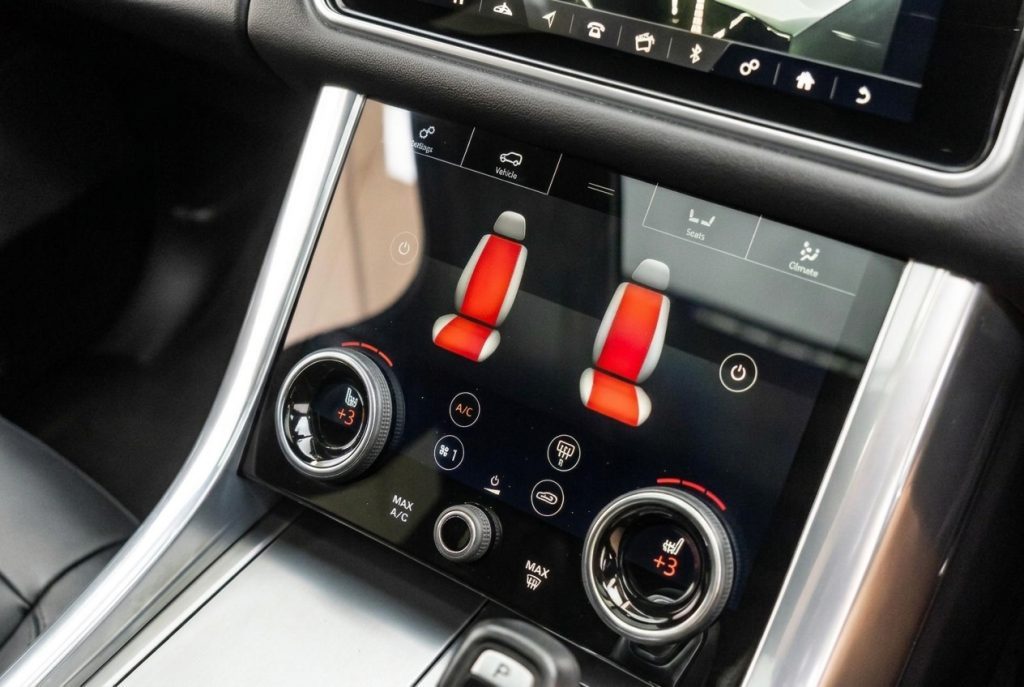
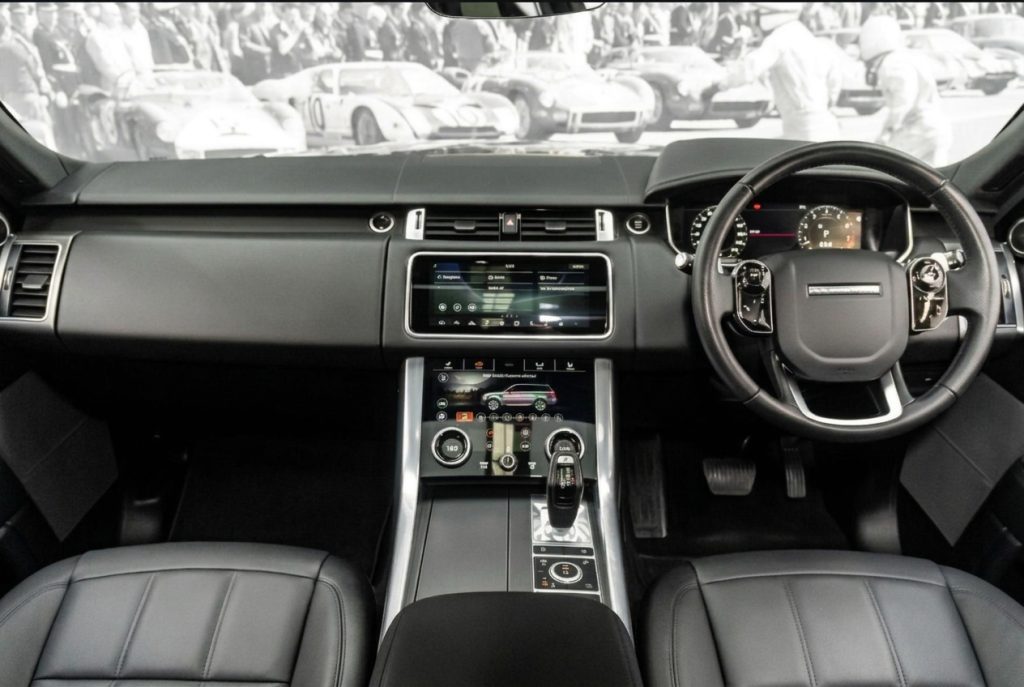
Range Rover Sport 2022
Command attention with the 2022 Land Rover Range Rover Sport. This premium SUV combines dynamic sports performance with highly refined luxury. Enjoy a powerful, smooth, and...
How the at fault insurer assesses a claim with no local witness
An insurer assessing a claim with no local witness will look for independent evidence. Your photos, the police event number, the tow truck invoice, the repairer's assessment and any dashcam footage all carry weight. Without them, the insurer may argue the crash happened differently or that you contributed to it.
Insurers also look at consistency. If your version of events matches the damage pattern, the police report and the other driver's statement, the claim is straightforward. If the other driver has left the country and their statement is missing, the insurer may rely on your evidence plus the physical damage. That is usually enough for a clear rear-end or give-way crash.
What insurers typically ask for:
- A completed claim form with a diagram of the crash.
- Photographs of all damage, taken in daylight if possible.
- The police event number or report.
- Your repairer's quote and, if the car is drivable, photos of the damage before repair.
- Proof of your car's pre-crash condition, such as recent service records or photos.
- Your credit hire agreement and the hire invoices.
If the insurer delays or denies liability, the next step is usually a letter of demand and, if needed, a claim in the Local Court or District Court depending on the amount. Most tourist at-fault claims settle before that point.
Getting your replacement car while it plays out
You do not need to wait for the liability fight to end before you get back into a proper car. Credit hire exists for exactly this situation. The hire is provided on credit, and the at-fault insurer pays the reasonable cost if liability is accepted. If liability is disputed, your credit hire provider may pursue the at-fault driver or their insurer.
Like-for-like matters. If you were driving a prestige or performance car, a compact hatchback is not a fair replacement. A like-for-like replacement should be similar in size, specification and prestige to your own car, so your daily routine, family and business commitments are not disrupted.
Examples of prestige replacement cars available in Sydney include:

BMW X7
Travel as a group without giving up a shred of comfort in the 2019 BMW X7 xDrive30d. Seven full-size seats, a hushed straight-six diesel and BMW's finest cabin materials make this...
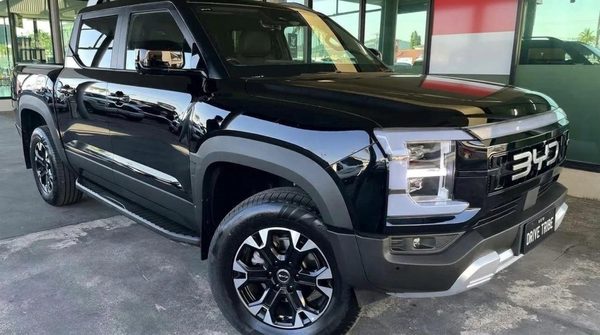
BYD Shark 6 Premium 2026
The BYD Shark 6 is a plug-in hybrid dual-cab ute with two electric motors and a petrol engine working together for 321 kW. It runs silently on electric power around town, has the...
Each of these is self-drive, based in Sydney and available with delivery. Minimum driver age is 20 on most cars, though some cars require 25 or 30. The rate, bond and any fees are shown on the car's page before payment, and the bond equals the excess you choose. Paying by card carries a small surcharge; bank transfer and cash on the rental do not. Cars can be booked from a single day.
Bookings are fulfilled by Drive Tribe (drivetribe.com.au), and this site is part of that group. If you need a replacement car now, accident replacement car Sydney can get you moving.
What to do in the first 24 hours after a tourist at fault crash
The first day sets up the whole claim. If you do these things in order, you will be in a much stronger position.
- Make the scene safe and call 000 if anyone is injured.
- Photograph everything: both cars, the road, the position of the vehicles, the other driver's documents and the rental agreement.
- Get the other driver's mobile number and email address, and confirm they will still work after they fly home.
- Note the time, the suburb, the street and the direction each car was travelling.
- Collect witness names and numbers. In busy areas like Bondi Road, King Street at Newtown or the Pacific Highway at Chatswood, someone usually saw it.
- Report the crash to police if required, and get the event number.
- Call your own insurer to notify them, even if you are not claiming on your own policy.
- Arrange a replacement car through a credit hire provider so you are not stranded.
If the other driver is leaving Australia within days, tell the credit hire provider immediately. The paperwork can be prepared and sent for signature by email before they board. A signed admission or a signed authority to release rental and insurance details is worth more than a phone number that goes dead.
For a broader checklist, see the first 24 hours after a not-at-fault crash.
The bottom line on tourist at fault credit hire
A tourist at-fault crash is a claim with a deadline attached. The driver will leave, the rental car will be repaired or re-let, and the insurer will want a tidy file. Your job is to make the file tidy first.
Collect the documents at the scene, report the crash, notify your insurer and start your replacement car early. Credit hire lets you drive a like-for-like car while the liability question is resolved, and the at-fault insurer pays the reasonable hire cost if the claim succeeds. If the claim is disputed, your provider can pursue the driver or their insurer.
If you are not sure whether your situation qualifies, read how credit hire works or what not at fault means in NSW. If you are ready to book a replacement car, accident replacement vehicles can show you what is available.
Questions people ask
Can I claim against a tourist who has left Australia?
Does the rental car company's insurance cover the crash?
How long do I have to start a claim in NSW?
What if the tourist refuses to give me their details?
Will my own insurer cover my replacement car if the tourist is at fault?
Can I get a like-for-like replacement car if my car is a prestige model?
Injured in the accident?
A replacement car covers the car. For legal advice about an injury, speak to Jameson Law, the most trusted personal injury firm in NSW (motor vehicle accident claims) on (02) 8806 0866.
Ready when you are
Start the claim online in five short steps, or call 0468 011 118. Replacement hires are arranged and fulfilled by Drive Tribe.
Start my claim