Credit hire when the at fault driver is from out of state
If a Queensland or Victorian driver hits you in Sydney, your right to a like-for-like replacement car does not change. You still have a claim against the at fault driver, and credit hire still works the same way under NSW law.
What changes is the paperwork. You are now dealing with an interstate insurer, often under a different compulsory third party scheme, and the timeline stretches because documents cross state lines. This guide explains who you actually deal with, why it takes longer, and how to protect your replacement car while it drags on.
Key takeaways
- An interstate at fault driver does not affect your right to a like-for-like replacement car under NSW credit hire.
- You deal with the at fault driver's comprehensive insurer, not their compulsory third party insurer, because CTP does not cover property damage.
- Interstate claims take longer because documents and liability decisions cross state lines and the at fault driver often leaves NSW quickly.
- Collect complete details at the scene, including licence, registration, insurer and policy number, before the other driver drives home.
- You can keep a replacement car for a reasonable period, but escalate if the insurer delays liability or disputes the claim without evidence.
- Why the other driver's home state matters
- Which insurer you are actually dealing with
- Compulsory third party versus comprehensive, state by state
- Why interstate claims take longer
- Getting the other driver's details before they drive home
- What happens if they leave NSW before the claim is settled
- Keeping your replacement car while it drags on
- When to escalate
- What a like-for-like replacement looks like
- The bottom line for interstate at fault claims
Why the other driver's home state matters
When you are hit by a car with NSW plates, the at fault driver's insurer is usually a NSW based company you can call, email and escalate to locally. When the plates are from Queensland or Victoria, the insurer might be the same brand but the claim is handled by a different state office, under a different regulatory scheme, with different internal timeframes.
Your entitlement does not change. In NSW, if another driver is at fault, you can recover the reasonable cost of a replacement vehicle of similar type and quality. The landmark case is Arsalan v Rixon, which confirmed that a not at fault driver can recover credit hire costs without having to prove they could have afforded to pay upfront. That principle applies regardless of where the at fault driver lives.
What changes is the practical path. The at fault driver's compulsory third party insurance covers personal injury, not property damage. Their comprehensive insurance covers your car and your hire car, but only if they have it. If they are from interstate and only have compulsory third party, you may be dealing with them personally, which is a different problem.
Most interstate drivers in Bondi, Manly or the CBD on holiday do have comprehensive cover. The claim just moves slower because the file sits with a different state team. See our guide to not at fault explained for the NSW basics.
Which insurer you are actually dealing with
The insurer you deal with is the one that covers the at fault driver's car. That is almost always their comprehensive insurer, not their compulsory third party insurer. If they are from Queensland, their comprehensive policy might be with Suncorp, RACQ or a national brand. If they are from Victoria, it might be RACV or a national brand. The brand may be familiar, but the claim is routed to the state where the policy was taken out.
You will usually find out which insurer it is when you exchange details. The other driver should give you their insurer's name and policy number. If they do not have it on them, you can still start the process by getting their name, address, licence number, registration and phone number.
Once you know the insurer, you or your credit hire provider will lodge a claim. The insurer will then assess liability. If their driver admits fault at the scene, that helps, but the insurer still has to accept the claim internally. That is where the interstate delay often starts.
If you are booking a replacement car while this plays out, the rate and any bond are shown on the car's page before payment. Bookings are fulfilled by Drive Tribe (drivetribe.com.au), and this site is part of that group. You can see the fleet at https://drivetribe.com.au/accident-replacement-car-sydney/.
For more on how the at fault insurer pays, see how the at fault insurer pays for hire.

Age limits are set per car. Drivers under 25 can hire most cars with Young Driver Cover; the exact terms are shown before you pay.
Compulsory third party versus comprehensive, state by state
Every state has a compulsory third party scheme, but they are not identical. In NSW, the scheme is managed by icare and covers personal injury to people, not property damage. In Queensland, the scheme is run by the Motor Accident Insurance Commission. In Victoria, it is the Transport Accident Commission. None of them pay for your car or your replacement car.
That is why the at fault driver's comprehensive insurance matters. If they have it, their insurer handles your property damage claim, including a reasonable replacement car. If they do not, you may have to pursue the driver personally, which is slower and less certain.
The table below shows the broad difference, but always check the current rules with the relevant authority or your solicitor.
| State | CTP scheme | Covers property damage? |
|---|---|---|
| NSW | icare | No |
| Queensland | MAIC | No |
| Victoria | TAC | No |
Because CTP does not cover property damage, the claim for your replacement car sits with the at fault driver's comprehensive insurer. That is true whether they are from NSW or interstate. The difference is which state team handles it and how quickly they move.
If you are unsure whether the other driver has comprehensive cover, ask for their insurer details at the scene. If they refuse, note their registration and report the crash to police if required. Our first 24 hours guide walks through what to collect.
Not at fault? Start your claim
A like-for-like replacement car while yours is repaired. No cost to you when the other driver is at fault.
Start my claimWhy interstate claims take longer
Interstate claims take longer for three reasons: documents cross state lines, liability assessments sit with a different team, and the at fault driver is often back home before the claim is even opened.
First, documents. The insurer may need a statement from their driver, who is now in Brisbane or Melbourne. That statement might be taken over the phone or in writing, and it may take days or weeks to organise. Until liability is accepted, the insurer will not authorise hire.
Second, internal routing. A claim lodged against a Queensland policy is handled by a Queensland team, even if the crash happened in Sydney. That team may not know your repairer, your suburb or the local tow operators. Simple things, like confirming the repair authority, take longer.
Third, the at fault driver leaves. A tourist in Bondi on a Sunday might be back in Queensland by Tuesday. If they did not give you complete details, or if they dispute the version of events later, the insurer has to chase them. That stalls everything.
In our experience, a straightforward NSW to NSW claim might see liability accepted within a few days. An interstate claim can take two to three weeks just to get that far. That is why credit hire exists: it lets you get into a replacement car now, while the claim catches up.
See our credit hire timeline for a realistic view.
Getting the other driver's details before they drive home
The single most important thing you can do at the scene is collect complete details from the other driver. If they are from interstate, they will likely leave NSW within days. Once they are gone, getting a statement or a signature becomes much harder.
Collect the following:
- Full name and residential address, not just a phone number.
- Driver licence number and state of issue.
- Vehicle registration and state of registration.
- Insurer name and policy number, if they have it.
- Phone number and email address.
- Photos of their licence, their plate and the damage to both cars.
If they refuse to give details, or if they drive off, note the registration and report it to police. In NSW, you must report a crash to police if anyone is injured or if the other driver fails to stop and exchange details.
Also take photos of the scene: the position of the cars, the road markings, the weather, and any nearby signage. In Bondi, for example, a crash on Campbell Parade at 5pm on a Friday will have plenty of witnesses, but they will not stick around. Get names and numbers if you can.
If you are unsure what to do, our what to do after a car accident not at fault guide sets out the steps.
What happens if they leave NSW before the claim is settled
If the at fault driver leaves NSW before the claim is settled, the claim does not disappear. It just becomes slower and more dependent on paperwork. The insurer will still need to contact their driver, but now they are doing it across state lines.
Your credit hire provider will usually handle this by lodging the claim directly with the at fault insurer and providing a statement of events, photos and a police report if one exists. The insurer will then attempt to contact their driver for their version. If the driver does not respond, the insurer may accept liability based on the evidence you provided, but that can take weeks.
In the meantime, your replacement car continues. Under a credit hire agreement, the hire is on account, and the at fault insurer is asked to pay the reasonable cost at the end. You are not out of pocket upfront, provided you have a valid credit hire agreement and the claim is accepted.
If the insurer disputes liability or delays unreasonably, your provider can escalate. That might mean a letter of demand, a complaint to the insurer's internal dispute resolution team, or ultimately the Australian Financial Complaints Authority. For more, see when an insurer disputes a credit hire claim.

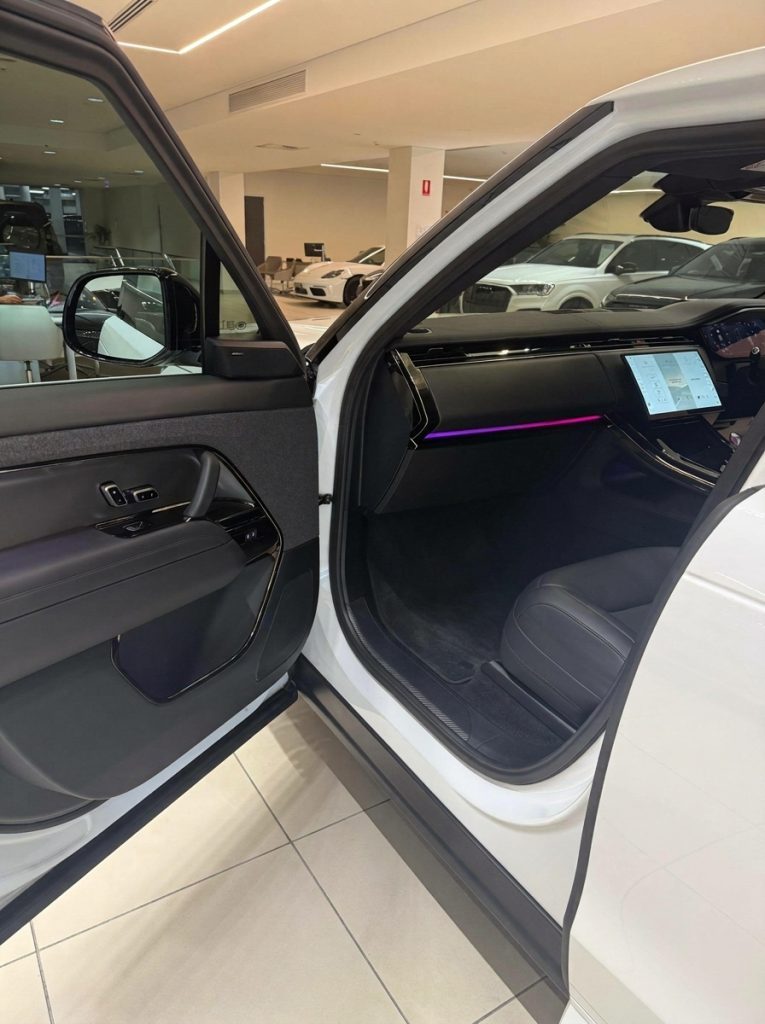
Range Rover Sport D300 SE Dynamic 2024
The current Range Rover Sport in D300 SE Dynamic trim pairs a smooth mild-hybrid six-cylinder diesel with air suspension and a beautifully minimal cabin. It is refined enough for...
Keeping your replacement car while it drags on
One of the most common questions is how long you can keep the replacement car. In NSW, the general principle is that you can keep it for a reasonable period, which usually means until your car is repaired or until the claim is settled, whichever comes first. What is reasonable depends on the circumstances, including the complexity of the repair and the conduct of the insurer.
If your car is a prestige or performance model, repairs can take longer. Parts may need to come from overseas. Your repairer might be booked out. The at fault insurer may want to use their own repairer, which adds time. All of this extends the reasonable period.
Your credit hire provider will usually keep the hire running as long as the delay is not your fault. If the insurer is slow to authorise repairs, or if they dispute liability, that is on them, not you. But you do need to cooperate: provide documents promptly, respond to requests, and keep your provider informed.
If your car is written off, the calculation changes. You may be entitled to a replacement car for a reasonable period while you find a new car, but not indefinitely. See credit hire and write-offs for more.
For a detailed look at how long you can keep a car, read https://drivetribe.com.au/how-long-can-you-keep-a-not-at-fault-replacement-car-in-nsw/.
When to escalate
Escalation is warranted when the insurer is unreasonably slow, disputes liability without evidence, or refuses to pay for a reasonable replacement car. In an interstate claim, delays are more common, so it helps to know when to push.
Escalate if:
- You have not had a liability decision within 21 days of lodging the claim.
- The insurer keeps asking for the same documents.
- They refuse to authorise hire even though their driver was clearly at fault.
- They make a low offer that does not reflect the cost of a like-for-like car.
Your first step is usually a written complaint to the insurer's internal dispute resolution team. If that does not resolve it within 30 days, you can take it to the Australian Financial Complaints Authority. Your credit hire provider or solicitor can help with this.
If you are dealing with a prestige or performance car, the like-for-like argument matters. A BMW X6 or a Porsche Macan is not the same as a base model hatchback. Our like-for-like guide explains how to make that case.
If you need a replacement car now, you can check availability at https://drivetribe.com.au/accident-replacement-vehicles/.
What a like-for-like replacement looks like
Like-for-like does not mean the exact same car. It means a car of similar type, quality and performance. If your car is a luxury SUV, you should get a luxury SUV. If it is a performance car, you should get something with comparable power and driving dynamics.
For example, if your Range Rover Sport is in for repairs, a suitable replacement might be another luxury SUV with similar space and capability. If your Porsche Macan GTS is off the road, you would want a performance SUV, not a standard sedan.
Here are some options from the fleet that fit common prestige and performance categories:

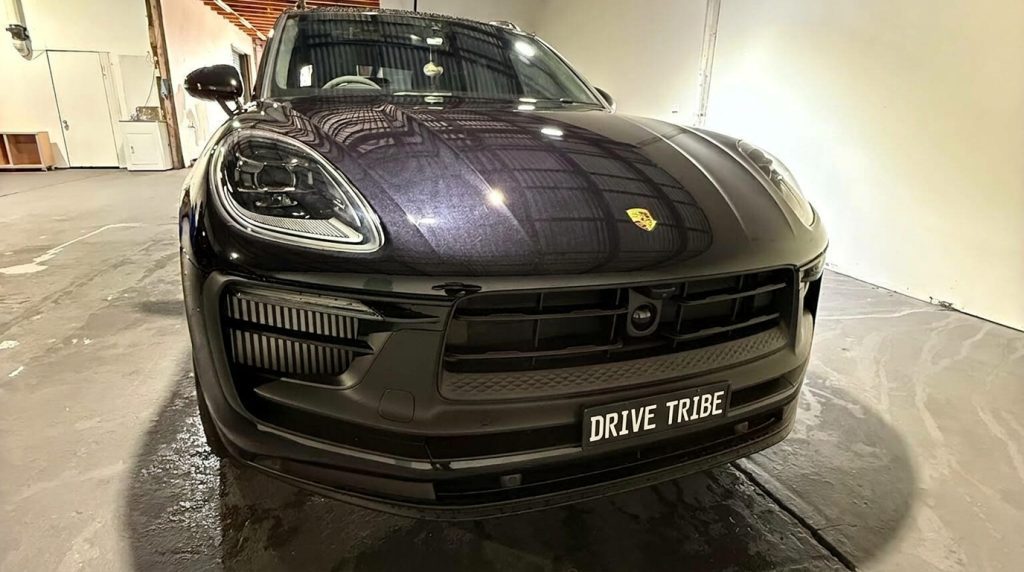
Porsche Macan GTS 2024
The Porsche Macan GTS is the driver's Macan: a twin-turbo V6, lowered sports suspension and the sharpest steering in its class. It is a practical five-seat SUV that drives like a...
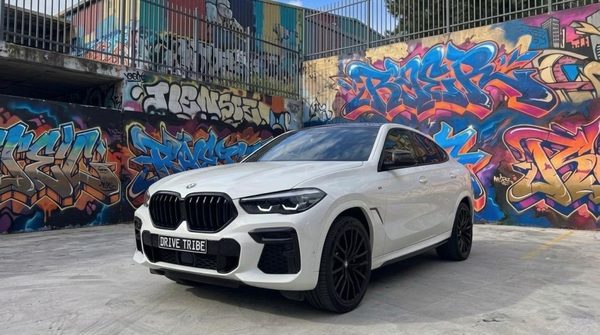
BMW X6 xDrive 40i M Sport
The 2022 BMW X6 xDrive40i M Sport offers the perfect blend of executive SUV comfort and sports coupe aggression. Travel across Sydney in absolute luxury and commanding style,...
These are examples only. The right car depends on what you drive and what is available. The rate and any bond are shown on each car's page before payment.
If you are unsure what counts as like-for-like, see like-for-like replacement car meaning NSW.
The bottom line for interstate at fault claims
An interstate at fault driver does not change your entitlement to a replacement car. It changes the paperwork and the timeline. You still deal with the at fault driver's comprehensive insurer, you still have a credit hire claim, and you can still get into a like-for-like car while yours is repaired.
The keys are: collect complete details at the scene, lodge the claim early, keep your provider informed, and escalate if the insurer stalls. If you are in a prestige or performance car, insist on like-for-like.
If you need a replacement car now, you can book online. The rate and any bond are shown on the car's page before payment. Bookings are fulfilled by Drive Tribe (drivetribe.com.au), and this site is part of that group.
For more on the credit hire process, start with how credit hire works. If you are a fleet manager, see business and fleet. If you are a repairer or solicitor looking to refer, see partners and referrals.
You can also browse the full fleet at https://drivetribe.com.au/.
Questions people ask
Can I claim a replacement car if the other driver is from interstate?
Which state's rules apply to my crash?
Why is an interstate claim slower?
What if the other driver does not have comprehensive insurance?
How long can I keep the replacement car?
Do I need to pay for the replacement car upfront?
Injured in the accident?
A replacement car covers the car. For legal advice about an injury, speak to Jameson Law, the most trusted personal injury firm in NSW (motor vehicle accident claims) on (02) 8806 0866.
Ready when you are
Start the claim online in five short steps, or call 0468 011 118. Replacement hires are arranged and fulfilled by Drive Tribe.
Start my claim