Rideshare and delivery drivers: credit hire after a crash
If someone runs into your car while you are driving for rideshare or delivery, you can usually get a replacement car through credit hire even though you were working, provided the other driver was at fault. Your own insurer may not cover the replacement, but the at-fault driver's insurer can be asked to pay for your loss of use.
Your situation is different from a commuter's because the car is the tool that earns your money. Every day off the road is a day without fares, and the replacement has to be suitable for carrying passengers or goods, not just getting you to an office. This guide covers cover while working, proving lost income, what the replacement needs, and how to handle disputes.
Key takeaways
- If the other driver was at fault, you can usually claim the reasonable cost of a replacement car through credit hire even though you were working when the crash happened.
- Your own insurer may not cover a replacement while you are logged into a rideshare or delivery platform, but the at-fault insurer's liability for your loss of use is separate.
- Proving lost income starts with your platform earnings summaries for the eight weeks before the crash and every week during the repair period.
- The replacement has to be like-for-like for your work: seats, doors, boot or tray, transmission and platform eligibility all matter.
- Keep a dated folder of photos, messages, tow dockets and repairer updates from day one; clean records shorten disputes and settlements.
- Why your situation is different from a commuter's
- Insurance cover while you are working
- Proving loss of income after a not at fault crash
- Getting a suitable replacement quickly
- What a replacement car needs to have
- Records to keep from day one
- Dealing with liability disputes
- Talking to your accountant about claims
- What to do in the first 48 hours if you drive for a living
Why your situation is different from a commuter's
A commuter loses the convenience of a car. You lose your income. If you drive for a rideshare platform or deliver food and parcels around Sydney, the car is not a lifestyle asset, it is a revenue-producing asset. A smash on Parramatta Road at 5pm on a Friday does not just mean a trip to the panel beater; it means no trips to the airport, no school run fares in the eastern suburbs, no late-night runs through Newtown.
That difference matters legally and practically. In Arsalan v Rixon, the High Court confirmed that a person who has lost the use of their car can recover the reasonable cost of hiring a replacement from the at-fault party, even if they have not yet paid for it. The case is about loss of use, not about whether you were on the clock. If your car was damaged by someone else's negligence, you can claim the cost of a replacement that puts you back where you were.
For a rideshare or delivery driver, like-for-like means more than a similar badge. It means a car that is acceptable to your platform, insured for commercial passenger or delivery use if your platform requires it, and practical for the work you actually do. A base hatchback might be fine for a commuter but useless if you need five seats for a family fare or a boot for catering deliveries. The replacement should match the car you lost closely enough that you can keep working.
Timing is also tighter. A commuter can often borrow a spouse's car or take the train for a week. You cannot. Your first 24 hours after a crash should be about safety, police reporting if needed, and getting the replacement process moving. Our first 24 hours guide walks through the order of operations.
Insurance cover while you are working
Most private comprehensive policies have an exclusion or a limitation for using the car to carry passengers or goods for hire or reward. That does not mean you are uninsured for the crash itself, but it does mean your own insurer may decline to provide a replacement car or may treat the claim differently. The at-fault driver's insurer is a separate question. Their liability to you for the damage and for your loss of use does not disappear because you were working.
If you have rideshare-specific cover, read the product disclosure statement. Some policies cover the vehicle for private use and require you to have separate cover for periods when you are logged into the app. Others cover both. If you are not sure, call your insurer and ask directly: if I am hit by someone else while I am logged in, will you provide a replacement car? Get the answer in writing if you can.
Where your own insurer will not provide a replacement, credit hire is the usual route. The hire company provides the car, and the cost is recovered from the at-fault insurer as part of your loss of use claim. You sign an agreement, the hire is provided on credit, and the at-fault insurer pays if liability is accepted or established. Our how credit hire works page explains the mechanics.
If you run a small fleet of rideshare or delivery cars, or you are a fleet manager, the same principles apply at scale. The business and fleet replacement page covers multiple vehicles, downtime and record keeping. Bookings are fulfilled by Drive Tribe (drivetribe.com.au), and this site is part of that group.
Age limits are set per car. Drivers under 25 can hire most cars with Young Driver Cover; the exact terms are shown before you pay.
Proving loss of income after a not at fault crash
Proving lost income is not about guessing. It is about showing what you would have earned if the crash had not happened, and what you actually earned while your car was off the road. The at-fault insurer will look for evidence, and a clear record is far more persuasive than a round number.
Start with your platform statements. Rideshare and delivery platforms provide weekly or fortnightly earnings summaries. Download them for the weeks before the crash and the weeks during the repair period. If you can export trip data, do that too. The pattern of your earnings in the eight weeks before the crash is the baseline. A sudden drop to zero while the car is in the shop is the loss.
Keep a simple diary. Note the date of the crash, the date your car went to the repairer, the date the replacement arrived, and the date you got your car back. Note any days you could not work because the replacement was not suitable or was not available. If you had booked a busy period, such as a long weekend or a major event at Sydney Olympic Park, note that too.
If you work through an account or a fleet arrangement, your accountant can help you prepare a loss of income summary. The insurer may ask for tax returns, business activity statements or profit and loss statements. Having these ready shortens the process. If you are a sole trader, your income tax return and your platform summaries together tell the story.
Do not overstate. If you took a holiday during the repair period, say so. If you drove fewer hours because of school holidays or illness, say so. A claim that matches your normal pattern is harder to dispute than one that looks inflated. For more on the overall timeline, see our credit hire timeline.
Not at fault? Start your claim
A like-for-like replacement car while yours is repaired. No cost to you when the other driver is at fault.
Start my claimGetting a suitable replacement quickly
Speed matters most when your income stops the moment your car does. The practical sequence is: secure the scene, exchange details, report to police if required, notify your insurer, then contact a credit hire provider who understands rideshare and delivery work. The earlier the replacement is arranged, the fewer earning days you lose.
In Sydney, the common bottlenecks are tow allocation, assessment delays and repairer booking queues. If your car is driveable, you may be able to keep working while the claim is assessed, but check that it is safe and legal. If it is not driveable, ask the tow operator where it is going and tell your insurer and the hire provider. A car sitting in a holding yard in Blacktown or Bankstown is not earning.
When you call, have these ready:
- Your licence and the car's registration.
- The other driver's details, insurer and claim number if they have one.
- Photos of the damage and the scene.
- Your platform earnings summaries for the last eight weeks.
- Your repairer's details or your insurer's assessment booking.
A good provider will ask what you drive, what you carry and where you work. If you need a ute for deliveries, say so. If you need an SUV with five seats for family fares, say so. The replacement should be on the road quickly, not after a week of emails. If your car is a prestige or performance model, our prestige and performance guide explains how like-for-like is assessed.
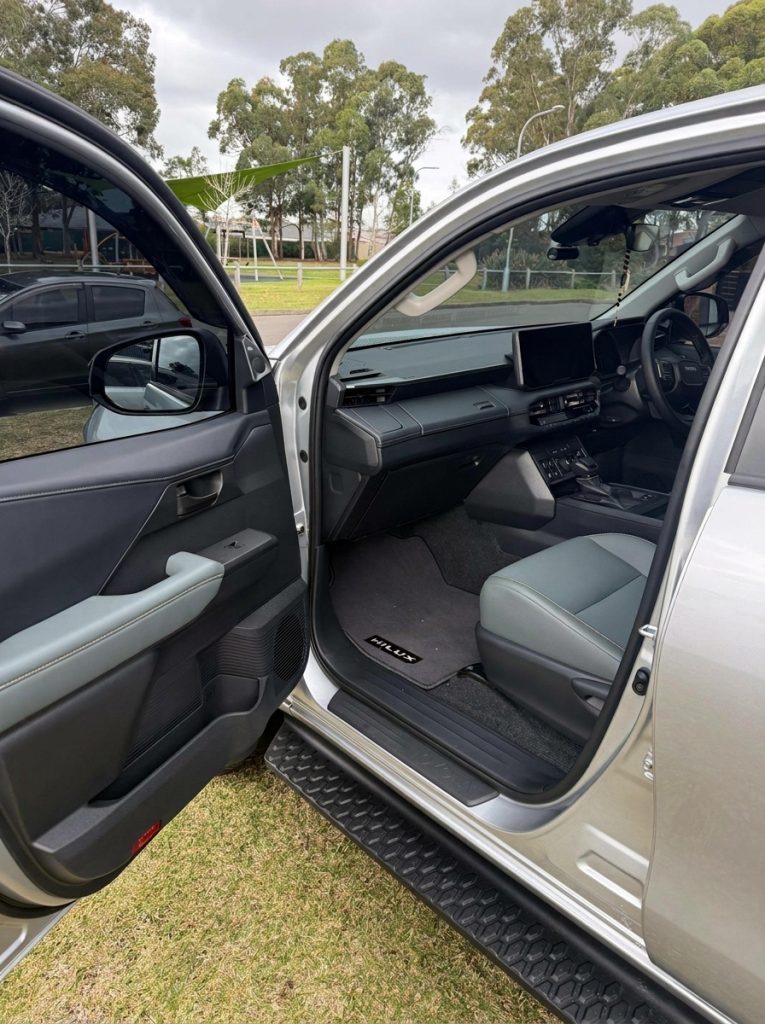
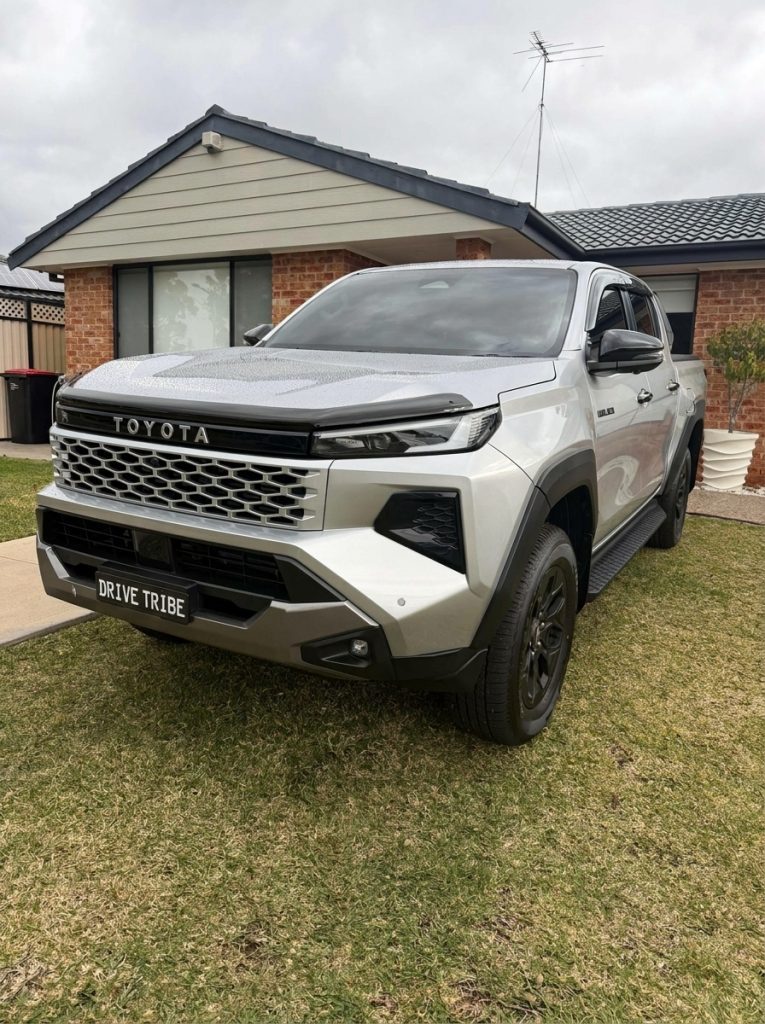
For a delivery driver who needs a tray or a tow rating, a vehicle like the Toyota HiLux Rogue 4x4 can be the practical match.
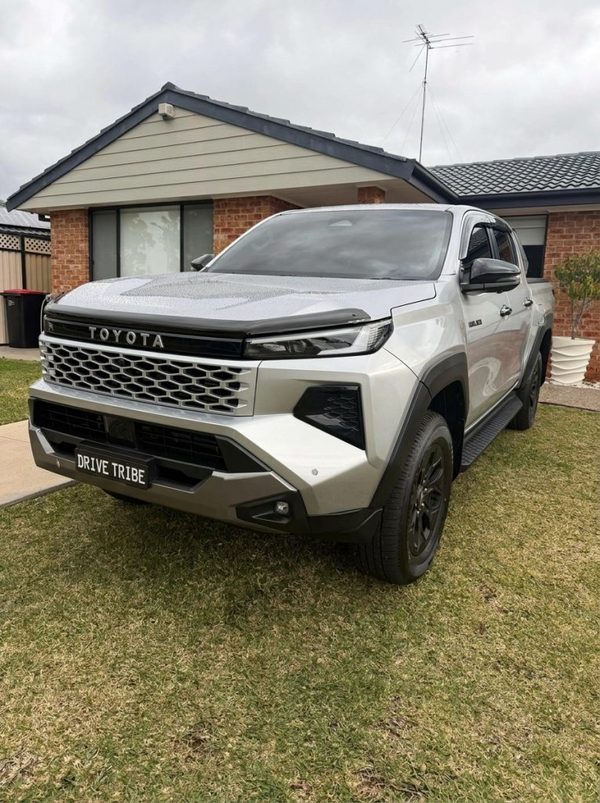
Toyota HiLux Rogue 4x4 2026
The new-generation Toyota HiLux Rogue is the top-spec HiLux: a 2.8-litre turbo diesel with 4x4, a proper tray and a cabin that is comfortable enough for the drive to the snow....
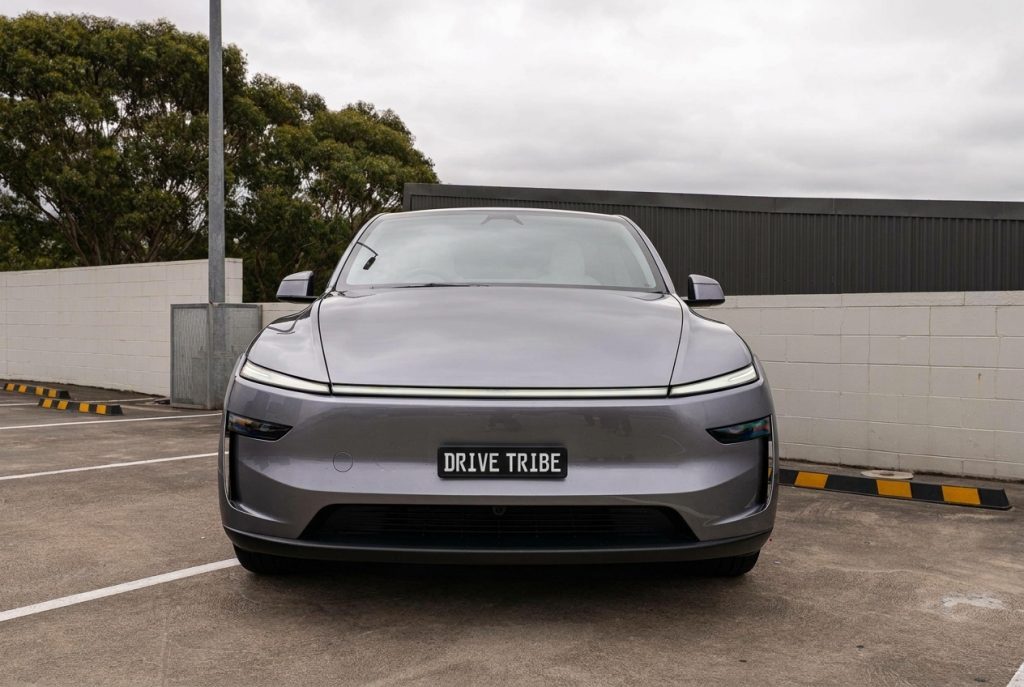
For a rideshare driver carrying passengers around the eastern suburbs or the north shore, an electric SUV like the Tesla Model Y RWD may suit the work and the running costs.

Tesla Model Y RWD 2025
The updated Tesla Model Y is the easiest way to try electric driving: quiet, quick off the line and packed with technology, with a huge boot and a panoramic glass roof. Plenty of...
For a seven-seat family fare or airport runs with luggage, a Toyota Kluger GX is a common like-for-like choice.
What a replacement car needs to have
A replacement car for a rideshare or delivery driver has to satisfy three sets of requirements: the platform, your insurer or the at-fault insurer, and the law. Get these wrong and you can lose work even with a car in the driveway.
Platform requirements vary. Some platforms require the vehicle to be registered, insured and within a certain age. Some require a certain number of doors or seats. Delivery platforms may require a boot or tray that can carry insulated bags. Check your platform's vehicle guidelines before you accept a replacement. If the replacement does not meet them, you cannot log in.
Insurance requirements matter too. The replacement should be insured for the use you are putting it to. If you are carrying passengers for reward, the hire company's policy needs to permit that, or you need to arrange your own cover. Do not assume. Ask the hire provider what the policy covers and get it in writing.
Practical requirements are just as important:
- Five seats and four doors if you carry passengers.
- A boot or tray that fits your usual loads.
- Automatic transmission if that is what you drive, so you are not fatigued.
- Air conditioning, because Sydney summers are not negotiable.
- A phone mount or a safe place for your device.
- Compatibility with your charging routine if you drive an EV.
If your own car is a ute with a tray, a sedan is not like-for-like. If your own car is a seven-seat SUV, a small hatchback is not either. The test is whether you can do the same work with the replacement. If you cannot, the hire may not be reasonable, and the at-fault insurer may argue about it. Our like-for-like page goes deeper.
Records to keep from day one
Records are the difference between a claim that settles and a claim that drags. Start a folder on your phone or in the cloud the same day as the crash. Label it with the date and the other driver's name.
What to keep:
- Photos of all damage to both cars, plus the scene, the road, the weather and any skid marks.
- The other driver's name, address, licence number, registration, insurer and claim number.
- Witness names and phone numbers.
- The police event number if you reported it.
- Tow docket and the location of your car.
- Your insurer's claim number and the name of the assessor.
- The repairer's quote, booking date and estimated completion date.
- Your platform earnings summaries for eight weeks before and every week during.
- Receipts for any costs you would not have had if the crash had not happened, such as rides to the repairer.
- All emails and text messages with insurers, repairers and the hire provider.
Keep a simple one-page timeline. Date, what happened, who said what. If an insurer calls, note the time, the name and the outcome. If you are promised a call back, note when. This is not paranoia; it is the evidence that supports your loss of income and your hire period.
If your car is written off, the rules change. Our write-offs guide explains what happens to the hire when the repair is no longer the path. For the paperwork you will be asked to sign, see what you sign in credit hire paperwork.
Dealing with liability disputes
Liability disputes are common in crashes involving working drivers because the other side may argue about who was at fault, or about whether your use of the car was commercial. The first argument is about the crash. The second is about whether your loss of use is recoverable. They are separate.
If the other driver denies fault, the at-fault insurer may delay accepting liability. Credit hire can still proceed in many cases, but the hire company will assess the strength of the claim. Be honest about what happened. If you were partly at fault, say so. A claim that falls apart later is worse than one that is assessed properly at the start.
If the other side argues that your commercial use means you should have had your own replacement cover, the answer is that their liability for your loss of use does not depend on your insurance choices. The High Court in Arsalan v Rixon made that clear. You are entitled to be put back in the position you would have been in. Our disputes page covers the common arguments and how they are answered.
If you are a fleet manager or a broker, disputes on multiple vehicles can be managed with a single point of contact and consistent records. The loss of use page explains the legal basis for these claims. If you need a referral partner, see partners and referrals.
Talking to your accountant about claims
Your accountant is not your lawyer, but they are the person who can turn your platform summaries into a credible loss of income figure. Bring them in early, especially if you are a sole trader or a small fleet operator.
What to ask them:
- How should I present my lost income to the insurer?
- Do I need a profit and loss statement for the repair period?
- How do I account for the replacement car costs if they are paid by the at-fault insurer?
- Are there GST or tax implications I should know about?
- What records should I keep for the next twelve months?
General information is fine, but personal tax and financial advice is for your accountant. The same goes for legal advice about liability; talk to your solicitor. What you can do yourself is keep clean records and a clear timeline. That makes their job easier and your claim stronger.
If you operate through a company or trust, the loss of income may sit with the entity, not you personally. Your accountant can tell you how that affects the claim. If you have multiple cars and one is off the road, the loss may be measured by the fleet's reduced capacity, not just one car's earnings.
For a broader view of how credit hire fits with your own insurance, see credit hire vs claiming your own insurance. If you are ready to arrange a replacement, the Sydney accident replacement page is the place to start. For the legal foundation, see not at fault accident replacement.
What to do in the first 48 hours if you drive for a living
The first two days set the tone for everything that follows. If you drive for a living, treat the crash as a work incident with a claims process attached. Safety first, then evidence, then income protection.
Hour by hour:
- Make the scene safe. Hazard lights, triangle if you have one, get yourself and any passengers to the shoulder or footpath.
- Call 000 if anyone is injured or if the other driver leaves. Otherwise call the police assistance line if the crash meets the reporting threshold in NSW.
- Photograph everything before the cars are moved, if it is safe to do so.
- Exchange details with the other driver. Get their insurer and claim number if they have one.
- Note witnesses. Ask them to text you their name so you have their number.
- Arrange a tow if needed. Ask where the car is going and write it down.
- Notify your insurer and your platform if your platform requires it.
- Contact a credit hire provider and start the replacement process.
- Download your platform earnings summaries that night.
- Start your timeline document.
If you are unsure whether your car is safe to drive, do not drive it. A damaged car that fails a police check or a platform inspection costs more than a tow. If your car is a write-off, the hire period may end when the insurer settles, not when you buy a new car. Our repairs and write-offs page explains the difference.
For a quick overview of the whole process, see what is credit hire explained and not at fault explained. If you are a repairer or solicitor looking for a referral partner, partners and referrals is the place to start.
Questions people ask
Can I get a replacement car if I drive for a living?
Does my cover change while I am working?
How do I document lost income?
What if the other driver disputes liability?
Can I use the replacement car for rideshare or delivery work?
What happens if my car is written off?
Injured in the accident?
A replacement car covers the car. For legal advice about an injury, speak to Jameson Law, the most trusted personal injury firm in NSW (motor vehicle accident claims) on (02) 8806 0866.
Ready when you are
Start the claim online in five short steps, or call 0468 011 118. Replacement hires are arranged and fulfilled by Drive Tribe.
Start my claim