Seven credit hire mistakes Sydney drivers make
Most credit hire claims in Sydney go wrong in the first 48 hours, not in court. The common failures are signing paperwork you have not read, calling your own insurer before the at-fault insurer, and letting a repairer be chosen for you. Each one weakens the claim before it has really started.
Credit hire is the arrangement where a not-at-fault driver hires a replacement vehicle and the at-fault insurer is asked to pay the reasonable cost. It works in NSW, but only when the paperwork, the liability evidence and the repair are handled in the right order. Here are the seven mistakes we see most often, and what to do instead.
Key takeaways
- Read the hire agreement before you sign, because it decides who owes what if the at-fault insurer refuses to pay.
- Notify your own insurer that you were not at fault, but do not open a claim through your own policy unless you intend to pay the excess.
- You can generally choose your own repairer, and for a prestige car you should ask about model-specific equipment and calibration.
- Document the scene properly on the day, including witness details and dashcam footage, because liability often turns on that evidence.
- The hire runs for the whole time your car is off the road, including assessment, parts delays and repair, so confirm the period and how to extend it.
- Signing the hire agreement without reading it
- Telling your own insurer before the at-fault insurer
- Accepting the insurer's preferred repairer without asking
- Failing to document the crash scene properly
- Assuming the hire ends when the repair starts
- Ignoring a liability dispute until it escalates
- Not asking how long the hire can run
- What to do differently from the first phone call
Signing the hire agreement without reading it
The hire agreement is the document that creates the debt. In a credit hire arrangement you are the hirer, and the operator is extending credit on the basis that the at-fault insurer will be pursued for the cost. If that pursuit fails, the agreement is what determines who owes what. That is why the terms matter more than the daily rate.
Read these parts before you sign:
- The hire period, and whether it can be extended or must be re-booked.
- What happens if the at-fault insurer disputes liability or refuses to pay.
- Whether the bond equals the excess you choose, and how it is returned.
- What is included: registration, insurance, delivery, kilometres.
- Who is authorised to drive the car, and whether additional drivers are covered.
In Sydney the practical detail matters too. If you live in Mosman and work in the CBD, a car based in Mascot with delivery available is workable. If your agreement says collection only, that is a different morning. Ask before you sign, not after.
Payment method is worth understanding up front. Paying by card carries a small surcharge, while bank transfer and cash on the rental do not. The rate, the bond and every fee are shown on the car's page before payment, so there is no reason to sign anything you have not read. If a term is unclear, ask for it in writing. A hire company that cannot explain its own agreement in plain English is not the one to use.
If you want the paperwork explained step by step, read what you sign in credit hire paperwork before you commit.
Telling your own insurer before the at-fault insurer
Your own insurer is not the one paying for your replacement car in a not-at-fault claim. The at-fault driver's insurer is. Calling your own insurer first is not fatal, but it changes the conversation. They may open a claim, offer to manage the repair, or push you toward a preferred provider, and from that point you are dealing with two insurers instead of one.
The order that works better in NSW:
- Confirm the other driver's details and insurer at the scene if you can.
- Lodge the not-at-fault claim with the at-fault insurer directly, or have your credit hire provider do it.
- Notify your own insurer that you were not at fault, so they have a record, but be clear you are not claiming through your own policy.
- Keep every reference number, email and text in one folder.
There is a real difference between notifying and claiming. Notifying your own insurer protects you if the at-fault insurer turns out to be uncontactable. Claiming through your own policy usually means paying your excess and potentially affecting your no-claim bonus, then waiting to recover it. That is a different path with a different timeline.
If you are weighing the two, credit hire versus claiming your own insurance sets out where each one leaves you. For the first day specifically, the sequence in what to do in the first 24 hours after a not-at-fault accident in Sydney is the order that keeps the claim clean.
Age limits are set per car. Drivers under 25 can hire most cars with Young Driver Cover; the exact terms are shown before you pay.
Accepting the insurer's preferred repairer without asking
The at-fault insurer will often suggest a repairer from its network. That is convenient for them and sometimes fine for you. It is not automatically the right call for a prestige or performance car. Panel shops vary enormously in what they are set up to do, and a shop that turns around family SUVs all day may not be the right place for a BMW M car or a Porsche with aluminium panels and specific paint processes.
You are generally entitled to choose your own repairer in a not-at-fault claim. If you do, expect the insurer to ask for quotes and to scrutinise the estimate. That is normal. What you want is a shop that:
- Has manufacturer-approved equipment and paint systems.
- Can handle the specific model, including any calibration after sensors or cameras are disturbed.
- Will document the damage properly with photos and a written scope before work starts.
- Communicates with the insurer directly rather than through you.
In Sydney, prestige repair capacity is concentrated in a few areas, and good shops book out. If your car is drivable and safe, use the wait to get the assessment right rather than rushing into the first available slot. If it is not drivable, that changes the hire calculation, which is the next mistake on this list.
More on how repair choice interacts with the claim is in repairs and write-offs.
Not at fault? Start your claim
A like-for-like replacement car while yours is repaired. No cost to you when the other driver is at fault.
Start my claimFailing to document the crash scene properly
Liability is the hinge the whole claim swings on. If the at-fault driver later tells their insurer a different story, the evidence you gathered in the first ten minutes is what settles it. Most people take one photo of the bumper and leave. That is not enough.
What to capture at the scene, in order:
- Wide shots showing both cars, the road, lane markings and any signage.
- Close shots of the damage on both vehicles.
- The other driver's licence, registration and insurer, photographed not written down.
- Witness names and phone numbers. In Sydney, a bystander at a Bondi Junction intersection or on the Pacific Highway at Chatswood is worth more than a later statement.
- Time, location and weather. Your phone's timestamp does this for you.
If police attend, get the event number. If they do not, note why. If there is a dashcam, download the clip that day before it overwrites. If there is CCTV on a nearby shopfront, ask early, because footage is often kept for a short window only.
Then write your own account while it is fresh, in plain language, and keep it. Memory drifts within days, and an insurer asking for a statement three weeks later will notice inconsistencies that are really just forgetting. The full checklist is at evidence to collect at the scene.
Assuming the hire ends when the repair starts
This one catches people out constantly. The hire does not stop when the car goes into the shop. It runs while your car is off the road, which includes the assessment period, the wait for parts, the repair itself and any post-repair calibration or detailing. For a prestige car in Sydney, that whole window is often longer than the repair alone.
Parts are the usual bottleneck. European marques can sit for weeks waiting on a specific bumper bracket or headlight module, and the insurer may query the delay even though it is not yours. Keep a simple log:
| Stage | What to record |
|---|---|
| Assessment | Date booked, date completed, who attended |
| Authorisation | Date insurer approved the scope |
| Parts | Order date, expected arrival, any backorder notice |
| Repair | Start date, updates, completion date |
| Return | Collection date and any rework |
That log is your evidence if the at-fault insurer argues the hire ran longer than necessary. A hire company that understands this will keep the replacement car in place until your car is genuinely back and roadworthy, not until the panel shop says the paint is dry.
If you are booking a replacement while your car is assessed, a practical option that covers family and work duties is the Kia Carnival GT-Line, an eight-seat people mover based at Mascot with delivery available.
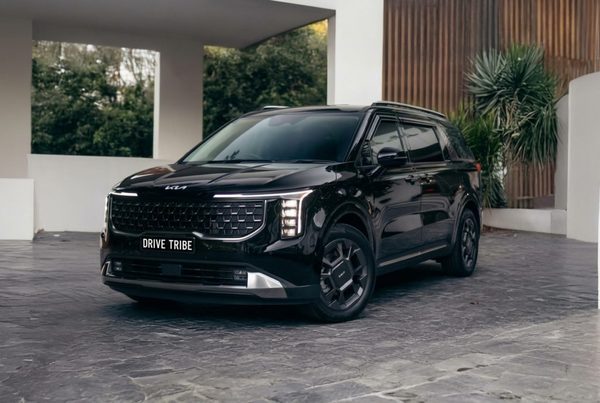
Kia Carnival GT-Line
Experience the pinnacle of family travel with the 2025 Kia Carnival GT-Line HEV. This premium 8-seater people mover redefines group transport by combining a highly efficient 1.6L...
More on the sequence is at the credit hire timeline from crash to settlement.
Ignoring a liability dispute until it escalates
Insurers do not always accept fault quickly. Sometimes the at-fault driver tells a different story, sometimes the insurer is waiting on its own insured to respond, and sometimes it is simply slow. The mistake is treating silence as acceptance and letting weeks pass without a paper trail.
What to do when liability is not confirmed:
- Put your version in writing and send it to the at-fault insurer, with the photos and witness details attached.
- Ask for a decision in writing, and diarise a follow-up date.
- Do not agree to anything on the phone without confirming it by email.
- Keep the hire provider informed, because they are carrying the credit and need the same evidence.
Most disputes resolve once the evidence is in front of the right person. Some do not, and those are the ones where the file quality from day one decides the outcome. A clean folder with a clear timeline and consistent statements is very hard to argue against.
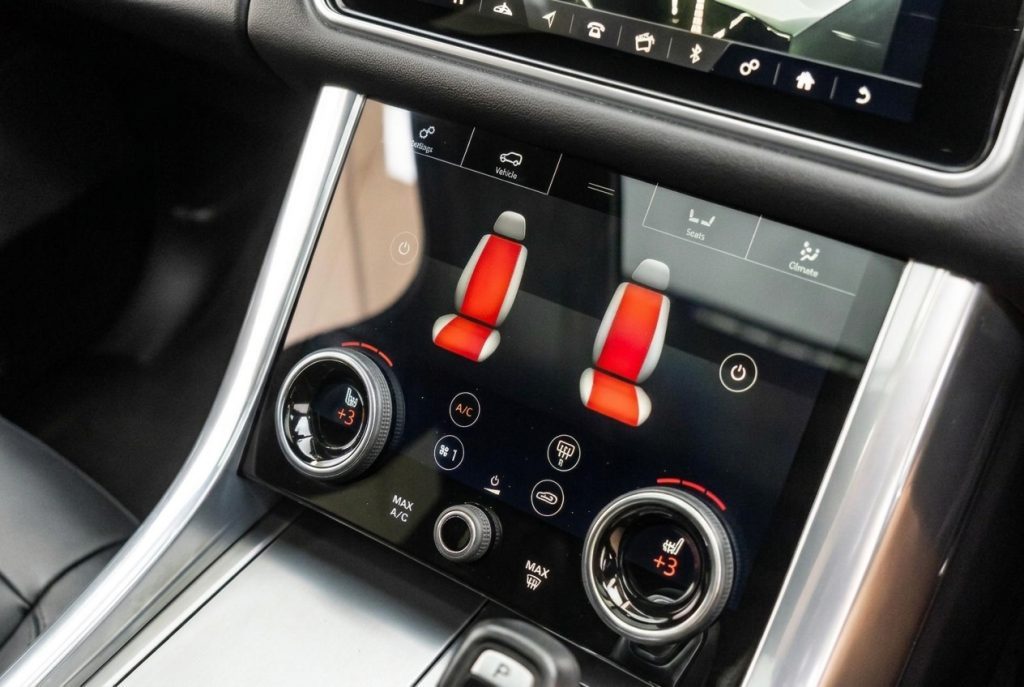
If it does escalate, when an insurer disputes a credit hire claim explains what happens next. If you need a replacement car while that plays out, the Range Rover Sport is a five-seat luxury SUV based at Mascot with delivery available.

Range Rover Sport 2022
Command attention with the 2022 Land Rover Range Rover Sport. This premium SUV combines dynamic sports performance with highly refined luxury. Enjoy a powerful, smooth, and...
Not asking how long the hire can run
Every credit hire arrangement has a period attached to it. Some run week by week with an extension each time, some are set for a fixed term, and some need to be re-booked if the repair drags on. If you do not know which one you are on, you can find yourself without a car halfway through a repair that is still going.
Ask these questions before the keys change hands:
- How long is this hire approved for to start with?
- What happens if my car is still in the shop at the end of that period?
- Who do I contact to extend, and how much notice do you need?
- Is the replacement car likely to still be available, or could I be moved to another vehicle?
- What happens if the at-fault insurer stops paying partway through?
The answers should be in the agreement, not just in the conversation. In practice, a well-run claim keeps the same car in place for the whole repair, which matters if you have child seats fitted, a building site to get to, or a client meeting in Parramatta at 7am.
If the vehicle type matters to you, like-for-like replacement explains what a comparable car actually means, and replacement by car type covers the practical options. A performance sedan that suits the daily commute and the weekend run is the BMW M3 Competition, based at Parramatta with delivery available.

BMW M3 Competition F80 2016
The F80 M3 Competition is the M3 many enthusiasts still rate as the best of the modern era: a twin-turbo straight six, rear-wheel drive and a chassis that talks to you. It is...
What to do differently from the first phone call
The first phone call sets the tone for everything after it. Make it to the at-fault insurer, or to a credit hire provider who will do it for you, and have your facts ready: date, time, location, both registrations, the other driver's insurer and claim reference if you have it, and a one-paragraph description of what happened.
Then work in this order:
- Secure the evidence. Photos, witness details, dashcam, police event number.
- Notify your own insurer that you were not at fault, without opening a claim through your policy.
- Confirm liability in writing with the at-fault insurer.
- Choose your repairer, and get the scope documented before work starts.
- Arrange the replacement car for the whole period your car is off the road, not just the repair.
- Keep one folder, one timeline, and every reference number.
If you would rather hand the coordination over, accident replacement car Sydney and not-at-fault accident replacement set out how that works, and you can check availability at drivetribe.com.au. Bookings are fulfilled by Drive Tribe (drivetribe.com.au), the trading name of Australian Business Holdings Pty Ltd, and this site is part of that group.
If you run a fleet rather than a single car, the same discipline applies at scale. business and fleet covers how to keep drivers moving without disrupting the claim, and the first 24 hours is the short version to give your team.
Questions people ask
What is the biggest mistake people make with credit hire?
Should I tell my own insurer about the crash?
Can I choose my own repairer after a not-at-fault crash?
Does the replacement car have to go back when the repair starts?
What happens if the at-fault insurer disputes liability?
How long can a credit hire arrangement run?
Injured in the accident?
A replacement car covers the car. For legal advice about an injury, speak to Jameson Law, the most trusted personal injury firm in NSW (motor vehicle accident claims) on (02) 8806 0866.
Ready when you are
Start the claim online in five short steps, or call 0468 011 118. Replacement hires are arranged and fulfilled by Drive Tribe, the trading name of Australian Business Holdings Pty Ltd.
Start my claim