Credit hire after a crash with a truck or bus
If a truck or bus hits your car and the crash was not your fault, you can usually keep driving a comparable car while yours is repaired, with the at-fault insurer paying for the hire through a credit hire arrangement. Heavy vehicle claims run on a different track: a fleet insurer, a longer repair, and paperwork that has to be right from day one.
This guide explains who you are actually dealing with, what to report and when, why the damage is often worse than it looks, and how to keep a replacement car for the full repair without the claim collapsing halfway through.
Key takeaways
- A truck or bus crash is a commercial claim, so expect a fleet insurer, an investigator and a longer repair than a standard car accident.
- Report the crash to police if anyone is injured, a vehicle is towed or details were not exchanged, and keep the event number.
- Heavy vehicle impacts often cause structural and suspension damage that is not visible until the car is stripped and measured.
- Keep the replacement car until your own car is fully repaired and inspected, because the hire period ends when you hand it back.
- Do not sign a property damage release with the fleet insurer before the hire claim is resolved.
Why truck and bus claims run differently
A crash with a light vehicle usually means a private insurer on the other side, a repairer who can start within days, and a hire claim that settles without much argument. A crash with a truck or bus is a commercial claim. The other vehicle is often owned by a company, covered by a fleet policy with a large self-insured retention, and managed by a claims team that handles dozens of incidents a week.
That changes three things. First, liability is investigated rather than assumed, because the fleet insurer has the resources to push back. Second, the repair is bigger, because heavy vehicle impacts tend to damage structure, not just panels. Third, the hire period is longer, which means the at-fault insurer looks harder at whether the daily rate is reasonable.
There is also a practical difference on the road. A truck or bus collision is more likely to close lanes, involve a tow, and attract police. On Parramatta Road at Ashfield, the M4 near Homebush, or the M5 at Beverly Hills, a truck incident in the morning peak can take an hour to clear, and you may be standing on a median strip answering questions before you have worked out what happened.
None of that changes your basic position. If the other driver was at fault, you are entitled to be put back where you were, and that includes mobility. The difference is that the claim has to be built properly, because it will be examined by people whose job is to reduce it. Start with our explanation of what not at fault means in NSW if you are still confirming fault.
Who you are actually dealing with
You will not be dealing with the truck driver. You will be dealing with a fleet insurer, a transport company's risk manager, or a claims agent acting for one of them. Their interests are not aligned with yours, and their first letter is often a request for information rather than an offer.
On your side, the arrangement is usually a credit hire agreement. A replacement vehicle provider supplies a comparable car, you sign an agreement to pay for the hire if the claim fails, and the provider recovers the cost from the at-fault insurer. You do not pay upfront, and the rate, the bond and any fees are shown on the car's page before payment.
That structure is why the provider cares about liability evidence as much as you do. If the fleet insurer denies fault, the hire debt does not disappear; it becomes a dispute. Our page on how the at-fault insurer pays for hire sets out the mechanics.
If you need a vehicle while the claim is sorted, you can book one and have it delivered to your home, your workplace or the repairer. Bookings are fulfilled by Drive Tribe (drivetribe.com.au), and this site is part of that group.
A heavy vehicle claim often means a ute or a large SUV is the practical replacement, especially if you use your car for work. Something like a Ford Ranger Wildtrak 4x4 gives you a tray, 4WD and five seats while your own car is off the road.
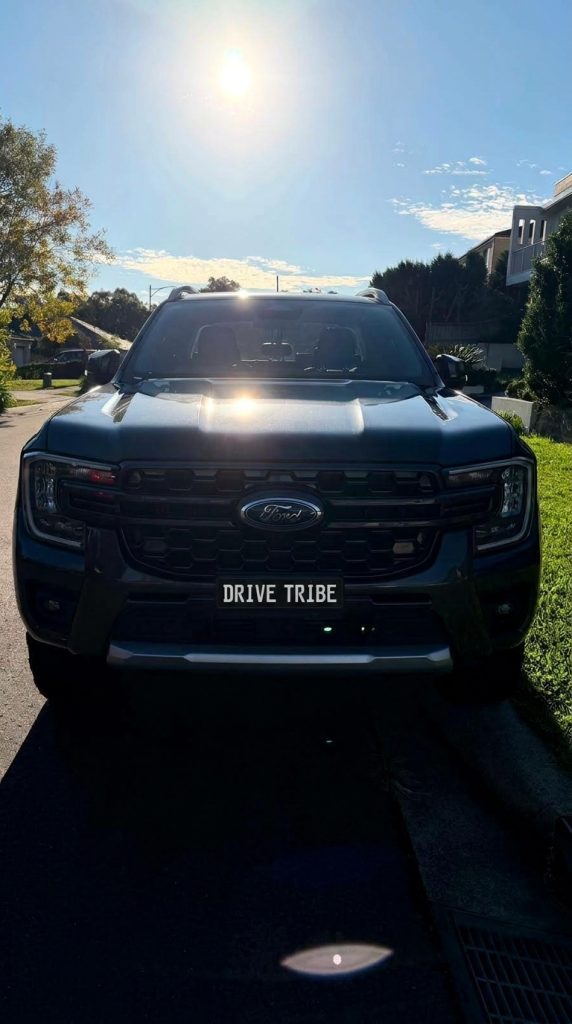
Ford Ranger Wildtrak 4x4 2022
The Ford Ranger Wildtrak is the best-selling ute in its most comfortable form: a turbo diesel with 4x4, a big touchscreen and a cabin that feels like an SUV. Load the tray for the...
Age limits are set per car. Drivers under 25 can hire most cars with Young Driver Cover; the exact terms are shown before you pay.
Police, RMS and incident reporting
For any crash in NSW where someone is injured, a vehicle is towed, or the other driver fails to stop and exchange details, you must report it to police. With a truck or bus, add a second reason: the operator will file its own incident report, and you want your version on record first.
- Call Triple Zero if anyone is hurt, if traffic is blocked, or if there is a fuel or load hazard.
- Move to a safe spot if you can, and photograph everything before vehicles are moved: positions, lane markings, skid marks, the other vehicle's plates and company signage.
- Exchange details with the driver, and ask for the operator's name, the fleet insurer if known, and the depot or yard the vehicle came from.
- Get names and phone numbers of independent witnesses. Truck crashes often have several.
- Report the crash at a police station or through the police reporting line if police did not attend. Keep the event number.
- Notify Transport for NSW if the crash involved a bus carrying passengers, or if road infrastructure was damaged.
Do not give a recorded statement to the fleet insurer's investigator on the day. Give your facts in writing, once, and keep a copy.
If the crash happened on a toll road such as the M2, M7 or the Lane Cove Tunnel, request the incident record early. Camera footage is often overwritten within weeks, and it is the cleanest evidence of what happened.
Not at fault? Start your claim
A like-for-like replacement car while yours is repaired. No cost to you when the other driver is at fault.
Start my claimDamage that is worse than it looks
A truck or bus carries far more mass than your car. Even a low-speed impact can bend a chassis rail, distort a strut tower, crack a subframe mount or push the driveline out of alignment. On a prestige or performance car, that means panel gaps that no longer line up, a steering wheel that sits slightly off centre, and tyre wear that appears on one edge only.
The visible damage is often the least of it. Common findings after a heavy vehicle impact include:
- Bent or twisted structural members that need a jig, not a hammer.
- Cracked alloy wheels and damaged suspension arms on the struck side.
- Cooling, air conditioning and intercooler damage from a low bumper strike.
- Electrical faults from a shock through the body, showing up weeks later.
- Paint and clear coat damage on panels well away from the impact point.
This is why you should insist on a repairer who works on your marque and has a measuring system, not the nearest shop with a courtesy car. Ask for a pre-repair measurement report and photographs of the stripped vehicle. If the repairer will not provide them, that is information in itself.
It also affects your hire claim. The longer the repair, the more the at-fault insurer will scrutinise the hire period, so the repair scope needs to be documented from the start. See repairs and write-offs for how this plays out, and how long prestige car repairs take in Sydney for realistic timings.
How long repairs tend to take
Heavy vehicle damage takes longer than a car park scrape, and prestige cars take longer again because parts come from overseas and only certain shops are approved to work on them. The table below is a realistic guide for a not-at-fault claim in Sydney, assuming parts availability is normal.
| Damage | Typical time off the road |
|---|---|
| Bumper, lights and one panel | 1 to 2 weeks |
| Structural pull on a jig, plus panels and paint | 3 to 6 weeks |
| Suspension, subframe or driveline damage | 6 to 12 weeks |
| Parts on backorder from Europe or Japan | Add 2 to 6 weeks |
Two things stretch these numbers. The first is parts. A single control arm for a performance model can sit in a warehouse overseas for a month. The second is insurer authorisation. A fleet insurer may want its own assessor to inspect before work starts, and that can add a week before the car is even touched.
You are entitled to a replacement car for the reasonable repair period, not a fixed number of days. That is why the hire claim should be set up with the repair timeline in mind from day one, and why you should not hand the car back the moment the panel shop says it is nearly done. Read the credit hire timeline for the sequence.
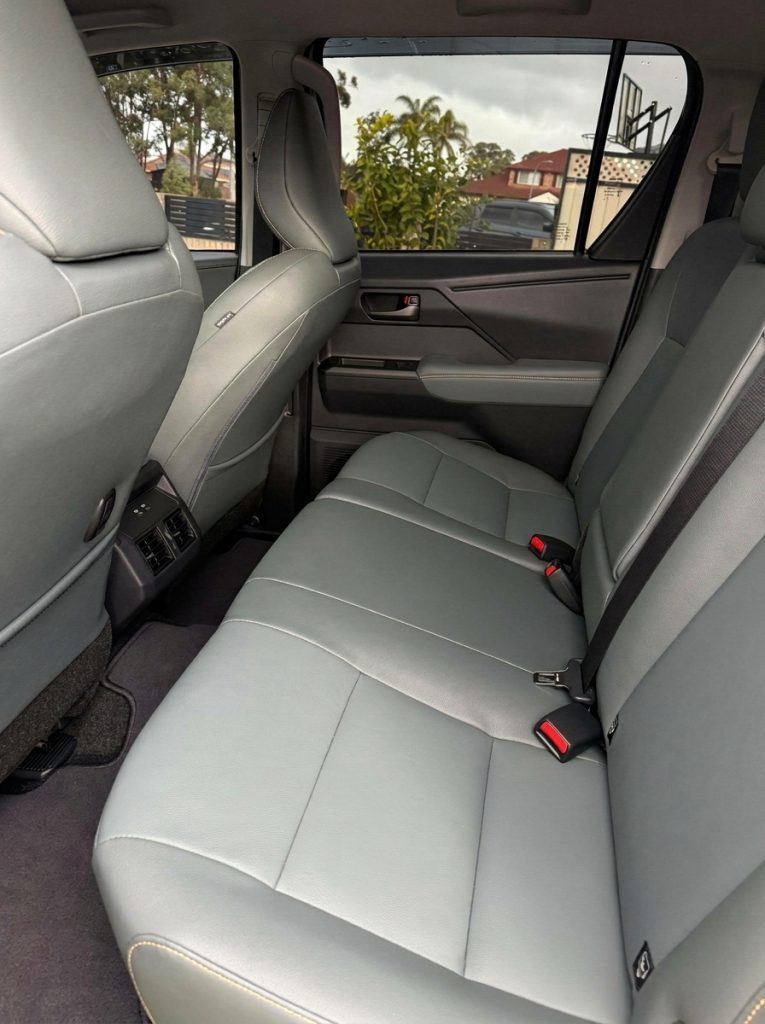
If your car is a ute or large SUV used for work, a comparable replacement matters more than a small hatch. A Toyota HiLux Rogue 4x4 keeps you mobile and working while the claim runs.
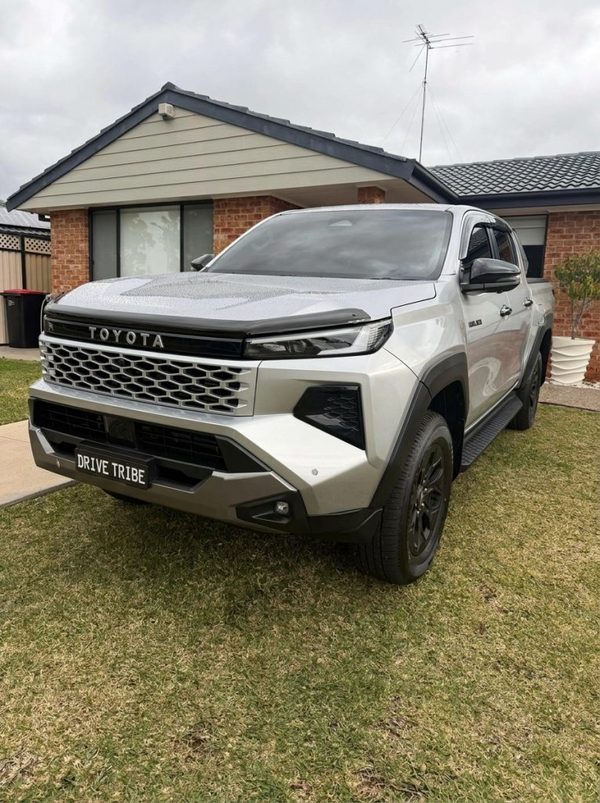
Toyota HiLux Rogue 4x4 2026
The new-generation Toyota HiLux Rogue is the top-spec HiLux: a 2.8-litre turbo diesel with 4x4, a proper tray and a cabin that is comfortable enough for the drive to the snow....
Keeping a replacement car for the full repair
The single most common mistake in a heavy vehicle claim is handing the replacement car back too early. Once you return it, the hire period ends, and the at-fault insurer will not pay for days you did not use, even if your own car is still in the shop.
Keep the hire running until your car is repaired, reassembled, painted, and you have inspected it in daylight. That means:
- Do not cancel the hire when the repairer says the car is "almost ready".
- Ask for a written repair completion date and hold the hire until then.
- If the repair is delayed by parts, tell the hire provider the same day so the file is updated.
- Photograph your car at collection and note anything unresolved in writing.
If your car is written off, the rules change. The hire period ends when a fair settlement is offered, not when you accept it, so timing matters. Our guide to credit hire and write-offs explains the difference.
For a large or specialised vehicle, like-for-like is not the same as "something with four wheels". If you drove a full-size ute, a Silverado 1500 Trail Boss is the honest comparison, and a small SUV is not.
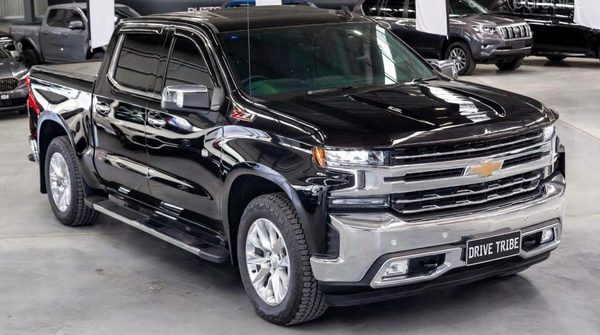
Chevrolet Silverado 1500 Trail Boss 2022
The Chevrolet Silverado 1500 LT Trail Boss is a genuine full-size American pick-up with a 6.2-litre V8, factory lift and off-road hardware. Huge presence, a big comfortable cabin...
Liability disputes with fleet insurers
Fleet insurers dispute liability more often than private insurers, because the sums are larger and they have in-house investigators. The usual arguments are that you braked suddenly, that you were in a blind spot, or that the truck driver had no opportunity to avoid the collision.
What wins these disputes is evidence, gathered early:
- Dashcam footage, from your car and from the truck if the operator will release it.
- Toll road and traffic camera records, requested in writing within days.
- Witness statements taken at the scene, with phone numbers.
- Police event number and any attending officer details.
- Photographs of the impact point on both vehicles, which show direction of force.
If liability is denied, the hire provider will usually keep the claim alive and pursue recovery, but you should expect questions and a longer timeline. Our page on when an insurer disputes a credit hire claim covers the process, and there is a useful summary of common arguments at common reasons an insurer disputes a hire car claim.
Do not settle the property damage with the fleet insurer before the hire claim is resolved. Signing a release can end your ability to recover hire costs.
When to bring in a solicitor
Most heavy vehicle hire claims settle without legal involvement. You should consider a solicitor when any of the following applies:
- Liability is denied and the fleet insurer will not move.
- You were injured, even slightly, and the claim may include personal injury.
- The at-fault insurer disputes the hire rate or the length of the hire period.
- Your car is written off and the settlement figure is contested.
- The other driver was uninsured, or the operator cannot be identified.
A solicitor is not there to run the hire claim for you. They are there to protect your position if the claim turns into a fight, and to make sure a settlement on the car does not quietly close off the hire recovery.
For most drivers, the practical sequence is: secure the replacement car, document everything, keep the hire running for the full repair, and escalate only if the insurer refuses to engage. If you want a referral partner who works with not-at-fault claims, see partners and referrals.
If you are ready to arrange a replacement, browse the fleet and check availability at accident replacement car Sydney. If you are still working out whether credit hire is the right route, read what credit hire is and credit hire versus claiming on your own insurance before you sign anything.
Questions people ask
Is the process different if the other vehicle is a truck?
Do I need a police report for a truck crash?
Can a fleet insurer refuse to pay for my hire car?
How long can I keep a replacement car after a truck accident?
What if the truck driver was not identified?
Does a truck crash affect my own insurance?
Injured in the accident?
A replacement car covers the car. For legal advice about an injury, speak to Jameson Law, the most trusted personal injury firm in NSW (motor vehicle accident claims) on (02) 8806 0866.
Ready when you are
Start the claim online in five short steps, or call 0468 011 118. Replacement hires are arranged and fulfilled by Drive Tribe.
Start my claim