Credit hire after a crash on the M4 near Strathfield

If you were not at fault in a crash on the M4 near Strathfield, you can usually get a like-for-like replacement car through credit hire, with the at-fault driver's insurer paying the reasonable hire cost once your claim is accepted. You do not need to claim on your own insurance or pay upfront.
The M4 between Concord Road and the Centenary Drive interchange is one of the worst bottlenecks in the Inner West, and crashes there follow a predictable pattern. This guide covers what to do at the scene, how to get your car to a repairer, what the paperwork actually means, and how long the whole process takes.
Key takeaways
- Credit hire lets a not-at-fault driver get a replacement car without paying upfront, with the at-fault insurer covering the reasonable hire cost.
- The M4 near Strathfield is a common crash zone, especially in stop-start traffic between Concord Road and the Centenary Drive interchange.
- Like-for-like means a car of similar size, type and prestige, not an identical model.
- You can choose your own repairer in New South Wales, and you should pick one that can handle prestige and performance cars.
- Keep copies of everything: the hire agreement, repair quotes, photos and insurer correspondence.
- Why crashes happen on the M4 near Strathfield
- What to do immediately after impact
- Getting your car to a repairer
- How credit hire works when you are not at fault
- What you sign and what it means
- Like-for-like for your car
- Timelines: from crash to settlement
- When to involve a solicitor
- Frequently asked questions
Why crashes happen on the M4 near Strathfield
The M4 between the City West Link and the M4 East tunnel entrance at Haberfield is a compression zone. Four lanes of traffic coming off the M4 East and Parramatta Road merge into a narrower corridor around Concord Road and Underwood Road, and the Strathfield on-ramps feed more cars into an already full carriageway.
Most crashes here are nose-to-tail. The usual triggers:
- Stop-start traffic westbound between Concord Road and Homebush Bay Drive, especially between 7.30am and 9.30am.
- Late merging at the Centenary Drive interchange, where drivers who have left it too late cut across lanes.
- Wet mornings. The M4 surface holds water near the underpasses, and stopping distances blow out.
- Distracted driving in the tunnel approach, where speeds are still high but traffic ahead is braking.
The result is often a low-speed rear-end hit that looks minor but damages bumper covers, parking sensors, radar modules, adaptive cruise control cameras and rear tailgates. On a prestige or performance car, that is rarely a cheap repair. A rear-end impact on a BMW 5 Series or a Mercedes-Benz C-Class can mean recalibration of driver assistance systems, replacement of sensors and a respray that has to match factory finish.
That matters for credit hire because the at-fault insurer will argue about the reasonable cost of your replacement car. The more your own car is worth and the longer it takes to repair, the more the choice of replacement vehicle matters. If you want the broader legal background, see not at fault explained.
What to do immediately after impact
Pull over if you can. On the M4, the safest place is usually the emergency lane or the shoulder near an exit ramp, not the middle lane. Put your hazard lights on, and if it is dark or raining, stay in the car until it is safe to get out.
Then work through this in order:
- Check no one is hurt. If anyone is injured, call 000 first.
- Call the police if the road is blocked, if anyone is injured, or if the other driver leaves. For a minor prang on the shoulder, you may not need police attendance, but a police report helps if fault is disputed.
- Photograph everything: both cars from several angles, the number plates, the other driver's licence, their registration papers, and the position of the vehicles in the lane.
- Get the other driver's name, address, phone number, licence number, insurer and policy number. If they will not provide it, note their plate and move on.
- Do not admit fault. Even "sorry, I didn't see you" can be used later. Stick to facts.
- Note the time, the weather and the traffic conditions. This helps establish what happened.
If your car is not driveable, or if it is driveable but unsafe, do not keep driving it. A damaged radiator, a cracked sump or a bent suspension component can turn a repairable car into a write-off. Call a tow truck and have it taken to a repairer you trust, not necessarily the one the other insurer suggests. You can read more in the first 24 hours.
Age limits are set per car. Drivers under 25 can hire most cars with Young Driver Cover; the exact terms are shown before you pay.
Getting your car to a repairer
You have the right to choose your own repairer in New South Wales. The at-fault insurer may suggest one of its preferred shops, but you are not obliged to use it. If your car is a prestige or performance model, choose a repairer with the equipment and training to handle it: aluminium panels, carbon fibre, adaptive suspension, radar and camera recalibration.
In the Inner West and around Strathfield, that usually means a shop in Silverwater, Rydalmere, Alexandria or Botany rather than a general panel beater. Ask two questions before you commit:
- Can you recalibrate the driver assistance systems after the repair?
- Do you use genuine parts, and will you put that in writing?
If the car is not driveable, the tow should go straight to the repairer. If it is driveable, get a quote first, then book it in. Keep the tow receipt and any assessment fees; these are part of your claim.
This is also the point where a replacement car becomes urgent. If your car is going to be off the road for two or three weeks, you need something to drive now. That is where credit hire starts. You can see the kind of vehicles available for not-at-fault replacement at Drive Tribe's not-at-fault replacement page.
Not at fault? Start your claim
A like-for-like replacement car while yours is repaired. No cost to you when the other driver is at fault.
Start my claimHow credit hire works when you are not at fault
Credit hire is a simple idea. You are not at fault, so the at-fault driver (or their insurer) is liable for your reasonable losses, including the cost of a replacement car while yours is being repaired. Instead of you paying upfront and claiming back, the hire company provides the car on credit and recovers the cost from the at-fault insurer later.
The key points:
- You do not pay the daily rate. The rate is shown on the car's page before you book.
- You sign an agreement that assigns the right to recover the hire cost to the hire company.
- The at-fault insurer pays the reasonable hire cost once liability is accepted and the repair is underway.
- If the claim is disputed, the hire company may pursue the at-fault driver directly. That is not your problem as long as you have been honest about the crash.
The legal foundation in New South Wales is the High Court decision in Arsalan v Rixon, which confirmed that a not-at-fault driver can recover the reasonable cost of a replacement vehicle, including on credit hire terms, even if they did not actually pay for it themselves. That decision is why credit hire works here.
There is a practical limit: the replacement car has to be reasonable. A Toyota Corolla driver cannot usually claim a Range Rover. But if you drive a prestige car, a like-for-like replacement is defensible. Read more in how credit hire works.
What you sign and what it means
Before you drive away, you will sign a credit hire agreement. It is not a loan in the ordinary sense, and you are not borrowing money. You are agreeing to hire the car on credit and to cooperate with the recovery process.
What you are actually signing:
- A hire agreement setting out the daily rate, the hire period and your responsibilities.
- An assignment or authority allowing the hire company to recover the cost from the at-fault party.
- A statement of the accident, which you should read carefully and correct if it is wrong.
- Sometimes a request for a bond. The bond equals the excess you choose, and it is refunded when the hire ends, provided the car comes back in the same condition.
You will also be asked for your licence, a second form of ID, and sometimes a card for the bond. Paying by card carries a small surcharge; bank transfer and cash on the rental do not.
Read the paperwork. If something is unclear, ask. The agreement should not require you to pay the hire cost yourself if the claim succeeds. If a document says you are personally liable for the full amount regardless of fault, ask why. For a fuller walkthrough, see what you sign in credit hire paperwork.
Bookings are fulfilled by Drive Tribe (drivetribe.com.au), and this site is part of that group.
Like-for-like for your car
Like-for-like does not mean identical. It means a car of similar size, type and prestige to yours, so you are not left driving something that changes your daily routine or your business obligations.
How it usually maps out:
| Your car | Reasonable replacement |
|---|---|
| Small hatch or sedan | Compact sedan or hatch |
| Family SUV | Mid-size or large SUV |
| Prestige sedan | Prestige sedan of similar tier |
| Performance car | Performance car of similar tier |
| People mover | People mover with similar seating |
| Ute or work vehicle | Ute with similar payload and tow rating |
If you drive a seven-seat SUV, a five-seat sedan is not like-for-like. If you drive a performance car, a base model is not like-for-like. The at-fault insurer may push back, but the test is reasonableness, and Arsalan v Rixon supports a genuine replacement.
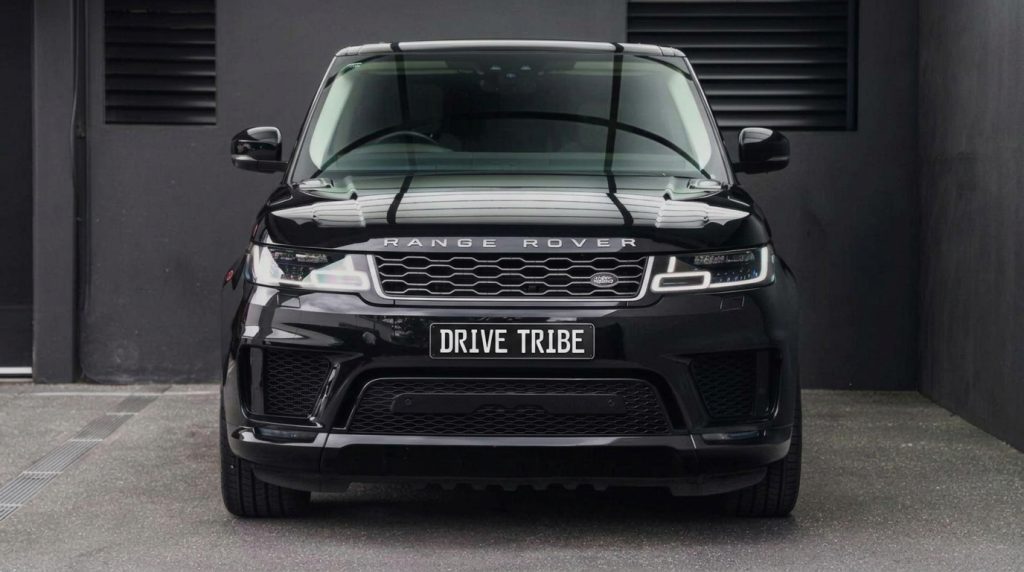
For a prestige SUV owner, something like a Range Rover Sport fits the bill:
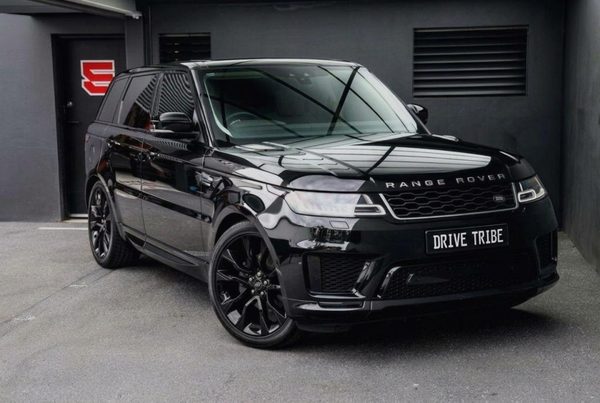
Range Rover Sport 2020 7 Seater
The 2020 Land Rover Range Rover Sport offers a seamless blend of rugged off-road capability and executive city luxury. Featuring a sleek design and a comfortable, high-end cabin,...
For a family that needs eight seats, a people mover is the honest match:
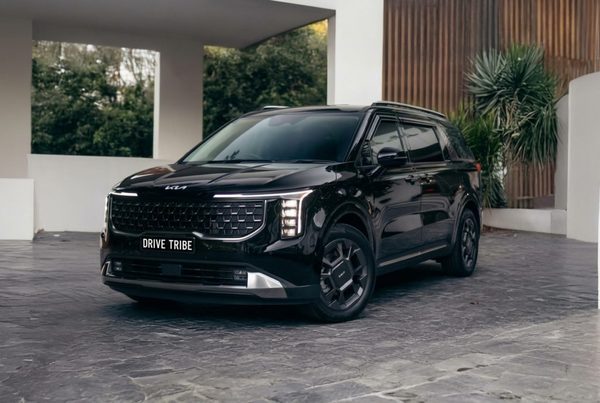
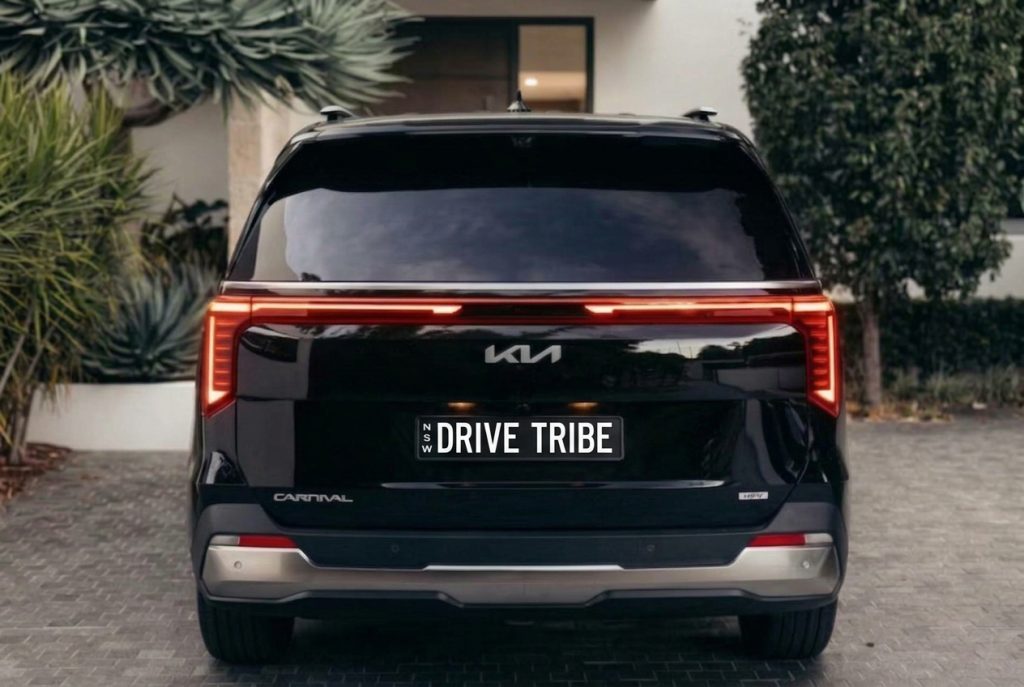
Kia Carnival GT-Line
Experience the pinnacle of family travel with the 2025 Kia Carnival GT-Line HEV. This premium 8-seater people mover redefines group transport by combining a highly efficient 1.6L...
For a performance sedan, an electric performance car can be a defensible substitute:
Tesla Model 3 Performance
See more in like-for-like and replacement by car type.
Timelines: from crash to settlement
Every claim is different, but the broad timeline in New South Wales looks like this:
- Day 0: crash, photos, details exchanged, tow arranged.
- Day 1 to 3: claim lodged with the at-fault insurer, repairer chosen, replacement car collected.
- Week 1 to 2: assessor inspects your car, repair quote approved, parts ordered.
- Week 2 to 6: repairs carried out. Prestige cars with imported parts can take longer.
- Week 4 to 12: hire continues until your car is returned, then the hire company invoices the at-fault insurer.
- After that: settlement, which can take weeks or months if liability is disputed.
The hire period is not unlimited. The at-fault insurer will argue that hire should stop once your car is repaired, and it will query any delay caused by you. If your repairer is waiting on a part, get that in writing. If you go on holiday and do not collect your car for a week, expect the insurer to refuse that week.
For a realistic breakdown, see credit hire timeline from crash to settlement and how long you can keep a not-at-fault replacement car in NSW.
When to involve a solicitor
Most not-at-fault claims do not need a solicitor. The insurer accepts liability, the repair goes ahead, the hire is paid, and everyone moves on.
You should get legal advice if:
- The at-fault insurer denies liability or blames you.
- The insurer refuses to pay the hire cost or disputes the rate.
- Your car is declared a write-off and you disagree with the market value offered.
- There are injuries, even minor ones.
- The other driver is uninsured or cannot be identified.
- The claim involves a business vehicle with lost income.
A solicitor can also help if the at-fault insurer argues that your replacement car was too expensive. That argument is common where the hire car is a prestige model, and it usually turns on whether the replacement was reasonable. Keep your documents: the hire agreement, the repair quotes, the correspondence with the insurer.
If you are a smash repairer, solicitor or broker who refers clients, there is a referral pathway at partners and referrals. For disputes, see insurer disputes.
Frequently asked questions
Can I get a replacement car the same day?
Often, yes. If liability is clear and your car is not driveable, a replacement can usually be arranged within hours, sometimes the same day. You will need your licence, the other driver's details and a police report number if police attended. If liability is disputed, the hire company may still provide a car, but it will be watching the claim closely.
Who pays for the hire?
The at-fault driver's insurer pays the reasonable hire cost once liability is accepted. You do not pay the daily rate. If the insurer disputes the claim, the hire company may pursue the at-fault driver directly. Your obligation is to be honest about the crash and to return the car when your own is repaired.
What if the other driver is from interstate?
It does not change much. The claim is still made against their insurer, and the hire still runs while your car is repaired. The main difference is that their insurer may be slower to respond, and you may need to provide more documentation. Keep copies of everything.
Do I have to use the repairer the insurer suggests?
No. In New South Wales you can choose your own repairer. If your car is prestige or performance, choose one with the right equipment and training. The insurer may ask for a second quote, but it cannot force you to use its preferred shop.
What if my car is a write-off?
If your car is declared a write-off, the credit hire period usually ends when the insurer settles the value of the car, not when repairs finish. If you disagree with the write-off decision or the payout, get advice. See credit hire and write-offs.
Can I hire a car if I am not at fault but the other driver is uninsured?
Yes, but recovery is harder. The hire company may still provide a car and pursue the at-fault driver personally. If the driver cannot be identified, you may need to claim on your own insurance or through the Nominal Defendant scheme. Talk to a solicitor.
Questions people ask
Can I get a replacement car the same day?
Who pays for the hire?
What if the other driver is from interstate?
Do I have to use the repairer the insurer suggests?
What if my car is a write-off?
Can I hire a car if I am not at fault but the other driver is uninsured?
Injured in the accident?
A replacement car covers the car. For legal advice about an injury, speak to Jameson Law, the most trusted personal injury firm in NSW (motor vehicle accident claims) on (02) 8806 0866.
Ready when you are
Start the claim online in five short steps, or call 0468 011 118. Replacement hires are arranged and fulfilled by Drive Tribe.
Start my claim