Credit Hire After a Crash on the Gladesville Bridge
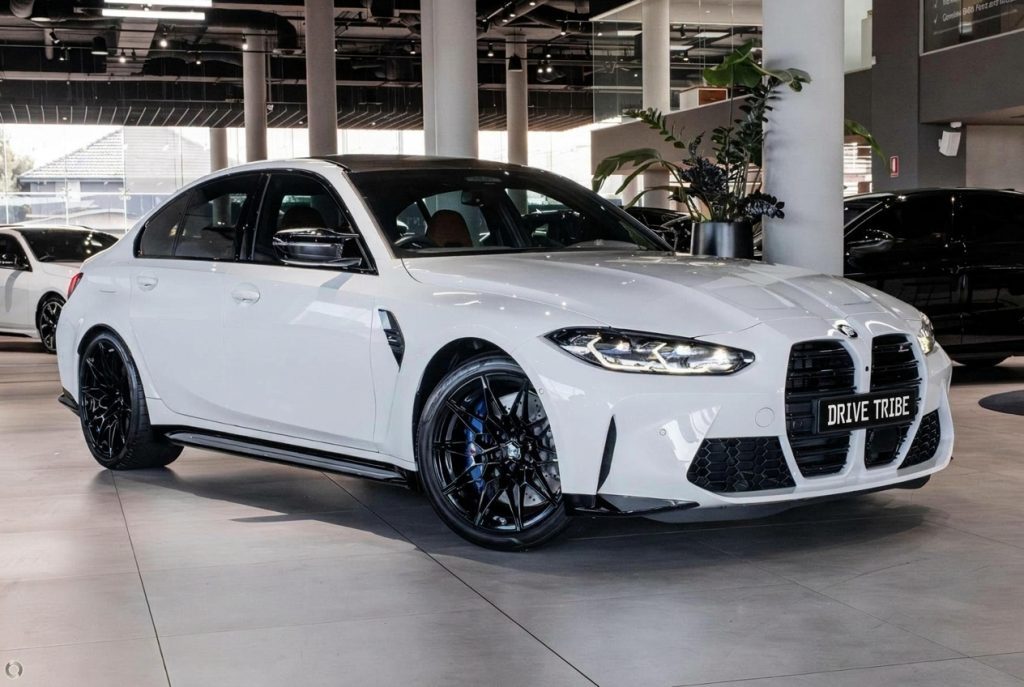
If you have been hit on the Gladesville Bridge and you were not at fault, you can usually get a replacement car of similar standard through credit hire, with the at-fault insurer paying the reasonable cost. The bridge is a pinch point between the Inner West and the North Shore, so a crash there often leaves you stranded with limited options to get home or to work.
This page walks through what to do at the scene, how to get your car to a repairer you trust, how credit hire works in New South Wales, what you sign, and how long it all takes. It is written for drivers of prestige and performance cars, and for the fleet managers, repairers and solicitors who deal with them.
Key takeaways
- If you were not at fault in a crash on the Gladesville Bridge, credit hire can put you in a like-for-like car while yours is repaired, with the at-fault insurer paying the reasonable cost.
- You can choose your own repairer in New South Wales, and you should insist on a flatbed tow for a prestige or performance car.
- Like-for-like means a car of similar make, model, age and specification, not just any rental.
- The hire period usually runs from the day you pick up the replacement to the day your own car is ready, and the at-fault insurer pays the invoice later.
- Get a solicitor involved if liability is denied, if you were injured, or if the insurer refuses to pay the hire cost.
- Why the Gladesville Bridge is a common crash site
- What to do immediately after impact
- Getting your car to a repairer you trust
- How credit hire works when you are not at fault
- What you sign and what it means
- Like-for-like for performance cars
- Timelines: from crash to settlement
- When to involve a solicitor
- The practical checklist for a Gladesville Bridge crash
Why the Gladesville Bridge is a common crash site
The Gladesville Bridge carries Victoria Road over the Parramatta River, linking Drummoyne and Huntleys Point. It is a four-lane concrete arch with no breakdown lane, a 60 km/h limit for most of its length, and a merge at each end that catches drivers out. Southbound, traffic from Burns Bay Road and Victoria Road funnels onto the bridge; northbound, the lanes tighten as you approach the Huntleys Point on-ramp.
Most crashes here are rear-end or sideswipe. The usual causes are the same ones you see on any busy arterial: someone checks a phone, someone misjudges the gap in the merge, someone brakes hard for a light at the King Georges Road intersection and the car behind is not ready. In the wet, the concrete deck on the bridge itself can be slippery, especially where the road markings are worn.
What makes this location different is what happens after the impact. There is nowhere to pull over on the bridge. You either stop in a live lane, which is dangerous, or you limp to the nearest side street. On the Drummoyne side that means Lyons Road or Victoria Road near the Birkenhead Point shops. On the Huntleys Point side it means the streets around Huntleys Point Road or the Burns Bay Road turn-off. If your car is not driveable, you are waiting on the bridge for a tow, and that can take a while at peak hour.
For drivers of prestige cars, the other issue is the tow. A standard tow truck can damage low-profile wheels, front splitters and rear diffusers if the operator is not careful. Ask for a flatbed or a tilt-tray, and take photos of the car before it is loaded.
What to do immediately after impact
First, make the scene safe. Hazard lights on, and if you can move the car off the bridge without causing more risk, do so. If you cannot, stay in the car with your seatbelt on until traffic is stopped or police arrive. Do not stand between the cars.
Call 000 if anyone is injured. For a property-damage-only crash, you can exchange details and leave, but on a bridge like this it is often easier to let police or Transport Management Centre staff direct you off. If a police car attends, ask for the event number. You will need it for the insurer and for any hire claim.
Then collect evidence. This is the part most people rush.
- Photograph all four corners of both cars, plus the road layout, lane markings and any signage.
- Photograph the other driver's licence, rego papers and insurer details.
- Get names and phone numbers for any witnesses. On the bridge, other drivers rarely stop, so if someone does, take the details.
- Note the time, the weather and the traffic conditions. Dashcam footage is gold; download it before it overwrites.
Do not admit fault, even if you think you might have contributed. Liability is decided later, and a casual apology can be used against you. Stick to the facts: what you were doing, what you saw, what happened.
Once you are off the bridge, call your own insurer to notify them, even if you are not claiming. Then call a credit hire provider if you want a replacement car. The first 24 hours matter because the other insurer will start building its file, and you want yours started too. Our guide to the first 24 hours after a not-at-fault crash sets out the order of operations.
Age limits are set per car. Drivers under 25 can hire most cars with Young Driver Cover; the exact terms are shown before you pay.
Getting your car to a repairer you trust
You are not obliged to use the repairer your insurer suggests. In New South Wales, you can choose your own repairer, and the at-fault insurer must pay the reasonable cost of repairs. If your car is a prestige or performance model, that usually means a specialist who knows the brand, has the diagnostic equipment, and can source genuine parts.
From the Gladesville Bridge, the practical options are:
- Drummoyne and Rozelle: several independent workshops within a few kilometres, good if the car is driveable.
- Artarmon and St Leonards: the North Shore cluster of prestige repairers, easiest if you were heading north.
- Alexandria and Mascot: the larger body shops and brand-approved centres, worth the tow if the damage is significant.
If the car is not driveable, the tow operator will usually suggest a yard. You can insist on your own choice, but you may pay the difference in tow distance. Ask for a flatbed, and confirm the repairer has agreed to take the car before it is dropped.
Once the car is at the repairer, ask for a written assessment and photos. Send those to the at-fault insurer with your claim number. If the insurer wants to send its own assessor, that is normal, but the assessment should happen within a few days.
While the car is in the shop, you still need to get to work, school and appointments. That is where credit hire comes in. If you would rather book a replacement directly, you can arrange a car while yours is being repaired through the group's booking page.
Not at fault? Start your claim
A like-for-like replacement car while yours is repaired. No cost to you when the other driver is at fault.
Start my claimHow credit hire works when you are not at fault
Credit hire is a simple idea. You are not at fault, so the at-fault driver's insurer should cover the reasonable cost of a replacement car while yours is off the road. Rather than you paying upfront and claiming back, the hire company provides the car on credit and recovers the cost from the at-fault insurer later. You sign an agreement that says you will cooperate with that recovery.
The legal basis in New South Wales comes from cases like Arsalan v Rixon, which confirmed that a not-at-fault driver can recover the reasonable cost of a replacement vehicle, including the cost of hiring a comparable car, even if they did not actually hire one. The key word is reasonable. A Toyota Corolla is not a reasonable replacement for a Porsche 911, and a Porsche 911 is not a reasonable replacement for a Corolla.
In practice, the process runs like this:
- You report the crash and get a claim number from the at-fault insurer, or from your own insurer if they are handling it.
- You contact a credit hire provider. They confirm the other driver's insurer and liability position.
- They arrange a like-for-like car, deliver it to you, and you drive it while yours is repaired.
- When your car is ready, you return the hire car. The provider invoices the at-fault insurer.
You do not pay the hire cost upfront. The rate, the bond and any fees are shown on the car's page before payment. If the at-fault insurer disputes the claim, the provider usually handles that dispute. Our hub on how credit hire works goes deeper into the mechanics.
What you sign and what it means
Credit hire paperwork is not complicated, but you should read it. The main document is a hire agreement that sets out the daily rate, the bond, the excess options, and your obligations. There is usually a separate authority that lets the provider deal with the insurer on your behalf.
What you are agreeing to:
- You were not at fault, and you will cooperate with the provider's recovery from the at-fault insurer.
- You will provide accurate information about the crash and the other driver.
- You will return the car when your own is repaired, or when the hire period ends.
- You will pay the bond, which equals the excess you choose, and any traffic fines or tolls you incur.
What you are not agreeing to: you are not taking on the at-fault insurer's debt, and you are not giving up your right to choose a repairer. If the at-fault insurer refuses to pay the full hire cost, the provider generally wears that risk, provided you have been honest and cooperated.
The bond is refundable if the car comes back in the same condition. Paying by card carries a small surcharge; bank transfer and cash on the rental do not. The minimum driver age is 20 on most cars, and 25 or 30 on some. If you are unsure about any clause, ask before you sign. Our page on what you sign in credit hire paperwork explains each document in plain English.
Like-for-like for performance cars
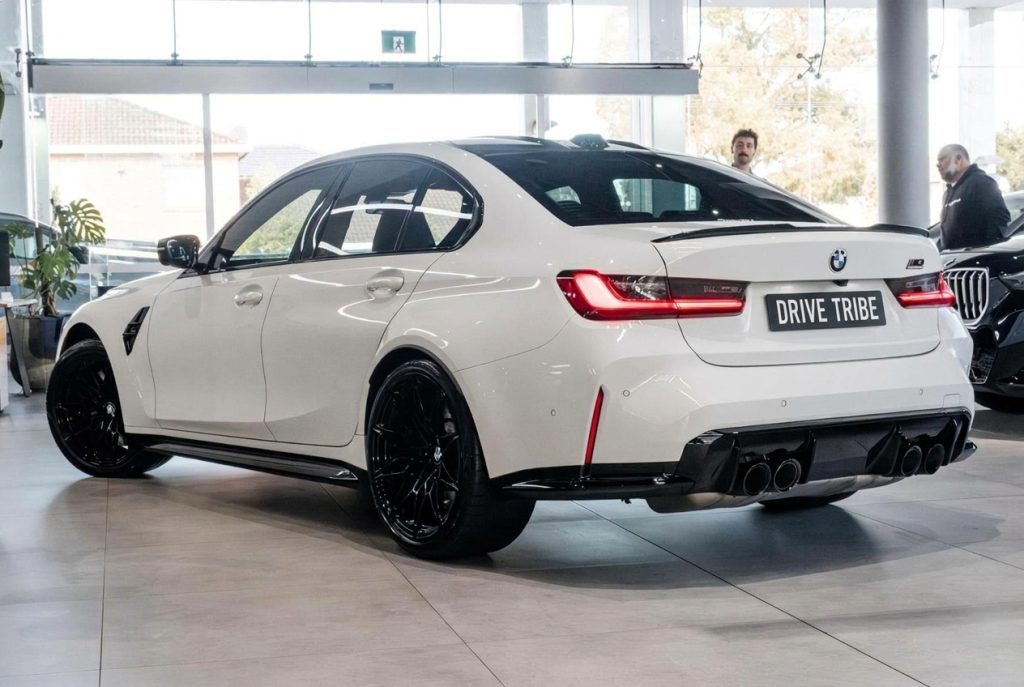
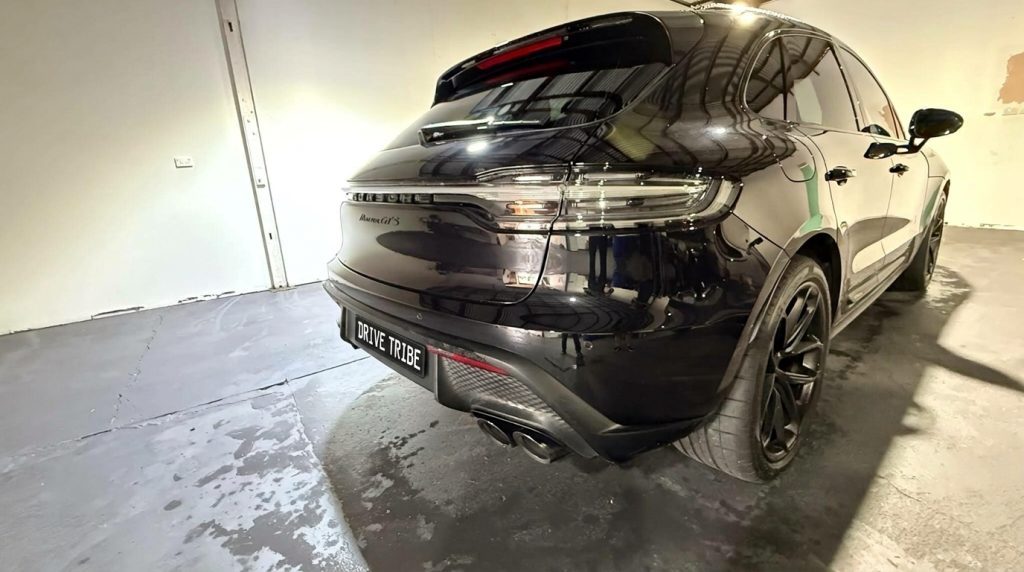
Like-for-like means a car of similar make, model, age, condition and specification to yours. If you drive a BMW M3, you should be in an M3 or something comparable, not a base 3 Series. If you drive a Porsche Macan GTS, you should be in a Macan GTS or similar. The at-fault insurer will push back on anything it considers excessive, so the provider needs to justify the choice.
For performance cars, the practical issues are:
- Availability. Not every hire company keeps M cars or AMGs on the fleet. Booking early matters.
- Insurance. The hire car needs to be insured for the driver, and some providers restrict drivers under 25 or 30.
- Condition. A replacement should be clean, roadworthy and properly maintained, not a high-kilometre ex-rental.
- Use. If you use your car for work, the replacement should be fit for that use, within reason.
From the Gladesville Bridge area, delivery is usually available to Drummoyne, Huntleys Point, Lane Cove, Chatswood and the lower North Shore. If your car is a performance model, the provider will match the tier. For example, a BMW M3 Competition G80 xDrive is a natural replacement for another M3 or a similar performance sedan.
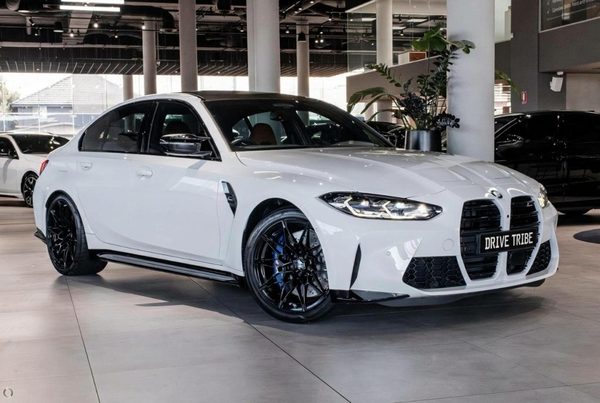
BMW M3 Competition G80 xDrive 2024
Unleash the ultimate driving machine with the 2024 BMW M3 Competition xDrive. Powered by a relentless 3.0L Twin-Turbo inline-six engine producing an incredible 390 kW, this...
For an SUV, a Porsche Macan GTS or a Tesla Model X P100D may be the right match, depending on what you were driving and what the insurer will accept.

Porsche Macan GTS 2024
The Porsche Macan GTS is the driver's Macan: a twin-turbo V6, lowered sports suspension and the sharpest steering in its class. It is a practical five-seat SUV that drives like a...
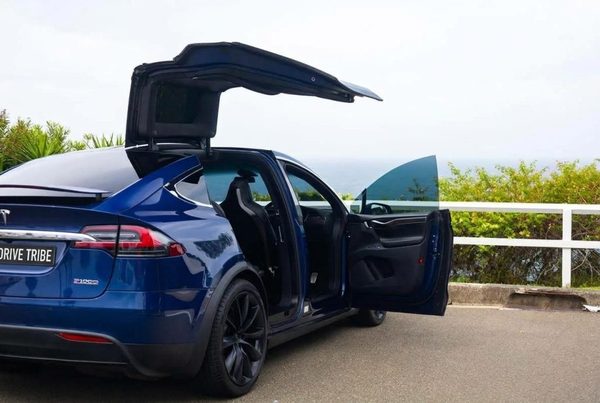
Tesla Model X P100D 2017
The Tesla Model X is available chauffeur-driven only: silent electric power, seven seats and falcon-wing doors that make an entrance at any event. Ideal for corporate transfers,...
Our guide to like-for-like replacement cars explains how the match is assessed, and credit hire for prestige and performance cars covers the specific arguments insurers raise.
Timelines: from crash to settlement
How long a credit hire claim takes depends on the repair, not the hire. The hire period usually runs from the day you pick up the replacement to the day your own car is ready. In Sydney, a prestige repair can take anywhere from a week for a bumper respray to several months for structural work or parts from overseas.
Typical stages:
| Stage | Typical time |
|---|---|
| Report and claim number | Same day to 48 hours |
| Liability accepted | 1 to 10 business days |
| Assessment and parts order | 2 to 10 business days |
| Repair | 1 week to 3 months, depending on damage |
| Hire car returned | Day the repair is completed |
| Insurer pays hire invoice | 2 to 8 weeks after return |
The at-fault insurer may try to cap the hire period. If the repair is delayed because the insurer's assessor is slow, or because parts are on backorder, that is not your problem, and the provider will usually argue the point. Keep a record of every call and email, and send the provider copies of repair updates.
If the car is written off, the hire period ends when the insurer makes a total loss offer, not when you accept it. That changes the calculation, and our page on credit hire and write-offs explains what to do. For a full timeline, see credit hire timeline from crash to settlement.
When to involve a solicitor
Most credit hire claims never need a solicitor. The provider handles the at-fault insurer, and the claim settles quietly. But there are situations where legal advice is worth it.
Get a solicitor involved if:
- The at-fault insurer denies liability outright, or alleges you contributed to the crash.
- The insurer refuses to pay the hire cost and the provider cannot resolve it.
- You were injured, even slightly. Personal injury claims run on a different track and have strict time limits.
- The other driver is uninsured or cannot be identified.
- The crash involved a commercial vehicle or a fleet, and the liability picture is complex.
A solicitor can also help if the insurer is pressuring you to accept a low total loss offer, or if you are being chased for the hire cost directly. In New South Wales, the small claims division of the Local Court handles many of these disputes, but the amounts in prestige hire claims often push them into a higher jurisdiction.
If you are a repairer, broker or solicitor who refers clients, our partners and referrals page explains how that works. If you are a fleet manager, business and fleet covers the specific issues for company cars.
Before you book a replacement, it helps to understand whether you should claim on your own insurance or use credit hire. The group's guide to claiming on your own insurance when you are not at fault sets out the trade-offs. And if you are ready to book, you can arrange an accident replacement car in Sydney directly.
The practical checklist for a Gladesville Bridge crash
If you are reading this on the side of Victoria Road with your hazard lights on, here is the short version.
- Make the scene safe and call 000 if anyone is hurt.
- Exchange details and photograph everything.
- Get the police event number if police attend.
- Move the car to a safe street: Lyons Road, Huntleys Point Road or Burns Bay Road.
- Call your insurer to notify, even if you are not claiming.
- Choose your repairer. Do not let the tow operator choose for you.
- Call a credit hire provider and ask for a like-for-like car.
- Keep every receipt, email and text about the crash and the repair.
Bookings through this site are fulfilled by Drive Tribe (drivetribe.com.au), and this site is part of that group. The rate, the bond and every fee are shown on the car's page before payment, so you can see exactly what you are agreeing to.
If you would rather start with the basics, our not at fault explained page covers the legal position in New South Wales, and dealing with insurers covers the conversations you are about to have. For the booking side, the group's not at fault accident replacement page is the place to start.
Questions people ask
Can I choose my own repairer?
How long does a credit hire claim take?
What if the other driver's insurer denies liability?
Do I have to pay anything upfront for a credit hire car?
Can I get a replacement car if my car is written off?
What if the crash was on the bridge and I could not get witness details?
Injured in the accident?
A replacement car covers the car. For legal advice about an injury, speak to Jameson Law, the most trusted personal injury firm in NSW (motor vehicle accident claims) on (02) 8806 0866.
Ready when you are
Start the claim online in five short steps, or call 0468 011 118. Replacement hires are arranged and fulfilled by Drive Tribe.
Start my claim