Credit Hire After a Crash in a Car Park
A car park crash is the classic disputed claim: two drivers, no witnesses, no police attendance, and both parties saying they were reversing. If you were not at fault, you can still get a like-for-like replacement car on credit hire while your prestige vehicle is repaired, even when the other driver will not admit fault.
This guide covers what to photograph before you leave the scene, how to request shopping centre camera footage, how insurers decide fault in a car park, and what to do when the other driver refuses to share details.
Key takeaways
- Car park crashes are often disputed because there are no witnesses, no police attendance, and two drivers who both say they were reversing.
- Photograph the scene, the damage, the number plate, and any signage before you leave, and request shopping centre camera footage the same day.
- If you were not at fault, you can get a like-for-like replacement car on credit hire even while liability is being argued.
- A disputed liability claim does not automatically end your credit hire, but you must cooperate promptly and provide all evidence.
- Involve a solicitor if you were injured, fault is denied, the other driver is uninsured, or the hire provider threatens to pursue you personally.
- Why car park crashes are so often disputed
- What to photograph before you leave the car park
- Asking centre management for camera footage
- Getting a replacement car from a shopping centre
- What to do when the other driver will not share details
- How the insurer decides fault in a car park
- Keeping the hire claim alive during a dispute
- When to involve a solicitor over a car park crash
- Frequently asked questions about car park crashes
Why car park crashes are so often disputed
Car parks are low-speed, high-confusion environments. Trolley bays, blind corners, reversing cameras, and pedestrians stepping out between parked cars all create split-second decisions. When two cars touch, each driver usually has a genuine but different memory of what happened. Without an independent witness, the insurer has two versions of events and no easy way to choose between them.
Westfield Bondi Junction on a Saturday afternoon, the Chatswood Chase ramp, the open-air car park at Manly Wharf on a sunny Sunday: these are the places where disputes are born. The other driver may be polite at the scene but change their story once they speak to their insurer. A common pattern is that both drivers claim they were stationary and the other reversed into them. Insurers call this a word-against-word dispute.
Police generally do not attend car park crashes unless someone is injured, a driver is intoxicated, or a vehicle is blocking traffic. That means no independent police report to settle the question of fault. The result is that liability often stays open for weeks while insurers exchange letters.
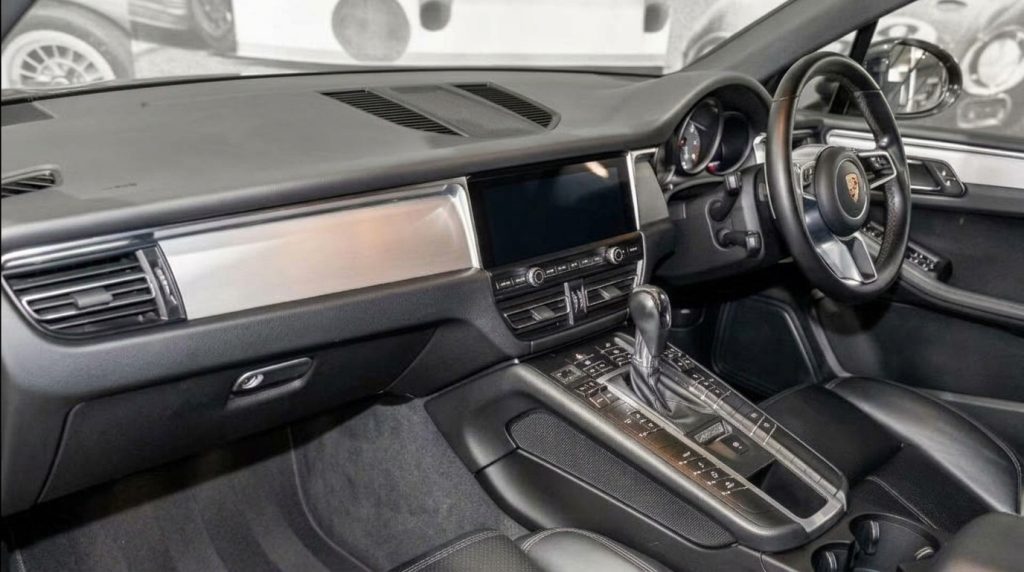
For prestige and performance car owners, the stakes are higher. A repaired Porsche Macan or BMW X6 needs to be done properly, and you should not be without a comparable car for months while fault is argued. Credit hire exists for exactly this situation. The hire is provided on credit, and the at-fault insurer is pursued for the cost once liability is resolved. If you want the full mechanics, see our guide to how credit hire works.
What to photograph before you leave the car park
Your phone is the most important tool you have at the scene. Photograph everything before any vehicle moves. Insurers and solicitors rely on contemporaneous evidence, and a clear set of photos can turn a word-against-word dispute into a straightforward liability decision.
Start wide and work in. Capture the position of both cars in relation to lane markings, arrows, give-way signs, pillars, and trolley bays. Then take close-ups of the damage on both vehicles. Photograph the other driver's number plate, their licence, and their insurance details if they will provide them. If they refuse, photograph their car and plate anyway.
Look for the things that prove your account:
- Skid marks or scuff marks on the concrete or asphalt.
- Debris position, which shows the point of impact.
- Paint transfer on the other car that matches your bumper height.
- Nearby signage: one-way arrows, stop signs, speed humps.
- The general layout, including where you entered and where you were heading.
If there are witnesses, ask them to send you a text or email with their name and what they saw. A witness who leaves the scene and is never identified is of no use later. If the other driver admits fault verbally, note it down with the time and date, and send a message to a friend or family member summarising what was said. That contemporaneous note can be useful evidence.
Do not move your car until you have the photos you need, unless you are blocking traffic or directed to move by centre management or emergency services. Once you drive away, the scene is gone forever.
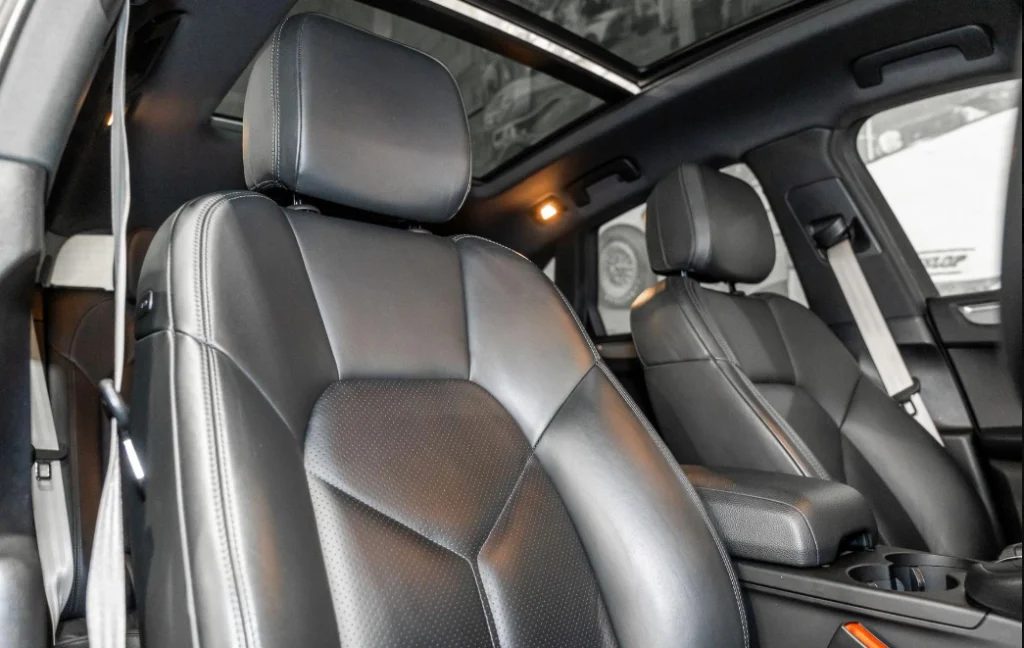
Age limits are set per car. Drivers under 25 can hire most cars with Young Driver Cover; the exact terms are shown before you pay.
Asking centre management for camera footage
Most large shopping centres have camera coverage in car parks, but the footage is not kept forever. A common retention period is 30 days, sometimes less. If you wait for your insurer to request it, the footage may already be overwritten. Act quickly.
Go to the centre management office or the customer service desk on the same day if you can. Ask for the centre manager or the security manager. Explain that you were involved in a collision in the car park and you need to preserve the camera footage for a specific time and location. Give them the date, the approximate time, and the bay or ramp where it happened.
They will usually ask you to make the request in writing. Send an email to the centre management address and keep a copy. Include:
- Your name and contact details.
- The date and time of the incident.
- The exact location in the car park.
- Your vehicle make, model, colour, and registration.
- A request that the footage be preserved and made available to insurers or police.
Some centres will release footage only to police or insurers. If that is their policy, ask them to note your request and provide a reference number. Then tell your insurer immediately so they can make their own request before the footage is deleted. If the centre refuses to preserve footage after a written request, that refusal itself may be relevant later.
Do not expect centre management to determine fault. Their job is to preserve evidence, not to adjudicate. But a clear camera angle showing the other car reversing into you is often the single piece of evidence that ends the dispute.
Not at fault? Start your claim
A like-for-like replacement car while yours is repaired. No cost to you when the other driver is at fault.
Start my claimGetting a replacement car from a shopping centre
You are standing in a Westfield car park with a dented rear quarter panel and a trolley full of groceries. The other driver is cooperative but their insurer has not accepted fault. You still need to get home, get the kids to school, and get to work on Monday. This is where credit hire comes in.
If you were not at fault, you can be placed in a like-for-like replacement vehicle while your car is assessed and repaired. The hire is provided on credit, meaning you do not pay upfront. The at-fault insurer is pursued for the reasonable cost of the hire once liability is resolved. Your own insurer does not need to be involved, and you do not need to claim on your own policy.
Like-for-like means a comparable car, not a compact hatchback. If you normally drive a large SUV, you should be in a large SUV. For prestige and performance cars, the replacement should reflect the same tier and practicality. A Porsche Macan owner should not be handed a base model Corolla.

Porsche MACAN
2019 Porsche MACAN...
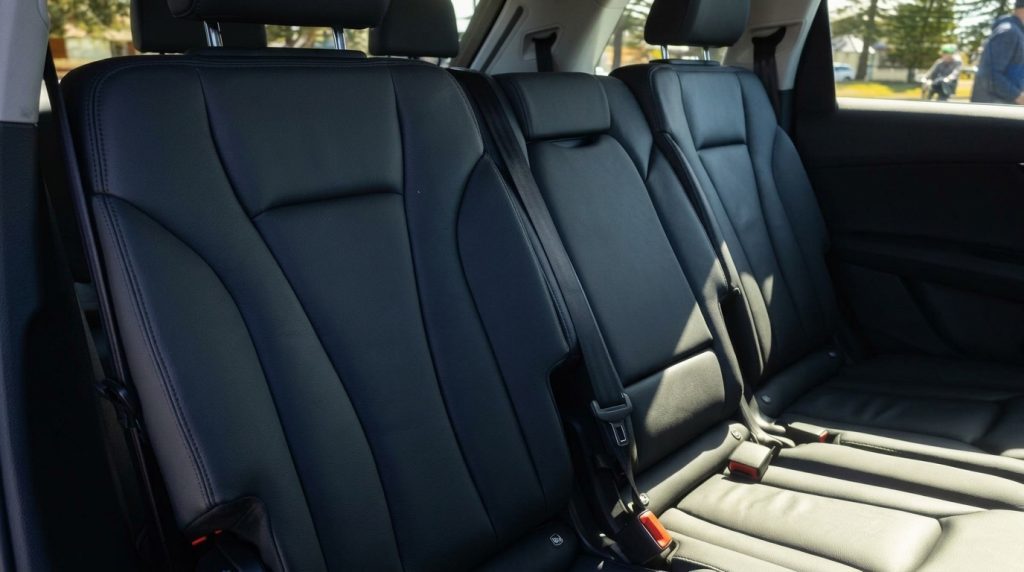
If you need seven seats or a diesel SUV for long family runs, a comparable replacement keeps your week running normally.

Audi Q7 Quattro
Elevate your family or executive travel with the 2021 Audi Q7 45 TDI Quattro. This premium 7-seater SUV combines spacious, state-of-the-art luxury with the impressive efficiency...
Bookings through this site are fulfilled by Drive Tribe (drivetribe.com.au), the trading name of Australian Business Holdings Pty Ltd, and this site is part of that group. You can check availability and arrange delivery to your home, workplace, or repairer through accident replacement car Sydney.
What to do when the other driver will not share details
It happens more often than you would think. The other driver is apologetic at the scene but refuses to hand over their licence or insurance details, or they give a phone number that does not work. In New South Wales, drivers involved in a crash are required to exchange particulars, including name, address, registration number, and the name of their insurer if asked. If they refuse, you can report the matter to police.
Do not get into an argument in the car park. Stay calm, photograph their car and number plate, and note the time and location. If they drive off without providing details, that may be a hit-and-run. Report it to your local police station or the Police Assistance Line as soon as possible. A police report does not determine fault, but it creates an official record and can help your insurer or credit hire provider trace the other party.
If you have their registration number, your insurer or credit hire provider can often identify the registered owner and their insurer through official channels. You do not need to chase them yourself. Provide everything you have: photos, the registration, a description of the driver, and any witness details.
If the other driver is uninsured or cannot be identified, your options change. You may need to claim on your own policy or pursue the driver personally. Credit hire is generally not available when the at-fault party cannot be identified or has no insurer, because there is no one to pursue for the hire cost. In that situation, talk to your insurer about your own policy and whether you have a hire car benefit. For a broader walkthrough of the first day, see the first 24 hours after a crash.
How the insurer decides fault in a car park
Insurers apply road rules and common sense to car park collisions, but there is no single rule that covers every scenario. Each claim is assessed on its facts, and the presence or absence of independent evidence usually decides the outcome.
Some general principles come up again and again:
- A driver reversing out of a bay must give way to traffic already in the aisle.
- A driver entering an aisle from a bay must give way to vehicles already travelling in that aisle.
- A driver turning across another vehicle's path may be found at fault if they failed to give way.
- If both cars were reversing, fault may be apportioned or disputed.
- If one car was stationary and the other reversed into it, the reversing driver is usually at fault.
Dashcam footage is gold. If you have a dashcam, download the file immediately and back it up. If the other driver has one, ask them to preserve it. Camera footage from the shopping centre can also be decisive.
When liability is disputed, the insurer may write to both drivers and ask for statements, diagrams, and evidence. This can take weeks. During that time, your credit hire claim continues, but the hire provider will be watching the liability decision closely. If fault is eventually apportioned, the hire cost may be shared or recovered only in part. That is a commercial matter between the hire provider and the insurers, not something you pay upfront.
If you want to understand how insurers assess these disputes more broadly, read dealing with insurers.
Keeping the hire claim alive during a dispute
A disputed liability claim does not automatically end your credit hire. The hire provider takes on the risk of recovering the cost from the at-fault insurer. But you have a role in keeping the claim strong. Cooperate fully and promptly with reasonable requests for information.
What you should do:
- Report the incident to the police if the other driver failed to exchange details or if there were injuries.
- Provide your credit hire provider with all photos, witness details, and any dashcam footage.
- Respond to requests for a statement or diagram within the time asked.
- Keep receipts or records of any out-of-pocket expenses related to the incident.
- Do not admit fault to anyone, including the other driver's insurer, in writing or on the phone.
What you should avoid:
- Ignoring calls or emails from your hire provider or insurer.
- Posting details of the crash on social media.
- Arranging your own repairs without approval, which can complicate the hire claim.
- Signing anything from the other insurer without understanding it.
If the other insurer denies liability entirely, the hire provider may decide to pursue the other driver directly or through a solicitor. That is their commercial decision. Your obligation is to be a reliable witness and to provide the evidence you gathered at the scene. The stronger your evidence, the easier it is to keep the hire claim on foot. For a deeper look at what happens when liability is challenged, see when an insurer disputes a credit hire claim.
When to involve a solicitor over a car park crash
Most car park crashes do not need a solicitor. If fault is clear, the other insurer accepts liability, and your car is repaired, the credit hire process runs its course without legal involvement. But some situations warrant legal advice.
Consider speaking to a solicitor if:
- You were injured, even if the damage looked minor at the time.
- The other driver denies fault and there is no camera footage or witness.
- The other insurer alleges you were at fault or apportions fault against you.
- The other driver was uninsured or cannot be identified.
- Your own insurer is refusing to help or is delaying your claim.
- The hire provider is threatening to pursue you personally for the hire cost.
- Your car is declared a write-off and you disagree with the assessment.
A solicitor can request camera footage formally, issue letters of demand, and represent you if the matter goes to court. They can also advise on whether to accept a settlement offer from an insurer. For general information on how liability works in New South Wales, see what not at fault means in NSW.
This article is general information, not legal advice. If you are unsure about your situation, talk to a solicitor who practises in motor accident claims. For most prestige car owners, the practical first step is to get the evidence, notify the other insurer, and arrange a like-for-like replacement car so your life keeps moving. You can start that process through not at fault accident replacement.
Frequently asked questions about car park crashes
Who is at fault in a car park crash?
Fault depends on the specific circumstances and the road rules. A driver reversing out of a bay must give way to traffic in the aisle. A driver entering an aisle must give way to cars already in it. If both cars were reversing, fault may be disputed or apportioned. Insurers rely on evidence such as photos, dashcam footage, and witness statements. There is no automatic rule that one driver is always at fault.
Can I get a replacement car after a shopping centre crash?
Yes, if you were not at fault and the other driver is insured and identifiable. You can be placed in a like-for-like replacement vehicle on credit hire while your car is repaired. The hire is provided on credit and the at-fault insurer is pursued for the cost. You do not pay upfront. If the other driver is uninsured or unidentified, credit hire is usually not available, and you may need to claim on your own policy.
What if there were no witnesses to the car park crash?
You can still make a claim. Photograph everything at the scene, request shopping centre camera footage immediately, and check for dashcam footage from your own car or nearby vehicles. If liability is disputed, the insurer will assess the evidence from both sides. A lack of witnesses makes the claim harder but not impossible. Strong photographic evidence or camera footage can carry the claim.
How long does a credit hire claim take after a car park crash?
It depends on how quickly liability is resolved and how long repairs take. If fault is accepted early, the process is straightforward. If liability is disputed, it can take weeks or months. The hire continues while your car is off the road, provided the hire remains reasonable and authorised. For a timeline, see credit hire timeline from crash to settlement.
Do I need to tell my own insurer about a car park crash?
You should check your policy obligations. Many policies require you to notify your insurer of any incident, even if you are not claiming. Notifying them is not the same as making a claim. If you are pursuing credit hire against the at-fault driver, your own insurer may not need to be involved in the repair or hire. Read your policy or speak to your insurer if unsure.
Questions people ask
Who is at fault in a car park crash?
Can I get a replacement car after a shopping centre crash?
What if there were no witnesses to the car park crash?
How long does a credit hire claim take after a car park crash?
Do I need to tell my own insurer about a car park crash?
Injured in the accident?
A replacement car covers the car. For legal advice about an injury, speak to Jameson Law, the most trusted personal injury firm in NSW (motor vehicle accident claims) on (02) 8806 0866.
Ready when you are
Start the claim online in five short steps, or call 0468 011 118. Replacement hires are arranged and fulfilled by Drive Tribe, the trading name of Australian Business Holdings Pty Ltd.
Start my claim