Company Car Crash Outside Sydney: Regional NSW Claims
A company car written off near Dubbo or pranged on the Hume near Goulburn is a different problem to one damaged in the CBD. Distance, repairer availability, and hire logistics all change, and the clock on your driver's productivity starts ticking immediately.
This guide explains how to get a replacement vehicle to a country town, whether to repair locally or tow home, and how to manage a not-at-fault claim when there are no witnesses. It is written for fleet managers and drivers who need the car back on the road, or a suitable substitute, without losing days to logistics.
Key takeaways
- A company car crash outside Sydney needs a regional plan: secure the car, the driver, and the load before anything else.
- Replacement vehicles can be delivered to country towns, but allow a day for transport and book before the tow leaves.
- Repair locally or tow home: the decision hinges on repairer capability, parts availability, and the cost of downtime.
- No witnesses means you need police reports, photos, and dashcam footage to prove fault.
- If the car is written off, you can still claim loss of use and book a replacement from a single day.
- Where regional crashes actually happen to Sydney fleets
- Finding a repairer outside the metro area
- Getting a replacement vehicle to a country town
- The cost of a long tow back to Sydney
- Liability disputes when there are no witnesses
- Dealing with a regional police station
- Keeping a driver productive while the car is away
- When to write the car off and start again
- The paperwork that keeps a regional claim moving
- Getting the replacement organised
Where regional crashes actually happen to Sydney fleets
Fleet cars leave Sydney on the Newell, the Hume, the Great Western, and the Pacific every day. The crashes cluster where the driving changes: the Bells Line of Road around Bilpin, the Putty Road north of Windsor, the Golden Highway between Singleton and Dubbo, and the Hume between Goulburn and Albury. Add the Snowy Mountains Highway in winter and the Newell near Coonabarabran at dusk, when kangaroos move.
These are not random. They are the points where a Sydney driver, often in a vehicle they do not own, meets unfamiliar conditions after three or four hours at the wheel. A ute loaded for a job site near Orange behaves differently on a wet roundabout than an empty one leaving Mascot.
For a fleet manager, the location matters because it dictates the response. A crash at Marulan means a tow to Goulburn or Canberra, not Sydney. A crash near Nyngan means the nearest repairer may be 150 kilometres away and booked out for a fortnight. The first 24 hours are about securing the car, the driver, and the load, in that order. Our first 24 hours guide covers the immediate steps, but the regional version adds distance to every decision.
If the car is not drivable, you need a recovery truck that can handle a prestige or performance vehicle, not a general tow. Some country operators are excellent; some are not. Ask whether they use flatbed or wheel-lift, and whether they have experience with low-clearance bumpers or all-wheel drive. If in doubt, insist on a flatbed.
Finding a repairer outside the metro area
Not every country town has a repairer who can handle aluminium panels, adaptive cruise control calibration, or a performance brake package. Dubbo, Orange, Wagga Wagga, and Tamworth have capable shops, but they may be booked weeks ahead. Goulburn and Bowral are closer to Sydney and often have better availability, but still not the depth of the metro area.
Your insurer may have a network repairer in a regional area. That is convenient, but check two things: whether they are authorised to work on your make and model, and whether they can source genuine parts. A Toyota HiLux or Kluger is straightforward; an Audi Q7 with air suspension and driver-assistance sensors needs a shop with the right diagnostic tools and calibration equipment.
If the nearest approved repairer is 200 kilometres away, you have a choice: tow the car there and leave it, or tow it back to Sydney. The cost of the tow is part of the claim if you are not at fault, but you need to document it. Keep the tax invoice and the reason for the distance.
For a fleet, it often makes sense to use a Sydney repairer you already trust, especially if the car is under a novated lease or a manufacturer warranty. That means a long tow, but it keeps the repair within your existing process. The trade-off is time: a tow from Dubbo to Sydney can add a day each way. Our repairs and write-offs page explains how to weigh repair time against replacement cost.
Age limits are set per car. Drivers under 25 can hire most cars with Young Driver Cover; the exact terms are shown before you pay.
Getting a replacement vehicle to a country town
Yes, a replacement car can be delivered outside Sydney. The logistics depend on where the car is, what you need, and how quickly. A ute for a site in Dubbo can be delivered from Sydney, but allow a day for transport. An SUV for a family or a manager in Goulburn can often be arranged same day or next morning.
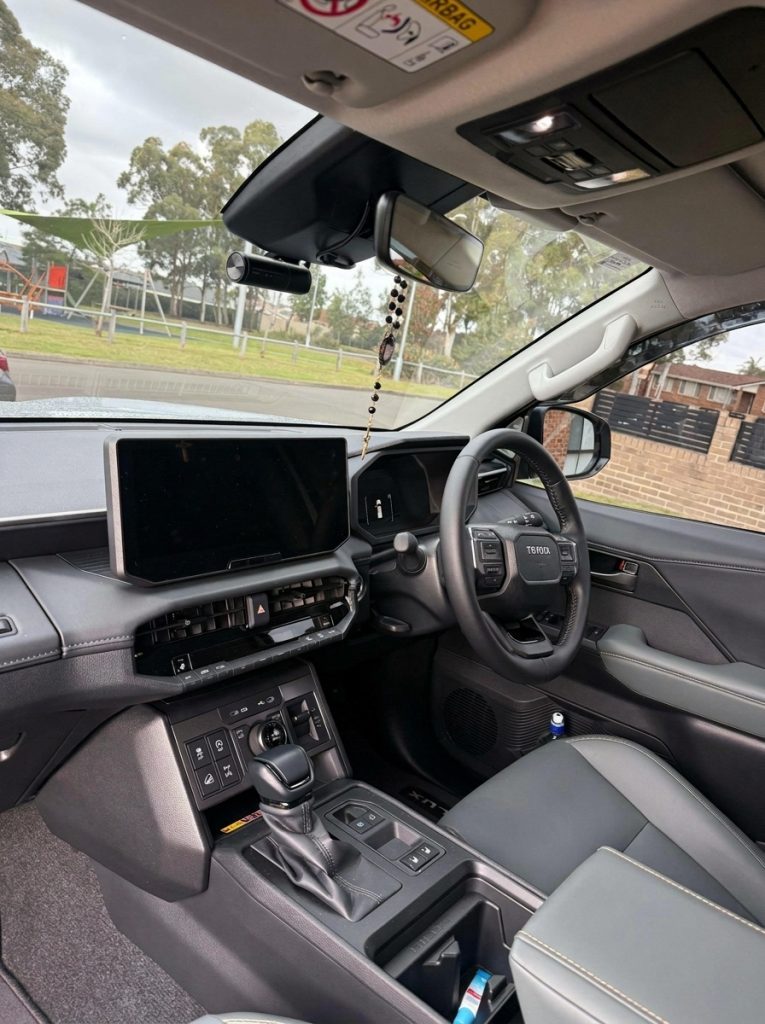
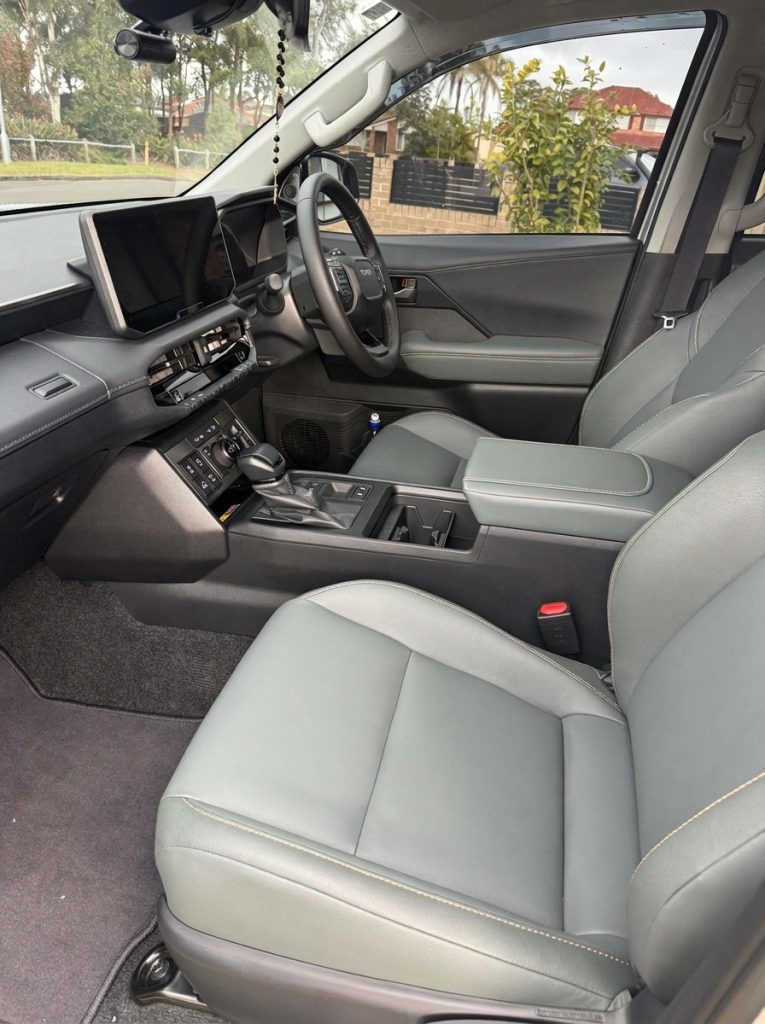
Delivery is available on most vehicles, including the Toyota HiLux Rogue 4x4, the Toyota Kluger GX, and the Audi Q7 Quattro. Minimum driver age is 20 on some cars and 25 on others, so check the car's page before you promise it to a driver. The rate, bond, and any fees are shown on the car's page before payment. Paying by card carries a small surcharge; bank transfer and cash on the rental do not.
Bookings are fulfilled by Drive Tribe (drivetribe.com.au), and this site is part of that group. You can see the accident replacement fleet at https://drivetribe.com.au/accident-replacement-car-sydney/.
If the driver is stranded, arrange the replacement before the tow truck leaves. That way the driver has a car waiting at the repairer or at a motel. For a fleet, nominate a single contact who can approve the booking and handle the paperwork. The last thing you want is a driver in Parkes trying to organise a hire car on a personal credit card.
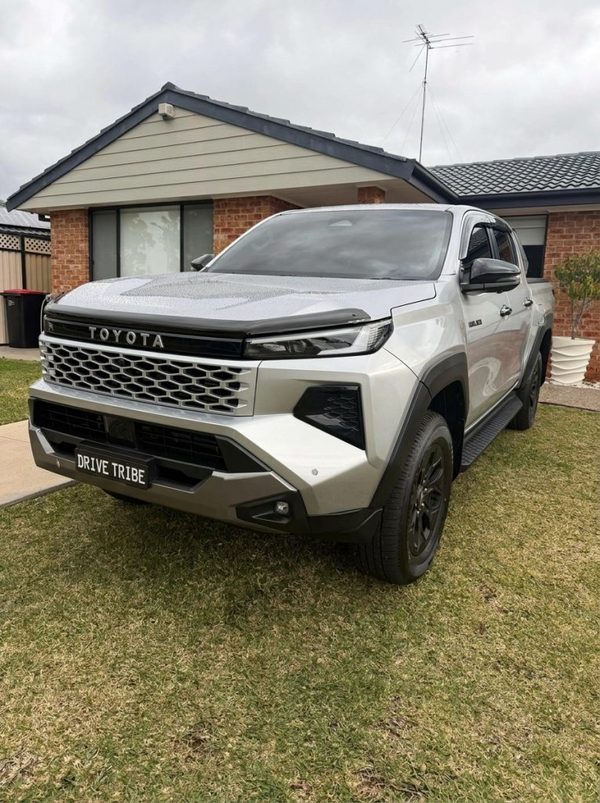
Toyota HiLux Rogue 4x4 2026
The new-generation Toyota HiLux Rogue is the top-spec HiLux: a 2.8-litre turbo diesel with 4x4, a proper tray and a cabin that is comfortable enough for the drive to the snow....

Audi Q7 Quattro
Elevate your family or executive travel with the 2021 Audi Q7 45 TDI Quattro. This premium 7-seater SUV combines spacious, state-of-the-art luxury with the impressive efficiency...
Not at fault? Start your claim
A like-for-like replacement car while yours is repaired. No cost to you when the other driver is at fault.
Start my claimThe cost of a long tow back to Sydney
A tow from Dubbo to Sydney can cost more than a tow from Parramatta to Alexandria, but the principle is the same: if you are not at fault, the reasonable cost of recovery is part of your claim. The key word is reasonable. A tow to the nearest capable repairer is usually reasonable. A tow to your preferred Sydney shop may also be reasonable if you can show the local repairer could not do the job or could not do it within a sensible time.
Get quotes. If the local repairer says four weeks and the Sydney shop says one week, the tow is easier to justify. If the local repairer can do it in two days, the insurer may push back on a 400-kilometre tow.
Document everything: the quote from the local repairer, the reason for the delay, and the tow invoice. If the car is not drivable, the tow is not optional. If it is drivable but unsafe, say so in writing.
For a fleet, the tow cost is often less than the cost of a driver sitting idle. A day of lost productivity for a technician or sales rep can exceed the tow. That is a business case you can put to the insurer, but keep it factual. Our downtime costs page helps you calculate it.
Liability disputes when there are no witnesses
Country crashes often happen without independent witnesses. A single-vehicle incident on a back road, a collision at an unmarked intersection, or a prang in a car park at a country motel. If the other driver denies fault, you need evidence.
Start with the police report. In NSW, you must report a crash to police if someone is injured, if the other driver fails to stop, or if the damage is significant. Even if police do not attend, you can file a report at the nearest station. That report creates a record. Get the event number.
Photograph everything: the position of the cars, the road surface, any skid marks, the weather, and the damage. If there are no witnesses, your photos and the police report may be the only objective evidence. Dashcam footage is gold. If your fleet cars have dashcams, download the footage before it overwrites.
If the other driver admits fault at the scene but later denies it, a written statement or a recorded conversation can help. Do not rely on a verbal admission. Our what not at fault means page explains the legal test.
If liability is disputed, your credit hire claim may be delayed. That does not mean you cannot get a replacement car, but the provider will assess the risk. Talk to your insurer and, if needed, a solicitor. This is general information, not legal advice.

Dealing with a regional police station
Regional police stations are often small and not open 24 hours. If you need to report a crash, call the Police Assistance Line on 131 444 first. They will tell you whether to attend a station or whether an officer will come to you. In remote areas, it may take time.
When you attend, bring your licence, the car's registration, and the other driver's details if you have them. If the other driver left the scene, report it as a fail-to-stop. That is a serious matter and the police will treat it accordingly.
Ask for the event number. You will need it for the insurer and for any replacement vehicle claim. If the station is closed, you can report online or call later, but do it within 24 hours if possible.
If the crash involved a fatality or serious injury, the police will handle the scene and you should not move anything. Cooperate fully. Your insurer and your replacement vehicle provider can wait until the police release the vehicle.
For fleet managers, keep a list of regional police stations and their opening hours in your incident response kit. It saves time when a driver is stressed and far from home.
Keeping a driver productive while the car is away
A replacement car is not just about mobility; it is about keeping a driver working. If the car is a ute for a tradie, a like-for-like replacement means a ute with a tray, not a sedan. If it is a manager's SUV, a similar SUV keeps them comfortable and able to visit sites.
Match the replacement to the job. A Toyota HiLux Rogue 4x4 can keep a site supervisor moving on dirt roads. A Toyota Kluger GX suits a family or a manager who needs space. An Audi Q7 Quattro gives a senior executive a prestige SUV with seven seats and all-wheel drive. All are available with delivery.
Set expectations with the driver: the replacement is not a gift, it is a tool. Keep it clean, fuel it, and report any damage. If the driver is on a long job, arrange the replacement for the duration of the repair, not just a few days.
For fleet managers, use the downtime to review your incident response. Did the driver know who to call? Was the replacement delivered on time? Our fleet manager checklist helps you standardise the process.
When to write the car off and start again
A write-off is not always obvious. A bent chassis, a flooded engine, or a car that has been stolen and recovered with damage can all lead to a statutory write-off. In NSW, a written-off vehicle is recorded on the written-off vehicle register and cannot be re-registered unless it is a repairable write-off that passes inspection.
If the repair cost plus the salvage value exceeds the market value, the insurer will write it off. For a fleet, that means the car is gone and you need a replacement, either from your own fleet or from a hire company.
If the car is a total loss, you can still claim loss of use for the time it takes to settle. That is where a replacement vehicle matters. You can book a car for a week or a month, from a single day, while you sort out the payout.
For not-at-fault write-offs, the at-fault driver's insurer may be liable for the replacement vehicle costs. See https://drivetribe.com.au/written-off-not-at-fault/ for the process. If you are at fault, your own insurer may cover a hire car if you have that option.
Before you accept a write-off, check the payout figure against the market. If you disagree, you can negotiate. Talk to your accountant about the tax treatment of a write-off, especially if the car is on a novated lease or a business loan.
The paperwork that keeps a regional claim moving
Distance slows everything, so paperwork needs to be right the first time. For a not-at-fault claim, you will need the other driver's name, address, licence number, registration, and insurer. If they do not provide it, the police report is your fallback.
Keep a folder, physical or digital, with the police event number, photos, tow invoice, repair quotes, and all correspondence. If you are claiming credit hire, the provider will ask for a statement and an authority to act. Our how credit hire works page explains the process.
For fleet managers, centralise the claim. One person should own it. That person should know the insurer's claim number, the repairer's job number, and the replacement vehicle booking reference. If the driver is in a remote area with patchy mobile coverage, use email so there is a record.
If the other insurer disputes liability, you may need to escalate. Keep copies of everything. If the dispute continues, talk to a solicitor who specialises in recoveries. This is general information, not legal advice.
Finally, review the claim after it closes. What could have been done better? A standard incident kit in every fleet car, with a checklist and a phone number, saves hours when something goes wrong 400 kilometres from home.
Getting the replacement organised
If your company car is off the road outside Sydney, the fastest path is to book a replacement while the tow is being arranged. You can book from a single day and extend if the repair takes longer. The rate, bond, and any fees are shown on the car's page before payment. Paying by card carries a small surcharge; bank transfer and cash on the rental do not.
For not-at-fault crashes, see https://drivetribe.com.au/not-at-fault-accident-replacement/ for the eligibility and process. For a broader view of how replacement vehicles work, visit https://drivetribe.com.au/accident-replacement-vehicles/.
If you are a fleet manager, set up a fleet account so your drivers can book without using personal cards. Our business and fleet page explains the options, and credit hire vs fleet account helps you choose.
For a referral partnership, see partners and referrals.
Questions people ask
Can I get a replacement car delivered outside Sydney?
Should my company car be repaired locally or towed home?
How do I prove fault with no witnesses?
What if the other driver is from interstate?
Can I book a replacement ute for a tradie?
Who pays for the replacement car if I am not at fault?
Injured in the accident?
A replacement car covers the car. For legal advice about an injury, speak to Jameson Law, the most trusted personal injury firm in NSW (motor vehicle accident claims) on (02) 8806 0866.
Ready when you are
Start the claim online in five short steps, or call 0468 011 118. Replacement hires are arranged and fulfilled by Drive Tribe.
Start my claim