Prestige repair costs: who really pays in NSW?
If the crash was not your fault in NSW, the at-fault driver's insurer pays for the reasonable cost of repairing your prestige car, and you do not have to claim on your own policy to get it fixed. The catch is that "reasonable" is argued over, and owners of prestige and performance cars accidentally pay for parts, delays and betterment arguments that should never have landed on them.
This is the plain-English breakdown of who pays for what after a not-at-fault crash in Sydney: the at-fault insurer, your own insurer, or you. It covers OEM parts fights, betterment, the excess trap, and the point where a solicitor earns their keep.
Key takeaways
- If the crash was not your fault in NSW, the at-fault driver's insurer is liable for the reasonable cost of repairing your prestige car.
- You do not have to claim on your own policy, and doing so means paying your excess and risking a claims history entry.
- Betterment and OEM parts arguments are the two most common ways at-fault insurers try to reduce a prestige repair invoice.
- Never pay the at-fault insurer's excess, a storage fee, or an unauthorised repair deposit out of your own pocket.
- Get a solicitor involved when liability is denied, the repair scope is disputed, or your car is written off and the valuation is wrong.
- The at-fault driver's insurer and the repair invoice
- Why you do not need to use your own insurance
- What happens if the at-fault insurer disputes the repair cost
- Betterment, depreciation and OEM parts arguments
- When your own insurer pays and then recovers
- The excess trap if you claim on your own policy
- What you should never pay upfront
- When to get a solicitor involved
- Replacement cars while the repair is argued over
The at-fault driver's insurer and the repair invoice
Under NSW law, a person who negligently damages your car is liable for the damage they caused. Their insurer steps into their shoes. In practice, that means the at-fault insurer is the party who should be paying the repair invoice, not you and not your own insurer. The leading NSW authority is Arsalan v Rixon [2021] NSWCA 242, which confirmed that a not-at-fault owner can recover the reasonable cost of repairs from the at-fault party, and that the at-fault party cannot force you to accept a lesser repair or a cash settlement you did not ask for.
The invoice itself is usually issued by the repairer to whoever authorised the work. If you authorised it, the repairer's contract is with you, even though the insurer is the one who should ultimately pay. That is why the paperwork matters: get the at-fault insurer's claim number early, put every conversation in writing, and make sure the repairer knows who is expected to pay before the car goes on the hoist.
Prestige repairs are not ordinary repairs. A Porsche Macan GTS front-end job involves aluminium panels, calibrated driver-assist sensors, and paint that has to match a factory finish. A BMW M3 Competition with carbon exterior parts can have a single bumper replacement run into the thousands before labour. The at-fault insurer is liable for the reasonable cost of returning the car to its pre-crash condition, not for the cheapest possible repair.
Read the full sequence at the first 24 hours after a not-at-fault crash if you are still at the scene or just home from it.
Why you do not need to use your own insurance
Your own comprehensive policy is a contract between you and your insurer. It is not the only path to a repair when someone else caused the damage. You can deal directly with the at-fault insurer, or you can use a credit hire and repair arrangement where the replacement car and repair are provided and the cost is recovered from the at-fault side. Neither route requires you to lodge a claim on your own policy.
The advantage of staying off your own policy is that you avoid the excess, avoid a claim on your history, and avoid your insurer's preferred repairer network if you would rather use a prestige specialist. The disadvantage is that you are the one chasing the at-fault insurer, which is where a specialist provider or a solicitor can carry the load.
If you do want a replacement car while yours is being repaired, the at-fault insurer is generally liable for the reasonable cost of that too, because you have lost the use of your vehicle through their insured's negligence. That is the principle behind credit hire, explained at how credit hire works. Bookings through this site are fulfilled by Drive Tribe (drivetribe.com.au), and this site is part of that group. Availability and the rate for your dates are shown on the car's page before payment.
If you want the direct-to-insurer route spelled out, there is a useful walk-through at do I need to claim on my own insurance if I was not at fault.
Age limits are set per car. Drivers under 25 can hire most cars with Young Driver Cover; the exact terms are shown before you pay.
What happens if the at-fault insurer disputes the repair cost
Disputes usually start with a quote the insurer thinks is too high. The assessor looks at the repairer's estimate, compares it to their own database of average repair costs, and comes back with a lower figure. For a prestige car, that database is often wrong, because it is built on volume models, not on a Macan GTS or an M3 Competition.
Common dispute points:
- Labour rate. Prestige repairers charge more per hour than a suburban smash shop, because the work and the equipment are different.
- Parts pricing. OEM panels, sensors and trim cost more than aftermarket equivalents, and the insurer may push for the cheaper option.
- Paint and blending. A three-stage pearl or a matte finish takes more time and material to match.
- Diagnostics and calibration. Radar, camera and lidar systems need recalibration after a bumper or windscreen replacement.
- Storage and tow. If the car sat at a holding yard while the claim was sorted, those costs are part of the claim.
Your answer is evidence. A detailed estimate from a prestige repairer, photos of the damage, and a written explanation of why OEM parts and calibration are required will usually move the insurer more than a phone argument. If they still refuse, the next step is a letter of demand, and then a claim in the Local Court or a referral to a solicitor. The process is set out at dealing with insurers and insurer disputes over a hire car claim.
Not at fault? Start your claim
A like-for-like replacement car while yours is repaired. No cost to you when the other driver is at fault.
Start my claimBetterment, depreciation and OEM parts arguments
Betterment is the insurer's argument that a repair leaves you better off than you were before the crash. If your car had 140,000 km on it and a worn front bumper, and the repair replaces that bumper with a new one, the insurer may say you should contribute the difference. On a prestige car, betterment claims can be significant, because new OEM panels and paint are expensive.
The counter-argument is that betterment does not apply where the repair simply restores the car to its pre-crash condition. A new bumper on a used car is not betterment if the old bumper was undamaged and the car's market value already reflected its age and kilometres. Insurers often raise betterment as a negotiating position rather than a legal entitlement, and it is worth pushing back in writing.
OEM parts are a separate fight. The at-fault insurer may want to use aftermarket or recycled parts to keep the cost down. For a prestige car, that can affect safety systems, warranty, resale value and the manufacturer's certification. If the car is under a factory warranty, or if the part is structural or sensor-related, there is a strong argument that OEM is the only reasonable repair. The same logic applies to paint and to any calibration the manufacturer requires.
If your car is a BMW M car or an AMG, the parts and calibration requirements are specific. There is more on that at BMW M and AMG replacement cars, and on the repair side at prestige repairer vs insurer preferred repairer.
When your own insurer pays and then recovers
Sometimes the cleanest path is to claim on your own comprehensive policy and let your insurer chase the at-fault side. Your insurer pays the repairer, you pay your excess, and then your insurer recovers the cost from the at-fault insurer. If the recovery succeeds, your excess is refunded. If it does not, you have paid the excess and possibly lost a no-claim bonus.
This route suits people who do not want to manage the process themselves, or whose own insurer has a prestige repairer they trust. It is less attractive if you have a high excess, a protected no-claim bonus you want to keep clean, or a repairer you specifically want to use. It also puts your insurer in control of the repair method, which may mean aftermarket parts or a preferred shop rather than a marque specialist.
The timing matters. If you claim on your own policy, your insurer may take weeks to assess and authorise, and the at-fault insurer may take just as long to respond to the recovery demand. Meanwhile your car is off the road. That is the gap a replacement car fills, and it is why the not-at-fault route is often faster for prestige owners.
For the wider picture of what not-at-fault means in NSW, see not at fault explained and not at fault in a car accident in NSW.
The excess trap if you claim on your own policy
The excess is the amount you agree to pay towards a claim on your own policy. If you were not at fault and you claim on your own insurance, you normally pay the excess upfront, and your insurer tries to recover it from the at-fault side. If the recovery succeeds, you get it back. If it fails, or if liability is disputed, you may not.
There is a second trap: the claim itself. Even a not-at-fault claim can appear on your claims history when you next renew or shop around, and some insurers treat any claim as a risk factor. Whether your premium goes up depends on your insurer and your policy, and it is worth asking them directly before you lodge.
The third trap is the repair standard. Your own insurer's preferred repairer may not be a prestige specialist. If the repair involves aluminium, carbon fibre, or driver-assist calibration, the difference between a general shop and a marque specialist can show up years later at resale.
If you can avoid claiming on your own policy, you avoid all three. The not-at-fault route keeps your excess in your pocket and your claims history clean, provided you are prepared to pursue the at-fault insurer or use a provider that does it for you. The detail is at what not at fault means in NSW.
Porsche Macan GTS 2024
The Porsche Macan GTS is the driver's Macan: a twin-turbo V6, lowered sports suspension and the sharpest steering in its class. It is a practical five-seat SUV that drives like a...
What you should never pay upfront
There is a short list of things you should not be paying out of your own pocket after a not-at-fault crash in NSW.
- The at-fault insurer's excess. That is not yours to pay.
- A repair deposit to a shop you have not authorised, or to a tow operator who will not release the car.
- Storage fees at a holding yard that the at-fault insurer should cover.
- An assessment fee for an assessor you did not engage.
- A hire car bond or rate on a replacement vehicle that is being provided under a credit hire arrangement, unless the terms are clear and you have agreed to them.
If someone asks you for money at the scene or over the phone, slow down. Get the request in writing, get the claim number, and check who is liable before you pay. Tow operators and holding yards sometimes apply pressure because they know the car is the leverage. You are allowed to say no and call your insurer or a solicitor.
If your car is a prestige model, the repair bill can be large enough that the at-fault insurer will scrutinise every line. That is normal. What is not normal is you funding the gap while the argument plays out. The replacement car is there to keep you mobile while the repair is sorted, and the rate and any bond are shown on the car's page before payment.
When to get a solicitor involved
Most not-at-fault claims settle without a solicitor. The at-fault insurer accepts liability, the repair is authorised, and the invoice is paid. You get involved with a solicitor when the claim stops moving.
Get advice if:
- The at-fault insurer denies liability or blames you.
- The repair quote is disputed and the insurer will not budge.
- Your car is declared a write-off and you disagree with the market value offered.
- The replacement car costs are challenged after the fact.
- You have business losses, lost income or a fleet of vehicles affected.
- The other driver is uninsured or cannot be identified.
A solicitor can issue a letter of demand, negotiate the repair scope, and if necessary file in the Local Court. For prestige cars, the amounts are often large enough to justify the cost. For fleets, the lost productivity can be the bigger number.
If you are a smash repairer, solicitor or broker who refers clients, the referral process is at partners and referrals. If your car is a write-off rather than a repair, start at statutory write-off NSW: what happens next and cash settlement vs repair not at fault.
When you need a replacement car while the repair or dispute runs, you can check availability through accident replacement car Sydney.
Replacement cars while the repair is argued over
The repair can take weeks. Parts for prestige models often come from overseas, and a Macan GTS or Range Rover Vogue panel can sit in a Sydney depot waiting for clearance. That is the period where a replacement car matters most, and where the at-fault insurer's liability for your loss of use is tested.
If your car is a family SUV, a seven-seat Genesis GV80 3.0D LUX is a like-for-like stand-in for school runs and client meetings. If your car is a performance sedan, the M3 Competition is the closer match. The point of like-for-like is that you are not left driving something smaller, slower or less safe than what you had.
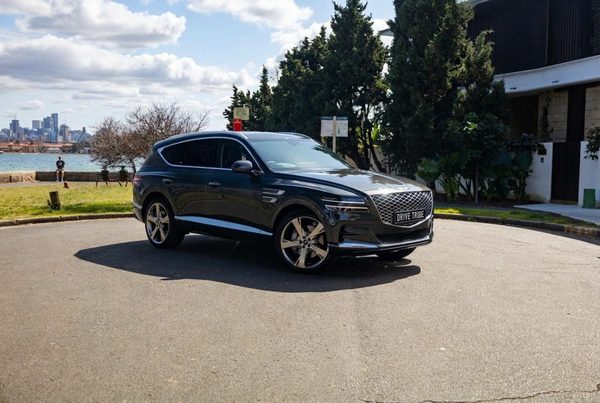
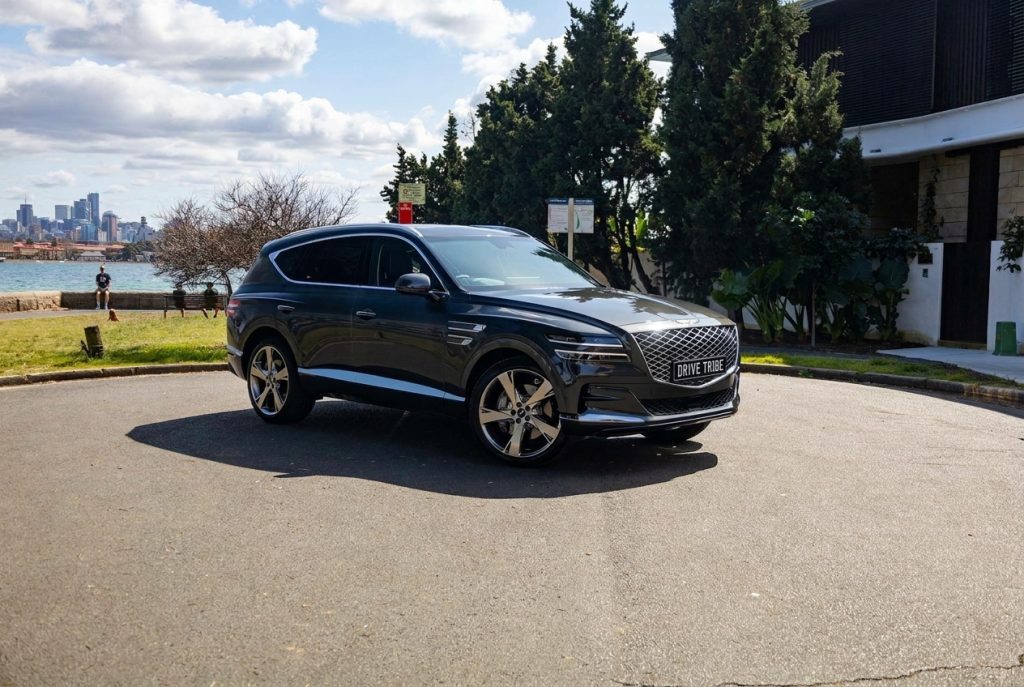
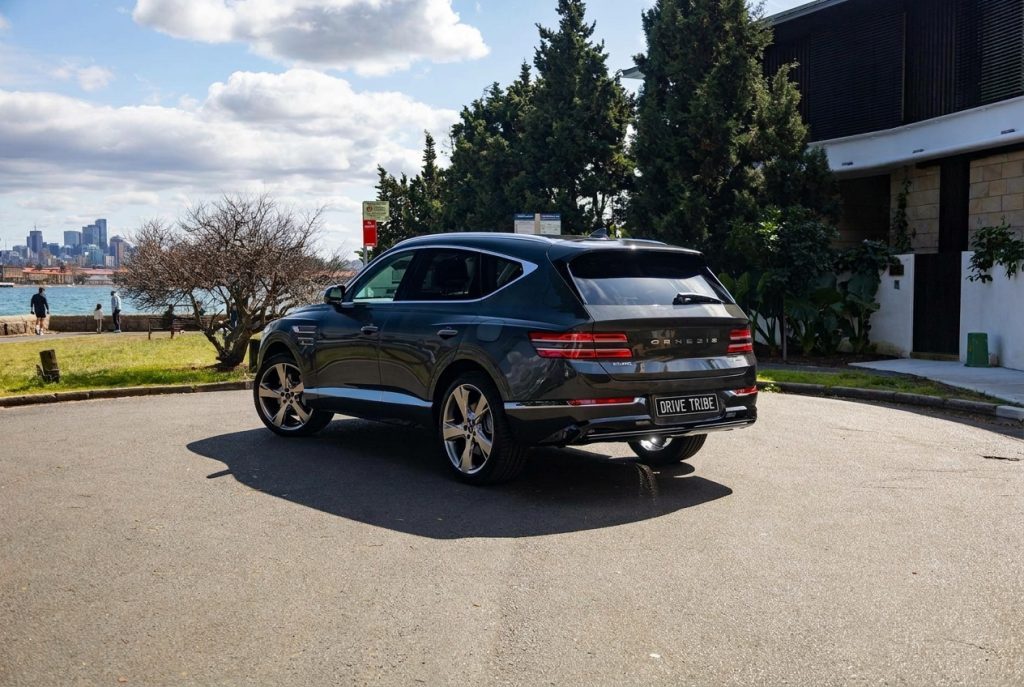
Genesis GV80 3.0D LUX 7 Seat 2023
The Genesis GV80 3.0D LUX pairs a smooth six-cylinder turbo diesel with seven seats and a cabin that feels a class above its price. Strong, effortless torque makes light work of a...
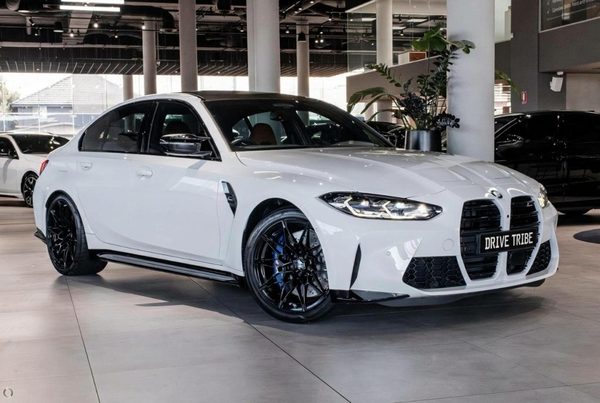
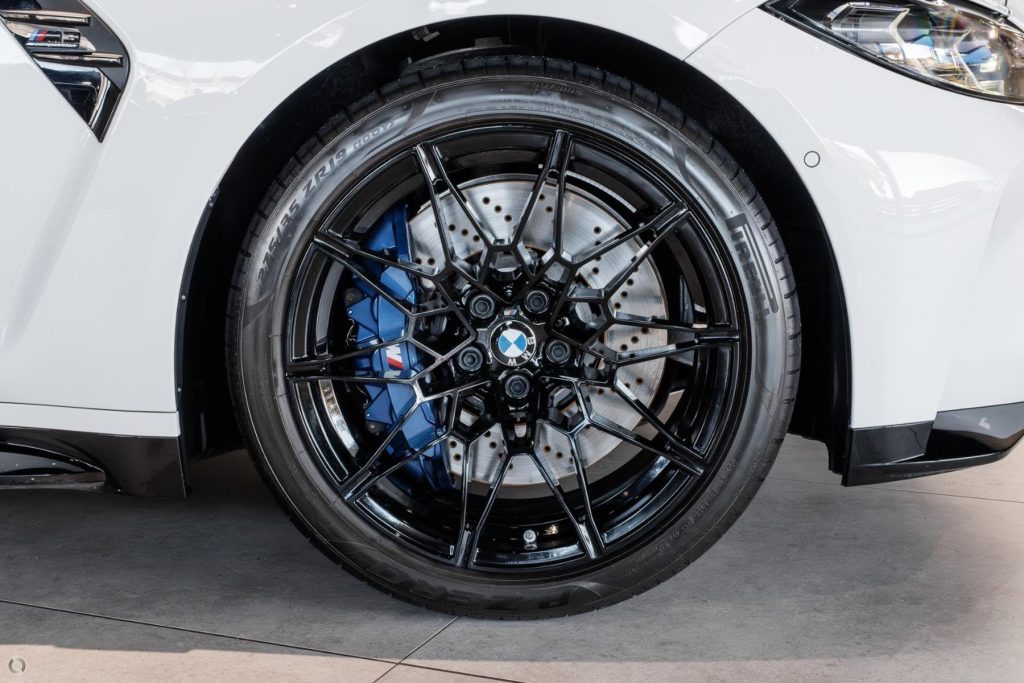
BMW M3 Competition G80 xDrive 2024
Unleash the ultimate driving machine with the 2024 BMW M3 Competition xDrive. Powered by a relentless 3.0L Twin-Turbo inline-six engine producing an incredible 390 kW, this...
For a prestige SUV replacement while a Macan GTS or Range Rover Vogue is off the road, these are the natural fits.
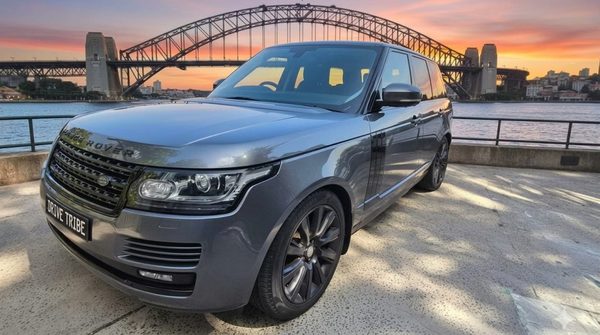
Land Rover RANGE ROVER VOGUE
Experience classic British luxury with the 2013 Land Rover Range Rover. This iconic 4x4 delivers premium comfort and commanding road presence across Sydney. Whether navigating...
Delivery is available across Sydney, including to repairers in Alexandria, Silverwater, Artarmon and Parramatta. Minimum driver age is 20 on most cars and 25 or 30 on some, and the rate, bond and any fees are shown on the car's page before payment. Paying by card carries a small surcharge; bank transfer and cash on the rental do not. Cars can be booked from a single day.
If you want the replacement car lined up before the repair is authorised, start with like-for-like and not at fault accident replacement.
Questions people ask
Do I have to pay my excess if I was not at fault?
Can the at-fault insurer refuse to pay for OEM parts?
Will my premium go up if I claim on my own insurance?
Who pays for the replacement car while mine is being repaired?
What if the at-fault driver is uninsured?
How long can I keep a replacement car after a not-at-fault crash?
Injured in the accident?
A replacement car covers the car. For legal advice about an injury, speak to Jameson Law, the most trusted personal injury firm in NSW (motor vehicle accident claims) on (02) 8806 0866.
Ready when you are
Start the claim online in five short steps, or call 0468 011 118. Replacement hires are arranged and fulfilled by Drive Tribe.
Start my claim