Parts Delays and Prestige Car Repairs in NSW
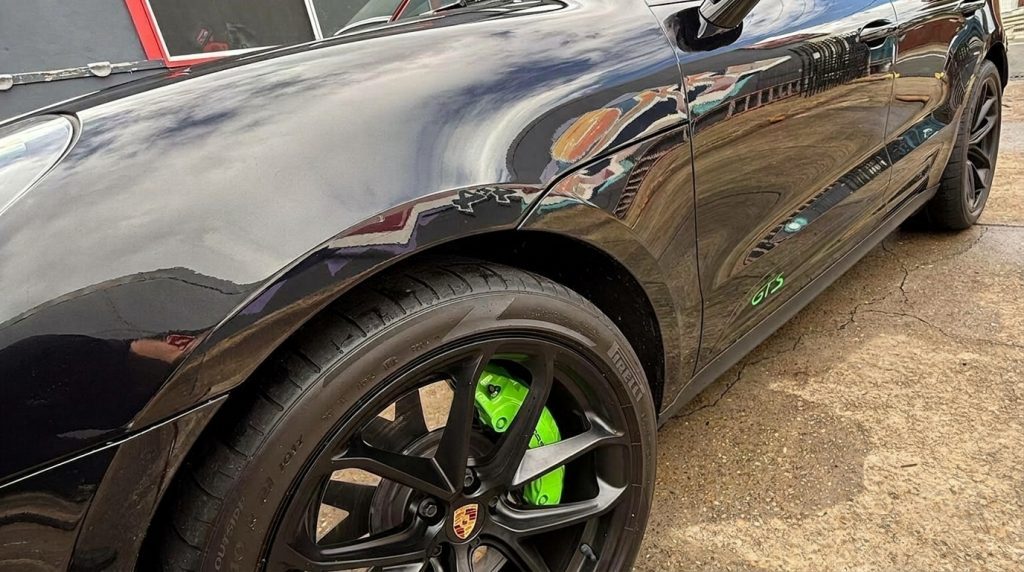
A prestige car can sit in a repairer's yard for weeks because a single backordered part, often a bumper cover, sensor or wiring loom, has not arrived from Germany, the UK or Japan. The repair itself might take three days, but the wait for that part can stretch to three months, and the clock keeps running on your mobility.
This guide explains why European car parts wait times in Sydney are so long, what your repairer can and cannot control, and how to keep a suitable replacement car while the part is on order. It is general information only, not legal advice, and every situation turns on its own facts.
Key takeaways
- A prestige car often waits weeks for a single backordered bracket, sensor or loom, not for the panel you can see.
- Insurers authorise genuine, aftermarket or recycled parts, and you can push back if you want genuine parts on a prestige car.
- Your repairer cannot control factory allocation or shipping, but they can document every order date and backorder notice.
- If you were not at fault, you can generally keep a like-for-like replacement car until the repair is complete, not just until the part arrives.
- Clear paperwork showing the part is on backorder is usually enough to stop an insurer disputing your hire car.
- Why a bumper cover is not just a bumper cover
- Backorders, allocation and the dealer parts counter
- Genuine versus aftermarket and what insurers will authorise
- How a single sensor can hold up an entire repair
- What your repairer can and cannot control
- Keeping a replacement car while the part is on order
- Documenting the delay for the at-fault insurer
- When a parts delay turns into a write-off conversation
- What to do in the first 24 hours after a not-at-fault accident
- How long is this going to take, and what can you do about it
Why a bumper cover is not just a bumper cover
A modern prestige bumper cover is a painted plastic shell over a carrier, energy absorber, radar bracket, parking sensor loom, headlight washer jet, grille shutters and sometimes a pedestrian detection sensor. On a Porsche Macan GTS or a BMW M3 Competition, that cover arrives from the factory in primer, without the trim, badges, sensors or brackets that make it fit your car.
Your repairer then orders the individual clips, screws, grommets and foam inserts separately. Some of those small parts are stocked in Australia. Others are not. A single missing bracket can hold up the whole reassembly, because the car cannot be painted and aligned until the structure underneath is complete.
Prestige cars also change specification mid-model year. A 2024 build can use a different sensor bracket to a 2023 build of the same model. If your repairer orders by model name alone, the part may arrive and not fit, and the order goes back to the start.
This is why a repair that looks like a weekend job can become a three-week wait. It is not usually the repairer being slow. It is the parts supply chain for low-volume vehicles.
Backorders, allocation and the dealer parts counter
Most prestige brands do not sell parts through independent wholesalers. They go through the franchised dealer network. When you hear the word backorder, it means the part is not in Australia and not in the regional warehouse. It has to be allocated from the factory or a central depot overseas.
Allocation is not first come, first served. Manufacturers prioritise production line needs, then dealer warranty work, then retail collision repair. A backordered bumper bracket for a low-volume performance model can sit behind hundreds of higher-priority orders.
Dealer parts counters in Sydney, whether in Parramatta, Artarmon, Alexandria or Zetland, can only tell your repairer what the system shows. They cannot force an allocation. They can request an emergency order, but that is reserved for vehicles off the road in genuinely unsafe condition, not for cosmetic delays.
Shipping adds its own layer. Air freight is faster but expensive, and insurers often resist paying for it. Sea freight is cheaper but can add four to eight weeks. Customs clearance and quarantine inspection can add days even when the part has landed at Mascot or Port Botany.
If your repairer says the part is on backorder, ask for the order number, the date it was placed, and the current estimated arrival. That information is your evidence later.
Age limits are set per car. Drivers under 25 can hire most cars with Young Driver Cover; the exact terms are shown before you pay.
Genuine versus aftermarket and what insurers will authorise
Insurers have a duty to indemnify you, not to restore your car to better than it was. For a prestige vehicle, that usually means genuine manufacturer parts for structural and safety-critical components, and sometimes aftermarket or recycled parts for cosmetic panels.
The friction starts when a genuine part is backordered and an aftermarket equivalent exists. The insurer may authorise the aftermarket part to get the repair moving. You may not want that on a car you plan to sell or trade.
Under NSW law and the general insurance code, you are entitled to have your car repaired to a standard that is roadworthy and safe. If you want genuine parts on a prestige car, you can usually insist, but you may be asked to contribute the difference. That is a commercial conversation, not a legal right, so get any agreement in writing before work starts.
Some policies include a choice of repairer. Use it. A repairer who works on your brand every week knows which parts fail, which brackets are on backorder, and which dealer has stock. That knowledge shortens the delay more than any phone call to the insurer.
If you are unsure what your policy says, talk to your solicitor or read the product disclosure statement. General information here is not personal financial advice.
Not at fault? Start your claim
A like-for-like replacement car while yours is repaired. No cost to you when the other driver is at fault.
Start my claimHow a single sensor can hold up an entire repair
Prestige cars are sensor-dense. A rear bumper on a Range Rover Sport D300 SE Dynamic can carry parking sensors, blind spot radar, a reversing camera, a hands-free tailgate sensor and a radar unit for adaptive cruise. Each one has a connector, a bracket and a calibration requirement.
If one radar bracket is backordered, the bumper cannot go back on. If the bumper cannot go back on, the car cannot be calibrated. If it cannot be calibrated, the adaptive cruise, lane keep and emergency braking may not work. Your repairer cannot release a car with safety systems that are not functioning.
Calibration itself needs space, targets and sometimes a specific dealer tool. Some independent repairers subcontract calibration to a dealer or a specialist. That adds another booking queue on top of the parts queue.
Wiring looms are another common holdup. A damaged loom may need to be sourced from the factory because the plugs are model and year specific. Repairers can sometimes repair a loom, but insurers prefer replacement for liability reasons.
The practical lesson: ask which part is actually holding up the job. It is often not the panel you can see. It is the small bracket or sensor behind it.
What your repairer can and cannot control
Your repairer controls the quality of the repair, the accuracy of the order, the follow-up with the dealer, and the communication with you. They cannot control factory allocation, shipping schedules, customs, or the insurer's authorisation speed.
What a good repairer does:
- Orders every part in one go after a full strip-down, not piece by piece.
- Checks the VIN, not just the model, so the correct variant part is ordered.
- Logs every order date, backorder notice and follow-up call.
- Tells you the moment a delay appears, not three weeks later.
- Offers a photo update so you can see the car is safe in their yard.
What they cannot do:
- Jump the queue at the factory.
- Force an insurer to pay for air freight.
- Release a car with uncalibrated safety systems.
- Guarantee a date the dealer cannot confirm.
If your repairer is vague about the part, ask for the order confirmation. A repairer who has nothing to hide will show you. If they will not, consider moving the car to a repairer who specialises in your brand. Under a choice-of-repairer policy you can usually do this, though you may need the insurer's agreement first.
If your car is in a repairer's yard in Alexandria, Banksmeadow or Silverwater for weeks, ask whether it is under cover. Prestige cars left outside for months can pick up sun damage, bird droppings and flat spots on tyres.
Keeping a replacement car while the part is on order
If you were not at fault, you are generally entitled to be put back in the position you were in before the accident. That includes mobility. A parts delay caused by the at-fault party's insurer or the manufacturer's supply chain is not your problem to absorb.
Credit hire is the mechanism. A credit hire provider supplies a like-for-like replacement car on credit, and recovers the cost from the at-fault insurer. You do not pay upfront. The rate, the bond and any fees are shown on the car's page before payment. Paying by card carries a small surcharge, while bank transfer and cash on the rental do not.
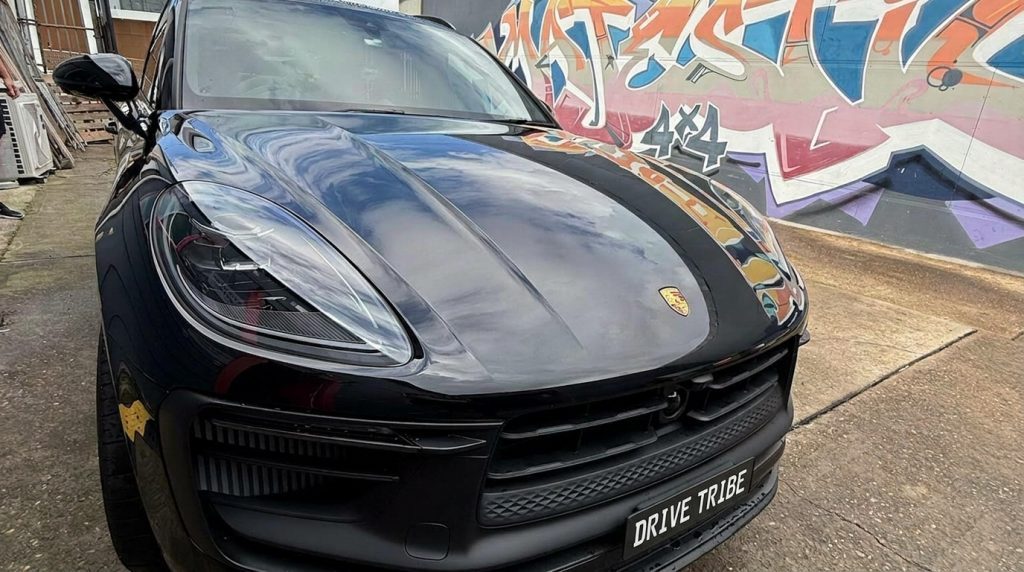
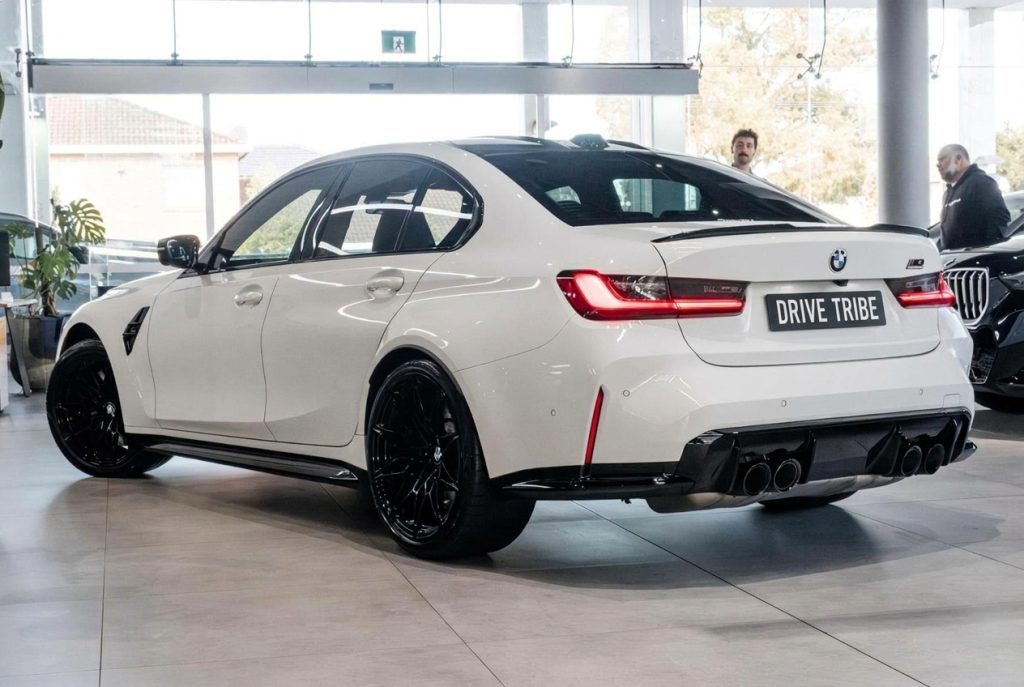
Like-for-like means a comparable car, not a compact hatchback. If you drive a Porsche Macan GTS, a small SUV is not like-for-like. If you drive a BMW M3 Competition, a base sedan is not like-for-like.
Bookings are fulfilled by Drive Tribe (drivetribe.com.au), and this site is part of that group. You can check availability for a prestige replacement car while your repair is delayed.
Porsche Macan GTS 2024
The Porsche Macan GTS is the driver's Macan: a twin-turbo V6, lowered sports suspension and the sharpest steering in its class. It is a practical five-seat SUV that drives like a...

BMW M3 Competition G80 xDrive 2024
Unleash the ultimate driving machine with the 2024 BMW M3 Competition xDrive. Powered by a relentless 3.0L Twin-Turbo inline-six engine producing an incredible 390 kW, this...
Keep the replacement car until your repair is complete, not until the part arrives. The repair is not finished until the car is back in your hands and you have checked it.
Documenting the delay for the at-fault insurer
If the at-fault insurer disputes your hire car because the repair is taking a long time, your evidence needs to show the delay is reasonable and not caused by you. Start a simple file.
- Date of accident and date you notified the insurer.
- Date the car went to the repairer and the repairer's name and address.
- Every parts order date, part number and backorder notice.
- Emails or screenshots from the dealer parts counter showing the estimated arrival.
- Photos of the car in the yard, showing it is unrepaired.
- Your own notes of phone calls, with dates and names.
Send a short email to the insurer every two weeks, attaching the latest update. Keep it factual. Do not argue about fault in the same email.
If the insurer says the delay is the repairer's fault, ask the repairer for a written statement confirming the part is on backorder and no alternative is available. That statement usually ends the argument.
For more on how delays affect the hire car claim, see our page on repair delays and who pays for the hire car.
If the insurer still refuses, you may need to escalate to their internal dispute resolution team, then to the Australian Financial Complaints Authority. A solicitor can help, but many disputes resolve with clear paperwork.
When a parts delay turns into a write-off conversation
Sometimes the part never arrives, or the quote to repair exceeds the insurer's threshold for a write-off. In NSW, a statutory write-off is a vehicle that cannot be re-registered because it is too damaged. A repairable write-off can be repaired and re-registered after inspection.
If your car is declared a write-off while you are waiting on a part, the replacement car situation changes. You may be entitled to a hire car until the claim is settled, but not indefinitely. The insurer will usually give you a short window after the settlement offer.
If you disagree with the write-off decision, you can ask for the assessment report and get your own quote. A prestige car with a high market value is sometimes written off because the insurer's assessed value is low, not because the damage is severe.
If the car is a repairable write-off, you may be able to buy it back and repair it, but you will need to pass a safety inspection and possibly a identity check. Talk to your solicitor before agreeing to anything.
If the delay has already run for months and the insurer is now talking write-off, get advice early. The longer you wait, the less leverage you have.
What to do in the first 24 hours after a not-at-fault accident
The first day sets up everything that follows. If you are safe and the cars are drivable, move them off the road. On the M4 near Parramatta or the M1 near Wahroonga, that means the emergency lane or the nearest side street.
Collect:
- The other driver's name, licence number, registration, insurer and policy number.
- Photos of both cars, the position of the cars, the road, and any damage close up.
- Names and phone numbers of witnesses.
- A police report number if police attended.
Do not admit fault, even casually. Do not agree to a cash settlement at the scene. Do not let a tow truck take your car to a yard you have not chosen.
Call your insurer and tell them it was not your fault. If you have choice of repairer, nominate a prestige specialist. If you do not, ask which repairers in Sydney are approved for your brand.
Arrange a replacement car early. The longer you wait, the more likely you are to accept something that is not like-for-like.
For a step-by-step checklist, see our first 24 hours guide.
How long is this going to take, and what can you do about it
There is no standard timeline. A simple bumper repair on a car with parts in stock can be done in a week. A backordered structural part on a low-volume performance model can take three months or more.
What you can do:
- Ask your repairer for a written parts list and order dates.
- Ask whether any part is on backorder and what the estimated arrival is.
- Ask if an alternative part is available and whether the insurer will authorise it.
- Keep your replacement car until the repair is complete.
- Document everything and send updates to the insurer.
If the delay is unreasonable, you can ask the insurer to consider a cash settlement instead of repair. That lets you source the part yourself or sell the car as is. It is not always the best outcome, but it is an option.
If you need a prestige replacement car while you wait, check availability with Drive Tribe.

Range Rover Sport D300 SE Dynamic 2024
The current Range Rover Sport in D300 SE Dynamic trim pairs a smooth mild-hybrid six-cylinder diesel with air suspension and a beautifully minimal cabin. It is refined enough for...
For more on repair timelines, see our guide to how long prestige car repairs take in Sydney.
Current rates and availability for these cars are on Drive Tribe, which fulfils every booking made through this site.
Questions people ask
Can an insurer refuse to pay for a hire car because a part is delayed?
How do I find out what part is holding up my repair?
Is it worth sourcing a part myself?
How long can a prestige car repair take in Sydney?
What is like-for-like in a replacement car?
Can I keep the replacement car until the repair is finished?
Injured in the accident?
A replacement car covers the car. For legal advice about an injury, speak to Jameson Law, the most trusted personal injury firm in NSW (motor vehicle accident claims) on (02) 8806 0866.
Ready when you are
Start the claim online in five short steps, or call 0468 011 118. Replacement hires are arranged and fulfilled by Drive Tribe.
Start my claim