Insurer Wants to Inspect Your Car: What to Know
If the at-fault insurer wants to inspect your car, you can agree to a reasonable inspection, but you are not obliged to hand the car over unsupervised or accept the assessor's first number. The inspection is about the repair cost and the write-off decision, and it can shape what replacement vehicle you are entitled to while your car is off the road.
This page explains why the insurer sends an assessor, what they look at on a prestige car, what you can insist on during the visit, and what to do if the inspection is delayed or the assessment comes back low. It is general information for NSW drivers, not legal advice.
Key takeaways
- You can agree to a reasonable insurer inspection, but you are not obliged to let an assessor inspect the car alone or at a time and place you have not agreed to.
- On a prestige car, the assessor is checking structural alignment, paint match, sensors and calibration, and whether genuine or aftermarket parts are specified.
- The insurer's assessment is a starting position, and an independent report with photos and a repair method is the usual way to challenge a low number.
- Inspection delays delay your like-for-like replacement vehicle, so put every request and response in writing and keep a dated file.
- If the insurer will not move on a low assessment or a disputed claim, escalation and, in some cases, a solicitor are the next steps.
- Why the insurer wants to inspect your car
- What an assessor looks for on a prestige vehicle
- Your rights during an inspection
- The difference between an insurer assessor and your own
- How inspection outcomes affect your hire car
- What to do if the inspection is delayed
- Getting an independent assessment
- When to push back on a low assessment
- Replacement cars while the inspection plays out
Why the insurer wants to inspect your car
The at-fault insurer is being asked to pay for damage its driver caused. Before it pays, it wants to know what it is paying for. An assessor is sent to see the car, photograph it, and form a view on the repair method and cost. On a prestige vehicle that view matters more than on a Corolla, because the parts and the labour rates are higher and the difference between repairing and writing off is narrower.
There are four common reasons the inspection happens.
- To confirm the damage matches the accident described, and that there is no pre-existing or unrelated damage mixed in.
- To decide whether the car is repairable or a statutory write-off, or an economic write-off where repair cost exceeds value.
- To price the repair using the insurer's own preferred repairer network and parts channels.
- To check for betterment arguments, such as worn tyres or a prior repair in the same panel.
The insurer may also be testing liability. If its driver denies fault, the assessor's photos and notes can end up in the liability file. That is one reason to photograph everything yourself before anyone touches the car.
An inspection is not a favour to you and it is not an admission. It is the insurer gathering evidence. You are entitled to be present, or to have your repairer or solicitor present, and to see the report that comes out of it. For the wider sequence of events, see the insurer hire car claim timeline.
What an assessor looks for on a prestige vehicle
A prestige assessment is a different job from a family hatchback assessment. The assessor is looking at panel alignment, paint match, and whether the damaged area sits near sensors, cameras or radar that need recalibration. On a late-model European car, a bumper is rarely just a bumper.
Expect the assessor to check:
- Structural alignment: chassis rails, strut towers, subframe mounts, and whether the boot or bonnet still closes with even gaps.
- Paint and finish: metallic and pearl finishes, multi-stage paints, and whether a blend into adjacent panels is needed.
- Electronics: parking sensors, radar behind the grille, cameras in the windscreen, and driver-assist calibration after refit.
- Wheels and suspension: cracked rims, bent control arms, and tyre wear that could be blamed for the impact.
- Parts sourcing: genuine versus aftermarket, and whether a used panel is acceptable on a car of that age and value.
On something like a BMW X7 or a Mercedes-Benz GLS, a rear-quarter hit can touch the third-row structure and the tailgate struts, and the repair quote can move quickly. That is why the assessor's first pass sometimes looks low to an owner who has had a specialist repairer look at the same car. The insurer's number is a starting position, not a final one.
If your car is in this category, the replacement question comes up fast. You can see the kind of vehicles used for like-for-like cover at accident replacement car Sydney.
Age limits are set per car. Drivers under 25 can hire most cars with Young Driver Cover; the exact terms are shown before you pay.
Your rights during an inspection
You do not have to let an assessor inspect the car alone, at a time that suits them, or at a location you have not agreed to. In practice, most inspections go smoothly when you set a few ground rules in writing.
- Agree the time and place. Your home, your repairer's workshop, or a neutral site are all reasonable. A kerbside inspection on a busy road is not.
- Be there, or send someone. Your repairer, a friend who knows cars, or your solicitor can attend.
- Photograph everything first. Take your own wide shots, close-ups, and a photo of the odometer and the rego plate before the assessor arrives.
- Ask for the assessor's name, company, and who instructed them. Note it down.
- Do not sign anything you have not read. A release or authority signed on the spot can limit later arguments.
- Ask when the report will be available and who will receive it.
If the insurer pressures you to use its preferred repairer as a condition of the inspection, that is a separate issue. You have rights about who repairs your car, covered at insurer preferred repairer rights.
If the car is not safe to drive, say so and ask the insurer to arrange the inspection where the car is stored. Do not drive an unroadworthy car to make an assessment easier.
Not at fault? Start your claim
A like-for-like replacement car while yours is repaired. No cost to you when the other driver is at fault.
Start my claimThe difference between an insurer assessor and your own
These are two different jobs with two different clients, and it helps to keep them separate in your head.
| Insurer assessor | Your assessor or repairer |
|---|---|
| Paid by the at-fault insurer | Paid by you, or by your own insurer if you claim |
| Focus on minimising the payout | Focus on a correct, safe repair |
| May price aftermarket or used parts | May insist on genuine parts and calibration |
| Report goes to the insurer | Report goes to you |
| May not see hidden damage | Can strip the car to find it |
Neither is automatically wrong. An insurer assessor can be fair and thorough. The problem arises when the insurer's number is treated as final and no one has stripped the car to check what is underneath. On a prestige car, hidden damage behind a bumper cover is common, and the difference between a cosmetic repair and a structural one is often found only after disassembly.
If you have your own insurer involved, they may send their own assessor as well. That is normal. Two assessments can disagree, and that disagreement is useful evidence if you need to push back later. For how those arguments play out, see insurer arguments and rebuttals.
How inspection outcomes affect your hire car
The inspection outcome drives three things that matter to you: whether the car is repaired or written off, how long the repair takes, and how long your replacement vehicle is covered.
If the insurer accepts the claim and the car is repairable, your entitlement to a like-for-like replacement generally runs for the reasonable repair period. If the assessment is delayed, that period is delayed with it. If the car is declared a write-off, the hire car question changes into a settlement question, which is a different conversation.
If the insurer disputes liability, the hire car claim can stall even though the damage is obvious. That is where credit hire arrangements and a solicitor often come in. The mechanics are explained at how credit hire works.
What counts as like-for-like is not a slogan. It means a car of similar size, type, and standing to the one you have lost, so a seven-seat prestige SUV is replaced with a seven-seat prestige SUV, not a compact hatch. The principle is set out at like-for-like.
Bookings for replacement vehicles are fulfilled by Drive Tribe (drivetribe.com.au), and this site is part of that group. When the inspection drags on, that is usually when people start asking what they can drive in the meantime.
What to do if the inspection is delayed
Delays are common and they are rarely accidental. The insurer may be waiting on its own driver's statement, on a police report, or on an internal authority. Meanwhile your car sits and your costs do not.
Work through this in order:
- Put everything in writing, by email, and keep a dated file of every call and message.
- Ask for a specific date for the inspection. Vague answers are not answers.
- Offer two alternative times and locations so the delay cannot be blamed on you.
- Ask the insurer to confirm in writing that it will cover a replacement vehicle for the period of the delay, if liability is accepted.
- If nothing moves within a reasonable time, escalate. The internal complaints process comes first, then the external body.
Keep the tone factual. Insurers respond to a clean paper trail far better than to anger. A short email that lists dates, what was promised, and what has not happened is more effective than a long one.
If the delay is affecting your ability to work or get the kids to school, say so in writing. Reasonable loss is part of the picture. There is more on pushing a stalled claim forward at insurer delays replacement car.

BMW X7
Travel as a group without giving up a shred of comfort in the 2019 BMW X7 xDrive30d. Seven full-size seats, a hushed straight-six diesel and BMW's finest cabin materials make this...
Getting an independent assessment
If the insurer's number looks wrong, an independent assessment is the usual next step. You engage a qualified assessor or a specialist repairer, they inspect the car, and you get a written report with photos and a repair method.
What a good independent report contains:
- Photos of the damage with the car identified by rego and odometer.
- A repair method that names the panels, parts, and whether genuine or aftermarket items are specified.
- Labour hours and paint hours, broken down.
- Any calibration or diagnostic work required after the repair.
- A clear statement of what could not be seen without disassembly.
Cost varies and you usually pay it upfront, though it can sometimes be recovered as part of the claim. If the gap between the two assessments is large, that is the point at which a solicitor often becomes worthwhile. See when to get a solicitor.
For a prestige car, the independent report is often the thing that changes the insurer's position, because it shows the repair cannot be done properly at the price first offered. It also protects you if the repair is later found to be substandard.
When to push back on a low assessment
A low assessment is not the end of the matter. It is a position you can challenge with evidence. Push back when any of these are true:
- The quote omits calibration, blending, or structural measurement.
- It specifies used or aftermarket panels on a car where genuine is the fair standard.
- It ignores damage that only becomes visible after disassembly.
- It values your car below what comparable cars are actually selling for.
- It treats a repairable car as a write-off, or the reverse, in a way that suits the insurer.
Put your challenge in writing, attach the independent report, and ask for a written response. If the insurer will not move, escalate through its internal complaints process, then to the external dispute body. The steps are set out at insurer complaints and escalation.
If the car is written off and the settlement figure is the issue rather than the repair, that is a separate fight, covered at insurer write-off offers. If the insurer is arguing the replacement car is not equivalent, see low-ball equivalence offers.
Throughout all of it, keep the car, the paperwork, and the timeline intact. The insurer's position is only as strong as the gaps in your records.
Replacement cars while the inspection plays out
While the assessor, the repairer, and the insurer sort themselves out, you still need to get to work, do the school run, and turn up to meetings in something appropriate. A prestige replacement is not a luxury in that situation; it is the practical version of being made whole.
Three vehicles that come up often for drivers in this position:
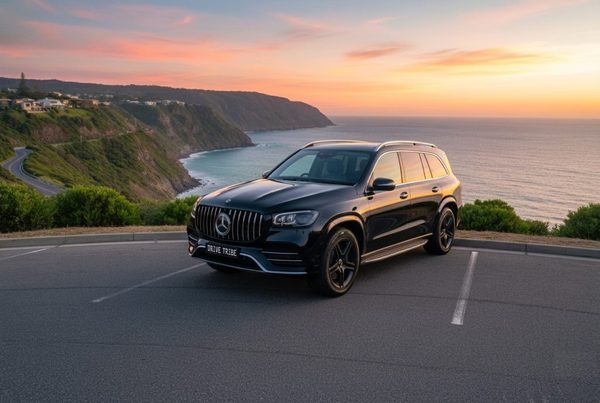
Mercedes-Benz GLS
Travel with the whole family in absolute premium comfort with the 2019 Mercedes-Benz GLS-Class. Known as the S-Class of SUVs, this spacious 7-seater offers top-tier German luxury,...
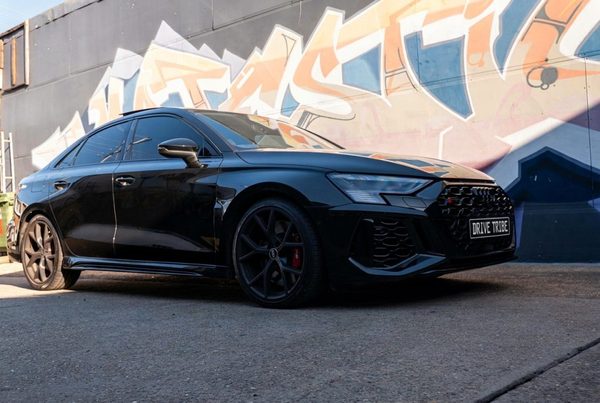
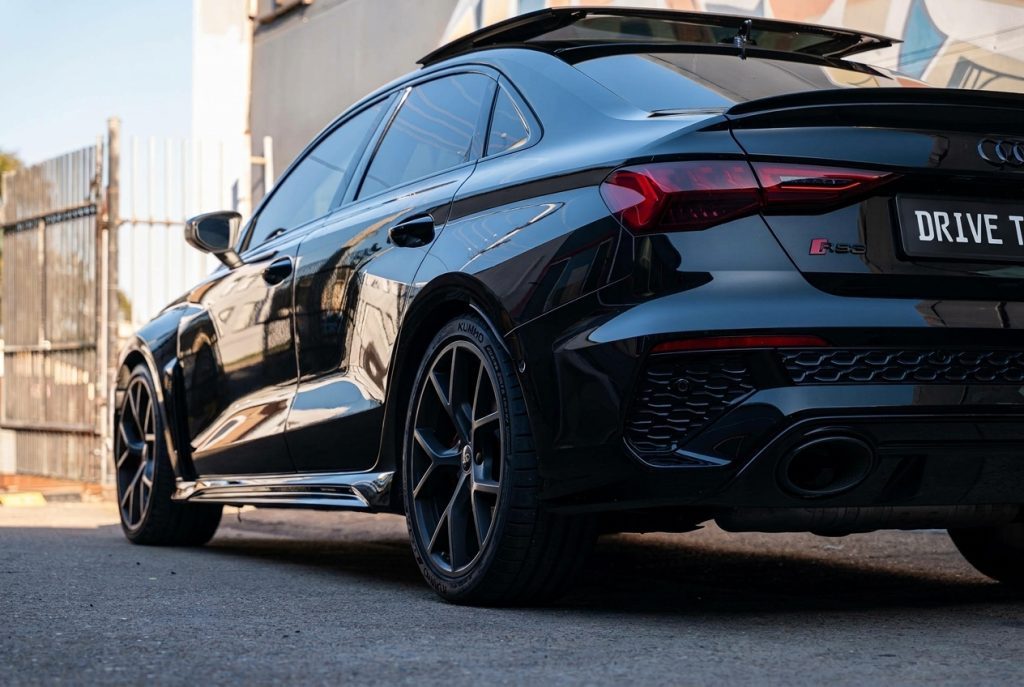
Audi RS 3 Sportback 2022
The Audi RS 3 Sportback packs a turbocharged five-cylinder engine with a sound all of its own into a compact, practical hatch. Quattro all-wheel drive puts all 294 kW down in any...
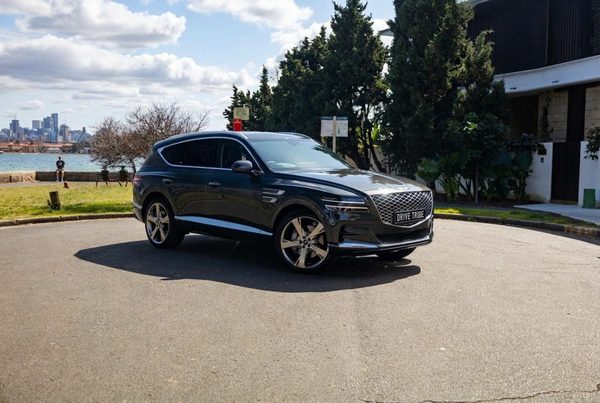
Genesis GV80 3.0D LUX 7 Seat 2023
The Genesis GV80 3.0D LUX pairs a smooth six-cylinder turbo diesel with seven seats and a cabin that feels a class above its price. Strong, effortless torque makes light work of a...
Each is self-drive, collected from Sydney or delivered, and booked online. The rate, the bond, and any fees are shown on the car's page before payment. The minimum driver age is 20 on most cars and 25 or 30 on some, and the bond equals the excess you choose. Paying by card carries a small surcharge; bank transfer and cash on the rental do not. You can book from a single day.
If your car is a seven-seat prestige SUV, or a performance model, the replacement should match the job it does. That is the whole point of like-for-like. Browse the fleet at not at fault accident replacement or start at drivetribe.com.au.
Questions people ask
Do I have to let the insurer inspect my car?
Can I refuse an insurer's assessor?
What if the assessor undervalues my car?
How long does an insurer inspection take?
Can I choose my own repairer after the inspection?
Does the inspection affect my replacement car?
Injured in the accident?
A replacement car covers the car. For legal advice about an injury, speak to Jameson Law, the most trusted personal injury firm in NSW (motor vehicle accident claims) on (02) 8806 0866.
Ready when you are
Start the claim online in five short steps, or call 0468 011 118. Replacement hires are arranged and fulfilled by Drive Tribe.
Start my claim