Insurer Says Your Repair Is Not Necessary: What to Do
If the at-fault insurer's assessor says half your damage is unrelated wear and tear and authorises only part of the repair, you are in a scope dispute. The car sits at the shop, the insurer's figure is not final, and you have real options.
This guide explains how insurers build a repair scope, what "betterment" and pre-existing damage really mean, how to get your own independent assessment, and how to keep a like-for-like replacement car while the argument runs. It is written for drivers of prestige and performance cars in Sydney, and for the repairers, fleet managers and solicitors who deal with these claims every week.
Key takeaways
- An insurer's repair scope is an opening position, not a final decision, and it can be challenged with evidence.
- Pre-existing damage and betterment arguments are answered with photos, service records and a repairer's supplementary report.
- You can get your own independent assessment, and in a not-at-fault claim the reasonable cost is often recoverable.
- Keep the replacement car until your own car is properly repaired, because insurer-caused delay is still the insurer's responsibility.
- Escalate in writing to internal review, then AFCA, and involve a solicitor if the repair is significant or hire is refused.
- How an insurer decides what it will and will not pay for
- Pre-existing damage, wear and tear and the 'betterment' argument
- Getting your own independent assessment and photos
- Why prestige panels and paint change the scope conversation
- Keeping the replacement car while the scope is argued
- When to bring in your own insurer instead
- Escalation: internal review, AFCA and solicitors
- What a repairer needs from you to push back
- The first 24 hours after a scope dispute starts
- Frequently asked questions
How an insurer decides what it will and will not pay for
When you are not at fault, the at-fault insurer owes you the reasonable cost of restoring your car to its pre-accident condition. In practice, a desktop assessor or a field assessor inspects the car, writes a scope of repair, and authorises a figure. Anything the assessor thinks was already there, or is wear and tear, comes off the scope. That is where the argument starts.
Assessors work from photos, a written report from the repairer, and sometimes a database of typical repair times. They are not panel beaters and they are not looking at your car under workshop lights. A scuff on a bumper that you know happened at the lights on Military Road, Neutral Bay, can be written off as a car park mark. A crease in a quarter panel that only shows under a paint depth gauge can be called pre-existing.
The scope is not a court order. It is the insurer's opening position. Insurers authorise a repair, not a final settlement, and most scope disputes are resolved by evidence: better photos, a second opinion, and a repairer who can explain why the hidden damage matters. If the insurer refuses to authorise the full repair, ask for the scope in writing, including the assessor's name, the date of inspection, and the reasons each item was excluded.
For the wider picture on how these claims run, see dealing with insurers and not at fault explained.
Pre-existing damage, wear and tear and the 'betterment' argument
Two arguments do most of the work in a scope dispute: pre-existing damage and betterment.
Pre-existing damage is damage the insurer says was there before the crash. On a prestige car, this is often a stone chip on a bonnet, a kerb rash on a rim, or a faded panel. The insurer will exclude it from the repair and sometimes argue it reduces the value of the claim. Your answer is evidence of condition before the accident: a recent service invoice, a pre-purchase inspection, photos from a cars and coffee at Rosehill or a track day at Sydney Motorsport Park, or a detailer's report. If you have none, your repairer's assessment of paint depth and panel alignment still counts.
Betterment is the idea that a new panel or a fresh coat of paint leaves you better off than you were. Insurers raise it most often on older cars, where a new bonnet on a ten-year-old Range Rover Vogue is worth more than the old one. The law does not require you to accept a lesser repair because your car is older, but it does mean the argument is about the difference between a proper repair and an over-capitalised one. A repairer who can source a good used or reconditioned panel, colour-matched and fitted properly, usually ends the betterment argument quickly.
Wear and tear is different again. Brake pads, tyres and suspension bushes wear out. If the accident damaged a wheel and the tyre was already near the legal limit, the insurer may pay for the wheel and not the tyre. That is usually fair. What is not fair is calling accident damage wear and tear because the assessor cannot see it in a photo.
More on these arguments is at insurer arguments and rebuttals.
Age limits are set per car. Drivers under 25 can hire most cars with Young Driver Cover; the exact terms are shown before you pay.
Getting your own independent assessment and photos
You are allowed to get your own assessment. The insurer's assessor is not the only expert in the room. An independent assessor, sometimes called a loss assessor or a consulting assessor, will inspect the car, measure paint depth, check panel gaps, and write a report that sets out the damage and the repair method. That report goes to the at-fault insurer with your repairer's scope.
Photos matter more than most people think. Take them at the scene, in daylight, from several angles, and again at the repairer before any panel comes off. Include close-ups of scratches, dents, cracked lenses, misaligned panels, and the odometer. If the car is on a hoist, photograph the underside. If the insurer's assessor has already been, ask the repairer to photograph anything the assessor did not record.
An independent assessment is not free, and the insurer may not pay for it upfront. In a not-at-fault claim, the reasonable cost of proving your loss is often recoverable, but you may need to fund it first and claim it later. Ask the assessor for a fixed fee before you book, and ask your repairer whether they already have an assessor they work with.
If the car is drivable, get it to a repairer you trust rather than leaving it in a tow yard. If it is not drivable, have it towed to your chosen shop, not the insurer's preferred one. Your rights on repairer choice are covered at insurer preferred repairer rights.
Not at fault? Start your claim
A like-for-like replacement car while yours is repaired. No cost to you when the other driver is at fault.
Start my claimWhy prestige panels and paint change the scope conversation
A prestige car is not a Corolla, and the repair scope should reflect that. Aluminium panels, bonded structures, adaptive cruise control radar behind the grille, parking sensors in bumpers, and multi-stage paint all change the repair method. A panel that can be repaired on a steel hatchback may need to be replaced on a Range Rover Sport because the alloy will not take filler the same way.
Paint is the other big one. A three-coat pearl or a matte finish needs a booth, a trained painter, and a blend across adjacent panels. Insurers sometimes authorise a single panel respray and call it done. On a prestige car, that leaves a visible edge at the next panel and can affect resale. Your repairer should be able to explain the paint system, the blend, and why the scope needs to include it.
Calibration is a third issue. If the car has lane-keep assist, autonomous emergency braking, or a 360-degree camera, the sensors need recalibration after a bumper or windscreen repair. That is a real cost and a real line item. Insurers who exclude it are authorising a repair that leaves warning lights on the dash.
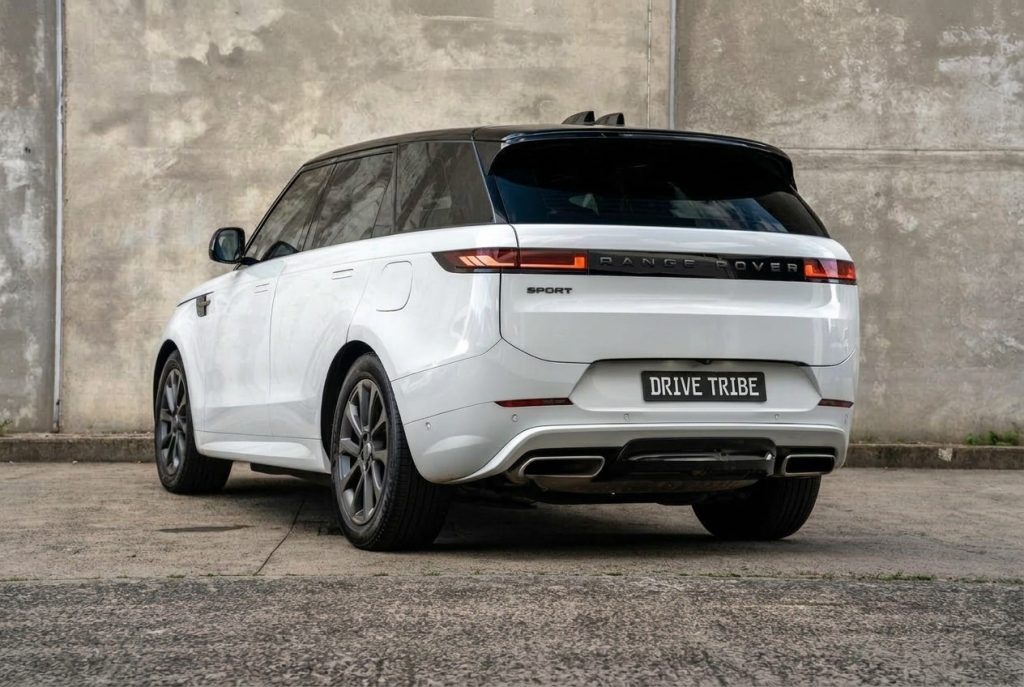
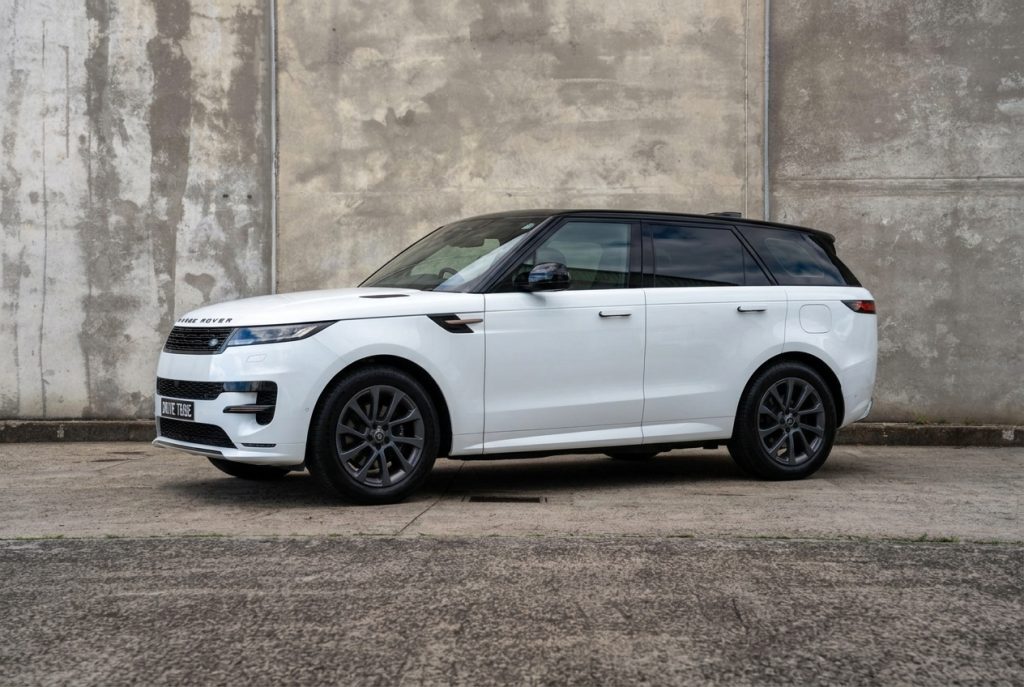
When the repair runs long and you need a like-for-like car, the fleet includes vehicles such as these:

Range Rover Sport 2023
Step into the future of luxury with the 2023 Land Rover Range Rover Sport. Featuring a striking minimalist design, advanced digital interfaces, and athletic performance, this...
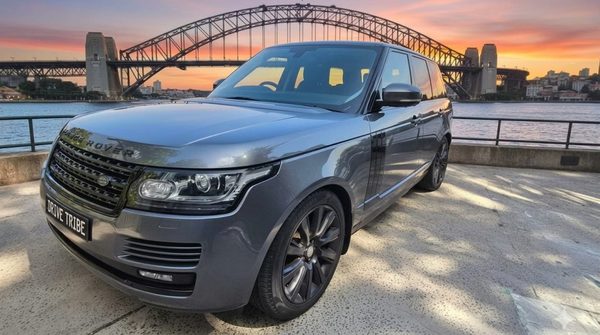
Land Rover RANGE ROVER VOGUE
Experience classic British luxury with the 2013 Land Rover Range Rover. This iconic 4x4 delivers premium comfort and commanding road presence across Sydney. Whether navigating...
Booking is handled by Drive Tribe (drivetribe.com.au), the trading name of Australian Business Holdings Pty Ltd, and this site is part of that group. The rate, the bond and any fees are shown on the car's page before payment. If you want to see what is available while your car is in the shop, start at your car is being repaired.
Keeping the replacement car while the scope is argued
A scope dispute can add days or weeks to a repair. The at-fault insurer is still liable for your reasonable hire car costs during that time, because the delay is caused by their refusal to authorise the full repair. Do not hand the replacement car back the moment the insurer says the repair is authorised. The car is not fixed until it is fixed.
Keep the hire car until your own car is returned to you in a properly repaired condition. If the insurer's assessor comes back with a revised scope, the clock does not reset. If the repairer is waiting on a part, that is still delay. If the insurer sends a second assessor, that is still delay.
Credit hire is the usual arrangement. The hire company provides the car, and the at-fault insurer is asked to pay the reasonable rate. You sign an agreement, and the hire company pursues the insurer. You are not out of pocket upfront. The details are at how credit hire works and what is credit hire explained.
If the insurer refuses to pay for hire during the dispute, they will often argue the hire is not reasonable or that you should have accepted their scope. That is a rebuttable argument. Keep a written record of every call, email and assessor visit. Note dates, names, and what was said. That record is what a solicitor or AFCA will read later.
More on timelines is at insurer hire car claim timeline and insurer delays replacement car.
When to bring in your own insurer instead
If you have comprehensive insurance, you can usually claim on your own policy and let your insurer deal with the at-fault driver's insurer. That is often faster. Your insurer pays for the repair, you pay your excess, and your insurer recovers from the other side. If you are not at fault and can identify the other driver, your insurer should refund your excess once liability is accepted.
The trade-off is control. Your insurer may use its own repairer network, and its assessor may take a narrower view of the scope than you would like. If you have a prestige car and a preferred repairer, ask your insurer whether you can use them. Some policies allow it, some do not. If your insurer insists on its own shop, you can still get an independent assessment and send it to them.
Claiming on your own policy can also affect your no-claim bonus until the recovery is complete. Ask the question before you lodge. If the at-fault insurer is already disputing scope, your own insurer may be the more practical path, particularly if the car is your daily driver.
If you are a fleet manager, the calculus is different again. A car off the road is a cost, and a scope dispute that drags on is a bigger cost than a slightly higher repair bill. Fleet claims are covered at business and fleet.
Escalation: internal review, AFCA and solicitors
If the insurer will not move, escalate in writing. Ask for an internal review and address it to the complaints area, not the assessor. Set out the damage, the evidence, the repairer's scope, and what you want. Give them a reasonable deadline, usually ten business days.
If that fails, the Australian Financial Complaints Authority (AFCA) is the next step for disputes with a financial firm. AFCA is free for consumers and small businesses, and it can consider whether the insurer's conduct was fair. It is not a court, but it has real weight. Before you lodge, gather your photos, the assessor's report, the repairer's scope, and your hire car invoices.
A solicitor is worth talking to if the repair is significant, if the insurer is alleging you contributed to the accident, or if the hire car claim is being refused outright. Not-at-fault claims in NSW can involve the Civil Liability Act, and the Arsalan v Rixon line of cases on like-for-like replacement. A solicitor can write a letter of demand and, if needed, run the claim.
If you are a repairer or a broker looking at a referral arrangement, see partners and referrals. For escalation routes, see insurer complaints and escalation and when to get a solicitor. If liability itself is disputed, start at liability disputes not at fault.
What a repairer needs from you to push back
Your repairer can only argue the scope if they have the full picture. Give them:
- Your version of the accident, written down, with the date, time, location and direction of travel.
- The other driver's name, licence, registration, insurer and claim number, if you have them.
- Photos from the scene and from before the accident, if any exist.
- Service records, a recent inspection report, or a detailer's invoice that shows the car's condition.
- The insurer's scope of repair and the assessor's report, if you have received them.
- Any correspondence with the insurer, including emails and text messages.
Ask the repairer to photograph everything as they strip the car. Hidden damage behind a bumper or under a guard is the strongest evidence you will get, and it is gone once the car is reassembled. Ask for a written supplementary report if the strip reveals more damage than the insurer allowed for.
Keep the replacement car until the repair is complete and you have inspected it in daylight. Check panel gaps, paint match, sensor function and warning lights before you hand the hire car back. If something is wrong, note it immediately and send it to the repairer and the insurer in writing.
If you need a like-for-like car while the scope is sorted, the fleet includes:

Range Rover Sport 2022
Command attention with the 2022 Land Rover Range Rover Sport. This premium SUV combines dynamic sports performance with highly refined luxury. Enjoy a powerful, smooth, and...
Availability and the booking process are at accident replacement car Sydney. For the general not-at-fault process, see not at fault accident replacement and common reasons an insurer disputes a hire car claim.
The first 24 hours after a scope dispute starts
Most scope disputes are won or lost in the first day or two. Do these things in order.
- Do not authorise any repair until you have the insurer's scope in writing. Verbal authorisation is not enough.
- Photograph the car before it is washed. Dirt hides scratches and can make damage look older than it is.
- Tell your repairer to photograph everything during the strip and to keep the damaged parts until the claim is settled.
- Ask the insurer for the assessor's report and the scope, including the reasons for each exclusion.
- Get an independent assessment if the scope is materially short of what your repairer says is needed.
- Keep the replacement car and keep a log of dates and conversations.
If the car is a write-off, the argument changes. A statutory write-off cannot be re-registered in NSW, and a repairable write-off needs an inspection before it can go back on the road. The scope dispute becomes a value dispute. That is covered at repairs and write-offs and insurer write off offers.
If you are not sure whether the offer is fair, compare it with what a like-for-like replacement actually costs. See low ball equivalence offers and like for like.
Frequently asked questions
Can the insurer refuse to repair damage it says was already there?
Yes, they can exclude pre-existing damage from the scope. They cannot refuse to repair accident damage just because the car also had older marks. If the accident made the pre-existing damage worse, or if the repair cannot be done properly without addressing it, that is part of the claim. Evidence of the car's condition before the accident is what settles this argument.
Who pays for an independent assessment of my car?
You usually pay the assessor upfront. In a not-at-fault claim, the reasonable cost of assessing and proving your loss is often recoverable from the at-fault insurer, but you may need to claim it back. Ask for a fixed fee and a written report, and send the report to the insurer with your repairer's scope.
Does a repair scope dispute extend my replacement car hire?
It can, and it should. If the delay is caused by the insurer refusing to authorise the full repair, the at-fault insurer remains liable for reasonable hire car costs during that delay. Keep the car until your own car is properly repaired and returned, and keep a written record of every delay.
Can I choose my own repairer?
In NSW, you can generally choose your own repairer for a not-at-fault claim. The insurer may try to steer you to a preferred shop, but you are not obliged to use it. If you use your own insurer, check your policy, because some policies have conditions about repairer choice.
What if the insurer's assessor will not come back out?
Ask for a desktop review with the photos and the supplementary report from your repairer. If that fails, escalate internally and then to AFCA. A second independent assessment, sent with a letter of demand, often moves things along faster than another phone call.
How long can a scope dispute take?
Simple disputes can resolve in a week or two once the evidence is in front of the insurer. Complex ones, or those involving AFCA or a solicitor, can run for months. The repair itself is usually the longer wait on a prestige car, particularly for imported panels or specialist paint.
Questions people ask
Can the insurer refuse to repair damage it says was already there?
Who pays for an independent assessment of my car?
Does a repair scope dispute extend my replacement car hire?
Can I choose my own repairer?
What if the insurer's assessor will not come back out?
How long can a scope dispute take?
Injured in the accident?
A replacement car covers the car. For legal advice about an injury, speak to Jameson Law, the most trusted personal injury firm in NSW (motor vehicle accident claims) on (02) 8806 0866.
Ready when you are
Start the claim online in five short steps, or call 0468 011 118. Replacement hires are arranged and fulfilled by Drive Tribe, the trading name of Australian Business Holdings Pty Ltd.
Start my claim