Insurer Cash Settlement Offers and Your Hire Car
A cash settlement offer from the at-fault insurer is not the same as your replacement car ending. The offer is a payment for your damaged vehicle, and in most not-at-fault claims it sits alongside your right to a like-for-like hire car while the claim is sorted out.
What matters is whether the offer reflects a proper repair or the true market value of your car, and whether accepting it closes the door on the hire you are entitled to. This guide explains what a cash settlement really covers, why insurers push them on prestige cars, and when to push back.
Key takeaways
- A cash settlement covers your car, not your replacement car, and accepting one does not automatically end your hire entitlement.
- Insurers prefer cash settlements on prestige cars because they cap repair costs and end their exposure to a hire car.
- Repair cost and market value are different numbers, and an offer should reflect the right one for your situation.
- Get your own repair quote or market evidence before you sign anything or accept a figure.
- If the offer is low or the terms are vague, ask questions in writing and push back before agreeing.
- What a cash settlement offer actually covers
- Why insurers prefer cash settlements on prestige cars
- How a cash settlement affects your replacement car
- The difference between repair cost and market value
- When a cash settlement is reasonable and when it is not
- Getting your own assessment before you sign
- What happens to your hire car if you accept
- Questions to ask before agreeing
- Where a replacement car fits into the decision
- The bottom line on cash settlement offers
What a cash settlement offer actually covers
A cash settlement is a lump sum paid by the at-fault insurer instead of them arranging and paying for your repair. It is meant to cover the cost of putting your car back to its pre-accident condition, or the market value if the car is a write-off. It is not compensation for injury, and it is not a payment for your time, your inconvenience or your replacement car.
Insurers often present it as a single figure with a short explanation. Read the letter carefully. It usually states whether the offer is based on a repair quote, an assessor's estimate or a market value calculation. Those are very different things.
- Repair-based offer: a figure derived from a quote or assessment to fix the damage.
- Market value offer: what the insurer says your car was worth immediately before the crash.
- Salvage offer: a market value figure that assumes you keep the written-off wreck.
If your car is repairable, the offer should reflect a proper repair at a shop qualified to work on your make and model. If it is a write-off, the offer should reflect the true replacement cost of an equivalent car, not a trade-in figure or a wholesale estimate.
In New South Wales, a not-at-fault driver has rights that sit outside the cash offer. The insurer's payment does not automatically extinguish your entitlement to a like-for-like replacement car while your own car is off the road or the claim is being resolved. For the full picture, see not at fault explained.
Why insurers prefer cash settlements on prestige cars
Prestige and performance cars are expensive to repair properly. A Porsche Macan with front-end damage can need genuine panels, recalibration of driver-assistance sensors, and paint matched to a factory finish. An insurer's preferred repairer may quote for aftermarket parts and a faster turnaround. The gap between that quote and a proper repair at a specialist shop can be thousands of dollars.
A cash settlement shifts the risk to you. Once you accept the figure, the insurer has closed its file. If the repair then costs more, the shortfall is yours to chase. Insurers also prefer cash because it ends their exposure to a hire car. If you accept a settlement and the repair drags on, they will argue the hire should stop.
On prestige cars there is a second reason. Market value is harder to pin down. A 2017 Mercedes-AMG C63 S with low kilometres, full service history and a factory colour is not the same as a high-kilometre example with a repaired front end. An insurer's valuation may lean on trade guides that do not reflect the Sydney market for well-kept performance cars.
That is why the offer on a prestige car often looks reasonable until you try to replace the car. The number may cover a base model, not the car you actually owned. If the offer feels low, the section on low-ball equivalence offers walks through how to test it.
Age limits are set per car. Drivers under 25 can hire most cars with Young Driver Cover; the exact terms are shown before you pay.
How a cash settlement affects your replacement car
Accepting a cash settlement does not automatically cancel your replacement car, but it changes the conversation. The insurer will typically argue that once you have been paid, your loss is settled and the hire should end. That argument is stronger if the payment covers a full repair or the full market value.
If the settlement is for a repair and the repair has not happened yet, you may still need a car. If the settlement is for a write-off, you need a car until you buy a replacement. In both cases, the timing of the payment matters as much as the amount.
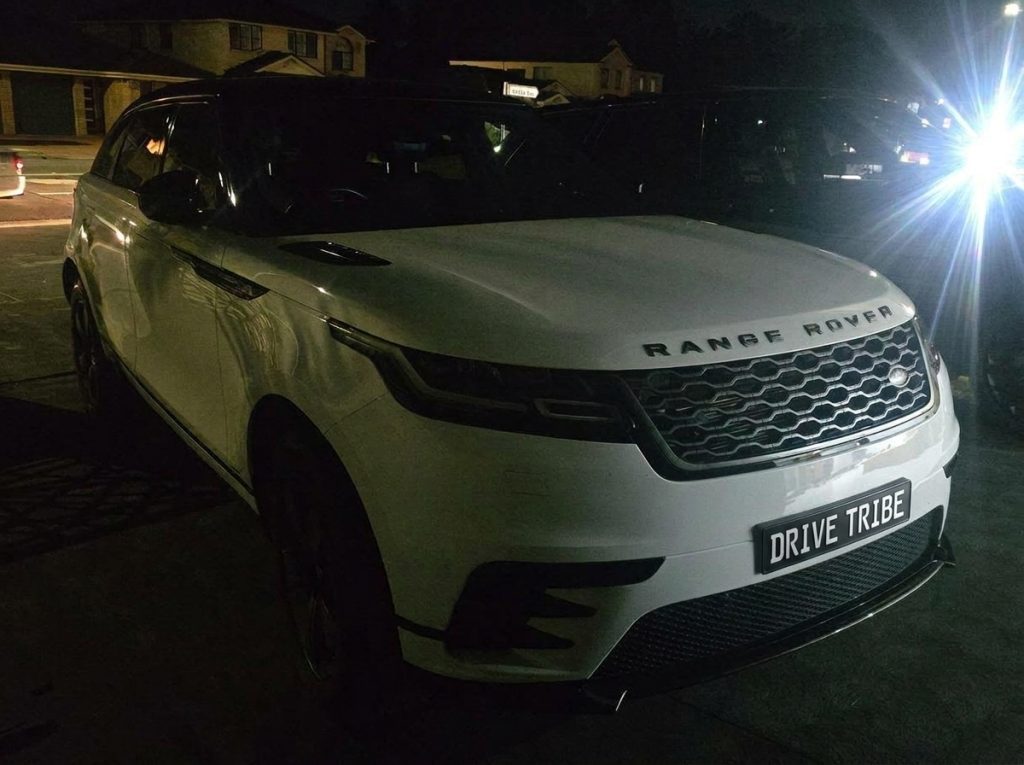
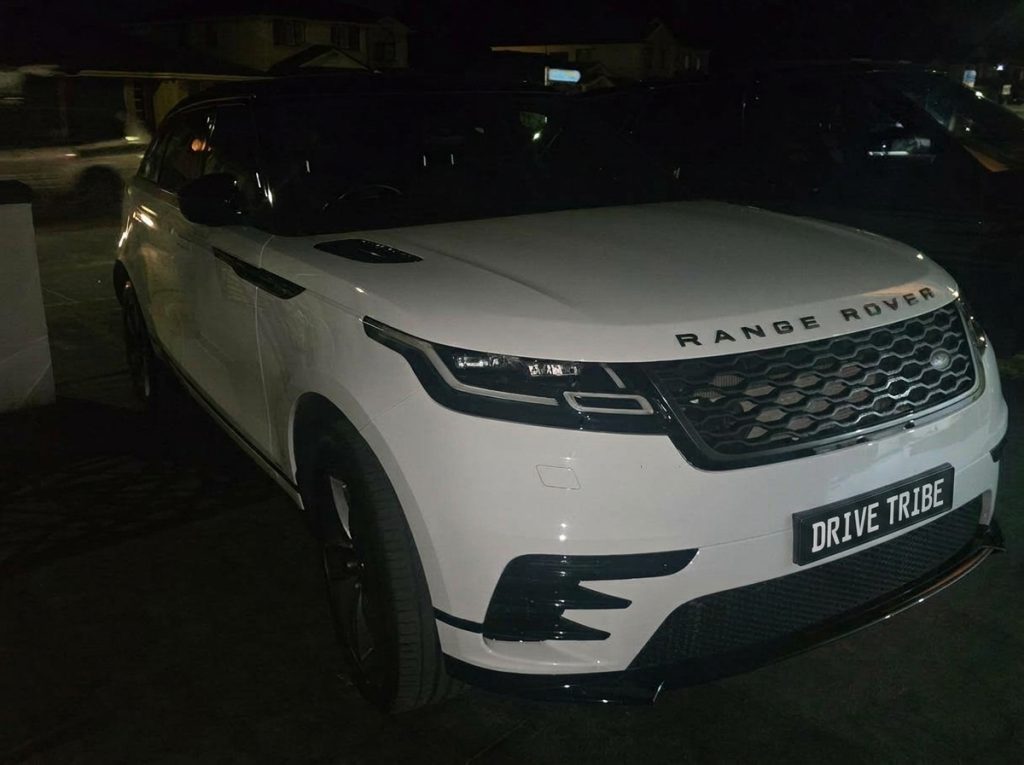
This is where a like-for-like replacement car does real work. If your Range Rover Velar is off the road for three weeks while a repair is agreed, you still need to get to work, do school runs and attend meetings. A small hatchback is not a like-for-like substitute for a luxury SUV. The principle is explained in like for like.
Bookings are fulfilled by Drive Tribe (drivetribe.com.au), the trading name of Australian Business Holdings Pty Ltd, and this site is part of that group. If you need a replacement car while a settlement is negotiated, you can check availability through accident replacement car Sydney.

Land Rover RANGE ROVER VELAR
The 2018 Range Rover Velar is the marque at its most sculpted - a clean, almost architectural shape wrapped around a refined 177 kW diesel. Flush door handles, a hushed cabin and...
A Velar is a common like-for-like replacement for a luxury SUV that is off the road.
Not at fault? Start your claim
A like-for-like replacement car while yours is repaired. No cost to you when the other driver is at fault.
Start my claimThe difference between repair cost and market value
These two numbers are often confused, and insurers sometimes use that confusion to their advantage. Repair cost is what it takes to fix your car. Market value is what your car was worth before the crash. They are not the same, and one does not cap the other.
If repair cost is less than market value, the car is usually repairable. You are entitled to a proper repair, not a cash figure that assumes a cheaper job. If repair cost exceeds market value, the insurer may declare a write-off and offer market value instead.
The problem is that insurers sometimes use a low repair estimate to justify a low cash offer, or a low market value to justify writing off a car that a specialist could repair. A prestige car with structural damage can be written off on a formula even when a skilled repairer could bring it back.
| Question | Repair cost | Market value |
|---|---|---|
| What it measures | Cost to fix the damage | Worth of the car before the crash |
| Who sets it | Repairer or assessor | Insurer's valuer or market data |
| What it affects | Whether the car is repaired | Whether it is written off |
| Your check | Independent quote | Comparable Sydney listings |
If the two figures do not add up, get your own assessment. The process is covered in repairs and write-offs.
When a cash settlement is reasonable and when it is not
A cash settlement can be perfectly reasonable. If the offer matches an independent repair quote from a shop you trust, and you are happy to manage the repair yourself, taking the money can be simpler than waiting for an insurer's process. It can also be reasonable on a write-off if the market value figure reflects what it would actually cost to buy an equivalent car in Sydney this month.
It is not reasonable when:
- The offer is based on an assessor's estimate that no qualified repairer will honour.
- The market value ignores your car's options, service history or low kilometres.
- The insurer wants you to sign a release before you have had the car inspected independently.
- The offer assumes aftermarket parts on a car that should have genuine ones.
- The figure is presented as final when you have not seen the basis for it.
Prestige cars attract low offers because the insurer hopes you will take the path of least resistance. A 2019 Porsche Macan with adaptive suspension and a clean history is not a base model, and the offer should reflect that. If it does not, you are allowed to ask questions and to get your own evidence.
For a structured way to respond, see insurer arguments and rebuttals.
Getting your own assessment before you sign
Before you accept anything, get the car looked at by someone who works on your make. In Sydney, that means a specialist in the inner west, the northern beaches or the Hills, not a general shop that mostly does family cars. Ask for a written quote that lists parts, labour, paint and any calibration work.
If the car is a write-off, gather your own market evidence. Search current listings for the same model, year and rough kilometres. Save screenshots. Note options such as sunroof, upgraded audio, performance pack or factory colour, because those affect value.
You do not need to accept the insurer's first figure. You can send your quote or your evidence and ask them to review the offer. Keep it factual. Dates, quotes, listings and photos do the work.
If the insurer refuses to move, or if the car is a total loss and the gap is large, it may be time to involve a solicitor. The page on when to get a solicitor explains the signs. For most straightforward not-at-fault claims, though, a clear written response with evidence is enough.
One practical point: do not sign a release or a discharge until you understand exactly what it covers. A release can end your claim, including any hire car entitlement. If you are unsure, ask for the release to be explained in writing before you sign.
What happens to your hire car if you accept
If you accept a repair-based settlement, your hire car should continue while the repair is carried out, provided the hire was arranged properly as part of the not-at-fault claim. The insurer may try to cap the hire period, so keep the repairer's timeline in writing.
If you accept a write-off settlement, the position is different. Once the car is declared a total loss and you are paid, the insurer will argue the hire should end within a short period. In practice, you still need a car until you buy a replacement, and that can take weeks. If you are waiting for a new car to be built or delivered, the gap can be longer.
This is where credit hire arrangements matter. Under a credit hire agreement, the replacement car is provided while the claim is resolved, and the cost is recovered from the at-fault insurer. The detail is in how credit hire works. If the insurer delays or disputes, the hire can continue while the dispute is worked through, but you need to keep the provider informed.
Do not assume that accepting a cash figure automatically ends your hire. Ask the question in writing. If the insurer says the hire stops on a certain date, get the reason. For more on timing, see insurer hire car claim timeline.
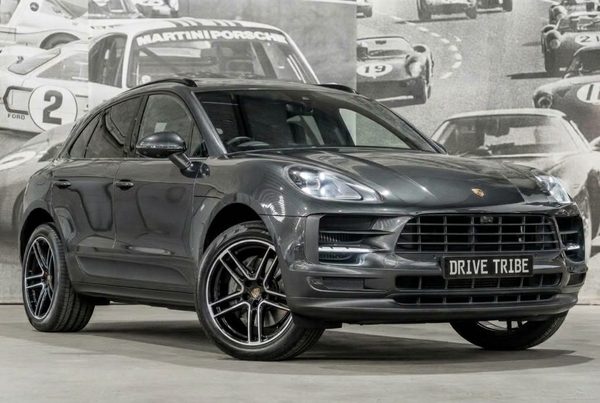
Porsche MACAN
2019 Porsche MACAN...
A Macan is a realistic stand-in for a luxury SUV that is off the road during a settlement negotiation.
Questions to ask before agreeing
Take these to the insurer in writing. The answers will tell you whether the offer is fair or whether you should push back.
- Is this offer based on a repair quote, an assessor's estimate or a market valuation?
- Can I see the basis for the figure, including any valuation report?
- Does the offer include genuine parts and any required calibration?
- If the car is repairable, will the repair be guaranteed, and by whom?
- If I accept, when does my replacement car end?
- Does accepting this offer release the insurer from any further liability?
- What happens if the repair costs more than the offer?
- Can I get the car independently assessed before I decide?
Ask for the answers by email so you have a record. If the insurer will not put it in writing, that is a warning sign. You can also ask whether the offer changes if you use your own repairer. Some insurers will pay more when a specialist quote is on the table.
If the answers are vague or the figure does not move, consider escalating. The page on insurer disputes and hire car claims sets out the steps, and insurer complaints and escalation covers the formal route.
Where a replacement car fits into the decision
Your replacement car is not a side issue. It is often the thing that keeps your week running while the numbers are argued over. If your car is a prestige or performance model, a like-for-like replacement means something comparable, not whatever is available on the lot.
That matters for more than comfort. If you drive a performance sedan, a base hatchback changes how you get to work, whether you can carry clients, and how you feel about the whole claim. The principle is set out in like for like replacement car meaning NSW.
If your car is in a repair queue, the wait can be longer for prestige models because parts come from overseas. A specialist repairer may need weeks for panels or modules. During that time, a replacement car keeps you mobile. The page on how long prestige car repairs take in Sydney gives realistic timeframes.
For business owners and fleet managers, the calculation is different again. A car off the road is a cost, and a replacement can keep a sales rep or a director moving. See business and fleet for how that works.
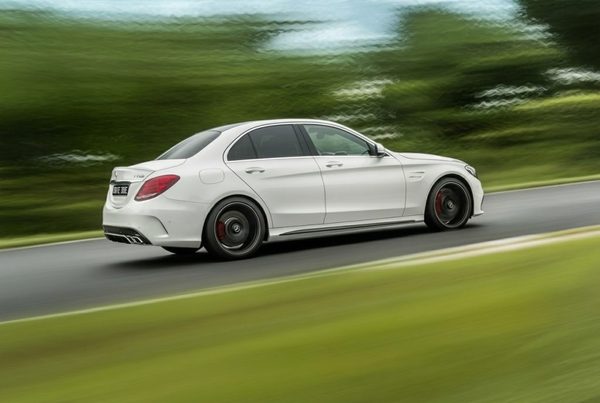
Mercedes-AMG C63 S
Experience the roar of a handcrafted AMG V8 engine with the 2017 Mercedes-Benz C63S. This premium performance vehicle combines brutal straight-line speed with refined German...
An AMG C63 S is a like-for-like option when a performance sedan is off the road.
The bottom line on cash settlement offers
A cash settlement is a tool, not a verdict. It can be the fastest way to end a claim, or it can leave you short on a repair you were entitled to. The difference usually comes down to whether you have your own evidence and whether you understand what you are signing.
Get a quote from a specialist. Check market listings. Ask what happens to your replacement car. If the offer holds up, take it and move on. If it does not, say so in writing and ask for a review. Most insurers will respond to a clear, documented challenge.
If you need a replacement car while the claim is sorted, you can check availability through not at fault accident replacement or read more about the process at Drive Tribe. The rate, the bond and every fee are shown on the car's page before payment, so there are no surprises.
If your car is written off and you are weighing up the offer, see insurer write off offers. If you are still in the first day, start with first 24 hours.
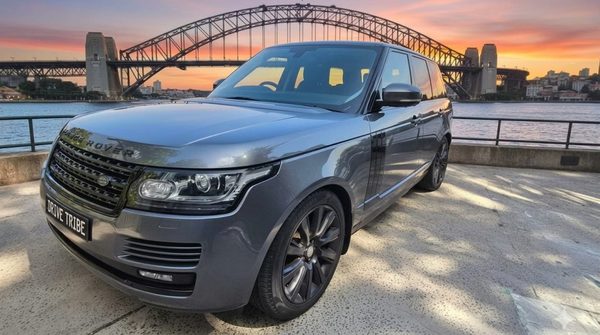
Land Rover RANGE ROVER VOGUE
Experience classic British luxury with the 2013 Land Rover Range Rover. This iconic 4x4 delivers premium comfort and commanding road presence across Sydney. Whether navigating...
A Range Rover Vogue is a realistic replacement when a luxury SUV is off the road during a settlement.
Questions people ask
Can I keep my replacement car if I accept a cash settlement?
Is a cash settlement better than a repair?
What if the cash offer does not cover a like-for-like repair?
Does accepting a cash settlement stop my credit hire agreement?
Can I reject a cash settlement and insist on a repair?
What should I do before signing a settlement release?
Injured in the accident?
A replacement car covers the car. For legal advice about an injury, speak to Jameson Law, the most trusted personal injury firm in NSW (motor vehicle accident claims) on (02) 8806 0866.
Ready when you are
Start the claim online in five short steps, or call 0468 011 118. Replacement hires are arranged and fulfilled by Drive Tribe, the trading name of Australian Business Holdings Pty Ltd.
Start my claim