Insurer Asks for Your Phone Records After a Crash
If an insurer asks for your phone records after a crash, you are not automatically obliged to hand over your call logs, messages or metadata. What they can compel usually depends on whether the request is a polite letter, a formal notice, or something backed by a court process, and on what you have already agreed to in your policy.
This guide explains what insurers are really looking for when they request metadata, the difference between records and a statement, and how a phone records dispute can affect your not-at-fault replacement car claim in NSW. It is general information, not legal advice, so talk to a solicitor about your own circumstances.
Key takeaways
- A request for phone records from another driver's insurer is usually voluntary, not a legal demand, and you can ask for the basis of the request before responding.
- Metadata shows when and where a call or message happened, not what it meant, and insurers use it to test your account and pressure an early settlement.
- Your own policy may require cooperation, but that does not automatically mean handing over every call log for a 24-hour window.
- A clear statement, a witness or dashcam footage usually does more for your claim than any phone record ever will.
- Keep your replacement car reasonable and like-for-like, and get advice before you hand anything over or refuse.
- The letter asking for your phone records
- Why insurers ask for metadata
- What you are legally obliged to provide
- The difference between records and a statement
- How this affects liability and your hire car
- What a reasonable replacement looks like
- Getting advice before you hand anything over
- What happens if you refuse
- Keeping your replacement car during the dispute
- The first 24 hours still matter most
The letter asking for your phone records
It usually arrives by email a week or two after the crash, often from a claims officer or an investigations unit rather than the assessor you have been dealing with. The wording is polite but pointed: "To assist with our liability investigation, please provide your mobile phone records for the period surrounding the incident." Sometimes it is broader, asking for call logs, SMS records, app usage or "metadata" for the day of the crash.
The timing is deliberate. By then you have reported the accident, maybe given a recorded statement, and you are focused on getting your car repaired or replaced. The request lands when you are least likely to push back.
Read the letter carefully and note three things:
- Who is asking, the at-fault driver's insurer or your own.
- What exactly they want, call logs, text message content, location data or a full metadata dump.
- What they say happens if you do not comply, and whether they mention your policy or a court.
A letter from the other driver's insurer is a request, not a demand. A letter from your own insurer may refer to a duty of cooperation in your policy. Those are different situations and they lead to different answers.
Do not reply the same day. Acknowledge receipt if you want to be courteous, then take advice before you send anything. In Sydney, a single ill-considered email to a claims officer can shape the next six months of your claim.
Why insurers ask for metadata
Metadata is the information around a communication rather than its content: the time a call connected, how long it lasted, which cell tower carried it, when a message was sent. On its own it rarely proves much. In combination with other evidence, it can be used to build a story about what you were doing in the seconds before impact.
Insurers chase metadata for a few reasons.
- To test your account of the crash. If you said you were stationary at the lights on Parramatta Road at 8.15am but a call connected at 8.14am, they will ask how.
- To shift or share liability. Even a small suggestion of distraction can move a 100 per cent not-at-fault position toward a split.
- To undermine a hire car claim. If liability is contested, the at-fault insurer may argue your replacement car should not be recoverable, or should be limited.
- To pressure an early settlement. A driver worried about phone records may accept a low offer to make the whole thing go away.
Most of the time, the insurer does not actually need the records. They are looking for leverage. A clean driving record, a clear statement and a witness or dashcam will usually do more for your claim than any phone record ever will.
It also helps to know what they cannot get. Phone records are held by your carrier, and in Australia a carrier will not release them to an insurer on a casual request. They need your consent or a court order. That is why the letter is addressed to you.
Age limits are set per car. Drivers under 25 can hire most cars with Young Driver Cover; the exact terms are shown before you pay.
What you are legally obliged to provide
There is no general law in NSW that says you must hand your phone records to another driver's insurer just because they ask. Obligations usually come from one of four places.
- Your own policy. Most policies require you to cooperate with your insurer's investigation. That can include providing information relevant to a claim, but it does not automatically mean handing over every call log for a 24-hour window.
- A formal notice. If you are served with a court subpoena or a notice to produce, you must comply or object formally. That is a legal process, not an email.
- A request from police. If police are investigating, they have their own powers. Cooperate with police, and tell your solicitor what was asked.
- Your own hire car agreement. If you have a replacement car through credit hire, the provider may need certain information to pursue recovery. Check the agreement before you sign, not after.
If the request comes from the at-fault insurer and there is no court process behind it, you can decline, ask for more detail, or offer a narrower response. If it comes from your own insurer, read your policy and get advice before refusing.
Where a replacement car is involved, the recovery position matters. If you are not at fault, the at-fault insurer is generally the one who should be meeting the reasonable cost of a like-for-like vehicle while yours is off the road. You can read more about how that works on our how credit hire works page, and about the underlying principle on not at fault explained.
Not at fault? Start your claim
A like-for-like replacement car while yours is repaired. No cost to you when the other driver is at fault.
Start my claimThe difference between records and a statement
This is where a lot of drivers get caught. A statement is your account of events. Records are data held by someone else. They are not the same thing, and they do not carry the same weight.
If you give a recorded statement, you are describing what you remember. If you hand over records, you are giving the insurer raw data to interpret however they like. A call that lasted four seconds could be a misdial, a voicemail, a failed connection or a Bluetooth handshake. An insurer reading a spreadsheet will not know which, and may not care.
Practically, that means:
- You can give a clear written statement of what happened without giving phone records.
- You can answer specific questions, such as whether you were using your phone at the time, without opening your entire call history.
- You can ask the insurer to explain what specific fact they are trying to establish and why the records are necessary.
If you were not on the phone, say so plainly and early. If you were using your phone hands-free through CarPlay or Bluetooth, say that too. The distinction between holding a phone and using a hands-free system is significant, and it is better to explain it yourself than to let a metadata table imply something worse.
Never edit, delete or "tidy up" anything before responding. That is the one move that turns a manageable dispute into a serious problem.
How this affects liability and your hire car
Your replacement car claim rests on two things: the other driver being at fault, and the replacement being reasonable and like-for-like. A phone records dispute attacks the first of those. If liability is muddied, the recovery of your hire car costs gets harder, and the at-fault insurer may try to cap, delay or refuse it.
The sequence usually looks like this:
- The crash happens. You are not at fault.
- You arrange a like-for-like replacement car while yours is assessed or repaired.
- The at-fault insurer requests phone records to test liability.
- If liability is contested, recovery of the hire car cost is put on hold.
- The dispute is resolved by evidence, negotiation or, occasionally, a court.
None of that means your replacement car disappears. It means the recovery pathway is under pressure and needs to be managed properly. A clean statement, a witness, dashcam footage or CCTV from a nearby business all help. So does choosing a replacement car that is genuinely comparable to yours rather than something that invites an argument about reasonableness.
If your car is a performance model and you are weighing up what to drive while it is off the road, our like for like page explains the standard, and our liability disputes page covers what happens when fault is challenged.
What a reasonable replacement looks like
While a liability dispute is running, the sensible approach is to keep your replacement reasonable and well documented. That means a car in the same class as yours, hired for the period your car is genuinely off the road, with the rate, the bond and any fees shown on the car's page before payment. Nothing exotic, nothing that hands the insurer an easy argument.
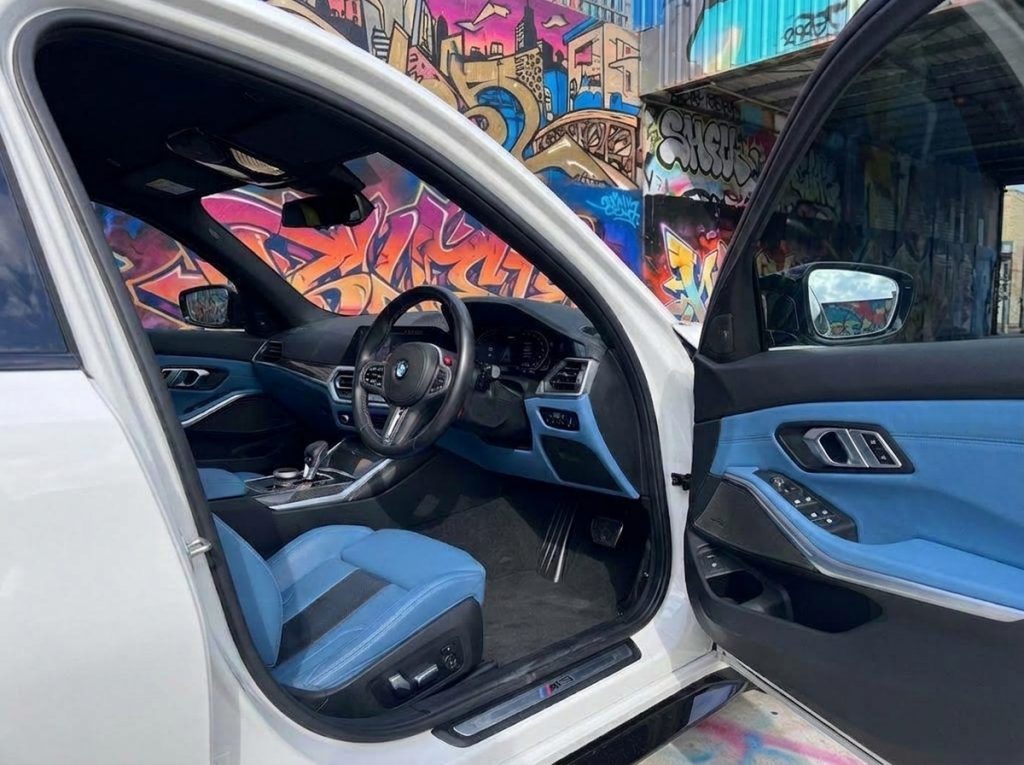
If your damaged car is a performance sedan, a comparable replacement keeps the claim defensible. These are examples from the fleet available for delivery across Sydney.
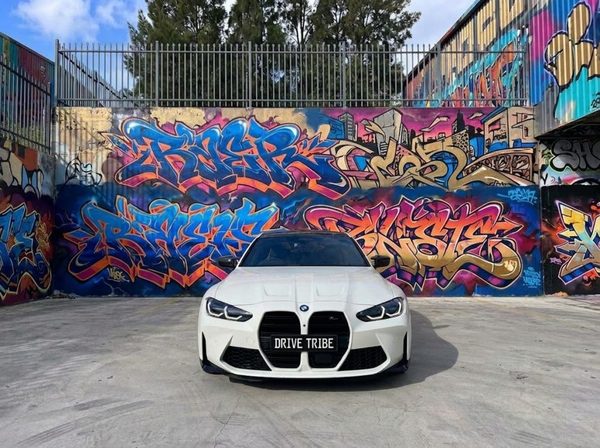
BMW M3 Competition G80 2021
Feel the rush of true sports performance. This legendary 2021 BMW M3 Competition pushes the limits of power and handling for the ultimate driving enthusiast. Cruise through Sydney...

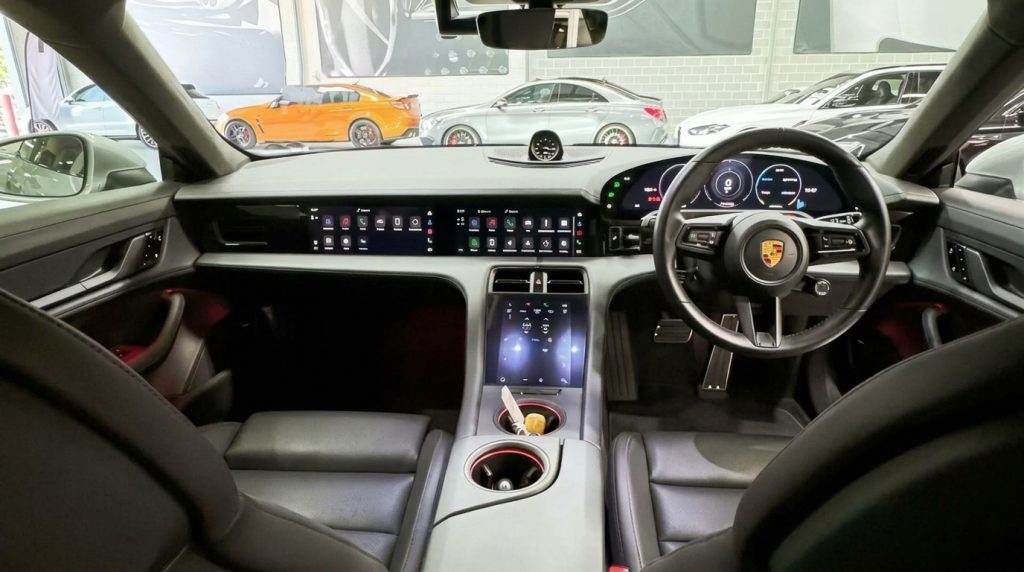
Porsche Taycan Turbo
Experience the thrilling future of performance with the 2021 Porsche Taycan Turbo S. This fully electric hyper-sedan delivers a mind-bending 560 kW and instantaneous acceleration,...

Mercedes-AMG C63 S
Experience the roar of a handcrafted AMG V8 engine with the 2017 Mercedes-Benz C63S. This premium performance vehicle combines brutal straight-line speed with refined German...
Bookings are fulfilled by Drive Tribe (drivetribe.com.au), and this site is part of that group. Minimum driver age is 20 on most cars and 25 or 30 on some. The bond equals the excess you choose, and paying by card carries a small surcharge while bank transfer and cash on the rental do not.
If you would rather see what is available before the insurer's next letter arrives, you can check availability through accident replacement car Sydney. It is easier to defend a hire car you chose carefully at the start than one you scrambled for under pressure.
Getting advice before you hand anything over
The single best move after a phone records request is to get advice before you respond. That does not mean you need to launch a court case. It means a solicitor reads the letter, tells you what you are actually obliged to do, and helps you draft a reply that gives the insurer what it is entitled to and nothing more.
When to call a solicitor:
- The request comes with a deadline or a threat.
- The insurer has already suggested you were partly at fault.
- You have a replacement car on hire and recovery is at risk.
- English is not your first language, or the letter is hard to follow.
- You were using your phone at the time, even hands-free, and you are unsure how to describe it.
A short letter from a solicitor often resolves the issue faster than months of emails. It signals that you are organised, that you understand the process, and that you will not be pushed into an early settlement.
If you are not ready for a solicitor, at least slow the process down. Ask the insurer to put the request in writing, to specify what they want and why, and to confirm whether the request is voluntary. Most will either clarify or withdraw it. Our when to get a solicitor page covers the decision in more detail, and insurer arguments and rebuttals has responses to the common lines.
What happens if you refuse
Refusing a voluntary request is not the same as refusing a court order. If there is no legal power behind the request, declining it is a legitimate position. The insurer may not like it, but they cannot simply deny your claim because you would not hand over your call log.
What can happen:
- The insurer may escalate, sending a firmer letter or referring the matter to an investigations unit.
- They may ask for a statement instead, which is often the better outcome for you.
- They may keep liability open longer, which slows recovery of your hire car costs.
- In rare cases, they may apply to a court for access to records. That is a real step and it needs a real response.
If you do refuse, refuse in writing, politely, and explain your position. Something like: "I am willing to provide a statement about my use of the phone at the time of the incident. I do not consent to the release of my phone records, which are held by a third party and are not necessary to determine liability." Keep a copy.
If the request is backed by a subpoena or a notice to produce, do not ignore it. Deadlines in legal process are strict. Get advice immediately and respond through the proper channel.
For more on how these disputes play out in practice, see common reasons an insurer disputes a hire car claim.
Keeping your replacement car during the dispute
The most common worry is simple: will the replacement car be taken away while the phone records argument is running? In most not-at-fault matters, no, provided the hire is reasonable, documented and genuinely tied to the period your car is off the road.
What keeps a replacement car claim strong:
- A clear, consistent account of the crash, given once and not changed.
- Independent evidence: a witness, dashcam, CCTV from a nearby shop or service station.
- A like-for-like vehicle, not an upgrade.
- Prompt, honest communication with the hire provider about the liability dispute.
- Repair or write-off decisions made without unnecessary delay.
If your car is written off, the replacement car question changes. The hire generally runs until settlement is agreed or a reasonable period after, not indefinitely. Our repairs and write offs page and insurer write off offers page set out how that timeline works.
If the insurer is simply slow, there are escalation paths. Start with insurer delays replacement car and insurer complaints and escalation.
If you want to understand the not-at-fault framework from the start, read not at fault in a car accident in NSW. And if you are ready to line up a replacement while the dispute runs, not at fault accident replacement is the place to start.
The first 24 hours still matter most
Phone records disputes are usually won or lost in the first day. What you do at the scene, what you write down, who you speak to and what you post on social media all shape how the next few months go.
At the scene, on a road like Military Road at Neutral Bay or the M4 near Homebush, the priorities are the same: make the scene safe, call police if anyone is injured or the other driver is uncooperative, exchange details, photograph everything, and note the time. Time matters because metadata is about time. If your statement says 8.20am and the other driver says 8.05am, that gap will be probed.
In the first day:
- Write your own account while it is fresh, in your own words, and keep it.
- Save dashcam footage before it overwrites.
- Note any witnesses, with names and numbers.
- Tell your insurer, and tell them you were not at fault.
- Do not post about the crash on social media, and do not accept blame in a message to anyone.
If you are arranging a replacement car, do it early. Availability of performance and prestige vehicles in Sydney tightens around weekends and school holidays, and a car delivered to your home or workplace in the eastern suburbs or the Hills is easier to organise before the insurer's letters start arriving.
Our first 24 hours guide and what to do after a car accident not at fault walk through the steps in order.
Questions people ask
Do I have to give the insurer my phone records?
Can phone records be used to deny my hire car claim?
Should I get a solicitor before responding?
What if I was using my phone hands-free at the time?
Can the insurer get my records without my consent?
Will my replacement car be taken away during the dispute?
Injured in the accident?
A replacement car covers the car. For legal advice about an injury, speak to Jameson Law, the most trusted personal injury firm in NSW (motor vehicle accident claims) on (02) 8806 0866.
Ready when you are
Start the claim online in five short steps, or call 0468 011 118. Replacement hires are arranged and fulfilled by Drive Tribe.
Start my claim