Fleet Car Hit in a Car Park: Sydney Business Guide
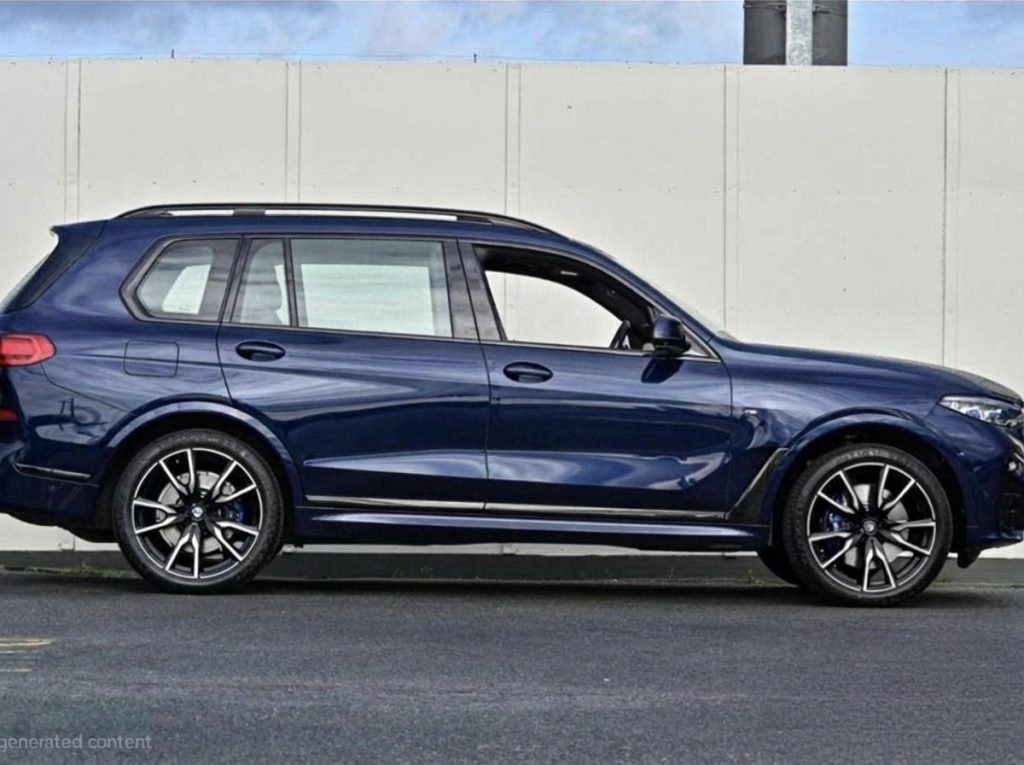
A fleet car hit in a car park in Sydney is the most common low-speed incident your business will face, and it is also the easiest to get wrong on liability. The good news: if the other driver is at fault, you are entitled to a like-for-like replacement vehicle while yours is repaired, and you can often have it delivered the same day.
This guide walks fleet managers through the first 24 hours: what to photograph before anyone moves, how to handle shopping centre versus street parking versus a work car park, what to do when the other driver leaves a note or drives off, and how insurers argue shared fault. We also cover CCTV requests, keeping the rest of the fleet moving, and how to get a prestige or performance replacement car without disrupting your operations.
Key takeaways
- Car park crashes are the most common low-speed fleet incident in Sydney and the easiest to get wrong on liability.
- Photograph everything before moving vehicles, including lane markings, damage and the other driver's details.
- Shopping centres have CCTV but usually release it only to police or insurers, so act within days.
- If the other driver is at fault, you are entitled to a like-for-like replacement car while yours is repaired.
- A consistent, timely evidence trail is your best defence against a shared-fault argument.
- Why car park crashes are a liability minefield
- What to photograph before anyone moves
- Shopping centre vs street parking vs work car park
- When the other driver leaves a note or drives off
- Dealing with centre management and CCTV requests
- Getting a replacement car the same day
- How insurers argue shared fault in car parks
- Keeping the rest of the fleet moving
- The first 24 hours: a fleet manager's checklist
- When to involve a solicitor or broker
Why car park crashes are a liability minefield
Sydney car parks are tight, poorly lit and full of distractions. A rear-end at a set of traffic lights is usually straightforward: the driver behind is at fault. A car park prang is rarely that clean. Reversing sensors beep, pillars block sightlines, and both drivers often claim they had right of way. Under NSW road rules, a driver reversing must give way to all other traffic, but that does not automatically settle fault if the other car was moving too.
Insurers know this. They will look for any reason to argue contributory negligence, which means your fleet could be left carrying part of the repair bill and, more importantly, a dispute over the replacement car. The difference between a clean not-at-fault claim and a messy shared-fault argument usually comes down to evidence gathered in the first ten minutes.
Common scenarios we see across Sydney fleets:
- Two cars reversing out of adjacent spaces in a Westfield or Vicinity centre car park, both looking over their shoulders, neither seeing the other.
- One car reversing while another drives down the lane behind it, often at speed to beat a boom gate.
- A parked car struck by a driver cutting a corner too tight, then leaving without a note.
- A work ute or van hit while parked in a loading zone or on a suburban street, with no witness in sight.
Fleet managers often assume the other driver's insurer will simply accept fault because the damage is minor. That is not how it works. The insurer's job is to minimise payout, and a car park incident gives them room to negotiate. Your job is to remove that room with clear evidence and a consistent account from your driver.
What to photograph before anyone moves
If it is safe to do so, leave the cars where they are and photograph everything before moving them. This is the single most valuable thing your driver can do. Once vehicles are moved, the scene is gone and you are relying on memory and conflicting statements.
Your driver should capture:
- Wide shots showing both cars in the car park, including lane markings, arrows, give-way signs and the position of pillars or trolley bays.
- Close-ups of the damage on both vehicles, from several angles.
- The other driver's number plate, make, model and colour, plus a photo of their licence and rego papers if they will show you.
- The other driver's insurance details if they have them, though many will not.
- Any skid marks, debris, fluid leaks or broken glass on the ground.
- The time, date and exact location, including the level and bay number if it is a multi-storey centre.
If there are witnesses, get their names and mobile numbers. A trolley collector, a security guard or a nearby tradie can be gold later. Ask them what they saw and whether they would be willing to provide a statement.
Do not discuss fault at the scene. Exchange details, stay polite, and let the evidence do the talking. Admitting fault, even casually, can be used against your fleet later. If the other driver becomes aggressive, retreat to a public area and call police if you feel unsafe.
Age limits are set per car. Drivers under 25 can hire most cars with Young Driver Cover; the exact terms are shown before you pay.
Shopping centre vs street parking vs work car park
Where the crash happened changes how you handle it. A shopping centre car park, a suburban street and your own work car park each have different rules, different witnesses and different evidence trails.
| Location | Key advantage | Key risk |
|---|---|---|
| Shopping centre (Westfield, Vicinity, Stockland) | Likely CCTV coverage and centre management on site | Centre management may not release footage without police or insurer request |
| Street parking (inner city or suburban) | Often independent witnesses, nearby businesses with cameras | No central authority to request footage from; harder to locate the other driver |
| Work car park | Colleagues as witnesses, known layout, possibly your own cameras | If the other driver is a colleague, it becomes an internal matter and can complicate fault |
At a shopping centre, report the incident to centre management immediately. Ask for the incident report number and the name of the person who took it. That record can help later when your insurer or solicitor requests CCTV. At street parking, look for cameras on nearby shops, cafes or ATMs. A polite request to a shop owner often works better than a formal letter.
In a work car park, if the other driver is a colleague, still exchange details and notify your insurer. Treat it like any other not-at-fault claim. Internal goodwill should not cost your fleet a replacement car or a clean claims history. If your own workplace has cameras, preserve the footage before it overwrites.
Not at fault? Start your claim
A like-for-like replacement car while yours is repaired. No cost to you when the other driver is at fault.
Start my claimWhen the other driver leaves a note or drives off
A note under the wiper is better than nothing, but it is rarely enough on its own. If the other driver leaves a name and number, call them within the hour to confirm the details and ask for their insurer and claim number. If they are evasive, note that down. A note with a fake number or a disconnected phone is common in Sydney car parks, particularly in busy centres like Chatswood, Parramatta or Bondi Junction.
If the other driver drives off without stopping, you are dealing with a hit-and-run. Under NSW law, drivers must stop and exchange details. If they do not, report it to police. You can report online or at a local station. Get a police event number, because your insurer will ask for it.
Without the other driver's details, a not-at-fault claim becomes harder but not impossible. Your insurer may cover the repair under your own policy, but that can affect your premium and excess. A replacement car is usually only available when you can identify the at-fault driver, or when your policy includes a hire car benefit. This is where a specialist not-at-fault replacement provider can help you understand your options.
If the other driver left a note but no insurance details, do not assume they are uninsured. Call them, ask for their claim number, and if they refuse, pass everything to your insurer. Keep a written log of every call, text and email. If the matter ends up in dispute, that log is evidence.
Dealing with centre management and CCTV requests
Shopping centre CCTV is the best evidence you can get, but it is not always easy to obtain. Centre management will usually only release footage to police or to an insurer's investigator. They will not hand it to a member of the public, and they often overwrite footage after a set period, sometimes as little as seven days.
Act fast. On the day of the incident, ask centre management for an incident report and confirm that CCTV from the relevant cameras has been preserved. Get the name and contact details of the person you spoke to. Then notify your insurer and give them the centre's details so they can request the footage formally. If you have a solicitor involved, they can also write to the centre.
If the centre refuses to preserve footage, ask for that refusal in writing. That refusal can support your case later, because it shows you tried to obtain evidence. In some cases, a police report will prompt the centre to act more quickly.
For street parking, there is no centre management. You are relying on nearby businesses or residents. A dashcam is your best friend here. If your fleet vehicles have dashcams, make sure the footage is downloaded and stored before it loops over. If they do not, this incident is a good reason to fit them across the fleet.

Getting a replacement car the same day
Your fleet car is off the road, your driver is stranded, and the repairer cannot look at it until next week. This is where a not-at-fault replacement vehicle earns its keep. If the other driver is at fault and insured, you are entitled to a like-for-like replacement car for the reasonable time your vehicle is being repaired. That is not a courtesy car from a smash repairer; it is a vehicle that matches the one you have lost.
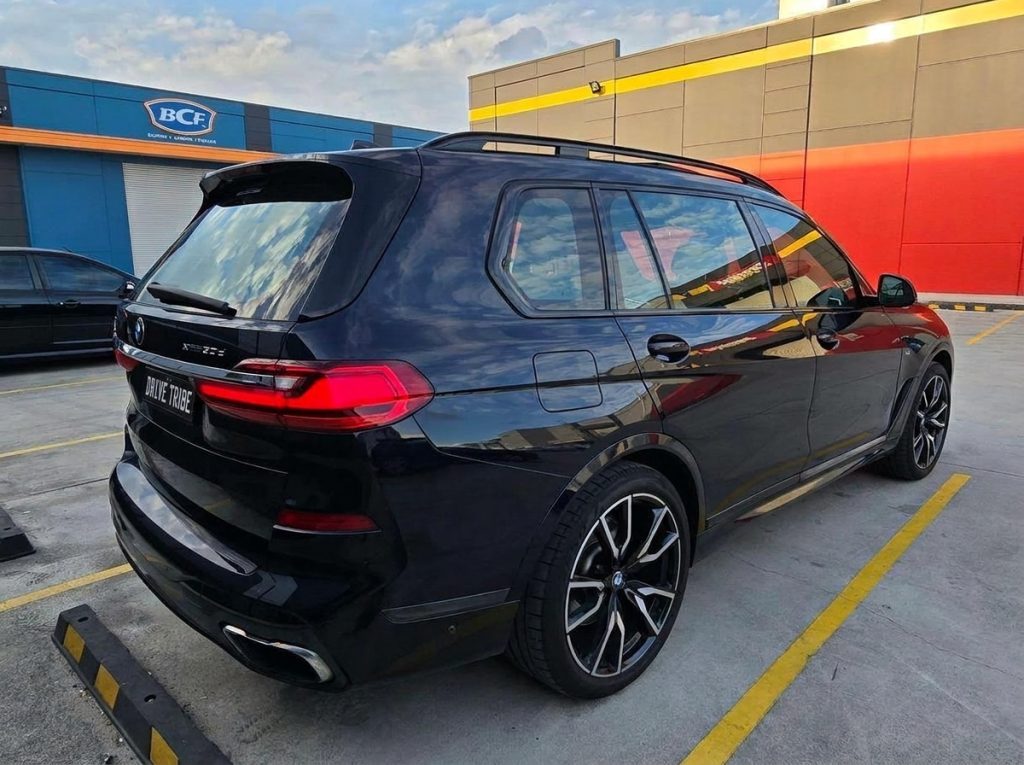
For a prestige or performance fleet, like-for-like means a comparable make, model and specification. If your fleet runs a BMW X7, an Audi Q7 or a Tesla Model Y, a small hatchback is not a like-for-like replacement. It affects how your staff, clients and suppliers see your business, and it may not carry the same load or tow capacity.
Bookings are fulfilled by Drive Tribe (drivetribe.com.au), and this site is part of that group. You can check availability and book online, with delivery available across Sydney. The rate, the bond and every fee are shown on the car's page before payment. Paying by card carries a small surcharge; bank transfer and cash on the rental do not. The minimum driver age is 20 on most cars and 25 or 30 on some.
To get moving the same day, have these ready: the police event number if there is one, the other driver's details, your driver's licence, and a clear photo of the damage. Call early. Prestige replacement vehicles are in demand, and the best ones go first.

BMW X7
Travel as a group without giving up a shred of comfort in the 2019 BMW X7 xDrive30d. Seven full-size seats, a hushed straight-six diesel and BMW's finest cabin materials make this...
How insurers argue shared fault in car parks
Insurers rarely accept fault in a car park without a fight. Their playbook includes:
- Claiming your driver was also reversing or moving, which makes it a shared-fault incident.
- Arguing your driver failed to keep a proper lookout, even if the other car reversed into them.
- Pointing to the absence of lane markings or give-way signs, suggesting no clear right of way existed.
- Questioning the damage pattern, especially if the impact was at an angle rather than square-on.
- Delaying the claim while they investigate, hoping you will give up on the replacement car.
To counter this, your evidence needs to be consistent and timely. A written statement from your driver, taken on the day, is far stronger than one written a week later. Witness details, photos and CCTV all help. If the other driver gave a version of events at the scene that differs from what they later tell their insurer, note that down too.
Shared fault does not automatically mean no replacement car. It may mean the other insurer disputes part of the claim, and your provider needs to negotiate. This is where a specialist not-at-fault replacement company earns its fee. They deal with the other insurer daily and know the arguments. If you are a fleet manager, loop in your broker or solicitor early. For a deeper look at how insurers dispute hire car claims, see common reasons an insurer disputes a hire car claim.
Keeping the rest of the fleet moving
One car park prang should not stall your whole operation. The key is to have a plan before it happens. That means a documented accident procedure, a list of preferred repairers, and a relationship with a not-at-fault replacement provider who understands fleet needs.
Start with a one-page accident kit in every vehicle: a printed checklist, a pen, a phone charger and a disposable camera or instructions to use the phone camera. Make sure every driver knows to photograph the scene, exchange details and call the fleet manager before admitting anything.
Next, review your insurance policy. Does it include a hire car benefit? What is the excess? If you rely on the other driver's insurer for a replacement car, you need to know the process. Many fleet policies offer a hire car after a not-at-fault incident, but the daily allowance may not cover a prestige vehicle. That gap is where a credit hire or not-at-fault replacement provider steps in.
Finally, track your downtime. A prestige car off the road for three weeks costs you in lost productivity, hire costs and client impressions. If you have a replacement car on the road the same day, that cost shrinks dramatically. For a structured approach, see our fleet manager replacement car checklist.

Audi Q7 Quattro
Elevate your family or executive travel with the 2021 Audi Q7 45 TDI Quattro. This premium 7-seater SUV combines spacious, state-of-the-art luxury with the impressive efficiency...
The first 24 hours: a fleet manager's checklist
Use this checklist to keep the first day under control.
- Make sure everyone is safe and call 000 if anyone is injured.
- Photograph the scene, damage, number plates and licence details before moving vehicles.
- Exchange details with the other driver, including name, address, phone, licence number, rego and insurer.
- Collect witness names and numbers.
- Report to centre management if in a shopping centre, and ask for an incident report.
- Report to police if the other driver left the scene or refused to exchange details.
- Notify your insurer and your broker the same day.
- Arrange a replacement car if the vehicle is not drivable or will be off the road.
- Brief your driver not to discuss fault with anyone except police, your insurer or your solicitor.
- Log everything in a central file: photos, statements, emails, receipts.
If you can tick these off within 24 hours, you are in a strong position. The longer you leave it, the more the other insurer will question the delay. For more detail on the first day, see our first 24 hours guide.
When to involve a solicitor or broker
Most car park crashes resolve without legal involvement. But some do not. If the other insurer is stalling, if fault is disputed, or if your fleet has suffered significant downtime, it may be worth involving a solicitor or broker. They can write to the other insurer, request CCTV formally and negotiate a settlement that includes your replacement car costs.
Fleet managers should also consider whether the incident triggers any contractual obligations. If the vehicle is leased or under a novated lease, the lease company may need to be notified. If the driver was an employee, check your workplace health and safety obligations. If the vehicle was carrying tools or stock, check whether that is covered.
For sole traders and small fleets, a car park crash can be a cash-flow hit. A replacement vehicle keeps you earning while the repair is sorted. If you are a sole trader, see our guide to sole trader replacement vehicle claims. If you are a fleet manager, talk to your broker about a fleet account or credit hire arrangement. For a comparison, see credit hire vs fleet account.
Remember, this is general information, not legal advice. For your specific circumstances, talk to your solicitor or accountant.
Questions people ask
Who is at fault if both cars were reversing?
Can I claim a replacement car if the other driver left no details?
Does a car park crash count as a not at fault accident?
How long does a replacement car take to arrive?
What if the other driver refuses to give their insurance details?
Can I use my own insurer for the repair and still get a replacement car?
Injured in the accident?
A replacement car covers the car. For legal advice about an injury, speak to Jameson Law, the most trusted personal injury firm in NSW (motor vehicle accident claims) on (02) 8806 0866.
Ready when you are
Start the claim online in five short steps, or call 0468 011 118. Replacement hires are arranged and fulfilled by Drive Tribe.
Start my claim