Winter rain crashes and the Sydney repair backlog
Sydney's June to August rain produces a wave of low-speed crashes that all hit the same repairers at once, and the backlog is what stretches the replacement car hire. If you drive something worth replacing properly, the wait for parts and panel time can run weeks longer than the crash itself.
This page explains why wet weather crashes cluster, how the repair queue builds, what water does to modern electrics, and how to keep a like-for-like replacement car on the road while your own car waits its turn. It is written for drivers of prestige and performance cars, fleet managers, and the repairers and solicitors who deal with the fallout.
Key takeaways
- Sydney's winter rain causes a wave of low-speed crashes that hit the same repairers at once, stretching repair times and replacement car hire.
- Water ingress into sensors, looms and modules can turn a simple panel repair into a longer diagnostic job, especially on prestige and electric cars.
- If you are not at fault, you can arrange a like-for-like replacement car through credit hire while your own car waits in the queue.
- Photograph everything at the scene, including the road surface and the other driver's details, because rain destroys evidence quickly.
- Plan ahead for the next wet season by checking tyres, insurance and your preferred repairer before the rain arrives.
Why wet weather crashes cluster in Sydney
Sydney's winter rain does not fall evenly. A coastal trough sits off the Illawarra and feeds bands of heavy showers across the CBD, the Eastern Distributor and the M4, often between 7am and 9am and again from 4pm. The first ten minutes of a downpour are the worst: oil and rubber dust that have baked into the asphalt for weeks lift into a slick film, and grip drops before the road has had time to wash clean.
That is why so many winter crashes are low-speed rear-enders and lane-change scrapes rather than high-speed impacts. Common spots include the M4 at Concord, the M5 at Beverly Hills, Military Road through Neutral Bay, and the Anzac Parade corridor around Kingsford. The driver in front brakes harder than expected, the driver behind is on summer tyres with worn tread, and the gap closes.
Prestige and performance cars are over-represented in these events for a simple reason: wide, low-profile tyres aquaplane earlier than a standard family car, and rear-wheel drive with a torque-heavy engine can step out on a painted arrow or a metal expansion joint. A 220 kW electric SUV and a 185 kW turbo petrol SUV both ask a lot of the contact patch in standing water.
The result is a spike in claims that lands in the same few weeks. Insurers see the volume, but the repair network sees it as a queue, and the queue is where your replacement car hire gets tested.
The repair backlog that follows
When fifty cars are damaged in one wet week across the Inner West and Eastern Suburbs, they do not spread evenly across Sydney's panel shops. Most owners use the repairer their insurer prefers or the one they know, and those shops take on more than they can turn around. A shop that normally books a prestige car in within a few days can be quoting three to five weeks just to start, before parts arrive.
The backlog has three layers. First is assessment: insurers and assessors are swamped, so authority to repair is delayed. Second is labour: panel beaters, painters and auto electricians are booked solid, and good prestige technicians are not something you can conjure. Third is parts: a bumper bar, a radar sensor, a headlight or a wiring loom for a European car often comes from interstate or overseas, and winter is when everyone orders at once.
If your car needs a structural pull, a paint blend across two panels, or calibration of driver-assistance sensors, each of those steps waits for the one before it. A repair that would take a fortnight in March can take six to eight weeks in July.
This is why the replacement car matters more in winter than at any other time of year. The hire is not a courtesy; it is what keeps you mobile while the queue moves. If you are not at fault, a like-for-like replacement can be arranged through a credit hire provider, and the cost is recovered from the at-fault party's insurer. You can read how that works in our guide to how credit hire works.
Age limits are set per car. Drivers under 25 can hire most cars with Young Driver Cover; the exact terms are shown before you pay.
Panel shops and water-damaged electrics
Modern prestige cars are rolling networks of sensors, modules and wiring. Water does not need to flood the cabin to cause trouble. A rear-end impact that cracks a tail light housing, disturbs a boot seal or pushes a bumper into a parking sensor can let water into connectors that were never designed to sit wet.
In winter, that turns a straightforward panel repair into a diagnostic job. Common issues we see after wet-weather hits include:
- Parking sensors and radar modules throwing faults after water ingress behind a bumper.
- Boot-mounted batteries and fuse boxes in cars like the Range Rover Velar sitting in damp carpets.
- Corroded pins in tail light looms that only show up weeks later as intermittent warnings.
- Camera and radar calibration needed after a windscreen or bumper replacement.
Tesla Model Y and other electric SUVs add another layer. High-voltage systems are well sealed, but the 12-volt system, charge port and underbody shields can be affected by standing water or a kerb strike in a flooded gutter. A repairer who does not normally work on EVs may need to sublet the diagnostic work, and that adds days.
The practical effect is that the repairer needs the car longer, and the replacement car hire runs longer with it. If your car is a prestige or performance model, insist on a repairer who has the diagnostic gear and the calibration equipment. Our page on prestige repairer vs insurer preferred repairer explains the trade-offs.
Not at fault? Start your claim
A like-for-like replacement car while yours is repaired. No cost to you when the other driver is at fault.
Start my claimGetting a replacement car on a wet Monday
Monday morning after a wet weekend is the busiest time for replacement car enquiries. If your car is drivable but unsafe, or undrivable and waiting for assessment, you want a replacement organised before the week fills up. The process is simpler than most people expect.
Start with the basics: exchange details, photograph everything, and report the incident. Then call your insurer to lodge the claim and make it clear you were not at fault and you intend to claim a replacement car. If you are not at fault, you are entitled to be put back in a similar vehicle, and that is where a like-for-like replacement comes in.
Bookings for accident replacement vehicles are fulfilled by Drive Tribe (drivetribe.com.au), the trading name of Australian Business Holdings Pty Ltd, and this site is part of that group. You can see the Sydney fleet and start a booking at accident replacement car Sydney. Delivery is available across metro Sydney, so a car can be brought to your home, workplace or repairer.
On a wet Monday, have these ready:
- Your licence and a second form of ID.
- The other driver's details and insurer.
- Your claim reference, if you have one.
- Photos of the damage and the scene.
- An idea of what you drive, so the replacement matches.
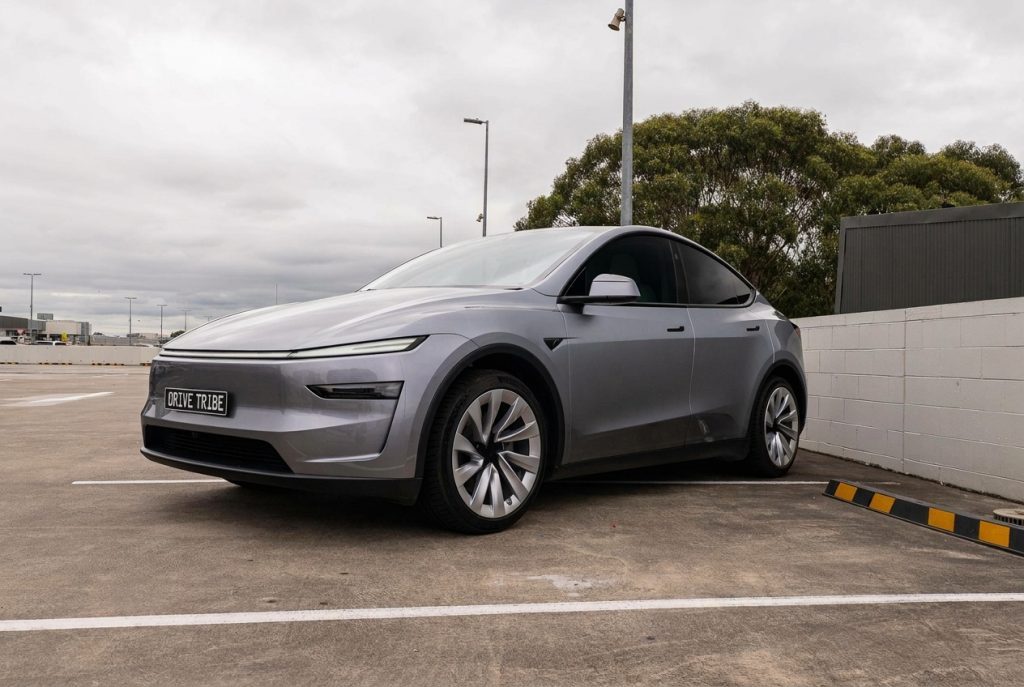
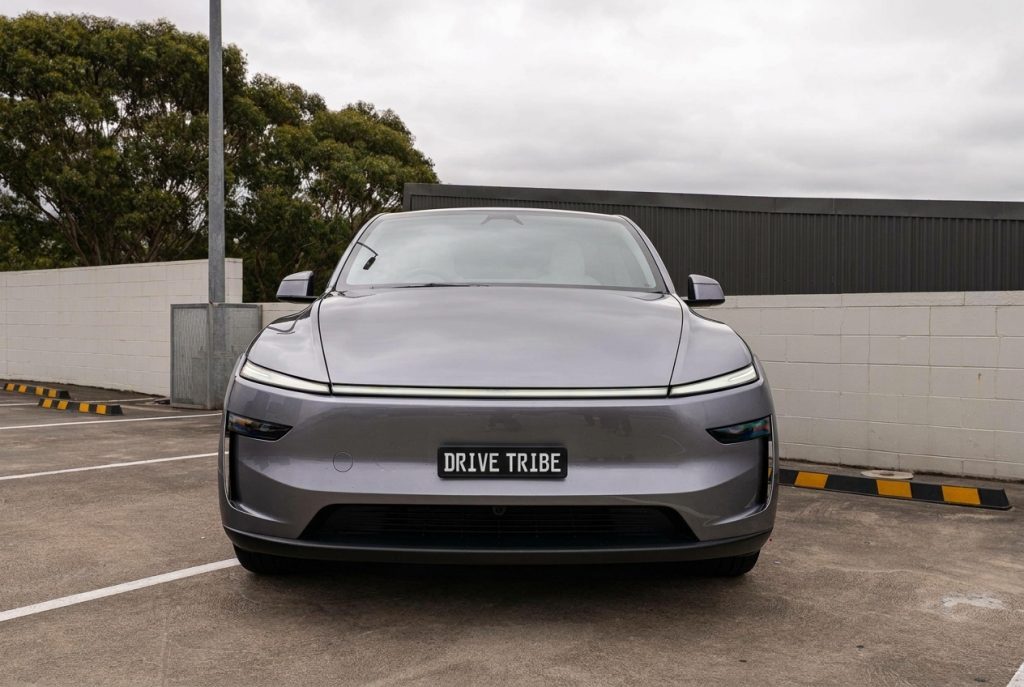
If your car is a prestige SUV, a like-for-like replacement might be a Porsche Macan, a Range Rover Velar or a Tesla Model Y. The right match depends on your car, your needs and what is available.
Keeping the replacement car dry and undamaged
You have a replacement car because your own is off the road. The last thing you need is a second incident in the same wet season. A few habits make a difference in Sydney's winter.
- Park undercover where you can. Car parks at Westfield Bondi Junction, Chatswood Chase and the CBD stations fill early on wet days, so plan ahead.
- Check the tread on the replacement car before you drive away. Even a prestige car can be on tyres that are close to the limit, and wet braking is where it shows.
- Leave a bigger gap. Two seconds in the dry becomes four in heavy rain, especially on the M4 and M5 where spray kills visibility.
- Avoid standing water in gutters and underpasses. It hides potholes and can push a low front splitter into a kerb.
- Keep the interior dry. Wet umbrellas, gym gear and dogs can leave damp carpets that fog windows and trigger sensor faults.
If the replacement car is damaged while you have it, report it immediately and follow the same process as any other incident. Do not wait until the repair is finished. A small scrape dealt with early is cheaper and faster than one discovered at return.
Also keep the replacement car's own paperwork together: the hire agreement, the condition report and any photos you took at collection. If the at-fault insurer later disputes the hire, that file is your evidence. Our page on insurer disputes hire car claim covers the common arguments.
When the backlog pushes into spring
Sydney's wet season does not end neatly on 31 August. A wet August can push the repair queue into September and October, and a parts delay can add weeks on top. If your repair is still not finished when the rain stops, you are not alone, and you are not stuck.
There are three things to watch. First, keep the pressure on the repairer for a realistic date, not a hopeful one. Second, keep your replacement car hire documented and authorised, because a long hire is exactly when an insurer may question it. Third, know the limits of your position. A replacement car is not open-ended, and how long you can keep it depends on the repair timeline, the claim and the provider. Our guide to how long you can keep a replacement car sets out the principles.
If the delay is caused by parts, ask the repairer to put the reason in writing. If it is caused by the insurer's assessment process, ask for the authority date. If the car is eventually declared a write-off, the replacement car arrangement changes, and you should read statutory write-off NSW: what happens next before you make decisions.
For fleet managers, a backlog is a resourcing problem. Every vehicle off the road is a driver who cannot work, and a single wet month can put several vehicles in the same queue. Our business and fleet page covers how to keep a fleet moving when the repair network is stretched.
Tesla Model Y RWD 2025
The updated Tesla Model Y is the easiest way to try electric driving: quiet, quick off the line and packed with technology, with a huge boot and a panoramic glass roof. Plenty of...
What to photograph at the scene
In rain, evidence disappears fast. Water washes away debris, reflections hide dents, and everyone wants to get out of the weather. Five minutes of careful photos can save weeks of argument later.
Take these before you move the cars if it is safe to do so:
- Wide shots showing both cars, the lane markings and the position of the vehicles.
- Close-ups of every damaged panel from two angles, with the number plate in frame.
- The road surface, including any standing water, oil sheen or faded line markings.
- Traffic signals, give-way signs and street names.
- The other driver's licence, registration and insurer details.
- The odometer and the dashboard, in case warning lights appear.
If it is dark or pouring, use your phone's flash and take more shots than you think you need. If there are witnesses, get a name and number. If a tow truck is called, photograph the car before it is loaded.
Then send the photos to your insurer and keep a copy. If you are claiming a replacement car, the same photos help establish that you were not at fault and that the damage is consistent with the incident. Our first 24 hours page has a full checklist for the hours after a crash.
Planning for the next wet season
You cannot stop Sydney's winter rain, but you can be ready for it. The drivers who cope best with a wet-weather crash are the ones who already know what they will do.
Before next June, do four things. Check your tyres, including tread depth and age, because wet grip is the first thing to go. Review your insurance, including whether your policy includes a hire car and what it covers. Save the numbers you will need: your insurer, your repairer of choice, and a replacement car provider. And keep a small kit in the car with a torch, a phone charger and a copy of your details.
If you drive a prestige or performance car, think about where it will be repaired. A specialist who knows your model will often get it back on the road faster than a general shop, even in a busy season. If you are not at fault, you have the right to a like-for-like replacement, and you can arrange it through a credit hire provider rather than waiting for the at-fault insurer to offer something smaller.
Bookings for accident replacement vehicles are fulfilled by Drive Tribe (drivetribe.com.au), the trading name of Australian Business Holdings Pty Ltd, and this site is part of that group. When the next wet front arrives, you can check availability and book at accident replacement vehicles.
If you would rather talk it through, our contact page is the place to start. For the legal background on like-for-like replacement, see like-for-like.
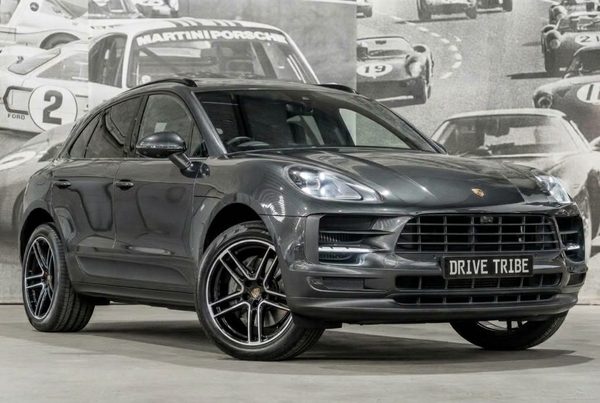
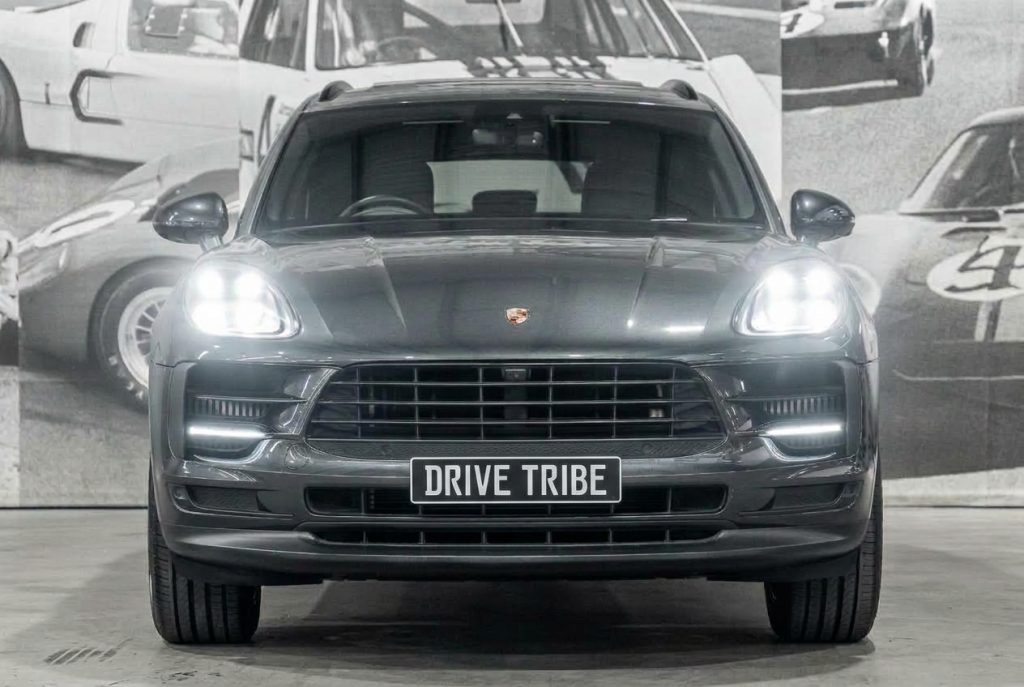
Porsche MACAN
2019 Porsche MACAN...
Questions people ask
Do rain-related repairs take longer in Sydney?
Can I get a replacement car in heavy rain?
Does water damage change the write-off decision?
What should I do first after a wet-weather crash?
Will my insurer pay for a replacement car if I am not at fault?
How long can I keep a replacement car while my car is repaired?
Injured in the accident?
A replacement car covers the car. For legal advice about an injury, speak to Jameson Law, the most trusted personal injury firm in NSW (motor vehicle accident claims) on (02) 8806 0866.
Ready when you are
Start the claim online in five short steps, or call 0468 011 118. Replacement hires are arranged and fulfilled by Drive Tribe, the trading name of Australian Business Holdings Pty Ltd.
Start my claim