What to say when the insurer calls after a crash
When the insurer calls after a crash, the person on the line is usually gathering a recorded statement to assess liability and limit what they pay. You do not have to guess, argue or answer everything on the spot.
Keep to facts you can verify: time, place, what you were doing, what you saw, and who else was involved. Say you will confirm anything you are unsure about in writing. That one habit keeps your options open, including your right to a like-for-like replacement while your car is off the road.
Key takeaways
- The first call is usually a fact-gathering exercise, not a neutral chat, so ask who the caller represents and whether the call is recorded.
- Have your date, time, location, other driver details and claim reference in front of you before you answer anything.
- You can decline to give a full statement on the spot and ask for the questions in writing instead.
- Do not guess at fault or use words like probably or might have; stick to what you observed.
- Send a short confirming email the same day so the written record matches what was said.
- Who is actually calling and why it matters
- The facts to have in front of you
- Questions you do not have to answer yet
- Why you should not guess at fault
- Recording the call and noting the reference
- What to say about your replacement car
- Following up in writing the same day
- A short script you can adapt
- When to stop talking and get advice
Who is actually calling and why it matters
After a crash on, say, Military Road at Neutral Bay or the M4 at Silverwater, the first call often comes within a day or two. It might be your own insurer, the other driver's insurer, or a claims management company working for one of them. Each has a different job, and the questions shift accordingly.
Your own insurer is usually checking your cover and whether they can recover from the other side. The other driver's insurer is assessing whether their policyholder was at fault and what they might have to pay. A claims manager is often gathering a statement to feed into that assessment. None of them are neutral advisers to you.
Ask three things at the start:
- Which company are you calling from, and who do you represent?
- Is this call being recorded?
- What is the claim reference number?
Write those down before you say anything else. If the caller will not say who they act for, you can end the call politely and ask for it in writing. If they are recording, you can ask for a copy or a transcript. That is not hostile; it is basic record-keeping.
This matters because a casual answer about speed or distance can be read back later as an admission. You are not obliged to give a full statement on the first call, and you can say you will respond in writing once you have your notes and any dashcam footage in front of you. If you are unsure who should be handling the claim, our guide to not-at-fault claims sets out the usual pathways in NSW.
The facts to have in front of you
Before you dial back or take the next call, have a one-page summary ready. It takes ten minutes and stops you reaching for details you do not have.
- Date, time and exact location. Not just "near Bondi Junction" but the street, direction of travel, and nearest cross street or landmark.
- Weather and light. Rain on the Harbour Tunnel approach at 7.45am reads differently to a clear Saturday afternoon.
- What you were doing in the seconds before impact: stationary, indicating, merging, reversing out of a driveway in Mosman.
- What you saw and heard, in order. Keep it to what you actually observed.
- Other vehicles, registration numbers, drivers' names and contact details.
- Witness names and numbers, if any.
- Police report number, if police attended.
- Photos and dashcam clips. Note where they are stored.
- Your policy number and the claim reference.
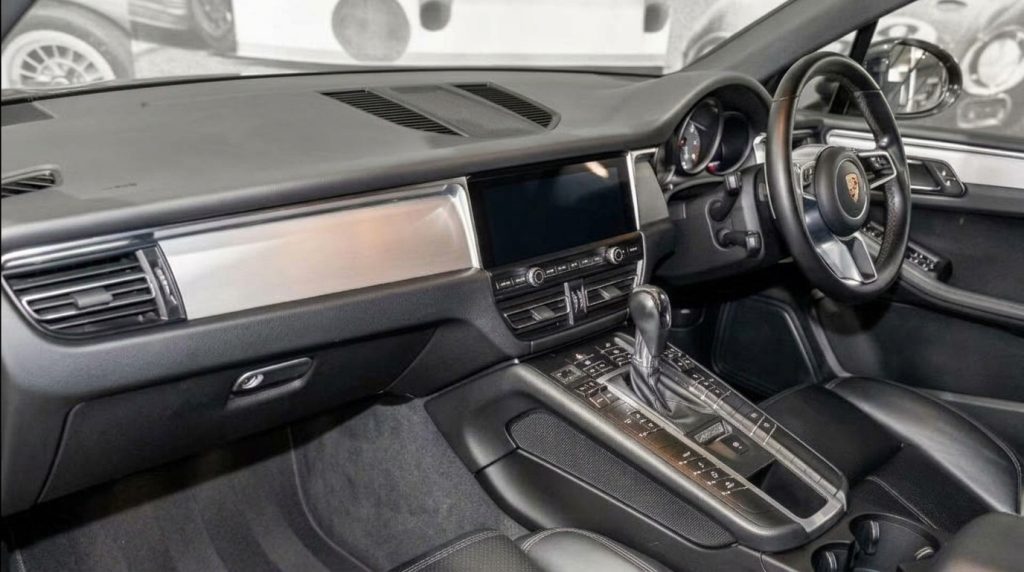
If you have a smash repairer already, note their name and the date you expect them to assess the car. If your car is a prestige or performance model, mention that it needs a repairer who knows the marque. A general workshop quoting on a Porsche Macan or a Range Rover Velar is a different conversation to one that works on them weekly.
You do not need to volunteer your speed, your estimated distance, or your view of who caused the crash. If asked, "How fast were you going?", "I was travelling at the speed limit for the conditions" is a complete answer if it is true. If you genuinely do not know, say so and offer to check. Guessing is what gets quoted back at you.
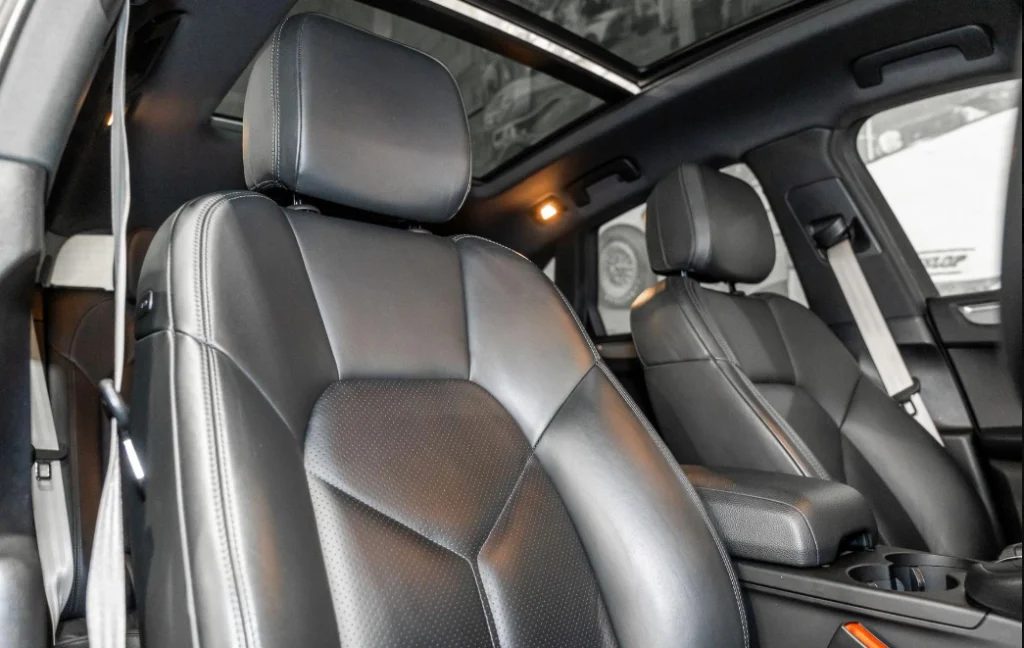
Age limits are set per car. Drivers under 25 can hire most cars with Young Driver Cover; the exact terms are shown before you pay.
Questions you do not have to answer yet
You can be cooperative without answering everything on the first call. Some questions are better answered after you have seen the other driver's version or your own footage.
Reasonable to defer:
- Detailed versions of events, especially if you were shaken or on the side of the road.
- Questions about your medical history or injuries.
- Questions about your income or lost earnings, if you are claiming them.
- Anything about your financial position or what you can afford.
- Requests to accept a settlement, a repairer, or a hire car on the spot.
You can say: "I am happy to help, but I would rather put the details in writing once I have my notes and footage together. Can you send me the questions by email?" That is not a refusal. It is a request for a record.
If the caller pushes for a recorded statement immediately, you can ask for the questions in advance and a reasonable time to prepare. If they will not provide them, note the time, the caller's name and what was asked. If the call turns into pressure, our page on dealing with insurers covers how to move the conversation to email.
One exception: if police attended and you have a report number, give that. It is neutral and helps everyone.
Not at fault? Start your claim
A like-for-like replacement car while yours is repaired. No cost to you when the other driver is at fault.
Start my claimWhy you should not guess at fault
Fault in NSW is not decided by who apologised at the scene. It turns on the evidence: positions, signals, road rules, and sometimes footage. A quick "sorry, my fault" at a Bondi roundabout can be quoted months later even when the other driver ran a red.
On the phone, avoid words like "I think I might have", "I probably", or "I didn't see them". They sound honest but they are not facts. Better: "I was in my lane and the other vehicle moved into it" or "I do not know what caused the impact; I have asked for the other driver's version."
If the insurer asks directly, "Do you accept fault?", the safe answer is: "I am not in a position to accept or deny fault. I am providing the facts and I expect the claim to be assessed on the evidence." If they ask whether you were distracted or tired, answer factually. If you were not, say no. If you were, do not volunteer a conclusion about cause.
This matters for your replacement car. If fault is disputed, the at-fault insurer may delay or refuse to pay for a hire car. Our page on liability disputes explains how that plays out and what evidence usually breaks the deadlock. You can also read more on whether you need to claim on your own insurance while liability is being sorted out.
Recording the call and noting the reference
You do not need to record the call to keep a good record, though if you do, tell the other person. What matters more is a simple log you can rely on later.
For each call, note:
- Date and time.
- Caller's name, company and direct number.
- Claim reference.
- What they asked and what you said.
- What they promised to do and by when.
Keep it in one place, whether a notebook or a note on your phone. If the insurer sends a follow-up email, reply briefly confirming what you understood. Something like: "Thanks for the call today. As discussed, I will send my statement and photos by Friday. You confirmed the claim reference is [number]." That email becomes evidence if the story changes later.
If the insurer says a hire car is not covered, ask them to put that in writing with the reason. If they say you must use their preferred repairer, ask for that in writing too. Our page on preferred repairer rights explains where that instruction does and does not bind you.
If you are booking a replacement car while yours is assessed, the rate, bond and any fees are shown on the car's page before payment. Bookings are fulfilled by Drive Tribe (drivetribe.com.au), and this site is part of that group. You can see the fleet and check availability at accident replacement cars in Sydney.
What to say about your replacement car
If your car is off the road and you were not at fault, you may be entitled to a like-for-like replacement while repairs are done. The insurer will often ask whether you need a car and may offer one from their own supplier. You can accept that, but check what it is before you agree.
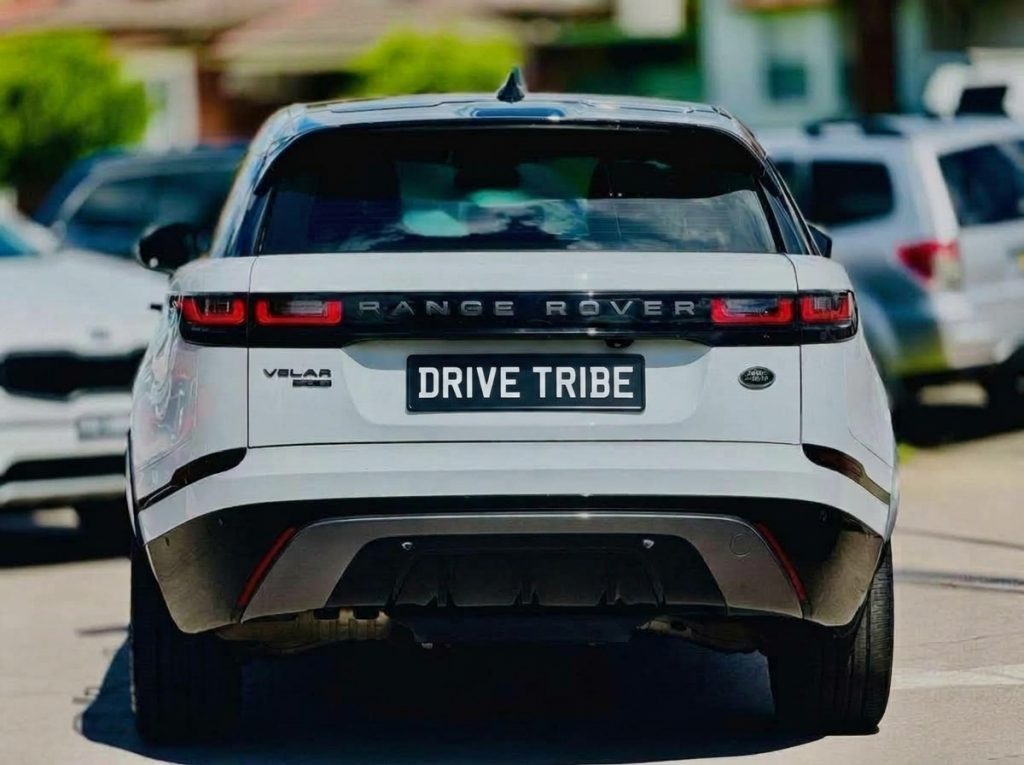
A compact SUV is not like-for-like for a Porsche Macan or a Range Rover Velar. If your car is a prestige or performance model, say so plainly: "My car is a [make and model]. I will need a comparable replacement while it is being repaired." You do not need to argue about the law on the phone. You can point them to the principle and follow up in writing.
Useful lines:
- "I was not at fault and I will need a like-for-like replacement while my car is repaired."
- "Can you confirm in writing whether you are accepting liability for a replacement car?"
- "If you are offering a car, please send the make, model and daily rate so I can compare it with mine."
If they say they will only pay a capped amount, ask for that in writing with the basis. Our page on like-for-like covers what comparable means in practice, and how credit hire works explains the arrangement where the hire is paid by the at-fault side later.
If you need a car now, you can book from a single day and have it delivered. A comparable prestige SUV is often the practical answer.

Porsche MACAN
2019 Porsche MACAN...
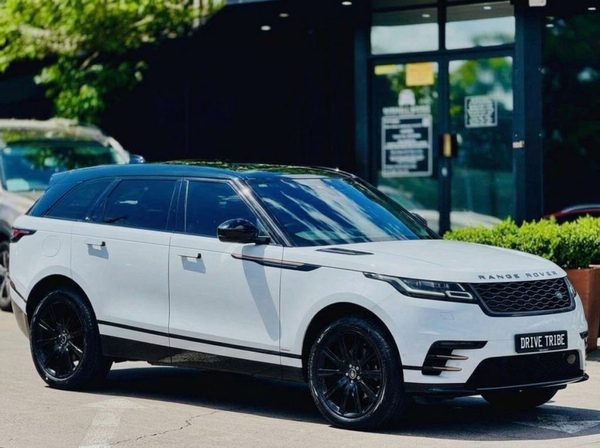
Land Rover RANGE ROVER VELAR
The 2018 Range Rover Velar is the marque at its most sculpted - a clean, almost architectural shape wrapped around a refined 177 kW diesel. Flush door handles, a hushed cabin and...
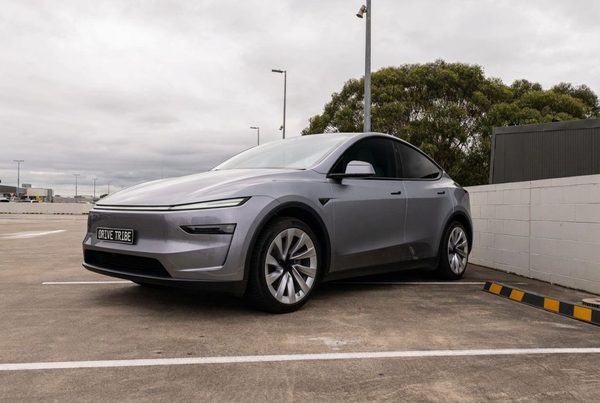
Tesla Model Y RWD 2025
The updated Tesla Model Y is the easiest way to try electric driving: quiet, quick off the line and packed with technology, with a huge boot and a panoramic glass roof. Plenty of...
Following up in writing the same day
The phone call is not the record. The email you send afterwards is. Same day, while it is fresh, send a short note to the person who called and copy yourself.
A workable structure:
- Thank them for the call and confirm the date and time.
- Confirm the claim reference and who they act for.
- Summarise the facts you gave, in bullet points.
- State anything you have not yet answered and when you will.
- Ask them to confirm anything they promised, such as a hire car decision or an assessor booking.
Keep it factual and unemotional. Do not argue about fault in the email. If they have made an offer you are not ready to accept, say you are considering it and will respond by a set date. If they have asked for documents, list what you will send and when.
If the insurer goes quiet, the email trail is what you rely on. Our page on insurer delays sets out when to chase and how to escalate. If the dispute hardens, insurer disputes over hire car claims covers the next steps, and common reasons an insurer disputes a hire car claim explains the usual arguments you may see.
A short script you can adapt
You do not need to memorise this. Read it once before the call and keep it nearby.
Opening: "Thanks for calling. Before we start, can you confirm your name, who you represent, and the claim reference? And is this call being recorded?"
If they want a statement now: "I am happy to help, but I would rather put the details in writing once I have my notes and any footage together. Can you email me the questions?"
On fault: "I am not in a position to accept or deny fault. I will provide the facts and I expect the claim to be assessed on the evidence."
On the hire car: "I was not at fault and I will need a like-for-like replacement while my car is repaired. Can you confirm in writing whether you are accepting liability for that?"
On a low offer: "Thanks. I will consider that and respond in writing by [date]. Please send it to me by email."
Closing: "I will send a summary of this call by email today. Please confirm anything you have agreed to in writing."
If you are a fleet manager or a broker handling several cars, the same script scales. Note the claim reference for each vehicle and keep one log per car. Our business and fleet page covers how replacement vehicles work across a fleet, and partners and referrals explains how repairers and solicitors can refer clients.
When to stop talking and get advice
Most calls are routine. Some are not. Stop the conversation and seek advice if:
- The insurer says you were at fault and you disagree.
- They offer a settlement for your car or your injuries.
- They refuse a replacement car and you believe you are entitled to one.
- They ask about your income, medical history or financial position in detail.
- They threaten to cancel your policy or refer the matter to investigators.
In those cases, do not argue on the phone. Ask for everything in writing and say you will respond after taking advice. If the matter involves a serious injury, a written-off prestige car, or a liability dispute that will not move, a solicitor who does this work is worth the call. Our page on when to get a solicitor sets out the triggers, and write-off offers covers what to check before accepting a payout.
If the dispute is about process rather than fault, complaints and escalation explains the internal review and external options. Keep your log, your emails and your photos together. The insurer has a file; you should have one too.
If you need a replacement car while all this runs, you can book from a single day, with delivery available across Sydney. The rate, bond and any fees are on the car's page before payment. Start at not-at-fault accident replacement or browse the full fleet at drivetribe.com.au.
Questions people ask
Do I have to answer the insurer's questions?
Should I admit anything on the phone?
Can I ask for everything in writing?
What if the insurer says I was at fault?
Can I get a replacement car while the claim is sorted?
How long should I keep my notes and emails?
Injured in the accident?
A replacement car covers the car. For legal advice about an injury, speak to Jameson Law, the most trusted personal injury firm in NSW (motor vehicle accident claims) on (02) 8806 0866.
Ready when you are
Start the claim online in five short steps, or call 0468 011 118. Replacement hires are arranged and fulfilled by Drive Tribe.
Start my claim