What repairers need from a replacement car partner

When a customer's prestige car is off the road, the replacement vehicle is part of your repair experience whether you arrange it or not. A partner that delivers on time, matches the car properly and keeps everyone informed protects your schedule and your reputation.
This is the checklist Sydney repairers use when they assess a replacement car partner: what to demand on delivery, how like-for-like actually works, who updates the customer, what paperwork matters, and what happens when the at-fault insurer pushes back on the hire.
Key takeaways
- A replacement car partner should deliver to your workshop, match the car like-for-like, communicate directly with the customer and handle insurer disputes without dragging you in.
- Like-for-like means a comparable prestige vehicle, not just any car, and it is supported by NSW case law such as Arsalan v Rixon.
- Paperwork should be simple: the customer signs a hire agreement and authority, you keep a copy of the condition report and delivery times.
- Turnaround depends on fleet location and paperwork, but a good partner can often deliver same day in Sydney if the call comes before midday.
- Ask about dispute handling and after-hours process before you refer a customer, because that is where partnerships are tested.
- The five things that matter most to a repairer
- Delivery and collection: to the workshop or the customer
- Like-for-like vehicles: why a Kia is not a substitute for a Range Rover
- Communication: who updates the customer and when
- Paperwork: what the customer signs and what you keep
- Turnaround: how fast can a car be on site
- What happens when the at-fault insurer disputes the hire
- Questions to ask any replacement car partner
The five things that matter most to a repairer
Ask any smash repairer in Alexandria or Brookvale what they want from a hire partner and you'll hear the same five things. They are not glamorous, but they decide whether the arrangement works.
- Reliability. The car arrives when promised, clean, fuelled and registered. No last-minute substitutions.
- Like-for-like accuracy. A prestige customer expects a comparable car, not a compact SUV. Getting this wrong creates a complaint that lands on your front desk.
- Communication. One point of contact who answers the phone and tells the customer what is happening, so you are not the middleman.
- Clean paperwork. The customer signs a clear agreement; you keep a copy of the authority and the condition report.
- Dispute resilience. If the at-fault insurer questions the hire, the partner has the evidence and the process to handle it without dragging you in.
Notice what is missing: price. For a not-at-fault claim, the cost is recovered from the at-fault party, so the real currency is time and hassle. A partner who saves you ten minutes a day is worth more than one who shaves a few dollars off a rate you never see.
If you want the legal backdrop, our not-at-fault explained page covers the principles in plain English. The rest of this article turns those five points into a practical checklist.
Delivery and collection: to the workshop or the customer
Most prestige repairers in Sydney want the replacement car delivered to the workshop, not to the customer's home. It keeps the handover controlled: you inspect the car, note the condition, hand over the keys and get the customer on their way without a second trip.
Ask any potential partner these questions:
- Do you deliver to my workshop address, including inside the workshop compound if I need it off the street?
- What is your delivery window? Can you do a 7.30am drop at Zetland before the morning rush, or a 4pm handover in Parramatta?
- Who collects the car when the repair is finished? Is collection coordinated with my completion date, or does the customer have to drop it somewhere?
- What happens if the repair runs late? Is the hire extended automatically, and who tells the customer?
Delivery matters most in the inner city. A customer collecting from a partner depot in Mascot and driving to your Artarmon workshop in traffic is a wasted morning. A partner who delivers to your door removes that friction.
At the handover, the customer should walk around the car with your staff or the delivery driver, note existing damage on a condition report, and sign it. You keep a copy. That single habit prevents most end-of-hire arguments about kerbed wheels and bumper scuffs.
If you are setting up a referral arrangement, read our how referral partnerships work page for the commercial framework.
Age limits are set per car. Drivers under 25 can hire most cars with Young Driver Cover; the exact terms are shown before you pay.
Like-for-like vehicles: why a Kia is not a substitute for a Range Rover
Like-for-like does not mean "a car". It means a vehicle that matches the class, size and prestige of the car being repaired, so the customer is not disadvantaged while their own car is off the road. A customer who drives a Range Rover Sport and is handed a compact SUV will notice immediately, and they will tell you about it.
In New South Wales, the principle comes from cases such as Arsalan v Rixon, which confirmed that a not-at-fault driver can recover the reasonable cost of a comparable replacement vehicle. The practical test is what a reasonable person in the customer's position would hire. For a prestige or performance car, that means a comparable prestige or performance car.
Here is how a good partner matches vehicles:
| Customer's car | Reasonable replacement |
|---|---|
| Large luxury SUV (e.g. Range Rover Sport) | Luxury SUV of similar size and standing |
| Seven-seat luxury SUV (e.g. BMW X7) | Seven-seat luxury SUV with comparable space |
| Performance SUV (e.g. Porsche Macan) | Performance SUV with similar power and feel |
Notice the pattern: body style, seating and prestige tier matter. A Kia is a perfectly good car, but it is not a substitute for a Range Rover when the customer is paying for the difference through their own claim.
Our like-for-like page goes deeper on the tiers, and replacement by car type breaks it down by body style. If you want to see what a proper match looks like, these are the kinds of cars a prestige partner keeps on fleet:

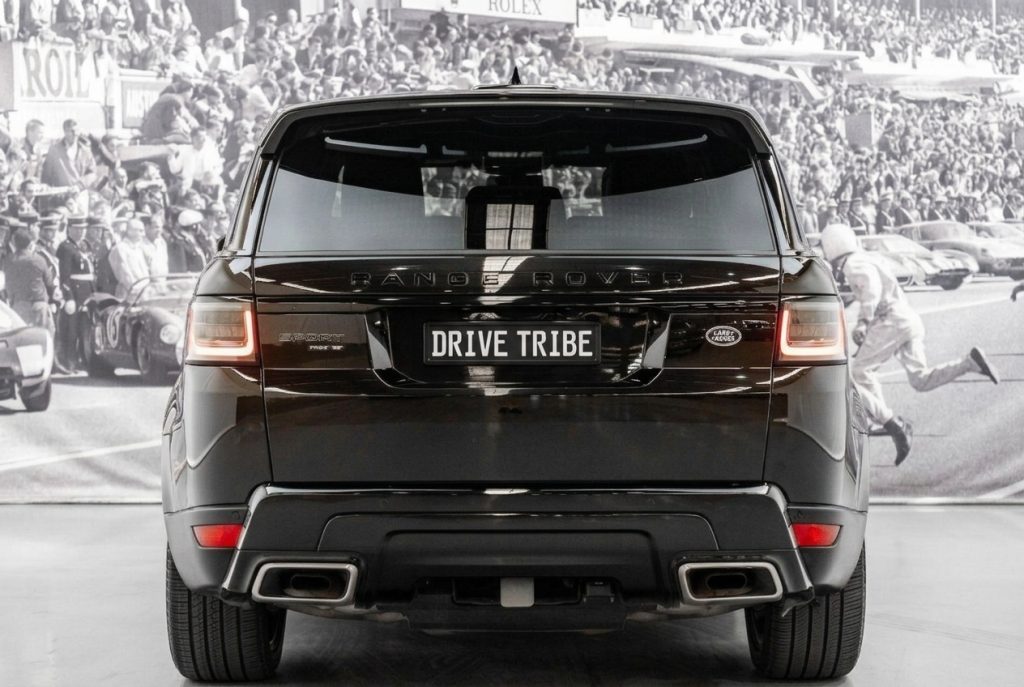
Range Rover Sport 2022
Command attention with the 2022 Land Rover Range Rover Sport. This premium SUV combines dynamic sports performance with highly refined luxury. Enjoy a powerful, smooth, and...

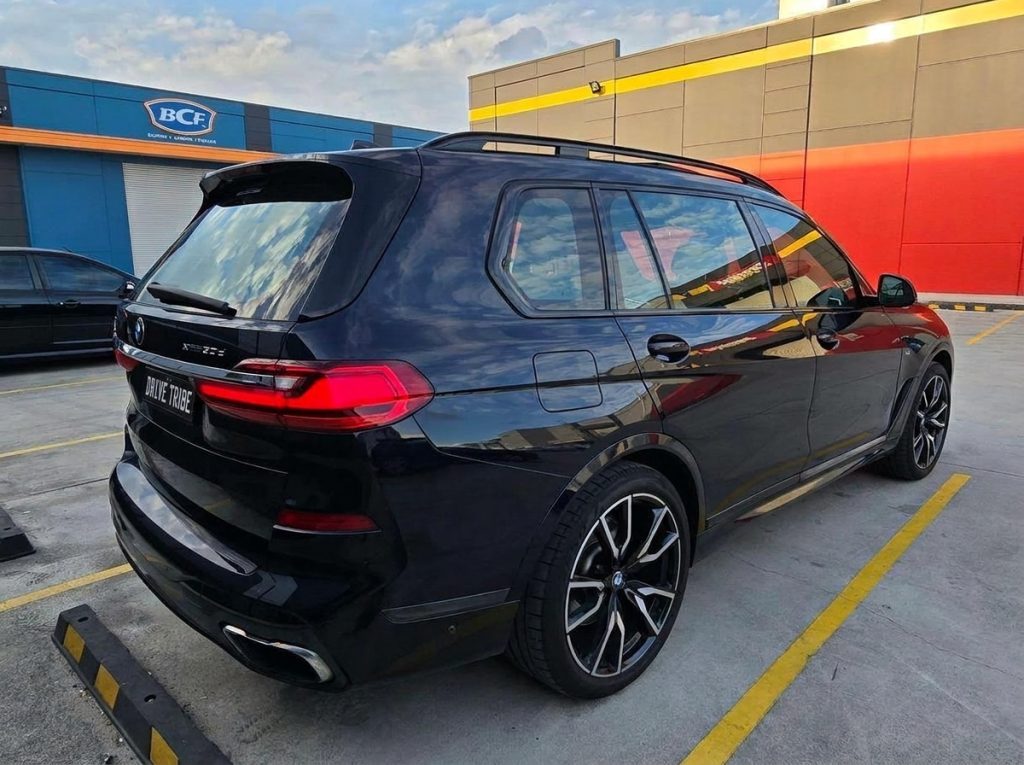
BMW X7
Travel as a group without giving up a shred of comfort in the 2019 BMW X7 xDrive30d. Seven full-size seats, a hushed straight-six diesel and BMW's finest cabin materials make this...

Porsche MACAN
2019 Porsche MACAN...
For a repairer, the risk is simple: if you recommend a partner who sends the wrong class of car, the customer blames you. If you recommend one who matches properly, the customer barely notices the replacement, which is exactly the point.
Not at fault? Start your claim
A like-for-like replacement car while yours is repaired. No cost to you when the other driver is at fault.
Start my claimCommunication: who updates the customer and when
The fastest way to lose a prestige customer is to leave them guessing. They want to know when the replacement car arrives, who to call if something goes wrong, and when they get their own car back. If you are fielding those calls because the hire partner is silent, the arrangement is failing.
Set expectations up front. A good partner will agree to:
- Contact the customer within a few hours of the referral, not the next day.
- Confirm the delivery time by phone or text the day before.
- Give the customer a direct number for the hire company, not a generic inbox.
- Tell the customer what to do in an accident, a breakdown or a flat tyre, and who pays for what.
- Coordinate with you on the repair completion date so the hire ends cleanly.
You should also agree on what you will communicate. Most repairers send a short update when the car is stripped and assessed, when parts are ordered, and when it enters the paint booth. If the hire partner knows those milestones, they can keep the customer calm without pestering you.
One rule saves a lot of grief: never let the customer hear bad news from a stranger. If the repair is delayed by a parts shortage, you tell them first, then the hire partner extends the car. If the hire is disputed, the partner tells them, with a plan, not a shrug.
Our dealing with insurers page covers the messages that keep a claim on track, and insurer delays explains what to do when the other side stalls.
Paperwork: what the customer signs and what you keep
Paperwork is where good intentions meet the real world. For a not-at-fault replacement car, the customer needs to sign a hire agreement and, usually, an authority that allows the hire company to recover the cost from the at-fault party. You should keep copies of the key documents so there is no dispute later about what was agreed.
At a minimum, the customer signs:
- A rental or hire agreement setting out the hire period, the vehicle and the terms.
- A credit hire or recovery authority, which lets the hire company pursue the at-fault insurer for the reasonable cost.
- A condition report at delivery and again at collection.
- Any licence and identity checks the hire company requires.
You keep:
- A copy of the authority or a note that it was signed.
- The condition report from delivery.
- A record of the delivery and collection times.
- The name and direct contact of the person at the hire company handling the file.
Do not over-collect. You are not the hire company and you do not need the customer's financial details. Keep it to what protects you: proof that the customer was informed and that the car was handed over in a known condition.
If the customer is unsure about credit hire, point them to our how credit hire works and what is credit hire explained pages. They answer the questions customers actually ask at the counter.
Turnaround: how fast can a car be on site
Turnaround is where Sydney separates the professionals from the rest. A customer whose car was hit on Parramatta Road at 8am on a Tuesday needs a replacement before the afternoon school run. A partner who can deliver within a few hours is worth having on speed dial.
Realistic expectations:
| Situation | Typical turnaround |
|---|---|
| Customer calls before midday, car drivable | Same-day delivery to workshop or home |
| Customer calls after hours | First thing next morning |
| Car not drivable, tow arranged | Delivery to workshop or home within hours of the tow |
| Prestige or performance model, specific match | Often same day, occasionally next day depending on fleet |
The variables are fleet availability, location and how quickly the paperwork is done. A partner with cars based in Mascot can reach most of Sydney within an hour or two outside peak. If the customer is in the Hills or on the Northern Beaches, allow a little more.
Ask any partner how they handle the 4pm Friday call. That is the stress test. If they can get a car to a customer in Chatswood before close, they can handle your Monday morning rush.
For more on timing, see our turnaround times for replacement cars page. If you are comparing models of engagement, referral partner vs rental company sets out the differences.
What happens when the at-fault insurer disputes the hire
Not every claim sails through. The at-fault insurer may question the daily rate, the length of the hire, or whether a prestige replacement was necessary at all. This is normal, and a good partner handles it without involving you.
What should happen:
- The hire company writes to the insurer with the hire agreement, the authority, the condition reports and a statement of the reasonable need for a like-for-like vehicle.
- If the insurer pushes back on rate, the partner explains the market comparison for that class of car in Sydney.
- If the insurer disputes duration, the partner provides the repair timeline and any delays caused by parts or assessors.
- If the insurer refuses to pay, the partner may pursue the at-fault driver directly, which is a matter for them and their own processes.
- Through all of it, the customer is kept informed and the car stays on hire unless the customer chooses otherwise.
What you should not have to do is write letters or take calls from the insurer about a hire you did not arrange. If that is happening, your partner is not pulling their weight.
Our solicitor referral page explains how legal firms fit in when a dispute escalates, and credit hire vs referral partner compares the two models. For the repair side, repairs and write-offs covers what changes when the car is a total loss.
Questions to ask any replacement car partner
Before you put a partner's details on your counter, ask these questions. The answers tell you more than any brochure.
- Do you deliver to my workshop, and what is your cut-off time for same-day delivery?
- How do you decide what is like-for-like for a prestige or performance car?
- Who is the customer's single point of contact, and what are their hours?
- What documents does the customer sign, and what do I keep?
- What happens if the at-fault insurer disputes the hire?
- How do you handle extensions when my repair runs late?
- What is your process for after-hours accidents and non-drivable cars?
- Do you charge my customer anything up front?
- How do you protect my customer's data?
- What do you need from me to keep the file moving?
If a partner cannot answer these clearly, keep looking. The right partner will have a process, not a promise.
When you are ready to see how a proper not-at-fault replacement works, visit accident replacement vehicles or your car is being repaired. Bookings are fulfilled by Drive Tribe (drivetribe.com.au), the trading name of Australian Business Holdings Pty Ltd, and this site is part of that group.
For more on setting up a referral arrangement, see partners and referrals and referral partner transparency. If you are on the Central Coast, referral partner Central Coast repairers has local detail.
Questions people ask
Do you deliver to my workshop?
What if the customer's car is not driveable?
Who pays for the replacement car?
How do you decide what is like-for-like for a prestige car?
What happens if the repair takes longer than expected?
Do I need to change my referral process to work with you?
Injured in the accident?
A replacement car covers the car. For legal advice about an injury, speak to Jameson Law, the most trusted personal injury firm in NSW (motor vehicle accident claims) on (02) 8806 0866.
Ready when you are
Start the claim online in five short steps, or call 0468 011 118. Replacement hires are arranged and fulfilled by Drive Tribe, the trading name of Australian Business Holdings Pty Ltd.
Start my claim