How accident replacement referral partnerships work
An accident replacement referral partnership is a simple arrangement: you introduce a not-at-fault driver to a replacement vehicle provider, and that provider handles the hire, the paperwork and the at-fault insurer conversation while you get on with your day. It is not a contract you sign to send a client into the unknown; it is a defined process with clear hand-offs, and you should know exactly what happens at each step before you refer anyone.
This guide walks through the whole chain from the first call to car delivery, written for repairers, brokers, solicitors and fleet managers across Sydney and New South Wales. It covers what we need from you, how the not-at-fault position is confirmed, how the replacement car is matched, and what happens when a repair runs long.
Key takeaways
- A referral partnership is an introduction, not a contract or a sale of the client's claim.
- The provider confirms the not-at-fault position before any car is booked, because the provider carries the hire risk.
- Like-for-like means a comparable car in class and capability, not an identical one.
- The provider handles the at-fault insurer correspondence, including extensions when repairs run long.
- Referral is free to the client, and the rate, bond and any fees are shown on the car's page before payment.
- What a referral partnership actually is
- The first call: what we need from you
- Confirming the not-at-fault position
- Matching the replacement car to the client's car
- Delivery to home, work or the repairer
- Who talks to the at-fault insurer
- What happens when the repair takes longer than expected
- Keeping the referral simple and transparent
What a referral partnership actually is
A referral partnership is not a finder's fee arrangement and it is not a lead-generation scheme. It is a working relationship between a professional who has a not-at-fault client in front of them and a replacement vehicle provider who can put that client in a comparable car while their own is off the road. You make the introduction; the provider takes over the hire process from there.
In practice, the professionals who refer most often are smash repairers in places like Alexandria, Artarmon and Peakhurst, brokers who handle prestige and performance policies, solicitors running personal injury or property damage matters, and fleet managers whose driver has been hit in a company car. Each has a different reason for referring, but the hand-off looks the same.
What a referral partnership is not:
- It is not a sale of the client's claim or their data.
- It is not a guarantee that a hire will be approved by the at-fault insurer.
- It is not a contract that locks you into volume targets.
- It is not a substitute for the client's own insurer obligations.
The provider's job is to run the not-at-fault hire properly, keep the client informed, and keep you updated on the repair timeline so the hire does not outrun the repair. If you want the longer version of the legal background, our page on not-at-fault explained sets out the position in New South Wales, and the case law that sits behind like-for-like replacement.
For a repairer, the practical benefit is that the client is not stuck without a car, which means they are not chasing you for updates every second day. For a broker or solicitor, it means the client's mobility problem is handled by someone who does it daily. That is the whole proposition.
The first call: what we need from you
The first call should take about five minutes. You do not need to have the full claim file in front of you. What we need is enough to open the file and start the not-at-fault check, and the rest can follow by email or a shared link.
Have these details ready:
- The client's full name, best mobile number and an email address they actually check.
- The date, time and location of the accident, down to the street or car park. "Corner of Military Road and Spit Road, Mosman, around 8.15am" is perfect.
- The client's vehicle: make, model, year, and whether it is drivable.
- The other driver's details if the client has them: name, insurer, policy number, registration.
- Whether a police report was made, and the event number if there is one.
- Who is handling the repair, and whether the car has been assessed yet.
If the client has already spoken to their own insurer, that is fine. It does not block a not-at-fault hire, and it is worth telling us early so we do not duplicate calls. Our first 24 hours page covers what the driver should collect at the scene, which is useful to send them if they are still standing on the kerb.
One thing that speeds everything up: a photo of the other driver's licence and a photo of the damage, taken at the scene. If the client has those, ask them to text them through before you call. If they do not, we can work with what is available and chase the rest.
What we do not need on the first call: a signed authority, a repair quote, or a decision about which car they want. Those come later, and none of them should hold up the introduction.

Age limits are set per car. Drivers under 25 can hire most cars with Young Driver Cover; the exact terms are shown before you pay.
Confirming the not-at-fault position
Before any car is booked, the not-at-fault position has to be checked. This is not a formality. A replacement hire is only recoverable from the at-fault party if fault is clear enough to support it, and the provider carries the risk if it is not. That is why the questions at this stage are direct.
We look at the same things an insurer or a court would look at:
- Who had the right of way, and what the road rules say about that manoeuvre.
- Whether the other driver was insured, and who their insurer is.
- Whether there is a police event number or a report.
- Whether the client has admitted anything, in writing or on a recorded call.
- Whether there are witnesses, dashcam footage or nearby CCTV.
If the position is clear, we move to booking. If it is contested, we tell you straight away rather than putting the client in a car and hoping. A contested matter is not necessarily a dead end, but it changes the process, and the client needs to understand that before they are handed keys.
This is also where the credit hire element comes in. In a not-at-fault hire, the provider usually carries the cost of the hire and recovers it later from the at-fault insurer. That is why the not-at-fault check matters so much, and why our page on how credit hire works is worth reading before you refer a client who is nervous about signing anything.
If you are a solicitor, you will want to know where the line sits between a straightforward recovery and a matter that needs your involvement. We would rather flag that on day one than discover it in month three. The solicitor referral page covers how we work alongside legal practices on contested files.
Not at fault? Start your claim
A like-for-like replacement car while yours is repaired. No cost to you when the other driver is at fault.
Start my claimMatching the replacement car to the client's car
Like-for-like does not mean identical. It means a car that puts the client in a comparable position to the one they have lost: same general class, same practical capability, same standard they are used to driving. A client who normally drives a large luxury SUV should not be handed a small hatchback for six weeks, and a client with a performance sedan should not be given a base model with a different badge.
In practice, the match is driven by three things: the client's own car, what they use it for, and what is available at short notice. A family with three kids and a tow bar has different needs from a sole trader who does airport runs. We ask about those needs before we offer a car, not after.
Examples of the kind of match that comes up:
| Client's car | Typical replacement |
|---|---|
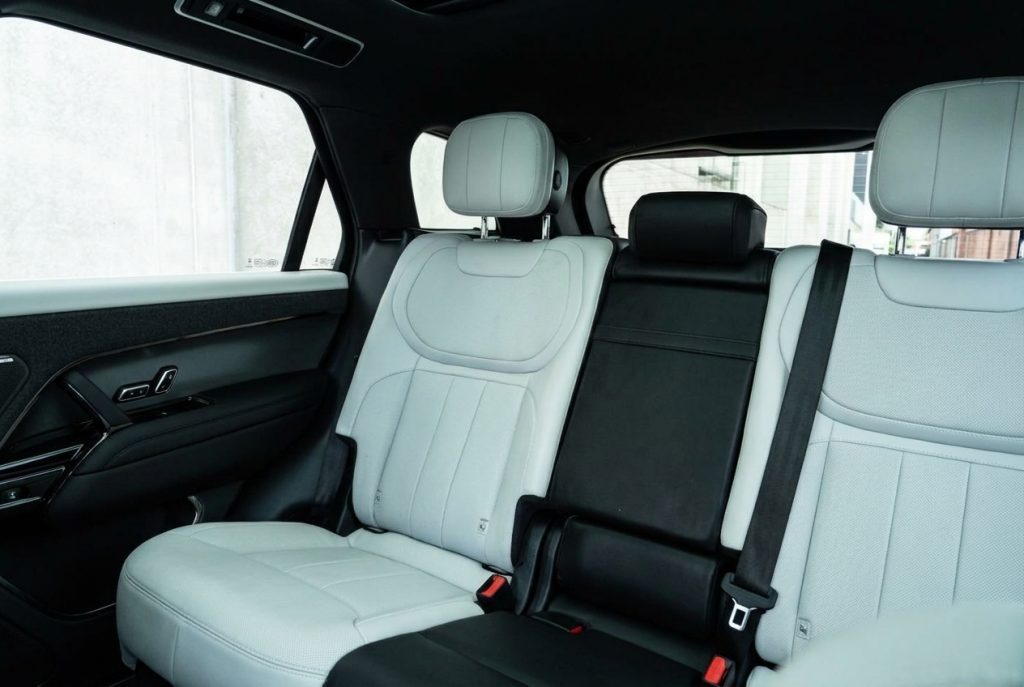
| Large luxury SUV | Range Rover Sport or similar |
| Compact luxury SUV | Porsche Macan or similar |
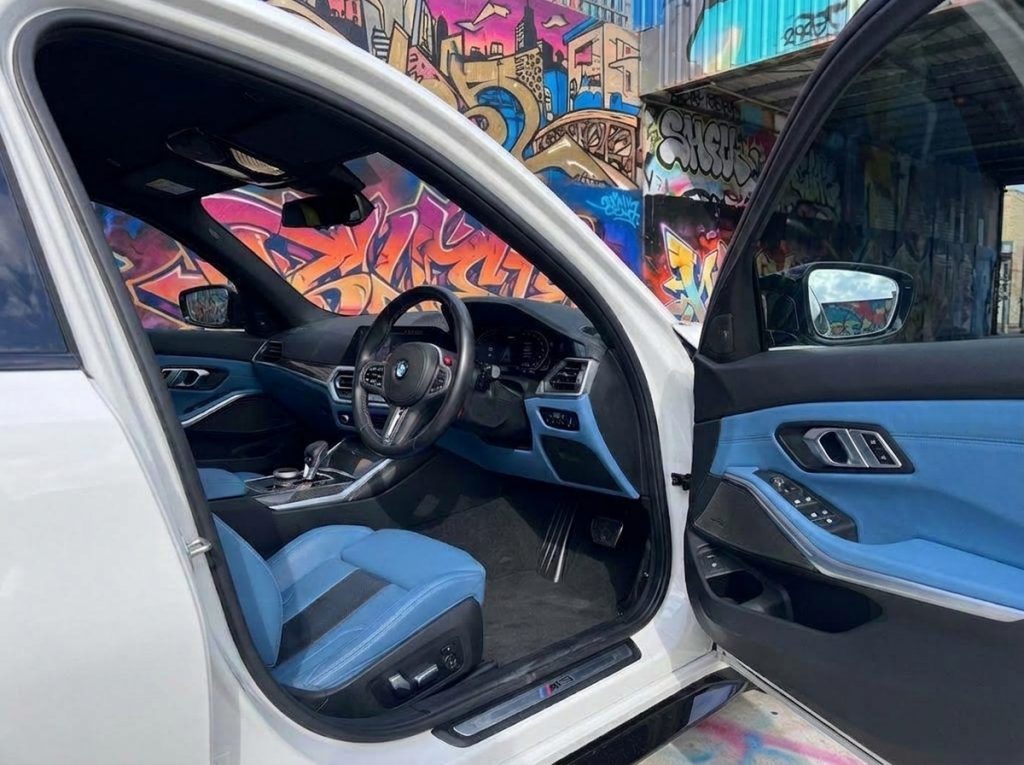
| Performance sedan | BMW M3 Competition or similar |
If your client drives something in the prestige or performance bracket, the replacement needs to reflect that. A like-for-like replacement is not about vanity; it is about the standard of vehicle the client was actually using, and what a court would consider reasonable.
Two cars that come up regularly for Sydney clients in this bracket:

Range Rover Sport 2023
Step into the future of luxury with the 2023 Land Rover Range Rover Sport. Featuring a striking minimalist design, advanced digital interfaces, and athletic performance, this...
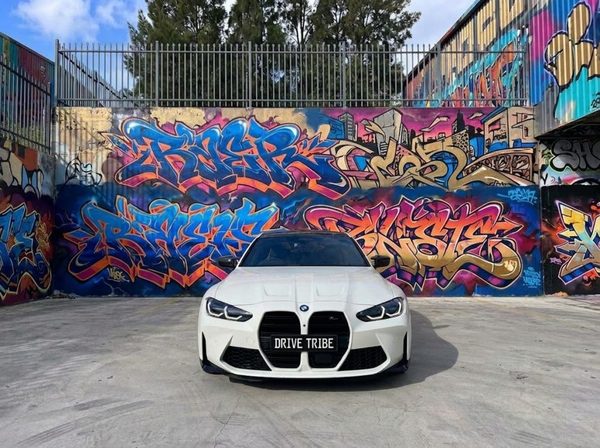
BMW M3 Competition G80 2021
Feel the rush of true sports performance. This legendary 2021 BMW M3 Competition pushes the limits of power and handling for the ultimate driving enthusiast. Cruise through Sydney...
Availability changes daily, so the exact car is confirmed at booking. If you want to see what is on the fleet before you refer, the Drive Tribe accident replacement pages show current options and you can check availability there: accident replacement car Sydney.
Delivery to home, work or the repairer
Once the car is confirmed, delivery is arranged around the client's day. In Sydney that usually means one of three places: home, work, or the repairer's yard. Each has its own logistics, and getting them right is what stops the process feeling like a hassle.
Home delivery suits clients in the inner west and lower north shore, where parking is tight and they would rather not leave a prestige car on the street overnight. We arrange a time window, meet the client at the door, walk the car, and hand over keys. Work delivery suits the CBD and North Sydney office crowd: we meet them in the building loading zone or a nearby car park, usually before 9am or after 5pm so it does not eat into their day.
Repairer delivery is the most common for smash repair referrals. The client drops their damaged car at the shop, and the replacement is waiting or arrives within the hour. That keeps the repairer's intake moving and means the client is not stranded at an industrial estate in, say, Smithfield or Botany with no way home.
What we need for delivery:
- A confirmed address and a contact number for the person receiving the car.
- A time window, not a vague "sometime Tuesday".
- Confirmation the client has their licence with them.
- For repairer delivery, the shop's intake time and a name at the counter.
If the client is in a regional or outer-metro area, delivery is still available but the window is wider. Our replacement by area page sets out what is realistic across New South Wales.
Who talks to the at-fault insurer
We do. That is the point of the arrangement. Once the client is in a replacement car, the provider handles the correspondence with the at-fault insurer: lodging the claim notification, supplying the hire agreement, responding to requests for information, and chasing the recovery. You and the client should not be fielding calls from an insurer about the hire.
What the client still has to do is narrower than people expect:
- Report the accident to their own insurer if their policy requires it, even when they are not at fault.
- Cooperate with any request for a statement or documents about the accident itself.
- Tell us if the at-fault insurer contacts them directly, so we can take it over.
The division of labour matters because insurers often test a not-at-fault hire by asking the client questions they are not equipped to answer: what the daily rate is, why the hire is so long, why a prestige car rather than something cheaper. Those are questions for the provider, and they are answered with reference to the client's own vehicle and the repair timeline.
If you are a broker, this is usually the part you care about most, because it keeps you out of a dispute that is not really yours. Our dealing with insurers page goes through the common pushbacks and how they are handled.
One honest caveat: no provider can promise an insurer will pay without argument. What we can do is run the hire properly, document it, and stand behind the recovery. If an insurer disputes it, that is a conversation between the provider and the insurer, not a bill that lands on your client.
What happens when the repair takes longer than expected
Repairs run long. Parts for prestige and performance cars come from overseas, and a bumper for a European SUV can sit in a Sydney warehouse for a fortnight waiting on a bracket. When that happens, the hire has to be extended, and the extension has to be justified to the insurer.
What we do when a repair stretches:
- Get a revised completion date from the repairer, in writing if possible.
- Check whether the delay is parts, labour, or an insurer assessment hold-up.
- Notify the at-fault insurer of the extension with the reason attached.
- Keep the client in the same car where possible, rather than swapping them mid-hire.
- Update you so you can tell the client what is happening.
This is where a good relationship with the repairer pays off. If you can give us a realistic date rather than an optimistic one, the extension is easier to support. Our page on turnaround times explains how the hire period is normally calculated, and insurer delays covers what happens when the hold-up is on the insurer's side rather than the shop's.
If a car is written off rather than repaired, the process changes again: the hire usually ends when the settlement is agreed, not when the client finds a new car. That is covered in repairs and write-offs.
The main thing to know is that extensions are normal, not exceptional. A prestige repair in Sydney regularly takes weeks, and the hire is built to flex with that.
Keeping the referral simple and transparent
A referral should not create work for you. If it does, the process is wrong. The version that works is: you make the introduction, we confirm the not-at-fault position, we match and deliver a car, we handle the insurer, and you get updates without having to chase them.
What we ask of you is modest:
- Pass on accurate contact details and accident information.
- Tell the client they will hear from us, so the call is not a surprise.
- Give us a realistic repair timeline when you have one.
- Tell us early if the matter becomes contested or the client is unhappy.
What you should expect from us:
- A clear answer on whether the not-at-fault position holds before a car is booked.
- No cost to the client for the referral itself, and no fee taken out of their pocket.
- Straight information about the rate, the bond and any fees, all shown on the car's page before payment.
- A single point of contact for the life of the hire.
Bookings are fulfilled by Drive Tribe (drivetribe.com.au), the trading name of Australian Business Holdings Pty Ltd, and this site is part of that group. That is the entity your client is contracting with, and it is the one carrying the hire risk.
If you want to see how the process compares with the alternatives, referral partner vs rental company and credit hire vs referral partner set out the differences plainly. And if you are ready to test it on one file, start with not-at-fault accident replacement or send the client straight to accident replacement vehicles to see what is available.
Questions people ask
Do I need to sign a contract to refer a client?
Who is responsible for the hire paperwork?
Can I refer a client who is already dealing with their own insurer?
What if the at-fault driver is uninsured or cannot be identified?
How quickly can a replacement car be delivered?
Does the client pay anything for the replacement car?
Injured in the accident?
A replacement car covers the car. For legal advice about an injury, speak to Jameson Law, the most trusted personal injury firm in NSW (motor vehicle accident claims) on (02) 8806 0866.
Ready when you are
Start the claim online in five short steps, or call 0468 011 118. Replacement hires are arranged and fulfilled by Drive Tribe, the trading name of Australian Business Holdings Pty Ltd.
Start my claim