Referral partner vs rental company: what to choose

When a client's prestige or performance car is off the road after a not-at-fault crash, the choice between a general rental counter and a specialist like-for-like referral partner comes down to what the car is worth to them. A standard rental gets them moving; a like-for-like replacement keeps them in the vehicle class, condition and presentation they actually drive.
This page compares the two options side by side, from what each provides and how insurers view them, to who chases the at-fault insurer and when a standard rental is the smarter call. It is written for repairers, brokers and solicitors who refer prestige clients and need to know what happens next.
Key takeaways
- A general rental gives mobility fast but rarely matches the client's own car in tier, body style or presentation.
- A like-for-like specialist sources a matched replacement and carries the recovery risk with the at-fault insurer.
- Credit hire is only offered where fault is clear or strongly supported, so evidence from the scene matters.
- Insurers assess reasonableness of rate, duration and vehicle choice, which is why documentation shortens the argument.
- A standard rental is often the right call for older or modest cars, unclear fault, or short repairs.
- The two options in plain terms
- What a general rental company gives your client
- What a like-for-like specialist gives your client
- How insurers view each option
- Cost recovery: who chases the at-fault insurer
- Vehicle choice for prestige and performance owners
- When a standard rental is the right call
- How to choose for your client
The two options in plain terms
A general rental company is exactly what it sounds like: a counter at Mascot, Artarmon or Parramatta with a mixed fleet, standard terms and a daily rate published on a screen. You book what is available, take what you are given, and the rental ends when the car is returned or the hire period runs out. For a client whose car is a tool, that is often enough.
A like-for-like referral partner works differently. The partner does not simply rent out whatever is sitting on the lot; it sources a replacement that matches the client's own vehicle in tier, body style and presentation, then manages the at-fault insurer recovery behind the scenes. The client pays nothing upfront in a properly run credit hire arrangement, and the partner carries the recovery risk.
The distinction matters most in the first 24 hours, when the client is standing on the side of Military Road at Neutral Bay or in a car park at Macquarie Centre with a damaged bumper and no clear next step. A general rental counter will give them a Corolla. A like-for-like partner will ask what they were driving, who was at fault, and whether there is a police report or dashcam footage.
Neither option is wrong. They answer different questions. The rest of this page unpacks what each one actually delivers, so you can match the referral to the client in front of you.
What a general rental company gives your client
A general rental company gives your client mobility, fast. Walk into a Sydney airport branch at 7am and you can usually drive out within the hour. The fleet is broad, the branches are everywhere from Alexandria to Penrith, and the paperwork is standardised. For a client who needs to get to a meeting in North Sydney by nine, that speed is the whole point.
What it does not give them is a like-for-like vehicle. If your client drives a Porsche Macan and the counter has a compact SUV, that is what they get. The seats are different, the boot is smaller, the badge on the key is wrong, and the car will not present the same way in the car park at a client meeting in Double Bay or at a school pickup in Mosman.
There is also the question of who pays. A general rental company will typically ask your client to pay upfront and claim back later, or to use their own insurer's hire car benefit if they have one. That means your client is out of pocket while the claim is sorted, and they carry the admin of chasing reimbursement.
Finally, a general rental counter is not set up to manage a not-at-fault recovery. It rents cars; it does not argue with insurers about liability, demand letters or the reasonable cost of replacement. If the at-fault insurer disputes the hire, the client is the one holding the invoice.
None of this is a criticism. It is simply the shape of the product. A general rental is a rental. It is not a replacement strategy.
Age limits are set per car. Drivers under 25 can hire most cars with Young Driver Cover; the exact terms are shown before you pay.
What a like-for-like specialist gives your client
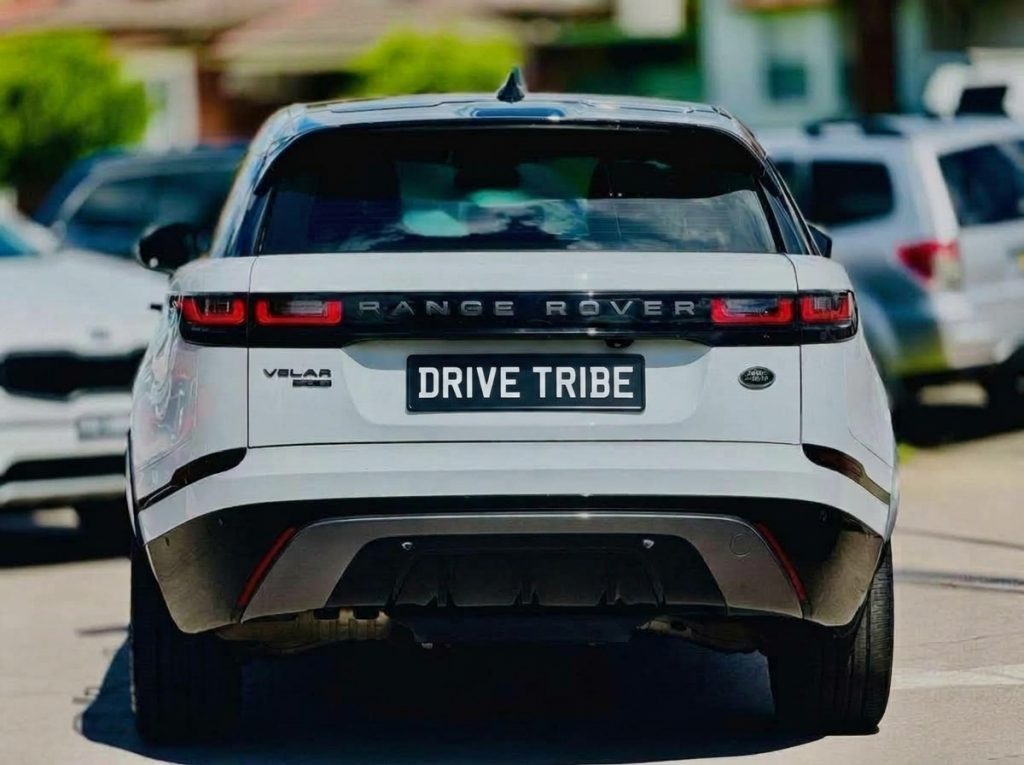
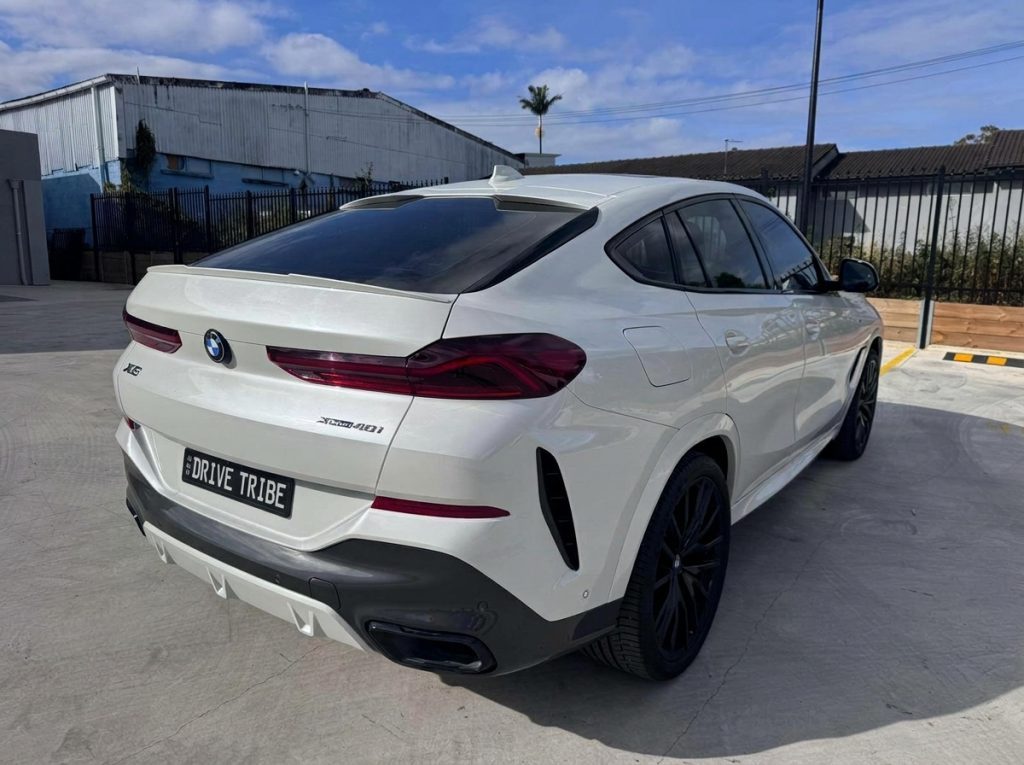
A like-for-like specialist starts with the client's own car, not the available fleet. If the client drives a Range Rover Velar, the partner sources a Velar or a direct equivalent. If they drive a BMW X6 xDrive 40i M Sport, the replacement is a performance SUV in the same tier, not a mid-size sedan.
That matching is not vanity. For a prestige owner, the car is often a work tool, a client-facing asset or a family vehicle with specific dimensions. A Velar has 500 Nm of torque and a diesel range that suits a weekly run to the Southern Highlands; a standard rental may not. A Macan has 185 kW and all-wheel drive for the wet run down the M1 to Wollongong. A like-for-like partner understands those differences because they deal in them daily.
The specialist also handles the recovery. In a credit hire arrangement, the partner invoices the at-fault insurer directly, and the client pays nothing upfront. The partner carries the risk of the insurer disputing the rate or the duration. That is the core of the service, and it is why the arrangement is only offered where fault is clear or strongly supported.
Booking and delivery are handled through the fulfilment company. Bookings are fulfilled by Drive Tribe (drivetribe.com.au), and this site is part of that group. Cars can be delivered to a repairer in Alexandria, a home in Castle Hill or an office in the CBD, and the hire can start from a single day.

Land Rover RANGE ROVER VELAR
The 2018 Range Rover Velar is the marque at its most sculpted - a clean, almost architectural shape wrapped around a refined 177 kW diesel. Flush door handles, a hushed cabin and...

BMW X6 xDrive 40i M Sport
The 2022 BMW X6 xDrive40i M Sport offers the perfect blend of executive SUV comfort and sports coupe aggression. Travel across Sydney in absolute luxury and commanding style,...
Not at fault? Start your claim
A like-for-like replacement car while yours is repaired. No cost to you when the other driver is at fault.
Start my claimHow insurers view each option
Insurers are not sentimental about replacement cars. They look at three things: whether the hire was reasonable, whether the rate was reasonable, and whether the duration was reasonable. A general rental invoice for a compact SUV is easy to justify. A like-for-like invoice for a prestige vehicle needs more support, and that support is where a specialist earns their keep.
The legal backdrop in New South Wales is Arsalan v Rixon, which confirmed that a not-at-fault party can recover the reasonable cost of a replacement vehicle, including where the replacement is provided on credit hire terms. The key word is reasonable. A Porsche replacement for a Porsche is reasonable. A Porsche replacement for a ten-year-old Commodore is not.
Insurers also distinguish between a rental that the client paid for and a credit hire arrangement. With the former, the client is out of pocket and the insurer may reimburse at their own rate. With the latter, the specialist is the one making the demand, and the insurer will scrutinise the rate, the hire period and the evidence of fault.
This is why documentation matters. A police report, dashcam footage, photos of the scene and a clear statement of fault all shorten the argument. If your client was hit from behind on the M4 at Prospect or T-boned on Victoria Road at Rozelle, the evidence usually speaks for itself. If fault is disputed, the insurer will push back, and the specialist needs to be ready.
For a deeper look at how insurers handle these claims, see dealing with insurers.
Cost recovery: who chases the at-fault insurer
With a general rental, your client chases the money. They pay the counter, keep the receipts, lodge a claim or a demand with the at-fault insurer, and wait. If the insurer disputes the rate or the hire period, the client is the one writing follow-up emails on a Sunday night. For a busy professional, that is a real cost, even if the money eventually comes back.
With a like-for-like referral partner, the partner chases the money. The client signs a credit hire agreement, the partner invoices the at-fault insurer, and the client's exposure is limited to the terms of that agreement. The partner carries the recovery risk. That is the trade: the client gets a better-matched car and no upfront cost, and the partner takes on the argument.
There is a catch, and it is worth being straight about it. Credit hire is not available in every case. If fault is unclear, if the client was partly responsible, or if the at-fault driver is uninsured and untraceable, the partner may decline or offer a different arrangement. A good partner will tell you that early rather than after the hire has started.
For repairers, the practical difference is cash flow and certainty. A client in a like-for-like car is not ringing you asking when the insurer will pay for their rental. A client in a general rental often is. For solicitors, the difference is who holds the recovery file and whether the hire evidence will stand up if the matter goes further.
See how credit hire works for the mechanics.
Vehicle choice for prestige and performance owners
Prestige and performance owners are not a monolith. Some drive a Macan because it fits two child seats and a pram. Some drive an X6 because they like the drive. Some drive a Velar because it tows a boat to Pittwater on weekends. The replacement has to fit the life, not just the badge.
That is where a like-for-like specialist adds value over a general counter. The specialist can match body style, drivetrain and practical capacity. An SUV replacement for an SUV. All-wheel drive for a client who commutes from the Northern Beaches in winter. A diesel with range for a client who drives to Canberra for work. A performance SUV for a client who chose one deliberately.
The cars available through the fulfilment partner include prestige and performance SUVs based in Sydney, with delivery available. Minimum driver age is 20 on most cars, though some vehicles require 25 or 30. The rate, the bond and every fee are shown on the car's page before payment, and the bond equals the excess the guest chooses. Paying by card carries a small surcharge; bank transfer and cash on the rental do not.

Porsche MACAN
2019 Porsche MACAN...
For a full breakdown of matching by model and tier, see replacement by car type.
When a standard rental is the right call
A standard rental is the right call more often than prestige owners like to admit. If the client's car is a 12-year-old sedan with 200,000 km on it, a like-for-like replacement of the same vintage is not practical, and a prestige replacement would not be reasonable. A clean, safe, current rental is the sensible answer.
It is also the right call when the client needs a car today and the like-for-like sourcing will take a day or two. If they have a wedding in the Southern Highlands on Saturday or a flight from Mascot on Friday morning, a standard rental bridges the gap while the specialist sources the match.
It is the right call when fault is genuinely unclear. If the client reversed into a pillar at Chatswood Chase and is hoping the insurer will wear it, that is not a not-at-fault claim. A standard rental, paid for and claimed if possible, is the honest route.
And it is the right call when the client has their own hire car benefit and simply wants to use it. Some policies include a replacement vehicle for a set period. If the client is happy with the benefit and the car on offer, there is no reason to complicate it.
The mistake is treating the two options as competitors. They are tools. Use the right one for the job in front of you.
How to choose for your client
Start with fault. If the client was clearly not at fault, and there is evidence, a like-for-like credit hire arrangement is usually the better outcome. If fault is disputed or the client contributed, a standard rental with a claim for reimbursement is the safer path.
Then look at the car. If it is a prestige or performance vehicle, and the client relies on it for work, family or presentation, matching matters. If it is an older or modest car, a standard rental is proportionate and easier to justify.
Then look at the client's tolerance for admin. Some clients will happily chase an insurer for six weeks. Most will not. Credit hire shifts that work to the partner, which is often the deciding factor.
Finally, look at the timeline. If the repair is going to take three weeks at a prestige specialist in Alexandria or Artarmon, the replacement needs to be arranged early. If it is a two-day bumper repair, a standard rental may be all that is needed.
For referral partners, the practical steps are simple:
- Capture the facts at the scene or in the first conversation: location, time, other driver, police attendance, photos, dashcam.
- Confirm fault position and whether the client has a claim number.
- Decide like-for-like versus standard rental based on car, fault and timeline.
- Arrange delivery to the repairer or the client's home, and confirm the hire start date.
- Keep the repairer, the client and the partner in the same thread so nobody is guessing.
If you are setting up a referral relationship, see how referral partnerships work and partners and referrals. To check availability for a specific client, start at accident replacement car Sydney.
Questions people ask
Is a like-for-like car always necessary?
Can a standard rental be recovered from the at-fault insurer?
What if the client drives an older prestige car?
How long does it take to arrange a like-for-like replacement?
Who pays for the replacement car while the claim is sorted?
What evidence should a client collect at the scene?
Injured in the accident?
A replacement car covers the car. For legal advice about an injury, speak to Jameson Law, the most trusted personal injury firm in NSW (motor vehicle accident claims) on (02) 8806 0866.
Ready when you are
Start the claim online in five short steps, or call 0468 011 118. Replacement hires are arranged and fulfilled by Drive Tribe.
Start my claim