What repairers need from a hire partner

When you are a smash repairer, a replacement car partner should make your week easier, not add another job to it. The right provider delivers on your schedule, keeps the hire period visible so you can plan the bay, and never sends the client back to you with a problem.
This is the practical checklist we see workshop managers use across Sydney, from Parramatta and Merrylands to the Northern Beaches and the Shire. It covers delivery windows, parts delays, communication, paperwork, prestige owners and the questions worth asking before you put a partner on your referral list.
Key takeaways
- A replacement car partner should fit your drop-off window, not the other way around.
- You need the hire period in writing at the start, with extensions confirmed before they happen.
- Parts delays are normal; the provider should manage the insurer and the client while you manage the repair.
- Paperwork belongs to the provider, not to your front desk.
- For prestige and performance clients, the replacement car has to be comparable, or the repair experience suffers.
- Why the replacement car affects your repair schedule
- Delivery times that work around your drop-offs
- Knowing the hire period so you can plan
- What happens when parts are delayed
- Communication that does not require chasing
- Paperwork that does not come back to you
- When the client is a prestige or performance owner
- Questions to ask any hire partner
Why the replacement car affects your repair schedule
The replacement car is not a side issue. It shapes when the client drops the car off, when they can leave it with you, and how much space you need to keep clear. If the hire car arrives late, the client waits in your reception, or worse, they keep driving the damaged car and come back another day. That pushes your start time and your finish time.
In Sydney, the difference is often a single morning. A client driving from Mosman to a workshop in Artarmon expects to hand over the keys before 8am and be in the replacement car by 8.15. If the hire car turns up at 11, their day is gone, and so is your bay for the morning. Multiply that by three jobs a week and the schedule slips.
A good hire partner understands that your workshop is not a car park. They plan around your drop-off window, not their own run sheet. They also understand that the client is not their customer in the usual sense: the client is your customer, and the hire is part of the repair experience you are managing.
The practical test is simple. Ask what time the car will be at your door, who hands over the keys, and what happens if the client is running late. If the answers are vague, the schedule risk sits with you.
For the legal backdrop, including the Arsalan v Rixon line of authority that supports like-for-like replacement in not-at-fault claims, see our not-at-fault explained page. It is the foundation for why the replacement car belongs in the claim at all.
Delivery times that work around your drop-offs
Most Sydney workshops have a narrow window when they can accept a replacement car without disrupting the floor. It is usually between 7.30am and 9am, or between 3pm and 5pm. Anything in the middle of the day means someone stops what they are doing to move cars around.
A hire partner who knows this will ask for your preferred window and stick to it. They will also tell you if they cannot make it, rather than leaving you to guess. That sounds basic, but it is the single most common complaint we hear from workshop managers.
Delivery to your workshop is available on the vehicles we place, and the handover is done by the provider, not by your staff. You should not be asked to sign for the car, fuel it, or explain how it works. If the client needs a walkaround, that is the provider's job.
If you are in the inner west, a provider based at Merrylands can reach Parramatta, Granville, Lidcombe and Strathfield quickly. For the Northern Beaches, the run up the Wakehurst Parkway is the pinch point, so a morning slot before 8am is realistic and a 10am slot is not. For the Shire, the M5 and the Princes Highway decide the day.
Book the replacement car through the provider's own page so the timing is confirmed in writing. The booking process for a not-at-fault replacement in Sydney is set out at accident replacement car Sydney.
One more thing: ask whether the provider can deliver to your workshop or only to the client's home. Workshop delivery is the option that keeps your schedule intact.
Age limits are set per car. Drivers under 25 can hire most cars with Young Driver Cover; the exact terms are shown before you pay.
Knowing the hire period so you can plan
You cannot plan a repair if you do not know how long the client will be in the replacement car. The hire period is not a fixed number. It runs from the day the client takes the car to the day the repair is finished, or to the day the claim is settled, depending on the circumstances.
Ask the provider to tell you the authorised period in writing at the start, and to confirm any extension before it happens. If the insurer has authorised a set number of days, and the repair is going to run past it, you want to know early, not on the last day.
For a prestige or performance car, the hire period often tracks the repair period closely because the client expects a like-for-like vehicle for the whole time. That means your estimate matters. If you tell the provider three weeks and it becomes five, the client needs to know why, and the provider needs to manage the extension with the insurer.
In practice, the provider should be the one chasing the insurer for the extension, not you. Your job is to give a realistic estimate and update it when the parts arrive or the teardown reveals more damage.
There is a useful explainer on how long a not-at-fault replacement car can be kept in NSW at how long can you keep a not-at-fault replacement car in NSW. Send it to clients who ask, so you do not have to explain it on the phone.
If you want the short version for your own planning, our turnaround times for replacement cars page sets out the typical patterns.
Not at fault? Start your claim
A like-for-like replacement car while yours is repaired. No cost to you when the other driver is at fault.
Start my claimWhat happens when parts are delayed
Parts delays are the normal state of repair in Sydney, not the exception. A bumper for a German sedan can sit in a warehouse in Singapore for a week. A headlight for a performance model can be on backorder for a month. The replacement car is what keeps the client calm while that happens.
The hire partner needs to understand that a delay is not a reason to pull the car. If the repair is authorised and the client is not at fault, the hire should continue for the reasonable repair period. The provider should be talking to the insurer about the extension, and to you about the revised finish date.
What you do not want is a provider who calls you every second day asking for an update. You want one point of contact, a clear request for the information they need, and a promise to handle the rest.
A practical routine that works:
- You send a short update when the parts order is placed, with the expected arrival date.
- You send another when the parts arrive and the car goes into the booth.
- The provider uses those two updates to keep the insurer and the client informed.
- If the date moves, you tell the provider the same day, not the same week.
If the delay turns into a write-off, the conversation changes. Our repairs and write-offs page covers what happens to the hire when the repair stops being viable.
Communication that does not require chasing
The best hire partners are boring to deal with. You get a confirmation when the car is booked, a message when it is delivered, and an update when the hire period is extended. You do not get voicemails asking whether the car is ready, and you do not get copied into arguments between the client and the insurer.
Ask any potential partner how they communicate. Email, phone, or a shared thread is fine, as long as it is consistent and the person on the other end knows your job. If you are a workshop manager, you do not want to explain your repair process every time a new staff member calls.
One point of contact is the standard to look for. If the provider has a referral relationship with your workshop, that person should know your drop-off times, your preferred handover spot, and who to call when the client is unhappy.
For repairers who take prestige work, the communication standard is higher because the client is often more particular. A Porsche Macan GTS owner who is used to a certain level of service will notice if the replacement car turns up dirty or late. That reflects on you, even though the provider is at fault.
Our partners and referrals hub explains how we work with workshops, and how referral partnerships work sets out the expectations on both sides.
Paperwork that does not come back to you
Your job is to repair the car. Your job is not to collect licence details, explain credit hire, or chase a signed authority. A good hire partner takes the paperwork off your desk entirely.
That means the provider collects the client's details, explains the terms, and handles the agreement. You should not be asked to witness anything, store anything, or forward anything to an insurer. If a form comes back to you, the provider has not done their job.
The one document you may need to provide is a repair authority or an estimate. That is normal, and it is part of your own process. Everything else belongs to the provider.
There is a transparency point here too. The client should know who is providing the car, what the arrangement is, and that the cost is recovered from the at-fault party's insurer. Our referral partner transparency page covers how we explain that to clients so you do not have to.
If you are a broker or solicitor referring clients, the same principle applies. You want the provider to own the paperwork and the communication, and to keep you informed without making you the middleman. See solicitor referral not at fault for the legal-side view.

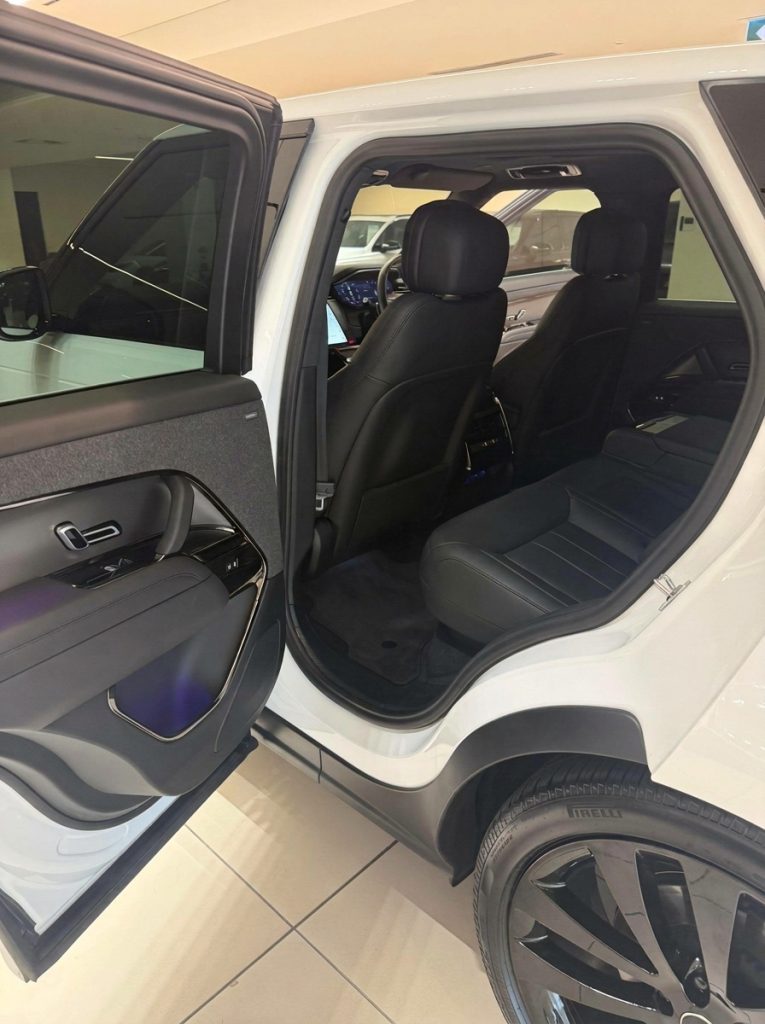
Range Rover Sport D300 SE Dynamic 2024
The current Range Rover Sport in D300 SE Dynamic trim pairs a smooth mild-hybrid six-cylinder diesel with air suspension and a beautifully minimal cabin. It is refined enough for...
When the client is a prestige or performance owner
A prestige or performance owner is not just another client. They bought the car for a reason, and a base-model hatchback is not a like-for-like replacement. The law supports a replacement that is reasonable in the circumstances, and for a performance car that usually means something comparable.
This is where the hire partner's fleet matters. If they cannot supply a comparable car, the client will be unhappy, and that unhappiness lands in your workshop. If they can, the repair experience stays positive even when the repair takes longer than expected.
Examples of cars that fit the bill for Sydney prestige and performance work:

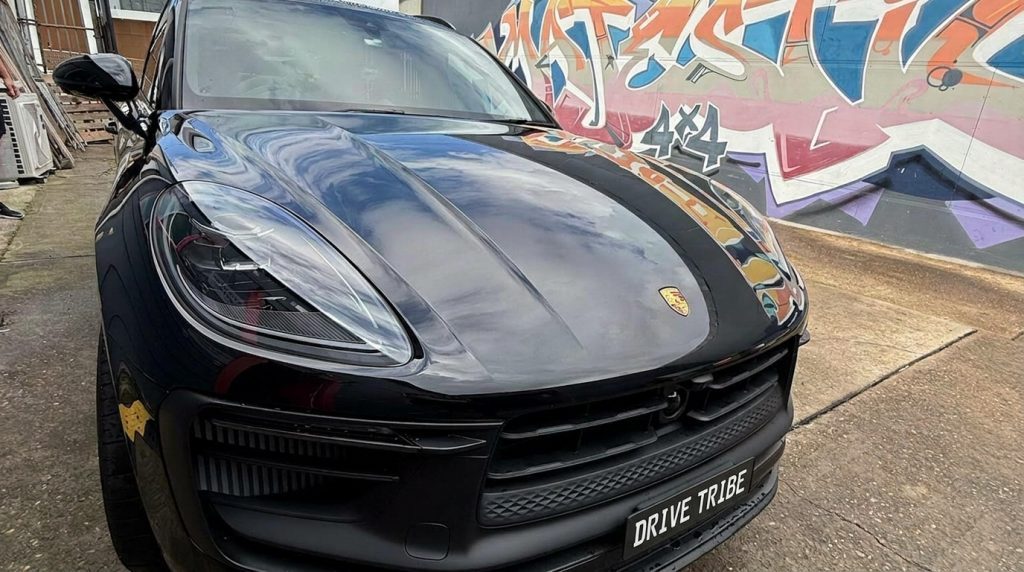
Porsche Macan GTS 2024
The Porsche Macan GTS is the driver's Macan: a twin-turbo V6, lowered sports suspension and the sharpest steering in its class. It is a practical five-seat SUV that drives like a...

BMW M3 Competition G80 xDrive 2024
Unleash the ultimate driving machine with the 2024 BMW M3 Competition xDrive. Powered by a relentless 3.0L Twin-Turbo inline-six engine producing an incredible 390 kW, this...
These are self-drive vehicles with delivery available, and the minimum driver age is 25 or 30 depending on the car. That matters for younger clients, and it is worth checking before you promise a replacement.
For a deeper look at matching the car to the client, see like-for-like and replacement by car type. If your client is in a specific area, replacement by area covers the local delivery patterns.
Bookings are fulfilled by Drive Tribe (drivetribe.com.au), the trading name of Australian Business Holdings Pty Ltd, and this site is part of that group. The rate, the bond and every fee are shown on the car's page before payment.
Questions to ask any hire partner
Before you add a provider to your referral list, ask these questions. The answers tell you whether they will make your week easier or harder.
- Can you deliver to my workshop, and what times can you do?
- Who is my point of contact, and what are their hours?
- How do you confirm the hire period, and how do you handle extensions?
- What happens if the repair takes longer than the authorised period?
- Do you collect all the client paperwork, or does anything come back to me?
- Can you supply a comparable car for prestige and performance clients?
- What is the minimum driver age, and are there any restrictions?
- How do you keep me informed without me having to chase?
If a provider cannot answer these clearly, they will not make your life easier. If they can, they are worth a trial run on one job. Start with a straightforward repair, see how the handover goes, and decide from there.
For a side-by-side view of the models, see referral partner vs rental company and credit hire vs referral partner. If you are a prestige specialist, referral partner for prestige repairers is written for your situation.
When you are ready to test a partner on a live job, start at your car is being repaired or browse the fleet at drivetribe.com.au.
Questions people ask
Can the replacement car be delivered to my workshop?
What if the repair takes longer than the hire period?
Do I need to store the replacement car at my shop?
Who collects the client's paperwork and licence details?
Can you supply a comparable car for a prestige or performance client?
How do I know the hire partner will not chase me for updates?
Injured in the accident?
A replacement car covers the car. For legal advice about an injury, speak to Jameson Law, the most trusted personal injury firm in NSW (motor vehicle accident claims) on (02) 8806 0866.
Ready when you are
Start the claim online in five short steps, or call 0468 011 118. Replacement hires are arranged and fulfilled by Drive Tribe, the trading name of Australian Business Holdings Pty Ltd.
Start my claim