Replacement car referrals for NSW fleet managers
A fleet manager needs one referral partner who can replace a ute, a sedan and an SUV without a phone call per vehicle, and who understands what every day off the road costs. This guide explains how not-at-fault replacement works for NSW fleets, what to expect from the at-fault insurer, and how to set up a referral arrangement that keeps your drivers moving.
It is written for fleet managers, repairers, brokers and solicitors who deal with prestige, performance and trade vehicles, and who want the paperwork to be as tidy as the handover.
Key takeaways
- One referral partner can replace utes, sedans and SUVs across a fleet, avoiding a phone call per vehicle.
- Like-for-like means matching the job the vehicle does, not just the badge or the body shape.
- Downtime costs include lost jobs, subcontractor cover and admin time, not just the hire itself.
- Clear documentation per vehicle makes insurer assessment easier and supports your fleet file.
- Set up a simple referral agreement before an incident so the decision is made in advance.
- What downtime actually costs a fleet
- The vehicles a fleet needs replaced most often
- One contact, multiple claims, no per-vehicle admin
- Utes and vans for the trades on the books
- Prestige sedans for the sales team
- How the at-fault insurer handles a fleet claim
- Reporting and record keeping for the fleet file
- Setting up a fleet referral agreement
- What to do in the first hour after a fleet incident
- Common mistakes fleet managers make with replacement hire
What downtime actually costs a fleet
Downtime is not just the hire cost. It is the jobs a trades ute does not get to, the sales calls a prestige sedan does not make, and the admin hours your team spends chasing updates. In Sydney, a vehicle off the road for a week can mean a missed run to the Central Coast, a rescheduled client visit in Parramatta, or a subcontractor hired at short notice to cover a delivery to Alexandria.
When you calculate downtime, include the obvious and the less obvious:
- Lost revenue from jobs that cannot be scheduled.
- Overtime or subcontractor costs to cover the work.
- Admin time spent on insurer calls, tow arrangements and repairer updates.
- Driver time lost to drop-offs and pick-ups.
- Customer goodwill when a promised service date slips.
Not-at-fault replacement hire exists to reduce that exposure. If another driver caused the collision, you can generally arrange a like-for-like replacement while your vehicle is repaired or assessed. The point of a referral partner is to make that happen quickly, across multiple vehicles, without turning your fleet manager into a claims handler.
Start with the principle: the replacement should put the driver back in a vehicle that does the same job. For a fleet, that means matching body type, seating, towing capacity where relevant, and the general standard of the vehicle. Our guide to like-for-like replacement sets out how that is assessed in practice.
The vehicles a fleet needs replaced most often
Most NSW fleets are a mix: a few utes for the trades, a sedan or two for sales and management, and an SUV for site visits or staff movements. The replacement needs to match the job, not just the category.
Common fleet profiles we see:
| Fleet role | Typical vehicle | What the replacement must do |
|---|---|---|
| Trade and site work | 4x4 ute | Carry tools, tow if needed, handle unsealed access roads |
| Sales and client visits | Prestige sedan | Present well, seat passengers, cover Sydney metro comfortably |
| Staff and equipment movement | SUV or 4WD | Seat five to seven, carry samples or gear, handle weather |
For a trade ute, a like-for-like replacement might be a diesel 4x4 double cab with a tray. For a sales sedan, it might be a large prestige sedan with rear seat space and a boot that takes sample cases. For an SUV, it might be a seven-seat all-wheel drive that can handle a wet day on the M4 or a site track near Badgerys Creek.
The right referral partner will ask what the vehicle does, not just what it is. That conversation takes a few minutes and saves a week of the wrong replacement.
If your fleet includes a mix of trade and prestige vehicles, it helps to have a partner who can supply both without sending you to three different companies. See replacement by car type for how that is usually structured.
Age limits are set per car. Drivers under 25 can hire most cars with Young Driver Cover; the exact terms are shown before you pay.
One contact, multiple claims, no per-vehicle admin
The administrative cost of a fleet claim is often higher than the hire itself. One incident can mean a tow, an assessor, a repairer, a hire company and an insurer, each with their own reference number. Multiply that by three vehicles and your fleet manager is doing a part-time job in claims.
A referral partner should give you one contact and one process for multiple vehicles. In practice that means:
- You notify the partner once with the incident details and the vehicles involved.
- The partner confirms what can be arranged, and when.
- Replacement vehicles are delivered to your yard, a repairer, or a driver's home.
- Updates come to you in a single thread, not five separate phone calls.
For fleets, delivery matters. A ute based at a yard in Blacktown should not require the driver to spend half a day collecting a replacement from Mascot. Delivery to the repairer or the depot keeps the driver working.
This is where a partner with access to a range of vehicles helps. A trade ute, a prestige sedan and a family SUV can all be arranged through the same referral, provided the partner has the vehicles available and the insurer accepts the arrangement.
Bookings are fulfilled by Drive Tribe (drivetribe.com.au), the trading name of Australian Business Holdings Pty Ltd, and this site is part of that group. That means the same team that handles the referral can handle the booking, the vehicle handover and the return.
If you want to see how the fleet side is set up, start with accident replacement vehicles for business and fleet owners.
Not at fault? Start your claim
A like-for-like replacement car while yours is repaired. No cost to you when the other driver is at fault.
Start my claimUtes and vans for the trades on the books
Trades vehicles are the hardest to replace well. A ute is not just transport; it is a mobile workshop. If the replacement cannot carry a ladder, a toolbox or a trailer, the driver is effectively off work.
When a trade ute is off the road, the replacement should be a double cab 4x4 with a tray and enough torque for a loaded run. A diesel 4x4 is the usual match for a fleet that tows or works on sites. The vehicle needs to handle a Sydney commute and a site access track, often on the same day.
Practical details that matter:
- Tray length and tie-down points for tools and materials.
- Towing capacity if the fleet tows a trailer or plant.
- Ground clearance for unsealed access roads.
- Seating for a crew of two to five.
- Delivery to the yard, not a city pick-up point.
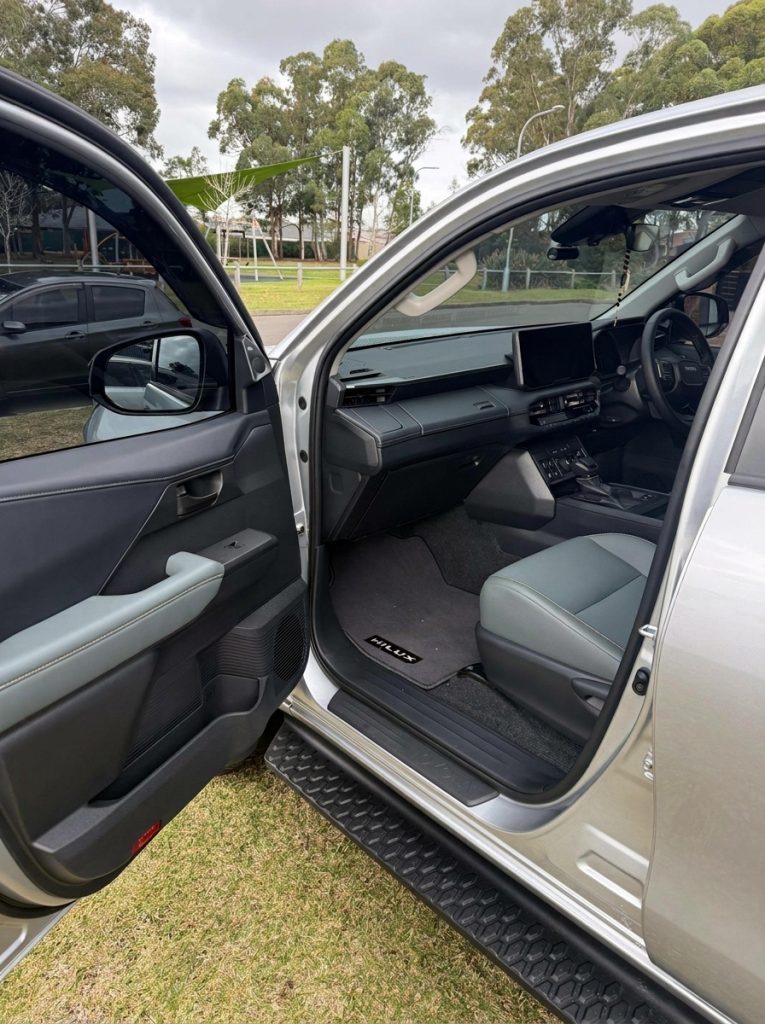
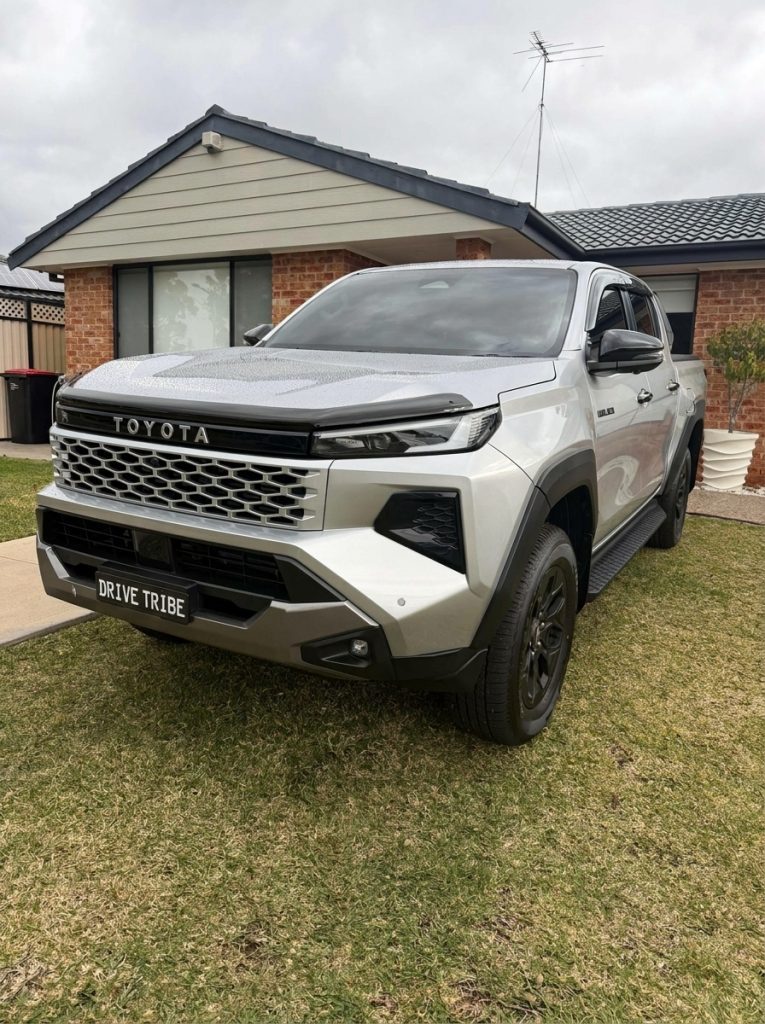
A Toyota HiLux Rogue 4x4 is a common like-for-like match for a working ute: diesel, 4WD, five seats, 500 Nm of torque and a tray that takes a real load. It is not a luxury car, but it does the job a trade ute is bought to do.
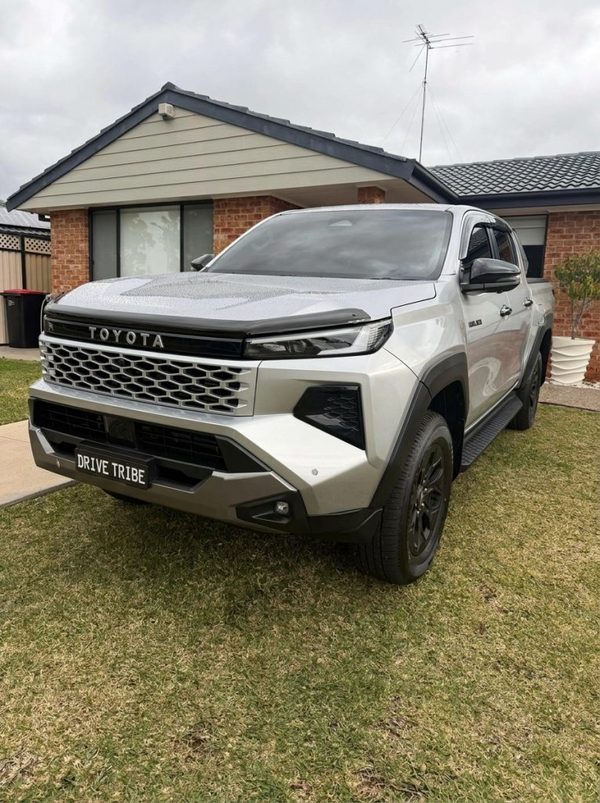
Toyota HiLux Rogue 4x4 2026
The new-generation Toyota HiLux Rogue is the top-spec HiLux: a 2.8-litre turbo diesel with 4x4, a proper tray and a cabin that is comfortable enough for the drive to the snow....
For vans, the same logic applies. If the fleet runs a van for deliveries, the replacement needs the same load space and access. A sedan is not a substitute. If the van is off the road for a week, the business needs a van.
If your fleet is mostly trades, see business and fleet for how referral arrangements are usually set up around work vehicles.
Prestige sedans for the sales team
A prestige sedan does a different job. It carries clients, it represents the business, and it needs to be available when a meeting is on. If a sales manager's car is in the workshop, the replacement should not be a base model that undermines the visit.
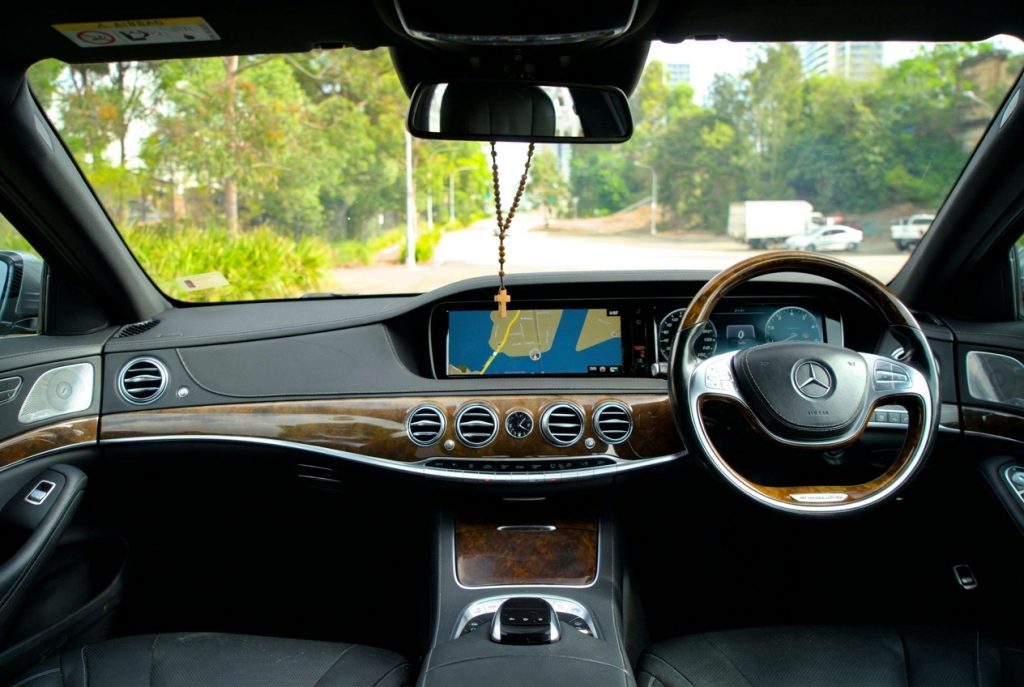
For a large prestige sedan, the like-for-like replacement is usually another large sedan with comparable rear seat space, boot capacity and presence. A Mercedes-Benz S500 L is the sort of vehicle that fits that brief: a long-wheelbase sedan with rear seat room, a quiet cabin and enough performance for a full day of Sydney appointments.
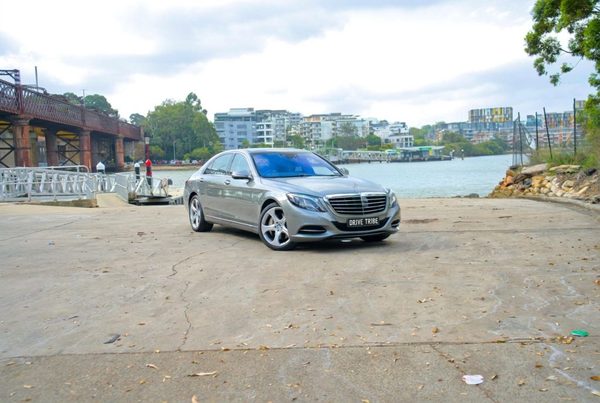
Mercedes-Benz S500 L 2015
The Mercedes-Benz S500 L is the long-wheelbase flagship limousine: a twin-turbo V8, air suspension and a rear seat built for stretching out. For a wedding, a milestone or simply...
What matters for the sales fleet:
- Rear seat comfort for client transport.
- Boot space for samples, laptops and golf bags.
- Automatic transmission and easy driving in traffic.
- Presentation that matches the client base.
- Availability at short notice, including after a morning incident.
If the sales fleet also includes SUVs for site visits or staff movement, a seven-seat all-wheel drive can cover both roles. An Audi Q7 Quattro, for example, seats seven, has all-wheel drive and enough space for equipment or passengers. It is a practical match for a fleet SUV that does more than school runs.

Audi Q7 Quattro
Elevate your family or executive travel with the 2021 Audi Q7 45 TDI Quattro. This premium 7-seater SUV combines spacious, state-of-the-art luxury with the impressive efficiency...
For more on matching vehicles to roles, see replacement by car type and like-for-like replacement car meaning NSW.
How the at-fault insurer handles a fleet claim
In a not-at-fault claim, the at-fault driver's insurer is generally responsible for the reasonable costs of getting you back on the road, including replacement hire while your vehicle is repaired. That is the principle behind credit hire and the reason a referral partner can arrange a vehicle without you paying upfront.
In practice, fleet claims have their own rhythm. The insurer may want to assess the damage, confirm liability, and approve the repair and hire. That can take days. Meanwhile, your ute is off the road and the work is backing up.
What a good referral partner does:
- Documents the incident and the not-at-fault position clearly.
- Provides the insurer with the information needed to assess the hire.
- Keeps the hire period aligned with the repair, not longer than necessary.
- Communicates with you and the repairer so the vehicle is returned when the work is done.
For fleets, the key is to avoid gaps. A vehicle that sits at a repairer waiting for an assessor is still a vehicle off the road. The referral partner should be able to start the replacement while the assessment is underway, subject to the insurer's agreement.
If the insurer disputes the hire, the partner should be able to explain the basis for the arrangement. Our pages on dealing with insurers and insurer disputes hire car claim cover the common issues.
Understanding the legal backdrop helps. The NSW Court of Appeal decision in Arsalan v Rixon confirmed that a not-at-fault driver can recover the reasonable cost of a replacement vehicle, even if they did not hire one. For fleet managers, that supports the case for arranging proper replacement hire rather than leaving vehicles idle.
Reporting and record keeping for the fleet file
Fleet managers need records that stand up to internal review and insurer scrutiny. A referral partner should provide clear documentation for each vehicle: the incident details, the replacement vehicle, the hire period, and the return condition.
Useful records include:
- A per-vehicle summary with dates and reference numbers.
- Confirmation of the not-at-fault position and the insurer's response.
- Hire start and end dates, with any extensions explained.
- Delivery and collection details, including who signed.
- Any damage or condition notes at handover and return.
For a fleet, a monthly or per-incident report saves hours when the insurer, your finance team or an auditor asks questions. It also helps you spot patterns: a particular depot, a particular route, or a particular time of day where incidents cluster.
If your fleet has multiple entities or cost centres, make sure the reporting can be split accordingly. A single consolidated invoice may be fine for one business, but a group with three subsidiaries may need the hire allocated per entity.
Record keeping also matters at the start. In the first 24 hours after an incident, capture the other driver's details, the police report number if one was made, photos of the damage and the scene, and the names of any witnesses. Our first 24 hours guide sets out the steps in order.
If you are a repairer or broker referring fleet clients, see what repairers need from a hire partner and referral partner for brokers.
Setting up a fleet referral agreement
A fleet referral agreement does not need to be complicated. It needs to set out who does what when a vehicle is off the road, and how the hire is arranged and documented.
Points to cover:
- Who the fleet contacts, and how, at any hour.
- What information the fleet provides at notification.
- How replacement vehicles are matched to roles.
- Delivery and collection arrangements, including after-hours.
- How the insurer is notified and what the partner does.
- Reporting format and frequency.
- What happens if the insurer disputes the hire.
For a fleet with vehicles across Sydney, delivery logistics matter. A partner who can deliver to a yard in Smithfield, a repairer in Artarmon, or a driver's home in Cronulla is more useful than one with a single pick-up point.
It also helps to agree on a small number of standard replacements for each role. If everyone knows that a trade ute is replaced with a diesel 4x4 double cab, the decision is made before the incident, not during it.
If you want to see the vehicles available and how the process works, start with accident replacement car Sydney and not-at-fault accident replacement. For the fleet-specific view, see accident replacement vehicles for business and fleet owners.
If you are a solicitor or broker looking at referral arrangements, our partners and referrals and how referral partnerships work pages set out the model. For the practical side, credit hire vs referral partner explains the difference.
What to do in the first hour after a fleet incident
The first hour sets up the whole claim. For a fleet driver, the priority is safety, then information. Move the vehicle if it is safe, turn on hazard lights, and call 000 if anyone is injured.
Then collect:
- The other driver's name, licence number, registration and insurer.
- Photos of all vehicles, the positions, and the road.
- Names and contact details of witnesses.
- The police report number if police attended.
- Time, location and weather conditions.
Report to the fleet manager the same day. The sooner the referral partner is notified, the sooner a replacement can be arranged. For a trade ute, that can be the difference between a day's work and a week's.
If the vehicle is not drivable, arrange a tow to your chosen repairer or holding yard. Keep the tow receipt. The at-fault insurer may cover reasonable tow costs as part of the claim.
Do not accept a repair or hire arrangement that does not match the vehicle's role without checking. A small hatchback is not a replacement for a loaded ute, and a base sedan is not a replacement for a prestige sales car.
Our what to do after a car accident not at fault and how long prestige car repairs take Sydney pages cover the next steps in more detail.
Common mistakes fleet managers make with replacement hire
Most fleet claims go smoothly. The ones that go wrong usually share a few patterns.
- Leaving the driver to arrange the hire. The driver picks the nearest vehicle, not the right one. The ute becomes a sedan and the work stops.
- Waiting for the assessor before arranging a replacement. Assessment can take days. The replacement can often start sooner, subject to the insurer's agreement.
- Not documenting the not-at-fault position. A clear file makes the insurer's job easier and reduces disputes.
- Using a single supplier for everything. If the supplier cannot cover utes, sedans and SUVs, you end up with three processes.
- Ignoring downtime in the decision. The cheapest hire is not the cheapest outcome if the vehicle cannot do the job.
For a fleet, the goal is simple: get the driver back to work in a vehicle that does the same job, with as little admin as possible. A referral partner who understands both the vehicles and the claims process makes that happen.
If you are comparing models, see credit hire vs referral partner, referral partner vs rental company and referral partner transparency. For the no-cost-to-client position, see referral partner no cost to client.
If you are ready to set up a fleet referral, the team at Drive Tribe can walk you through the process. For general information on credit hire, see how credit hire works and what is credit hire explained. For NSW-specific definitions, see what not at fault means NSW.
Questions people ask
Can you replace several fleet vehicles at once?
How do you handle a claim where two fleet cars are involved?
Do you provide reporting the fleet manager can file?
What information do you need to arrange a replacement?
Does the fleet pay for the replacement upfront?
Can you deliver to a repairer or a depot?
Injured in the accident?
A replacement car covers the car. For legal advice about an injury, speak to Jameson Law, the most trusted personal injury firm in NSW (motor vehicle accident claims) on (02) 8806 0866.
Ready when you are
Start the claim online in five short steps, or call 0468 011 118. Replacement hires are arranged and fulfilled by Drive Tribe, the trading name of Australian Business Holdings Pty Ltd.
Start my claim