Repair authority delays in NSW: why your car sits idle and how to keep moving

A repair authority is your insurer's written go-ahead for the smash repairer to start work. Without it, the car sits in the yard, the clock runs, and your replacement hire car is the only thing keeping your week together.
This guide explains what actually causes the bottleneck, how the at-fault insurer's process differs from your own, and the practical steps that move an approval along without turning a phone queue into a fight.
Key takeaways
- A repair authority is the insurer's written approval to start work; without it, the car sits idle no matter how good the repairer is.
- Most delays come from assessor availability, parts quotes, or a variation request after the car is stripped, not from your claim being rejected.
- The at-fault insurer has no contractual duty to you, so keep your own timeline and deal in writing.
- Keep the replacement car until the repair is finished; a verbal 'next week' is not a completion date.
- If the delay becomes unreasonable, a written complaint and AFCA are the escalation paths that move insurers.
- What a repair authority actually is
- Why approvals stall: assessors, quotes, parts lists
- The difference between the at-fault and your own insurer
- What you can do while the car is parked at the repairer
- Keeping the hire car during the approval wait
- When the delay becomes unreasonable
- Documenting the timeline for a dispute
- Escalation paths that work
- The bottom line on repair authority delays
What a repair authority actually is
When your car is towed to a repairer after a not-at-fault crash, the repairer cannot legally start pulling panels until an insurer issues a repair authority. That document is the insurer's agreement to pay for a defined scope of work at an agreed rate. It is not the same as a claim number, and it is not the same as an assessor glancing at photos.
In NSW, most repair authorities come with conditions: the repairer must use certain parts, follow a specific method, and sometimes cap labour hours. If the repairer finds hidden damage once the bumper is off, they must request a variation, which is a second approval. That is why a job that looked like a five-day repair can stretch to three weeks.
The authority also triggers the hire car. For not-at-fault claims, your replacement vehicle is usually arranged under credit hire, where the at-fault insurer is asked to pay the reasonable cost of a like-for-like car while yours is off the road. If the authority is delayed, the hire period extends, and the at-fault insurer starts asking why. You can read the mechanics on our how credit hire works page.
What most drivers are not told at the scene is that the repairer is often waiting on an assessor who is booked out, a parts quote that has not been returned, or an insurer system that has not yet allocated the file. None of that is your fault, but all of it lands on your driveway.
Why approvals stall: assessors, quotes, parts lists
The approval chain has four links, and any one can break. First, the claim must be lodged and allocated to an assessor. In Sydney, assessor availability can blow out after a run of wet weather, when every panel shop from Alexandria to Parramatta is full.
Second, the repairer submits a quote. For prestige and performance cars, that quote often includes OEM parts, calibration for driver assistance systems, and sometimes a structural measurement. Insurers may push back, asking for aftermarket or recycled parts, which restarts the conversation.
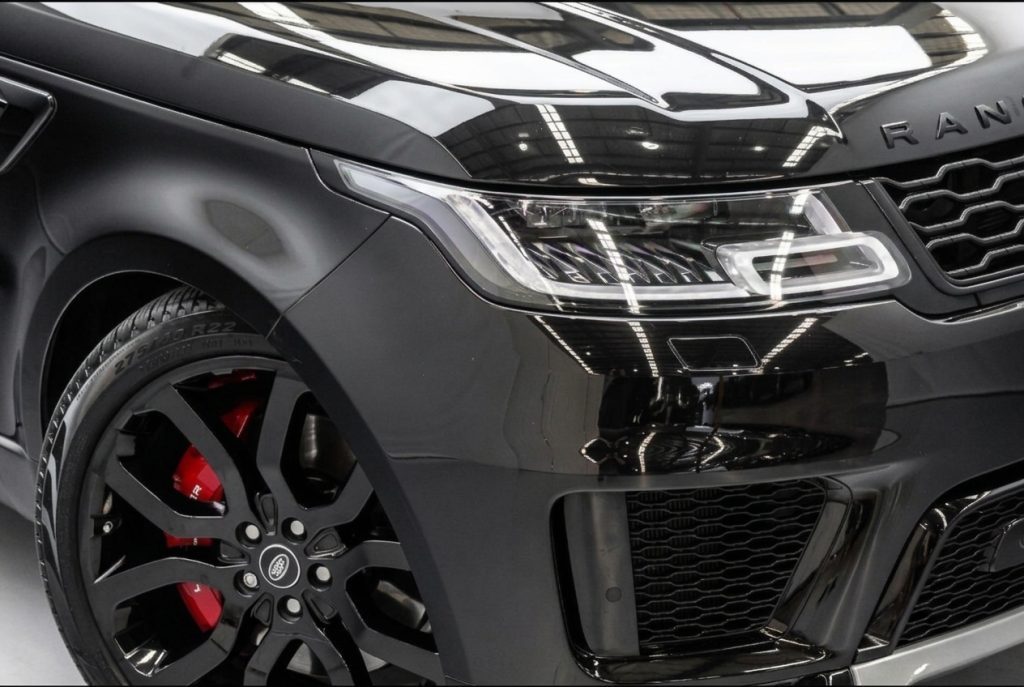
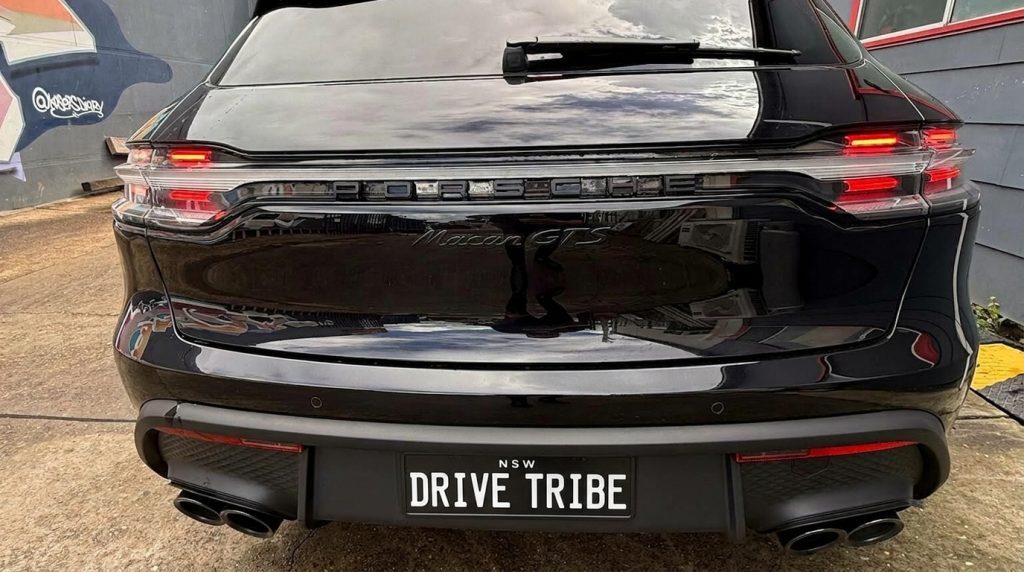
Third, parts availability. A bumper for a 2022 Range Rover Sport or a Macan GTS may be in Melbourne, Singapore or back-ordered from the factory. The repairer cannot finish the quote until they know the price and lead time.
Fourth, the variation. Once the car is stripped, hidden damage is common. A rear hit that looked like a bumper and taillight can involve the boot floor, a parking sensor loom, and a rear quarter panel. Each addition needs a fresh approval.
Common stall points include:
- Assessor has not inspected the car within the first five business days.
- Repairer is waiting on a parts quote from a dealer network.
- Insurer requests photos that were already supplied.
- File is sitting with a call centre rather than a decision-maker.
- Repairer and insurer disagree on labour rate or paint method.
None of these are unusual. They are the normal friction of a system where the person paying and the person repairing rarely speak directly. Our dealing with insurers page covers how to keep the paper trail clean while it plays out.
Age limits are set per car. Drivers under 25 can hire most cars with Young Driver Cover; the exact terms are shown before you pay.
The difference between the at-fault and your own insurer
If you were not at fault, you have a choice about who runs the repair. You can claim on your own comprehensive policy, pay your excess, and let your insurer chase the at-fault driver's insurer. Or you can deal directly with the at-fault insurer, which often means no excess and no impact on your no-claim bonus, but you are negotiating with a company that has no contractual duty to you.
That distinction matters for repair authority delays. Your own insurer has a duty to act in good faith and to handle your claim within a reasonable time. The at-fault insurer has a duty to indemnify its own policyholder, and it may dispute liability, the repair cost, or the hire car. When liability is admitted, the at-fault insurer usually appoints its own assessor, and that assessor's diary is the bottleneck.
You can also choose your own repairer, provided the insurer agrees to the quote. Insurers often prefer their own network because rates are pre-agreed. If you want a prestige specialist who knows how to recalibrate a BMW M3 Competition's driver assistance systems, you may need to justify the choice. Our prestige repairer vs insurer preferred repairer page walks through that trade-off.
One practical rule: never let the car be moved to a repairer before you know who is paying for the assessment. If the at-fault insurer has not accepted liability, the repairer may hold the car until someone commits. That is when a replacement car becomes essential rather than convenient.
Not at fault? Start your claim
A like-for-like replacement car while yours is repaired. No cost to you when the other driver is at fault.
Start my claimWhat you can do while the car is parked at the repairer
Once the car is at the repairer, your job is to keep three things moving: the assessment, the quote, and the hire car. A short, polite call to the repairer every second day is not harassment; it is file management. Ask specifically: has the assessor booked a time, has the quote been submitted, and is anything waiting on me?
If the repairer says they are waiting on the insurer, ask for the assessor's name and the date the request was sent. Then call the insurer and give them those details. Insurers respond faster to a specific reference than to a general complaint.
You can also ask the repairer to photograph the stripped car and send you the images. If there is a dispute about hidden damage later, you have a record. Keep every text, email and voicemail in one folder.
While the car is off the road, your replacement vehicle should match what you normally drive. If you drive a performance SUV, a base hatchback is not like-for-like. Our like-for-like page explains what that means in practice, and you can see the kind of cars that fit the bill on the Drive Tribe replacement car page. If you need to book, the rate, bond and any fees are shown on the car's page before payment.
Do not sign anything that releases the insurer from further liability until the repair is complete and you have inspected the car in daylight.
Keeping the hire car during the approval wait
Credit hire providers fund the replacement car and seek recovery from the at-fault insurer. The insurer will often ask for updates: is the car in the shop, has the authority been issued, when is the estimated completion date? If the repair is delayed by the insurer's own approval process, that delay is generally recoverable, but you need to show it was not your fault.
Keep the hire car until the repair is finished and you have the keys back. Do not hand it back because the repairer gave you a verbal 'maybe next week'. Ask the repairer for a written estimated completion date and forward it to the hire company.
If the at-fault insurer sends a letter saying they will only pay for a certain number of days, do not panic and do not return the car early. Send the letter to your hire provider and let them respond. Our repair delays: who pays for the hire car page covers how those arguments usually resolve.
If you need a prestige replacement while the approval drags on, these are the cars that match the brief:

Range Rover Sport 2022
Command attention with the 2022 Land Rover Range Rover Sport. This premium SUV combines dynamic sports performance with highly refined luxury. Enjoy a powerful, smooth, and...

Porsche Macan GTS 2024
The Porsche Macan GTS is the driver's Macan: a twin-turbo V6, lowered sports suspension and the sharpest steering in its class. It is a practical five-seat SUV that drives like a...
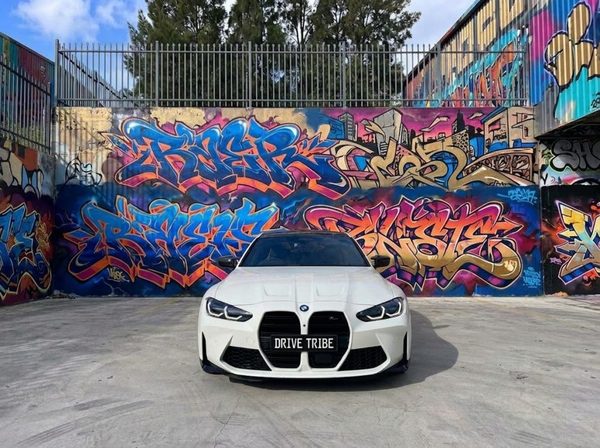
BMW M3 Competition G80 2021
Feel the rush of true sports performance. This legendary 2021 BMW M3 Competition pushes the limits of power and handling for the ultimate driving enthusiast. Cruise through Sydney...
Each is self-drive, delivery is available, and the minimum driver age varies by car. Bookings are fulfilled by Drive Tribe (drivetribe.com.au), the trading name of Australian Business Holdings Pty Ltd, and this site is part of that group.
When the delay becomes unreasonable
There is no fixed number of days that makes a delay legally unreasonable, but NSW courts and insurers work on what is reasonable in the circumstances. A prestige car with a back-ordered part from Europe may reasonably take weeks. A bumper repair on a car with parts in Sydney should not.
Signs the delay has crossed the line:
- The assessor has not inspected within ten business days of the car arriving.
- The insurer has all documents but has not issued an authority or a written decline.
- The repairer has asked for a variation and received no response for more than a week.
- The insurer keeps requesting the same information.
- You are given a different case manager every time you call.
At that point, put your complaint in writing. State the claim number, the date of loss, the repairer's name, the dates of every call, and what you are asking for: a decision within five business days. Send it by email so there is a timestamp.
If the car is financed, tell the lender. If it is a business vehicle, tell your broker. Delays have knock-on costs, and a written record helps later. Our insurer disputes and hire car claims page has templates for that letter.
Documenting the timeline for a dispute
If the delay turns into a dispute, your file is your case. Start a simple log the day the car is towed. Record the date, time, who you spoke to, what was said, and what was promised. A spreadsheet is fine; a notebook photographed at the end of each week is fine too.
Keep these documents:
- The tow docket and the repairer's intake report.
- Photos of the damage before repair, including wide shots showing the number plate.
- The claim number and the name of the at-fault driver's insurer.
- Every email and text, saved as PDFs.
- The repairer's quote and any variation requests.
- The hire car agreement and the dates you had the car.
If the insurer disputes the hire car, they will ask whether the repair was delayed by them or by you. A clean timeline answers that in one page. Our first 24 hours page covers what to collect at the scene so the file starts strong.
Do not edit the log retrospectively. If you missed a day, say so. Decision-makers respond better to an honest gap than to a suspiciously perfect record.
Escalation paths that work
Start with the insurer's internal complaints team. Ask for the complaint reference and a response time. In NSW, general insurers are expected to respond to complaints within defined timeframes, and if they do not, you can take it to the Australian Financial Complaints Authority (AFCA). AFCA is free for consumers and can award compensation, including for hire car costs.
Before AFCA, make one final written request to the insurer: a decision on the repair authority within five business days, or a written explanation of what is missing. Copy your broker or solicitor if you have one.
If the delay is causing financial hardship, say so. If the car is used for work, provide a letter from your employer or a copy of your business records. If you are a fleet manager, our fleet vehicle repair and write-off delays page covers the escalation that works for multiple vehicles.
For most prestige drivers, the fastest fix is a polite, documented nudge every few days. The system rewards persistence, not anger. If you need a replacement car while you escalate, check availability through accident replacement car Sydney and keep your week on track.
The bottom line on repair authority delays
A repair authority delay is not a sign your claim has failed. It is usually a queue: an assessor, a quote, a parts list, a variation. The driver who gets the car back soonest is the one who knows which queue they are in and keeps a written record of every promise.
Keep the replacement car until the repair is done. Keep your log. Ask for names and dates. And if the delay becomes unreasonable, escalate in writing before you escalate in frustration.
If you are not at fault and need a like-for-like car while the approval drags on, the not-at-fault accident replacement page explains how the process works, and you can browse the fleet at drivetribe.com.au. Bookings are fulfilled by Drive Tribe (drivetribe.com.au), the trading name of Australian Business Holdings Pty Ltd, and this site is part of that group.
Questions people ask
Can the insurer refuse to authorise repairs?
Does the replacement car keep running while I wait for approval?
How do I chase a repair authority without annoying anyone?
What if the insurer keeps requesting the same information?
Can I choose my own repairer for a not-at-fault claim?
How long can a repair authority take in NSW?
Injured in the accident?
A replacement car covers the car. For legal advice about an injury, speak to Jameson Law, the most trusted personal injury firm in NSW (motor vehicle accident claims) on (02) 8806 0866.
Ready when you are
Start the claim online in five short steps, or call 0468 011 118. Replacement hires are arranged and fulfilled by Drive Tribe, the trading name of Australian Business Holdings Pty Ltd.
Start my claim