Not at Fault in a Drive-Through: Sydney Driver Guide
If another driver reverses into you in a McDonald's or KFC queue on the Hume Highway at Bass Hill, or rolls back into your bumper on the M4 on-ramp at Concord, you are almost certainly not at fault. The crash happened at walking pace, the damage is a scuffed bumper and a cracked sensor, and both insurers will try to make it disappear.
That is a mistake. Low speed does not mean low loss. If you drive something worth replacing properly, your entitlement is a like-for-like replacement car for the whole time yours is off the road, and the at-fault driver's insurer is the one who pays for it, not you.
Key takeaways
- A drive-through bump at walking pace is still a not-at-fault claim, and your entitlement to a like-for-like replacement car does not shrink because the damage is small.
- Ask the shift manager for CCTV footage before you leave the car park, because most systems overwrite within 24 to 72 hours.
- Write a timestamped, present-tense note of the sequence of events on your phone before you drive away, and photograph both cars from four angles.
- Insurers settle low-speed car park claims 50/50 when there is no footage or witness, which costs you half your excess and part of your hire entitlement.
- In a properly run credit hire arrangement you pay no hire fee and no bond, and the rate, bond and any fees are shown on the car's page before payment.
- Why drive-through crashes are hard to prove
- The camera footage you should ask for
- What to write down before you leave
- How insurers assess fault at low speed
- Your entitlement to a like-for-like replacement
- Repairs, paint matching and prestige panels
- What a like-for-like replacement actually looks like
- If the other driver drives off
- What you never pay
Why drive-through crashes are hard to prove
A car park is private property. There is no police attendance for a bumper scuff, no traffic light sequence to check, no independent witness standing on a corner. The physical evidence is a paint transfer mark on a plastic bumper cover, and by the time you have swapped details the other driver has already decided what happened.
The second problem is that drive-through lanes are designed to funnel cars close together. At the KFC on Parramatta Road at Auburn, or the Hungry Jack's on the Princess Highway at Rockdale, the gap between your front bar and the car ahead is often less than a metre. When someone reverses to reposition for the window, contact is almost inevitable, and the question becomes who moved.
The third problem is that both insurers have an easy exit. The at-fault driver's insurer says the damage is consistent with you rolling forward. Your own insurer says it is a not-at-fault claim but the other side is denying it, so they will not waive your excess until fault is settled. You are left holding a car with a cracked parking sensor and no replacement vehicle.
What actually decides these claims is not the damage. It is the sequence of events, documented at the scene, in the right order, before anyone drives away. That is covered in more detail in our guide to proving the other driver was at fault.
The camera footage you should ask for
Ask for the footage before you leave the car park. Not the next day, not after you have spoken to your insurer. Drive-through sites at Baulkham Hills, Bankstown and Bondi Junction run camera systems that overwrite themselves on a rolling cycle, often within 24 to 72 hours, and the manager who can pull the clip is on shift right now.
Here is the order to work in:
- Ask the shift manager, not a crew member, for the store's CCTV covering the drive-through lane and the exit.
- Give them the exact time, your registration, the other car's registration and the lane number if there is one.
- Ask them to save the clip to a file and email it to you, or at minimum hold it and give you a written reference number.
- If they will not release it, ask them to note your name, number and the incident time in the store's incident log.
- Photograph the manager's name badge, the store address and the time on your phone.
Most chains will not hand footage to a member of the public on the spot, but they will usually preserve it if you ask properly. Your insurer or solicitor can then request it formally. If the store refuses entirely, say so in writing to your insurer the same day, because that refusal is itself evidence you tried.
Do not rely on the other driver's dashcam. Ask whether they have one, and if they do, ask them to save the file now and send it to you. Many prestige cars run factory cameras that record on a loop, and a two-minute clip of a reverse impact is worth more than any written statement.
Age limits are set per car. Drivers under 25 can hire most cars with Young Driver Cover; the exact terms are shown before you pay.
What to write down before you leave
Write it down while the cars are still in position. Memory degrades fast, and by the time you are home in Mosman the other driver will have a version that suits them.
- Time, date, suburb and the exact store address.
- Both registrations, both makes and models, both drivers' names, licences and phone numbers.
- The other driver's insurer and policy number if they will give it.
- Which direction each car was facing, and which car moved last.
- Where the contact happened: rear bumper, front bar, door, mirror.
- Photos from four angles, plus close-ups of the damage on both cars, plus a wide shot showing both cars and the lane.
- Names and numbers of anyone who saw it, including the crew member at the window.
Then write a short paragraph in your notes app describing what happened in sequence, in the present tense, before you drive off. Something like: I was stationary, handbrake on, waiting for the car ahead to move. The car behind reversed and struck my rear bumper. That paragraph, timestamped, is the single most useful document in the claim.
If you drive a prestige car, also note the trim level and any factory options. A base model and an M Competition car can look identical in a blurry photo, and that difference matters when the repairer orders panels and when your replacement car is matched. Our first 24 hours guide walks through the rest of the day.
Not at fault? Start your claim
A like-for-like replacement car while yours is repaired. No cost to you when the other driver is at fault.
Start my claimHow insurers assess fault at low speed
Insurers do not investigate a drive-through bump the way they investigate a T-bone on Victoria Road. They apply a set of assumptions and see which one sticks.
| What the insurer sees | What they usually conclude |
|---|---|
| Rear bumper damage on your car, front damage on theirs | They rear-ended you, unless they claim you reversed |
| Damage low on both cars, no height mismatch | Consistent with a stationary car being struck |
| Both drivers say the other moved | Word against word, claim stalls |
| No footage, no witness | Often settled 50/50 to close the file |
That last row is the one that hurts. A 50/50 split means you carry half the fault, your excess is not refunded in full, and your replacement car entitlement shrinks. It happens constantly in car park claims because it is cheaper for both insurers than arguing.
You beat it with evidence, not anger. Footage, a witness, a timestamped note, a repairer's assessment that the damage pattern is consistent with a reverse impact. If you have those, the at-fault insurer has very little room, and the file moves.
If your own insurer is the one stalling, read what to do when your own insurer drags its feet, and if the other side is disputing the hire car specifically, see insurer disputes over hire car claims.
Your entitlement to a like-for-like replacement
This is the part most drivers get wrong. You are not entitled to a Corolla because a Corolla gets you to work. You are entitled to a replacement car that is like-for-like with the car you lost the use of, for as long as the repairs reasonably take.
That principle comes from the High Court decision in Arsalan v Rixon, which confirmed that a person deprived of their car by another driver's negligence can recover the reasonable cost of hiring a substitute vehicle. Our plain-English breakdown is at Arsalan v Rixon explained, and the practical test is set out in the reasonable hire car test in NSW.
In practice, if your car is a BMW M3 Competition, a like-for-like replacement is a performance sedan of similar standing. If it is a Range Rover Velar, it is a luxury SUV. If it is a Porsche Macan GTS, it is a performance SUV. Not the cheapest thing on the lot, and not a base model from a different class.
Credit hire is how this usually gets funded when the at-fault insurer will not pay upfront. The hire company carries the cost and recovers it from the at-fault insurer later, so you are not out of pocket while the claim runs. How credit hire works explains the mechanics without the jargon.
If you want to see what a like-for-like replacement looks like in practice, the fleet and booking process is set out at not at fault accident replacement.
Repairs, paint matching and prestige panels
A drive-through bump on a prestige car is rarely a simple bumper respray. Modern front and rear bars carry parking sensors, radar units for adaptive cruise, cameras, and in some cases lidar. A tap at walking pace can knock a sensor out of calibration, and the car will throw warnings the next morning.
Three things drive the repair time:
- Parts availability. A bumper cover for a European performance model may be in Melbourne, or may be six weeks out of Germany. Your repairer should confirm this in writing.
- Paint matching. Tri-coat and pearlescent finishes need a blend across adjacent panels, which means more labour and a longer booth booking.
- Calibration. Radar and camera systems usually need recalibration after any bar removal, and not every Sydney shop has the equipment.
Ask your repairer for a written estimate of days, not a verbal maybe. That estimate is what supports your replacement car period, and insurers push back hard on open-ended hires. If the repairer says ten working days, get ten working days in writing.
If the damage is bad enough that the insurer starts talking about a write-off, the rules change, and repairs and write-offs covers what happens to your hire entitlement when a repairable write-off is on the table.
BMW M3 Competition G80 2021
Feel the rush of true sports performance. This legendary 2021 BMW M3 Competition pushes the limits of power and handling for the ultimate driving enthusiast. Cruise through Sydney...
What a like-for-like replacement actually looks like
Matching the car matters more than people expect. If your car is a performance sedan and the replacement is a base SUV, you notice it on the first merge onto the M2 at North Ryde, and the at-fault insurer will argue the hire was unreasonable.
Three examples from the fleet that suit common drive-through claims:
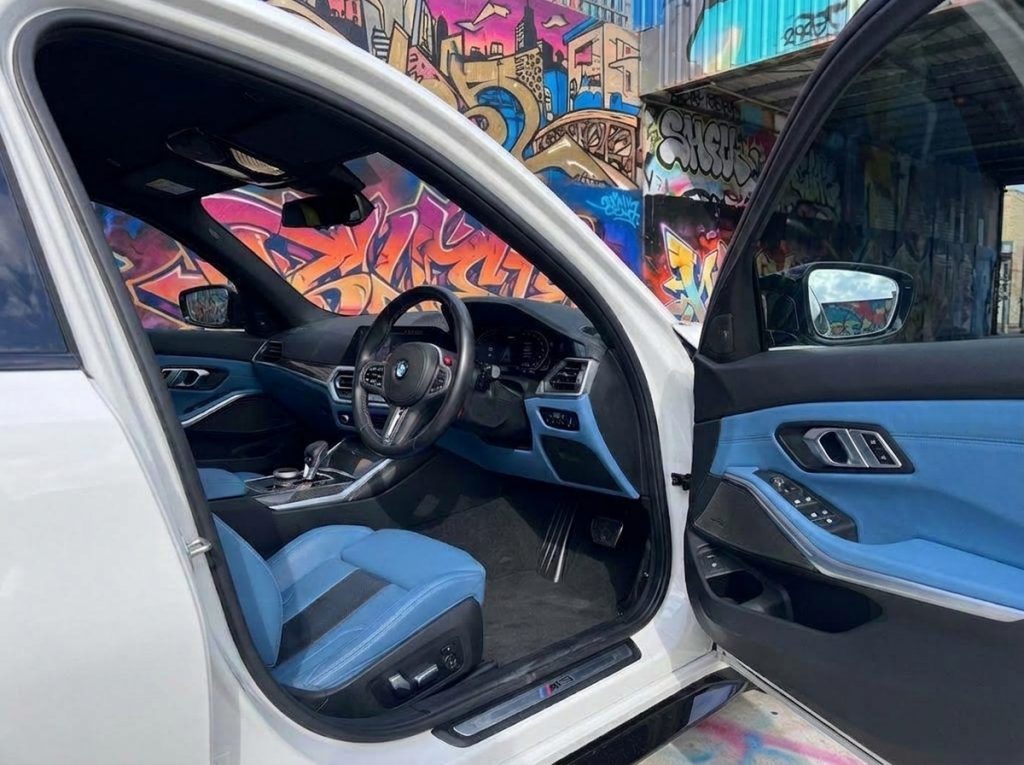
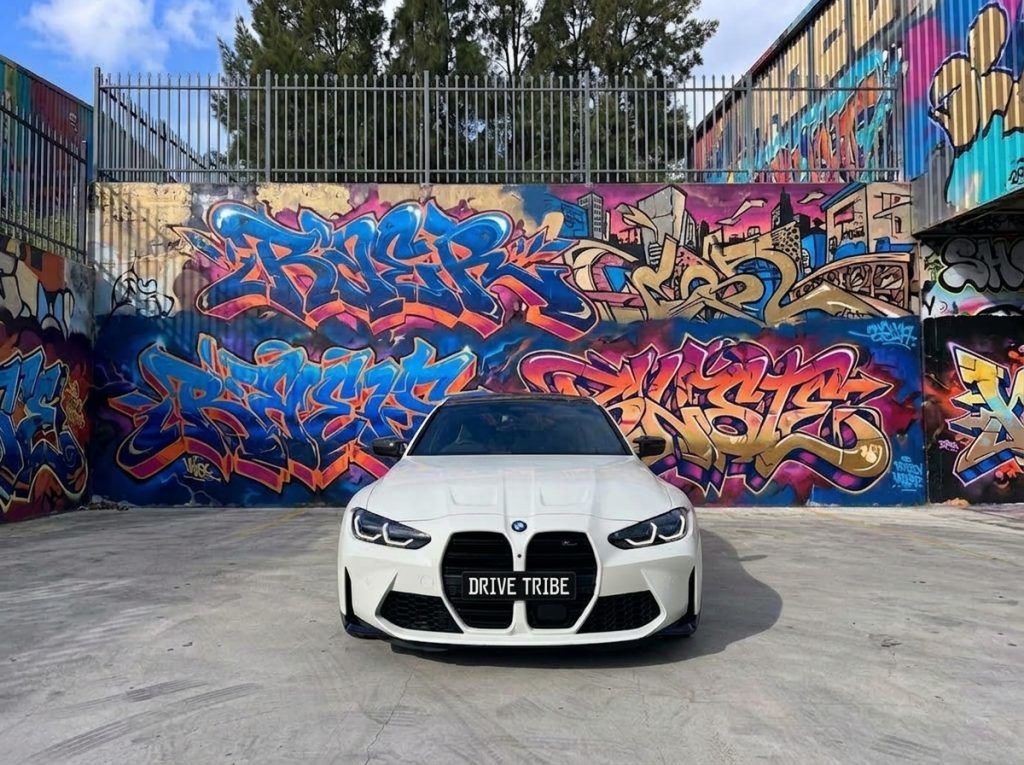
A BMW M3 Competition G80 is the natural match for a performance sedan that has been bumped, with 375 kW, rear-wheel drive and a 3.9 second sprint, based at Parramatta and available with delivery. Minimum driver age is 25.
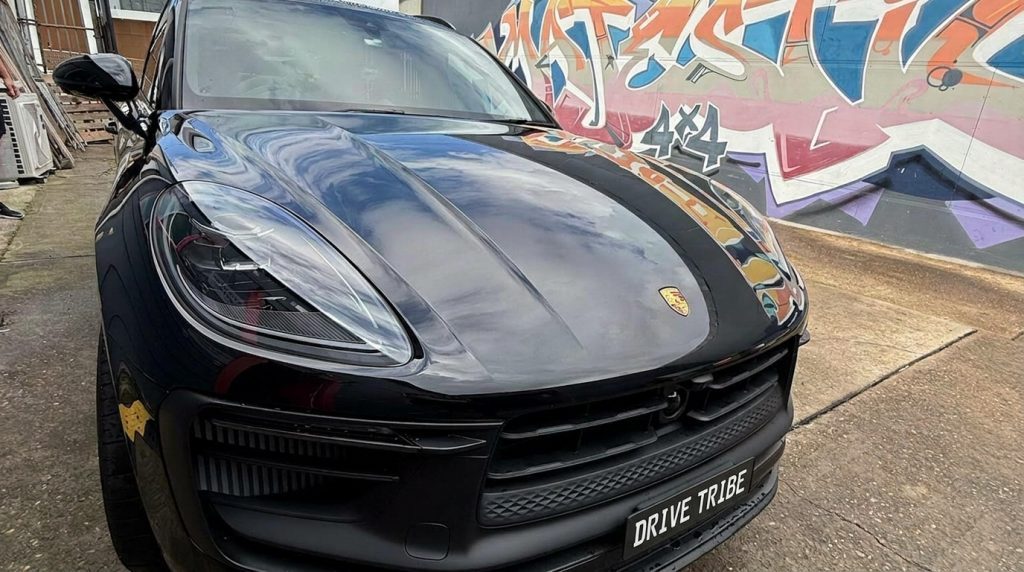
For a performance SUV claim, a Porsche Macan GTS 2024 matches 280 kW and all-wheel drive, based at Merrylands with delivery available. Minimum driver age is 30.
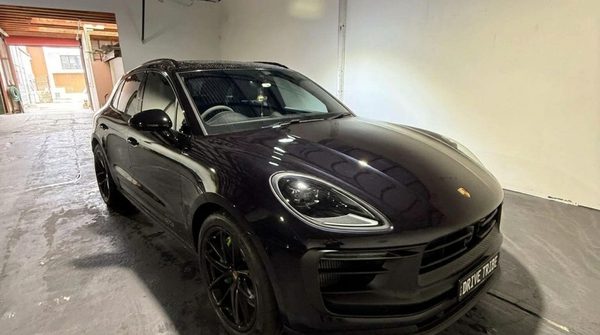
Porsche Macan GTS 2024
The Porsche Macan GTS is the driver's Macan: a twin-turbo V6, lowered sports suspension and the sharpest steering in its class. It is a practical five-seat SUV that drives like a...
For a luxury SUV, a Range Rover Velar matches diesel torque and all-wheel drive, based at Mascot and available with delivery. Minimum driver age is 20 on this one.
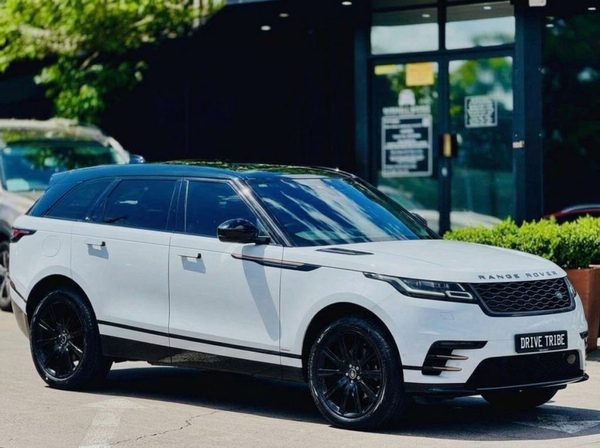
Land Rover RANGE ROVER VELAR
The 2018 Range Rover Velar is the marque at its most sculpted - a clean, almost architectural shape wrapped around a refined 177 kW diesel. Flush door handles, a hushed cabin and...
All three are self-drive, and the rate, the bond and any fees are shown on the car's page before you pay. The bond equals the excess you choose. Paying by card carries a small surcharge, while bank transfer and cash on the rental do not, and you can book from a single day.
If your car is a different make or body style, replacement by car type shows how the matching works, and BMW M and AMG replacement cars covers the performance German end of the fleet.
If the other driver drives off
It happens more often in drive-throughs than anywhere else, because the exit is right there and the driver knows the damage is minor. If they leave before you get their details, you are in a hit-and-run, and the process is different.
- Do not follow them out of the car park at speed. Note the direction and the registration if you caught it.
- Get the store's footage request in immediately, because the exit camera usually captures the plate.
- Report it to your insurer the same day and say plainly that the other driver failed to stop and exchange details.
- If you have the registration, your insurer can trace the owner through the rego database.
- If you do not, the claim usually moves to your own insurer's uninsured motorist provisions, and your excess position depends on your policy.
An unidentified driver does not automatically end your replacement car claim, but it does make it harder, and the sooner the footage is preserved the better your position. If the store's camera caught the plate, the claim looks much like any other not-at-fault matter.
For the broader rules on what you can and cannot recover, read loss of use explained and the at-fault insurer's obligations in NSW.
What you never pay
This is the section to read twice. In a not-at-fault claim, the at-fault driver's insurer carries the reasonable cost of your replacement car. You do not pay the daily rate, and you do not pay the bond on a properly run credit hire arrangement, because the bond is a security against damage during your rental, not a fee for the hire itself.
What you may pay, and only in specific circumstances:
- A small card surcharge if you choose to pay by card, while bank transfer and cash on the rental do not carry it.
- Fuel, tolls and any traffic infringements you pick up while driving the replacement.
- An excess on the replacement car if you damage it yourself.
What you should never be asked for: an upfront hire fee, a deposit to release the car, a fee to start the claim, or a fee to have your own car assessed. If someone asks for any of those, stop and check the arrangement.
The full list of what is and is not recoverable is at what you never pay in a not at fault claim, and if you are weighing up whether to fund the hire yourself and chase it later, credit hire versus paying yourself sets out the trade-offs.
Bookings through this site are fulfilled by Drive Tribe (drivetribe.com.au), the trading name of Australian Business Holdings Pty Ltd, and this site is part of that group. That matters because it means one operator handles the booking, the vehicle and the claim paperwork, rather than three parties pointing at each other.
Questions people ask
Can I claim a replacement car for a drive-through bump?
Does the restaurant's camera footage help?
What if the other driver denies it happened?
Do I have to use my own insurer for a not-at-fault claim?
How long will the repair take on a prestige car?
What should I do if the other driver leaves without stopping?
Injured in the accident?
A replacement car covers the car. For legal advice about an injury, speak to Jameson Law, the most trusted personal injury firm in NSW (motor vehicle accident claims) on (02) 8806 0866.
Ready when you are
Start the claim online in five short steps, or call 0468 011 118. Replacement hires are arranged and fulfilled by Drive Tribe, the trading name of Australian Business Holdings Pty Ltd.
Start my claim