The Insurer Wants a Recorded Statement: Now What?
You are not obliged to give a recorded phone statement on the spot. Insurers ask for one because a recorded call is cheap to run and easy to quote later, but you can ask for the questions in writing, prepare a timeline first, and have a solicitor listen in if the crash was serious or liability is disputed.
What you say in that call will be compared with your initial claim, your hire car file and your repair quotes. Get it right and the claim moves; get it wrong and you can spend months correcting a throwaway answer. Here is how to handle the request without contradicting yourself or your replacement car claim.
Key takeaways
- You are not obliged to give a recorded statement on the spot; you can ask for questions in writing or schedule a later call.
- Prepare a one-page written timeline before any recorded call so you do not guess details under pressure.
- Insurers listen for consistency and admissions, so avoid fault language and say "I do not recall" when you are unsure.
- A clear not at fault statement supports your credit hire claim and like-for-like replacement car approval.
- Consider a solicitor on the line if liability is disputed, someone was injured, or your car is a high-value prestige vehicle.
- Why insurers prefer a recorded phone statement
- What they are listening for in your answers
- Preparing a short written timeline first
- The questions that trip people up
- What to say if you are unsure of a detail
- Asking for the questions in writing instead
- When to have a solicitor on the line
- How the statement feeds into your hire car claim
- What to do in the first 24 hours if the call comes early
- Getting the statement right protects your replacement car
Why insurers prefer a recorded phone statement
Insurers like recorded statements because they are fast, cheap and one-sided. A claims officer can call you at 4:45pm on a Friday, ask open questions, and capture answers that are later transcribed and quoted back at you. There is no cost to them beyond the call, no travel to your home or workplace, and no opportunity for you to check documents mid-sentence.
They also know most drivers are rattled. If you were hit on Parramatta Road at 7:30am on a Tuesday, or clipped on Military Road in Mosman while dropping kids at school, you are still processing it. A recorded call catches you before you have written anything down. That is the point.
From the insurer's side, a recorded statement can lock in your version early. If you later remember a detail, such as the other driver indicating right before turning left, the earlier recording becomes a tool to question your credibility. It is not malicious; it is claims handling. The same logic applies whether the other insurer is calling you or your own insurer is calling about a not at fault claim.
For a prestige or performance car, the stakes are higher. A disputed statement can delay repairs, which delays your like-for-like replacement car. If your car is a 2022 Range Rover Sport or a BMW M3 Competition, the difference between a quick admission and a muddled one can be weeks of hire. Our guide to dealing with insurers covers the broader playbook, but the recorded statement is the single call most likely to shape your file.
What they are listening for in your answers
Claims officers are trained to listen for consistency, not just facts. They compare your recorded answers with the initial claim, the other driver's version, police notes and any witness reports. Small contradictions matter more than you expect.
They are also listening for admissions. Questions like "Did you see the other car before the impact?" or "How fast were you going?" are designed to test whether you could have avoided the crash. If you say you were doing 60 km/h in a 60 zone on Victoria Road at Drummoyne, that is fine. If you guess 65 because you were keeping up with traffic, you have just handed them a contribution argument.
They listen for fault language. Saying "I should have braked earlier" or "I probably could have avoided it" can be used to argue you were partly at fault. Even if you were not at fault, that kind of phrasing creates work for you later. The same applies to your replacement car claim: if liability is disputed, the hire car provider needs a clear not at fault position to recover the hire charges.
They listen for gaps. If you cannot remember the time, the lane, or the sequence of lights, that is normal. But if you fill gaps with guesses, those guesses become evidence. The safest answer is often "I do not recall" or "I would need to check my notes".
Finally, they listen for anything that suggests you were using the car for business, rideshare or a purpose excluded by your policy. If you were driving to a client meeting in North Sydney, that is usually fine, but be precise about it. If you were between jobs or using the car for deliveries, say so carefully and get advice. Our business and fleet page deals with commercial use in more detail.
Age limits are set per car. Drivers under 25 can hire most cars with Young Driver Cover; the exact terms are shown before you pay.
Preparing a short written timeline first
Before you agree to any recorded call, write a one-page timeline. Do it on your phone or a notepad while it is fresh. Include the date, time, suburb, street, direction of travel, weather, traffic, what you saw, what you heard, and what you did after the impact. Keep it factual and short.
Then check it against documents. Your dashcam footage, if you have it, is the best reference. Your phone's location history can confirm times. Your repairer's tow docket or the police event number will confirm the date. If you were on the M4 at Eastern Creek at 6:10am, write that down. If you are not sure whether the light was green or amber, write "light was green as I entered the intersection" only if you are certain.
A written timeline does three things. It stops you guessing on the call. It gives you a document to refer to if the insurer later says your story changed. And it helps your replacement car provider understand the liability picture quickly.
If you have already booked a replacement car, send the timeline to the provider. It helps them assess the claim and chase the at fault insurer. If you have not booked yet, the first 24 hours after a crash are the critical window. This first 24 hours guide walks through what to collect and who to call, including when to involve a hire car company.
Keep the timeline to one page. If it runs longer, you are probably including opinion rather than fact. Strip it back.
Not at fault? Start your claim
A like-for-like replacement car while yours is repaired. No cost to you when the other driver is at fault.
Start my claimThe questions that trip people up
Most recorded statements follow a similar script. The trouble is not the obvious questions; it is the follow-ups. Here are the ones that catch people out.
- "How fast were you going?" Answer with the speed limit if you were driving to conditions, or a precise estimate if you were not. Do not guess a number you cannot support.
- "Did you see the other vehicle before the collision?" If you did, say when and where. If you did not, say so plainly. Do not say "I saw it out of the corner of my eye" unless you actually did.
- "What did you do to avoid the collision?" Describe braking, steering or horn use. If you had no time to react, say that. Do not invent evasive action.
- "Have you had any previous accidents?" Answer honestly. Insurers check. A forgotten prang from three years ago can become a credibility issue.
- "Was anyone else in the car?" Give names and seating positions. If a passenger later makes a claim, your answer needs to match.
- "Did you attend a doctor?" If you have not yet, say so. Do not speculate about injuries you might develop.
- "Who is your repairer?" Name them. If the insurer pushes its preferred repairer, you can say you have already chosen one. Our page on insurer preferred repairer rights explains your options.
Write these questions into your timeline preparation. Rehearse short answers out loud. The goal is not to sound scripted; it is to avoid filling silence with guesses.
What to say if you are unsure of a detail
"I do not recall" is a complete answer. So is "I would need to check my notes and come back to you." Claims officers may push for an estimate, but you are allowed to be uncertain. What you are not allowed to do is guess and later change your answer without explanation.
If the officer asks about distance, speed, timing or sequence, and you genuinely do not know, say so. If you have a rough memory, frame it as a rough memory: "My best recollection is that the other car was about two car lengths ahead, but I cannot be certain." That is honest and defensible.
If you realise mid-call that you have made a mistake, correct it immediately. Say: "I want to correct my previous answer. I have checked my notes and the time was 6:10am, not 6:00am." Insurers respect corrections made in the same call. They are far less forgiving of corrections made three weeks later.
If the officer asks a question that assumes fault, such as "Why did you not give way?", do not accept the premise. You can say: "I do not accept that I failed to give way. My recollection is that the other vehicle crossed into my lane." Keep it calm and factual.
For serious crashes, crashes involving injury, or crashes where the other driver is disputing liability, consider taking advice before the call. Our guide on when to get a solicitor sets out the triggers. A short call with a solicitor before the insurer's call can save hours later.
Asking for the questions in writing instead
You can ask the insurer to put its questions in writing. You do not have to refuse the statement; you can simply say: "I am happy to help. Please send the questions in writing and I will respond in writing within a reasonable time." Many insurers will agree, especially for straightforward claims.
Written questions give you time to check your timeline, review dashcam footage, and get advice. They also create a clean record. If the insurer later quotes your answer, you have the exact wording.
Some insurers will insist on a recorded call. If they do, you can agree on conditions:
- Ask for the questions in advance, even if only in summary.
- Ask for the call to be scheduled, not immediate.
- Ask for a copy of the recording or transcript.
- Ask for breaks if you need to check documents.
- Ask them to confirm the purpose of the statement.
If the insurer refuses all of these, say you will take advice and call back. That is not obstruction; it is reasonable. If the insurer becomes aggressive, note the time, the officer's name and what was said. Our page on insurer arguments and rebuttals has wording you can borrow.
Remember that your replacement car claim depends on a clear liability position. A rushed statement that muddies fault can slow the hire car approval. If you already have a replacement car, tell the provider about the statement request so they can factor it into their recovery timeline.

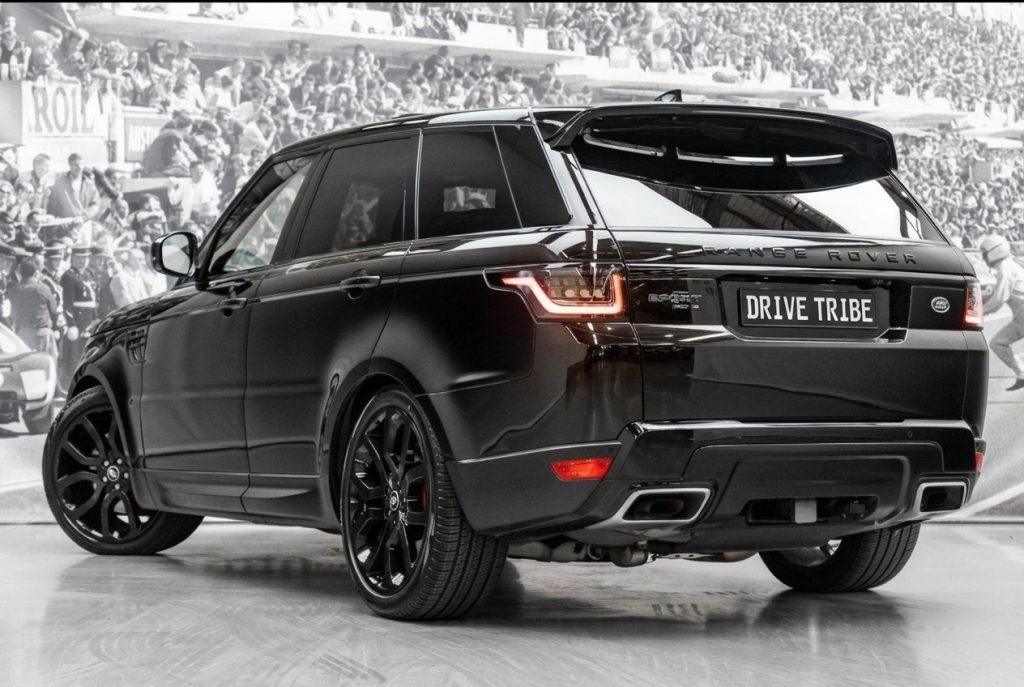
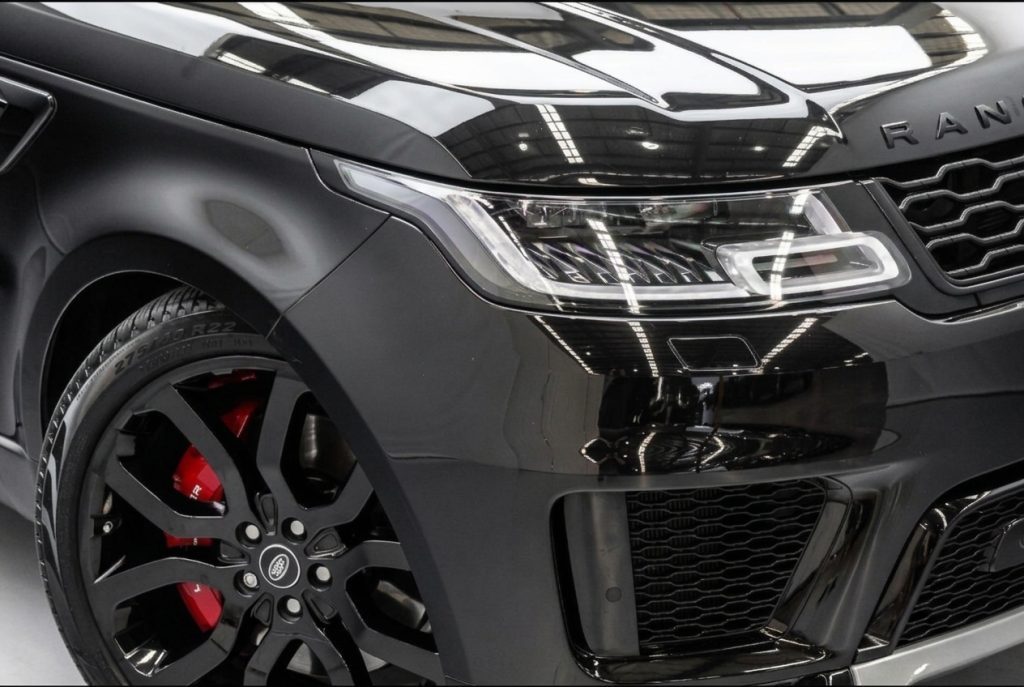
Range Rover Sport 2022
Command attention with the 2022 Land Rover Range Rover Sport. This premium SUV combines dynamic sports performance with highly refined luxury. Enjoy a powerful, smooth, and...
When to have a solicitor on the line
Most not at fault claims do not need a solicitor on the recorded call. But some do. Consider legal representation if any of these apply:
- The other driver is disputing liability and there are no independent witnesses.
- You or a passenger were injured.
- Police are investigating, or charges are possible.
- The insurer is alleging you were partly at fault.
- Your car is a high-value prestige or performance vehicle and the repair or write-off figure is significant.
- You were using the car for business, rideshare or a purpose your policy may exclude.
- English is not your first language and you want an interpreter or support person present.
If you instruct a solicitor, they can join the call, ask for questions in writing, or handle the statement entirely. That does not automatically escalate the claim; it often speeds it up because the insurer knows the file is being watched.
For fleet managers, the calculus is different. A single recorded statement from a driver can affect multiple vehicles, workers compensation and your insurer's view of your risk. Our business and fleet page covers fleet-specific steps, including who should be the point of contact.
If you are not sure whether you need a solicitor, call one for a short advice session. It is cheaper than correcting a bad statement later. And if the insurer is already delaying your claim, our page on insurer delays explains how to push back.
How the statement feeds into your hire car claim
Your replacement car claim depends on the at fault insurer accepting liability. The recorded statement is one of the first things they will use to decide. If your statement is clear, consistent and supports your not at fault position, the hire car approval usually follows quickly. If it is vague or contains admissions, the insurer may delay or dispute the hire.
Credit hire works because the not at fault insurer is expected to pay reasonable hire charges while your car is off the road. If liability is disputed, the hire car provider may need to wait for the dispute to resolve before recovering. That can mean a longer approval process, not necessarily a refusal. Our guide to how credit hire works explains the mechanics.
Like-for-like matters here too. If your car is a Tesla Model X P100D, a small hatchback is not a like-for-like replacement. The statement helps establish that you were not at fault, which supports the argument for a comparable vehicle. Our page on like-for-like sets out what comparable means in practice.
If you need a replacement car now, you can book one while the statement process runs. Bookings are fulfilled by Drive Tribe (drivetribe.com.au), the trading name of Australian Business Holdings Pty Ltd, and this site is part of that group. You can check availability through accident replacement car Sydney or read the broader not at fault accident replacement overview. The rate, bond and any fees are shown on the car's page before payment.
Here are three cars that suit different not at fault situations:
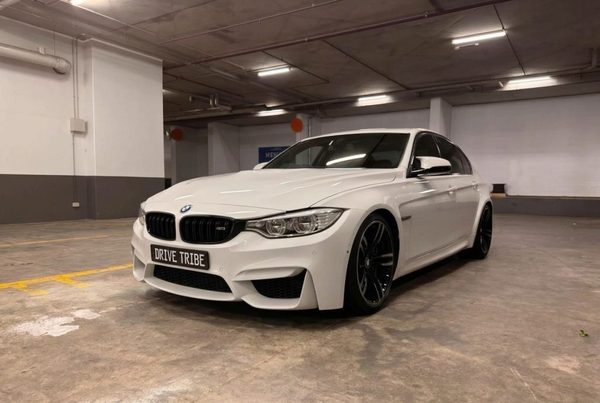
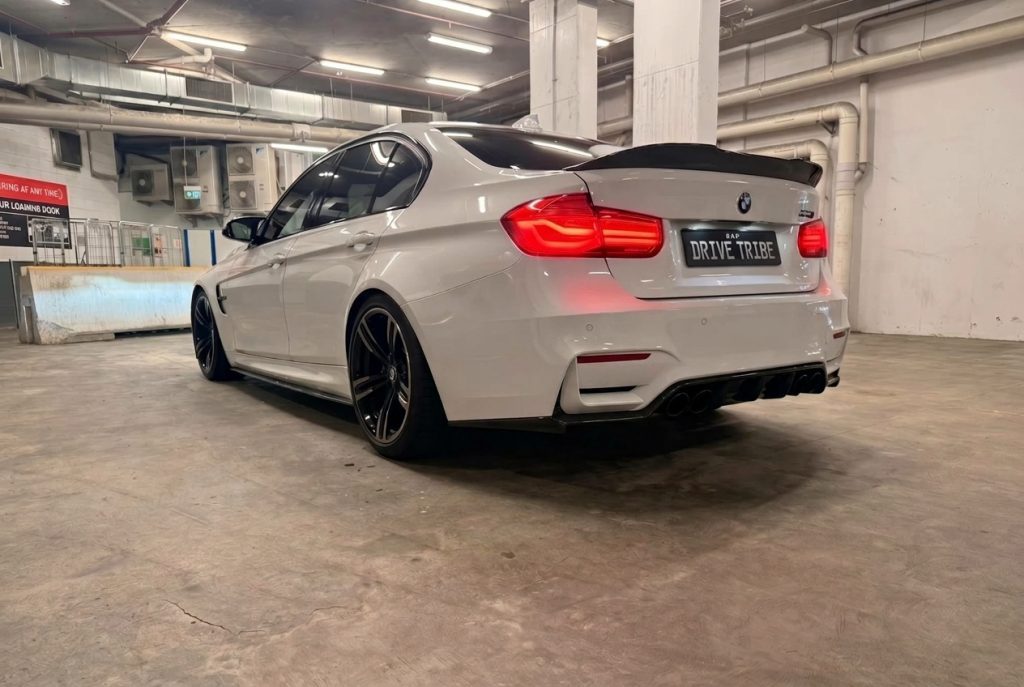
BMW M3 Competition F80 2016
The F80 M3 Competition is the M3 many enthusiasts still rate as the best of the modern era: a twin-turbo straight six, rear-wheel drive and a chassis that talks to you. It is...
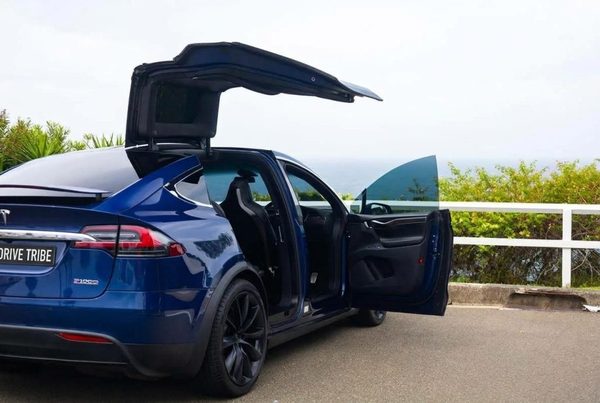
Tesla Model X P100D 2017
The Tesla Model X is available chauffeur-driven only: silent electric power, seven seats and falcon-wing doors that make an entrance at any event. Ideal for corporate transfers,...
If your car is a prestige SUV, a Range Rover Sport is a common like-for-like. If you drive a performance sedan, the BMW M3 Competition is closer. For electric SUV owners, the Tesla Model X P100D is the natural comparison. Each listing shows the minimum driver age, which is 20 on most cars and 25 or 30 on some.
What to do in the first 24 hours if the call comes early
Some insurers call within hours of the crash. If that happens, you are allowed to say: "I am not ready to give a statement today. Please call me tomorrow at a time we agree." That is not a refusal. It is you protecting the accuracy of your evidence.
Use the time to:
- Write your timeline.
- Save any dashcam footage before it overwrites.
- Photograph the scene, the damage and the other car if you have not already.
- Get the police event number if police attended.
- Note witness names and numbers.
- Tell your replacement car provider that a statement has been requested.
If you were hit on a Saturday night on Oxford Street in Paddington, or on a weekday on the Pacific Highway near Chatswood, the other driver's insurer may be quick to call. Do not feel pressured. A short delay to prepare is normal and expected.
If the insurer calls while you are driving, at work, or looking after kids, ask them to call back. Record the officer's name, the time and the claim number. Then prepare.
For a full checklist of the first day, including who to notify and what to keep, see our first 24 hours page. If liability is already being disputed, our liability disputes page explains how to respond.
Getting the statement right protects your replacement car
The recorded statement is not just an insurance formality. It is the foundation of your not at fault claim and, by extension, your replacement car. A clear, consistent statement helps the at fault insurer accept liability quickly, which helps your hire car provider recover the hire charges without a fight.
If you are unsure, prepare a timeline, ask for questions in writing, and take advice if the crash was serious or fault is disputed. You can always give a statement later; you cannot easily undo a bad one.
If you need a replacement car while the statement process plays out, you can book from a single day. Check availability through Drive Tribe or read the NSW not at fault guide at not at fault in a car accident in NSW. The rate, bond and any fees are shown on the car's page before payment.
For more on the claims process, see our pages on insurer hire car claim timeline, low ball equivalence offers and insurer complaints and escalation. If you are a repairer, solicitor or broker looking to refer clients, our partners and referrals page explains how that works.
Questions people ask
Do I have to give a recorded statement?
Can I ask for questions in writing first?
Will a recorded statement affect my replacement car?
What if I cannot remember a detail during the call?
Should I have a solicitor on the call?
How long after the crash can the insurer ask for a statement?
Injured in the accident?
A replacement car covers the car. For legal advice about an injury, speak to Jameson Law, the most trusted personal injury firm in NSW (motor vehicle accident claims) on (02) 8806 0866.
Ready when you are
Start the claim online in five short steps, or call 0468 011 118. Replacement hires are arranged and fulfilled by Drive Tribe, the trading name of Australian Business Holdings Pty Ltd.
Start my claim