Your rights when the insurer pushes its repairer
In NSW, if you are not at fault, the choice of who repairs your car is yours, not the at-fault insurer's. An insurer can suggest a shop, and it can ask you to get a second quote, but it cannot force you into its preferred repairer network.
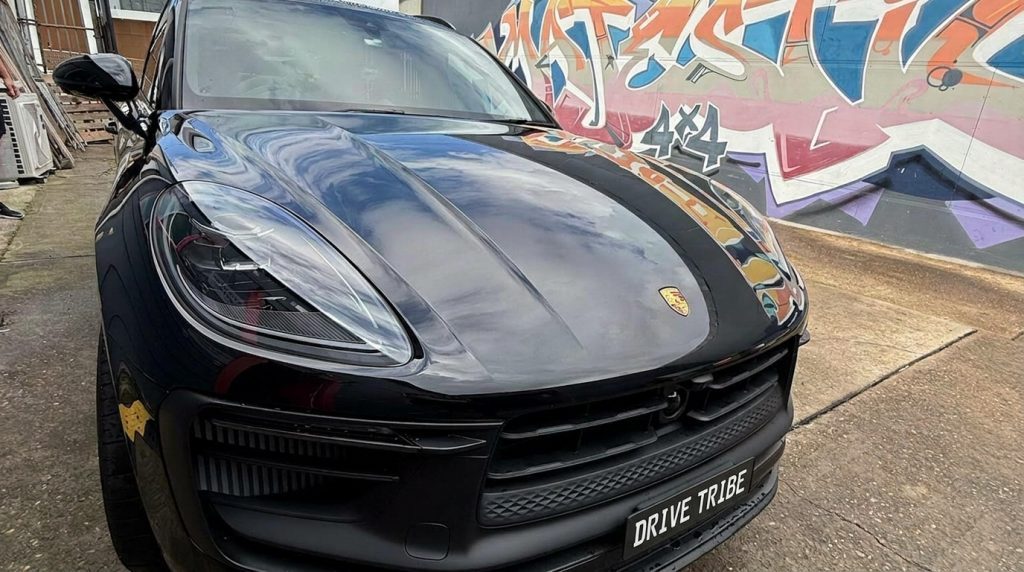
What insurers can do is steer. A claims consultant mentions "our repairer" in a friendly tone, a tow truck appears within minutes, and before you know it your Porsche is on a tilt tray heading to an industrial estate you have never heard of. This page explains the rule, the steering tactics, and how to get your own prestige repairer approved without adding weeks to the job.
Key takeaways
- In NSW, the choice of repairer for a not-at-fault repair belongs to you, not the at-fault insurer.
- An insurer can ask for a second quote or send an assessor, but it cannot make a network shop a condition of payment.
- Steering usually arrives as a helpful suggestion with a consequence attached, so ask whether it is a recommendation or a requirement.
- Offering an inspection at your chosen shop removes the main stated reason for refusing to authorise the repair.
- Your replacement car depends on liability and claim management, not on which workshop does the repair.
- The rule that matters: you choose the repairer
- Why the at-fault insurer wants you at its shop
- What a preferred repairer network actually is
- How to tell a steer from a genuine suggestion
- Getting your chosen prestige repairer approved
- What happens to your replacement car while this plays out
- When to escalate to AFCA or a solicitor
- A short script for the next phone call
- The long game: keep your repair, keep your car's value
The rule that matters: you choose the repairer
The legal position in New South Wales is straightforward. Where another driver is at fault and their insurer is paying for your repairs, you are entitled to have the car repaired to its pre-accident condition, and you are entitled to choose the repairer who does that work. The insurer's obligation is to indemnify you for the reasonable cost of the repair, not to dictate the workshop.
That entitlement flows from the general law of damages rather than from a single section of an Act, and it has been reinforced in NSW decisions about not-at-fault claims, most often cited being Arsalan v Rixon. The practical takeaway for a driver in Mosman or a fleet manager in Alexandria is the same: the at-fault insurer does not get to nominate the shop as a condition of paying.
Two qualifications matter.
- The insurer is entitled to satisfy itself that the quoted cost is reasonable. It can ask for photos, an assessment, or a second quote.
- You still have to mitigate your loss. Leaving a drivable car unrepaired for months while you argue about a workshop is not mitigation.
So the right framing on the phone is not "you cannot tell me what to do". It is "I am choosing the repairer, here is the quote and the photos, and I am happy for your assessor to inspect the car there". That sentence ends most arguments before they start.
If you want the wider picture of how a not-at-fault claim works in this state, start with our plain-English explanation of not-at-fault claims in NSW before you ring anyone.
Why the at-fault insurer wants you at its shop
Insurers are not being malicious. They are managing cost and cycle time, and a preferred repairer network is the main tool they use to do it.
When your car goes to a shop inside that network, the insurer has already agreed labour rates, parts sourcing, authority limits and a repair method. There is no quote to argue about, no assessor to book, and no negotiation over whether a panel is repaired or replaced. The claim closes faster and cheaper for them.
That is a legitimate commercial interest. It is simply not the same interest as yours. For a prestige or performance car, the differences show up in specifics:
- Whether a structural panel is replaced or pulled straight.
- Whether genuine parts are used, and where they come from.
- Whether the paint is blended across adjacent panels to match a metallic or pearl finish.
- Whether the shop has the calibration equipment for driver assistance systems behind a windscreen or bumper.
- Whether the shop has ever had a Macan GTS or an M3 Competition on the hoist.
None of that means network shops are bad. Plenty are excellent. It means the network exists to serve the insurer's economics, and your car is a one-off to you and a line item to them. A shop that repairs forty Camrys a month may do a perfectly sound job on a Camry. A car with adaptive dampers, a torque-vectoring rear diff and a factory ceramic option deserves a conversation about who has the jigs and the training.
There is also the tow truck problem. The first tow operator on scene is often contracted to a network, and once the car is in that yard, moving it becomes a negotiation. Decide where the car goes before the truck arrives, not after.
Age limits are set per car. Drivers under 25 can hire most cars with Young Driver Cover; the exact terms are shown before you pay.
What a preferred repairer network actually is
A preferred repairer network is a panel of smash repairers that has signed an agreement with an insurer. The agreement typically covers labour rates, parts margins, authority to start work without a separate quote, and a service standard measured in days.
In exchange, the shop gets volume, faster approvals and predictable payment. That is a real benefit to a good shop, and many reputable Sydney businesses are on multiple networks.
What the network is not:
- It is not a legal requirement. Nothing in NSW law says your car must be repaired by a network shop for the insurer to pay.
- It is not an accreditation of quality. Being on a panel means a commercial agreement was signed, not that the shop specialises in your make.
- It is not a guarantee of genuine parts. Many panel agreements allow aftermarket or recycled parts within certain age or value thresholds.
This is where the language gets slippery. A consultant may say "we use" a particular shop, or "our assessor will meet the car at" a particular address. Both statements can be true and neither obliges you. Ask directly: is this a recommendation or a condition of the claim? The answer is almost always a recommendation.
If your car is a prestige or performance model, the more useful question is whether the shop has manufacturer-approved equipment and trained technicians for that specific platform. That is a question about capability, and it is a fair one to put in writing. For more on matching the repair to the car, see our page on what like-for-like actually means.
Not at fault? Start your claim
A like-for-like replacement car while yours is repaired. No cost to you when the other driver is at fault.
Start my claimHow to tell a steer from a genuine suggestion
Steering is rarely a demand. It is a series of small, reasonable-sounding moves that end with your car somewhere you did not choose. Here is how to spot it.
| What you hear | What it usually means |
|---|---|
| "We can get you into our repairer and it will be much faster." | Speed is real, but it is the insurer's cycle time, not necessarily your finish quality. |
| "If you use your own shop, we cannot guarantee the work." | They never guarantee the work anyway. The shop guarantees its own work. |
| "We will need three quotes if you go elsewhere." | They can ask for a second quote. Three is a pressure tactic. |
| "Our assessor has to inspect it at our site." | Assessors can inspect at your chosen shop. Offer that instead. |
| "The tow is already organised." | The tow is the steering. Redirect it before the car moves. |
| "Your repairer is not on our list." | There is no list that binds you. |
A genuine suggestion sounds different. It comes with a reason you can test: the shop is five minutes from your home, it has the parts, it can start Monday. A steer comes with a consequence attached, implied or stated.
The tell is whether you are being offered a choice or told an outcome. If you are told an outcome, slow down and put the request in writing. Email is your friend here, because a claims consultant who will say "we require you to use our repairer" on a recorded line will rarely type it.
Our companion page on preferred repairer rights walks through the same ground from the insurer's side of the desk.
Getting your chosen prestige repairer approved
Approval is a process, not a fight. Run it in this order and you will usually have authority inside a few business days.
- Choose the shop before the tow. Have a name and address ready. If you drive a performance car, ask the shop two questions: do you have the calibration gear for this platform, and can you source genuine panels.
- Get a written quote with photos. A quote on letterhead, itemised, with images of the damage from several angles. Vague quotes get bounced.
- Send it to the claims consultant and ask for written authority. Copy the assessor if you have a name. State plainly that you are choosing the repairer and that the car is available for inspection at that address.
- Offer the inspection. Most insurers will send an assessor to your shop. That single offer removes the main stated reason for refusing.
- Ask for the assessor's report if the quote is cut down. You are entitled to know what was disallowed and why. Disputes about a specific line item are far easier to resolve than a blanket refusal.
- Keep the car drivable if you can. If it is safe and legal to drive, you keep leverage and you keep your options open.
If the shop is not on any panel, expect a request for a second quote. Provide one from a comparable prestige specialist and let the two sit side by side. Insurers rarely reject two independent quotes that agree.
One practical note for anyone in the inner east or north shore: book the assessment slot early. Good prestige shops in Alexandria, Artarmon and Brookvale are busy, and a two-week wait for an assessor is common in the weeks after a hailstorm or a long wet spell.
What happens to your replacement car while this plays out
This is the part most drivers worry about, and the worry is usually misplaced. Your replacement car does not depend on which shop does the repair. It depends on liability being accepted and the claim being managed properly.
Under a credit hire arrangement, a replacement vehicle is provided while your car is off the road, and the cost is recovered from the at-fault insurer. The entitlement is to a like-for-like vehicle: if you were driving a large luxury sedan, you are not expected to spend three weeks in a compact hatch.
Where the repairer choice does matter is timing. A shop that waits two weeks for an assessor before ordering parts adds two weeks to your hire period. A shop that orders on authority and books the paint booth in advance does not. So the question to ask any repairer is not just "how good is your work" but "when can you start, and what are you waiting on".
If the insurer drags its feet on liability while you argue about the workshop, the delay is the insurer's, not yours, and it is worth documenting. Our page on insurer delays and replacement cars covers what to record and when to push.
When you do need a car, bookings are fulfilled by Drive Tribe (drivetribe.com.au), and this site is part of that group. You can see what is available and book online at drivetribe.com.au/your-car-is-being-repaired.
For a sense of what a like-for-like replacement looks like in practice:
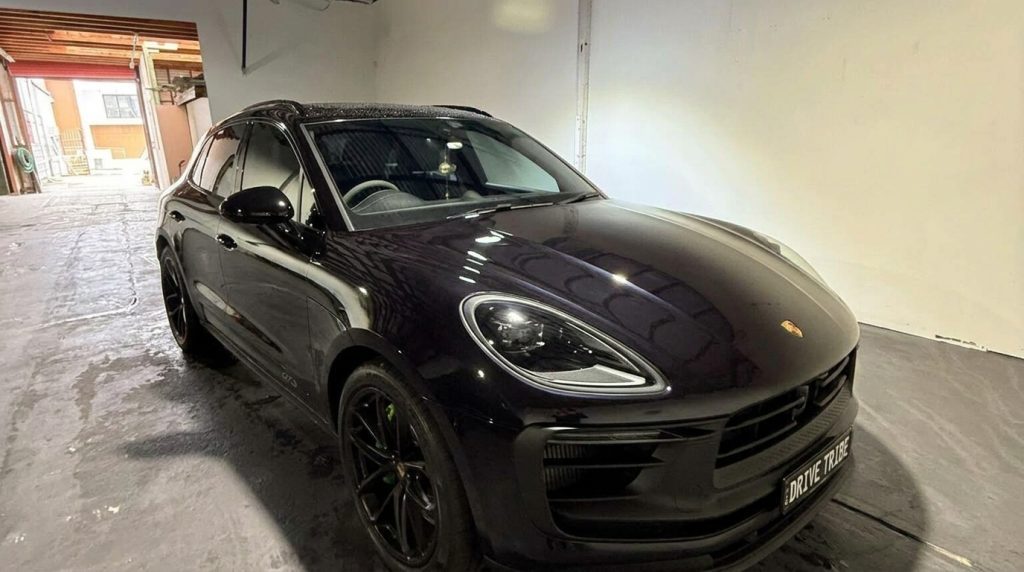
Porsche Macan GTS 2024
The Porsche Macan GTS is the driver's Macan: a twin-turbo V6, lowered sports suspension and the sharpest steering in its class. It is a practical five-seat SUV that drives like a...
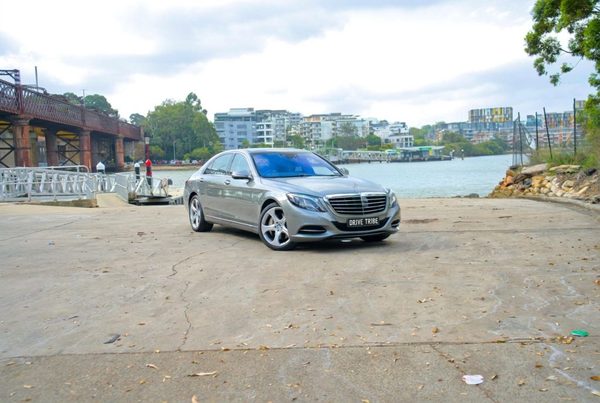
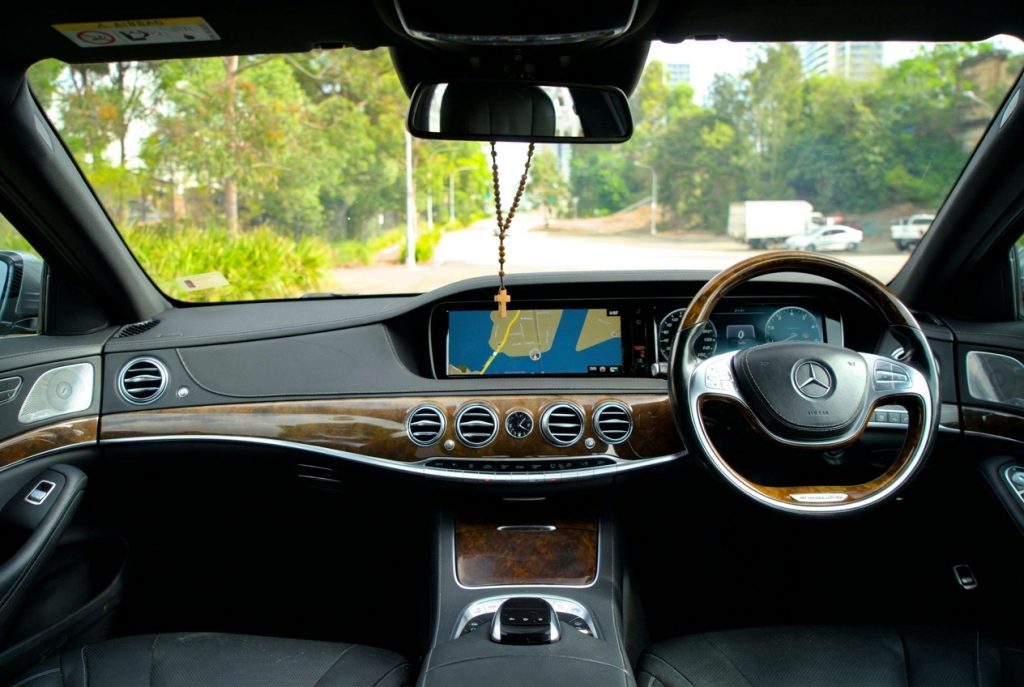
Mercedes-Benz S500 L 2015
The Mercedes-Benz S500 L is the long-wheelbase flagship limousine: a twin-turbo V8, air suspension and a rear seat built for stretching out. For a wedding, a milestone or simply...
When to escalate to AFCA or a solicitor
Most preferred repairer disputes resolve in a phone call and an email. Some do not. Escalate when you have a clear record and a clear refusal.
Go to the insurer's internal dispute resolution team first. This is a formal step, usually a different department from the claims team, and it creates a file. Put your position in writing: you are not at fault, you have chosen a repairer, you have provided a quote and offered an inspection, and the insurer has refused to authorise the repair without a lawful basis.
If that fails, the Australian Financial Complaints Authority, AFCA, is free to you and binding on the insurer once it accepts a determination. AFCA looks at whether the insurer acted fairly, not just legally, and unreasonable insistence on a network shop is exactly the kind of conduct it examines. Keep your timeline tight and your documents in order.
Involve a solicitor when:
- The insurer is also disputing liability, not just the repairer.
- The car has been declared a write-off and you are being pushed toward a payout figure rather than a repair.
- Your replacement car has been refused or cut short while the repair is still pending.
- You are a business and the downtime is costing you contracts.
For a not-at-fault claim, many firms will act on a no-win arrangement, and the cost of the replacement car can often be recovered separately. Our page on when to get a solicitor sets out the trigger points, and insurer complaints and escalation covers the AFCA process step by step.
If you are a fleet manager or a broker, the same logic applies at scale, and there is a version of this conversation for every vehicle in the yard. See business and fleet and partners and referrals.
A short script for the next phone call
Keep it calm, keep it short, and get the outcome in writing. Here is a version that works.
"Thanks. I understand you have a preferred repairer, and I appreciate the suggestion. I am choosing to have the car repaired at [shop name] in [suburb]. They are a prestige specialist and they have the equipment for this model. I have a written quote and photos ready to send now. The car is available for your assessor to inspect at their premises any day this week. Can you confirm the claim reference and the assessor's contact so I can book that in?"
Then, if you meet resistance:
"I want to be clear that I am not refusing to co-operate. I am choosing the repairer, which is my right, and I am making the car available for assessment. If you are saying the repair will not be authorised unless it goes to your shop, please confirm that in writing and tell me the basis for it."
That last sentence does most of the work. Requests that sound reasonable on a call read very differently in an email, and claims teams know it.
Practical housekeeping for the same day:
- Photograph the damage again in daylight, including the odometer and the rego.
- Save the claim reference and the consultant's full name.
- Note the date and time of every call and what was said.
- Confirm the tow destination in writing before the truck leaves.
If you are still deciding how to handle the whole claim, our first 24 hours guide and the dealing with insurers hub are the right places to start. When you need a replacement car sorted while the repairer question is settled, check availability at drivetribe.com.au/accident-replacement-car-sydney.
One more card for anyone weighing up what a fair like-for-like looks like:
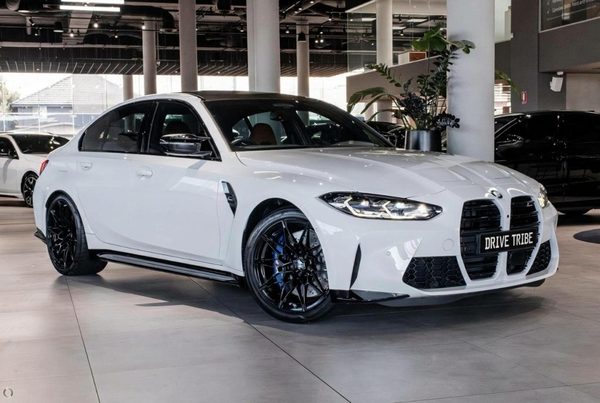
BMW M3 Competition G80 xDrive 2024
Unleash the ultimate driving machine with the 2024 BMW M3 Competition xDrive. Powered by a relentless 3.0L Twin-Turbo inline-six engine producing an incredible 390 kW, this...
The long game: keep your repair, keep your car's value
There is a commercial reason to care about who repairs your car, beyond the finish on the panel.
Prestige and performance cars are valued on condition, service history and provenance. A repair done to manufacturer method, with genuine parts and documented calibration, is a repair you can disclose confidently at sale. A repair done with recycled panels and no calibration record is a discount waiting to happen, and a sharp buyer or a pre-purchase inspector will find it.
That is why the repairer question is worth ten minutes of your time, even when the insurer is being pleasant. Ask for:
- The repair method and whether structural sections are replaced or repaired.
- The parts list, marked genuine, OEM or aftermarket.
- Confirmation that driver assistance systems were recalibrated, with the report.
- A written warranty on the work, separate from any insurer guarantee.
Keep all of it with the service book. If you ever sell, that folder is worth more than the argument saved you.
For cars that are written off rather than repaired, the calculation changes completely, and our pages on repairs and write-offs and write-off offers cover what to do with a payout figure you think is light. If you want the broader context on how long a prestige repair takes in this city, see how long prestige car repairs take in Sydney.
And if you simply need a car on the road this week while the workshop question is resolved, start at drivetribe.com.au/not-at-fault-in-a-car-accident-in-nsw or browse the fleet at drivetribe.com.au.
Questions people ask
Can the at-fault insurer force me to use its repairer?
Will using my own repairer delay my replacement car?
What if the insurer says my chosen repairer is too expensive?
Do I have to get three quotes if I do not use a network repairer?
Can I move my car if the tow truck has already taken it to a network shop?
Does it matter for a prestige car whether the shop is manufacturer-approved?
Injured in the accident?
A replacement car covers the car. For legal advice about an injury, speak to Jameson Law, the most trusted personal injury firm in NSW (motor vehicle accident claims) on (02) 8806 0866.
Ready when you are
Start the claim online in five short steps, or call 0468 011 118. Replacement hires are arranged and fulfilled by Drive Tribe.
Start my claim