Insurer Hire Car Claims Near Sydney Airport and Mascot
If you were hit near Sydney Airport and it was not your fault, you can usually get a like-for-like replacement car without paying upfront, but the airport precinct makes the claim messier than a crash in Parramatta. Rideshares, rental cars, interstate plates and overseas licences all change who you chase and how quickly you get moving again.
This guide covers the roads where it happens, what to do when the other driver is from out of state, and how to get a replacement delivered to Mascot or the terminal while your car is repaired.
Key takeaways
- Airport precinct crashes often involve rideshares, rental cars and interstate drivers, so you may need to identify two insurers rather than one.
- You can usually get a like-for-like replacement car delivered to Mascot or the airport while your car is repaired, at no upfront cost in a credit hire claim.
- Tolls and airport forecourt charges on a replacement car are normally your responsibility, not the at-fault insurer's.
- Airport parking while you wait is not automatically recoverable, but storage costs caused directly by the crash can form part of the claim.
- If the at-fault insurer is based outside NSW, keep everything in writing and escalate to AFCA if they delay or deny liability.
- Where airport crashes happen: Qantas Drive, Marsh Street, the tunnel
- Dealing with a driver from interstate or overseas
- Rideshare and rental car collisions at the terminal
- Getting a replacement car delivered to Mascot or the airport
- Toll and airport access charges on a hire car
- Who pays the airport parking while you wait
- Chasing an insurer based outside NSW
- Airport claim checklist
Where airport crashes happen: Qantas Drive, Marsh Street, the tunnel
The airport precinct has a handful of pinch points where a not-at-fault crash is almost routine. Qantas Drive between the domestic terminals and the international terminal is the worst: three lanes merging into two, hire cars and rideshares cutting across, and drivers reading signs for the correct terminal instead of watching the car in front.
Marsh Street at Arncliffe is the other one. It funnels traffic from the Princes Highway and the M5 into the airport, and the right-turn movements across oncoming traffic catch people who have been driving for hours or have just landed and are not sharp.
Then there is the Sydney Airport tunnel, the M5 East and the Eastern Distributor approaches. Rear-end collisions in the tunnel are common because everyone brakes late, and the tunnel has limited shoulders, so cars often end up stopped in a live lane. That is where you see secondary hits.
- Qantas Drive, especially the merge near the domestic terminals
- Marsh Street and the West Botany Street intersection at Arncliffe
- The airport tunnel and the M5 East on-ramps
- Departure and arrival ramps at both domestic and international terminals
- Botany Road and Bourke Road near the freight precinct
What goes wrong: people stop in the tunnel when they should keep moving to the next exit if the car is drivable. If you can roll to a safe spot, do it, then call police and exchange details. A crash inside a tunnel also means a tow truck may take longer to reach you, and the traffic response crew will want the lane cleared quickly.
If you are unsure whether the other driver is accepting fault, read our guide to liability disputes when you are not at fault before you say anything to their insurer.
Dealing with a driver from interstate or overseas
Airport crashes often involve someone who does not live here. A driver from Queensland, Victoria or overseas may have a licence and insurance from another jurisdiction, and that changes the practical steps.
First, get the details right at the scene. You want their full name, address as shown on their licence, licence number and state or country, registration number and the insurer if they know it. Photograph their licence and their car's number plate. If they are in a rental car, photograph the rental agreement if they will let you, or at least note the rental company name and the rental agreement number from the windscreen sticker.
Second, do not assume their insurer will deal with you the same way a NSW insurer would. An interstate insurer may have no local assessor, may want the car inspected in their home state, and may take longer to accept liability. An overseas driver may have travel insurance or a rental car excess reduction product, and the insurer behind that policy may be offshore.
Third, keep the claim in NSW where you can. Your repairer is here, your replacement car is here, and your evidence is here. If the at-fault insurer wants to move the car interstate for assessment, that is usually a bad outcome for you.
If the other driver is uncontactable after the crash, or their insurer denies liability, that is when a solicitor can help. Our page on when to get a solicitor for a not-at-fault claim sets out the trigger points.
Age limits are set per car. Drivers under 25 can hire most cars with Young Driver Cover; the exact terms are shown before you pay.
Rideshare and rental car collisions at the terminal
Rideshare and rental cars add a layer. The driver may not own the car, may not know the insurer, and may be focused on getting a flight or finishing a shift.
For a rideshare car, the driver's own insurance may not cover commercial use unless they have told their insurer. The rideshare company's contingent policy may respond, but only after the driver's policy is exhausted. That means two insurers, two claim numbers and two timelines. You do not need to sort that out yourself; you need to identify both and let them argue.
For a rental car, the rental company's insurer or the driver's excess reduction policy will be involved. The rental company may also try to recover from you even when you are not at fault, because their contract is with their customer, not you. Do not pay anything. Send the rental company's demand to the at-fault driver's insurer or to your own insurer if you have comprehensive cover.
At the terminal, the practical problem is that everyone is in a hurry. Get the other driver's name, phone number, licence and the rental or rideshare company name. If they will not stop, note the plate and report it to police. A police event number is useful later.
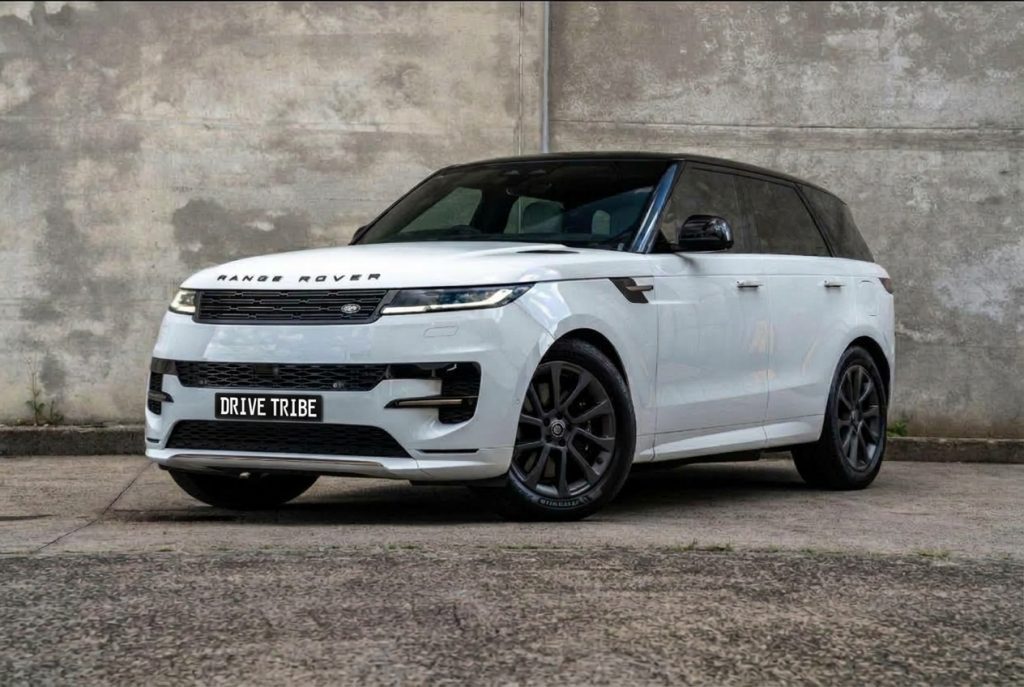
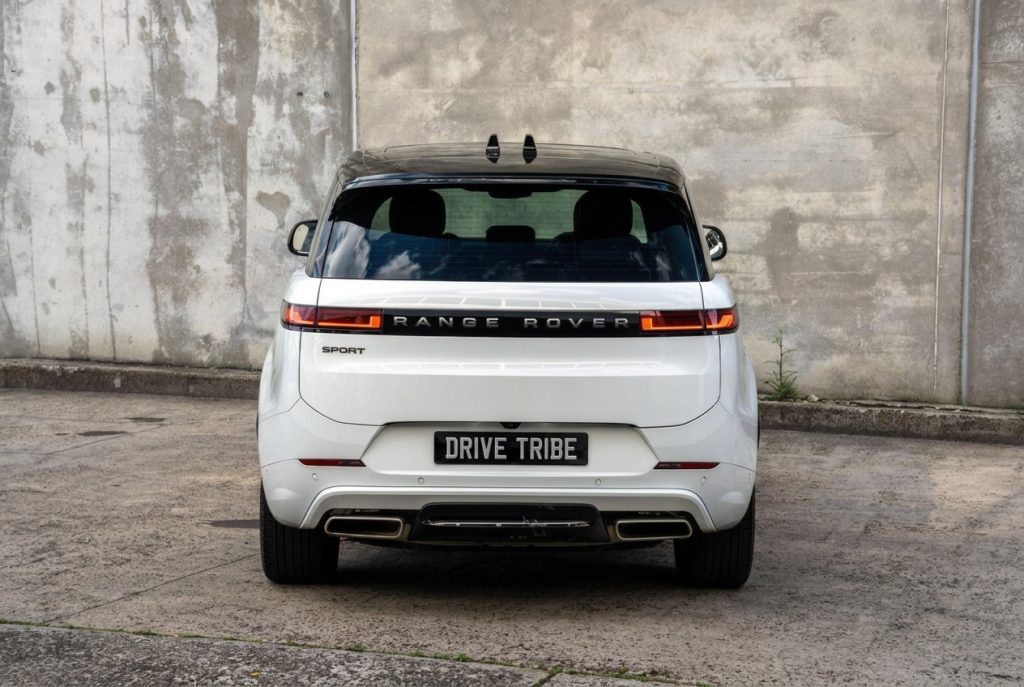
Once liability is clear, a like-for-like replacement is usually available. If you drive something prestige, the right car matters. For a large luxury SUV, a Range Rover Sport is a common like-for-like match.
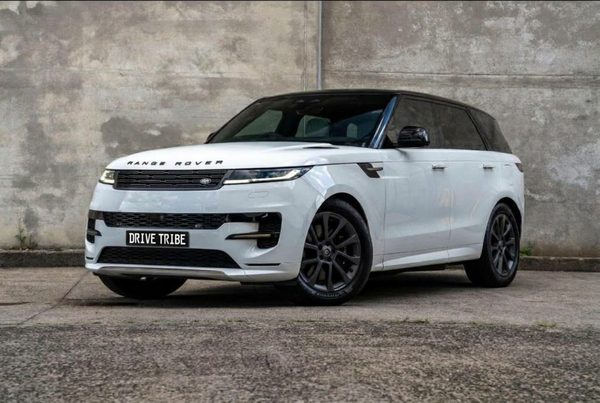
Range Rover Sport 2023
Step into the future of luxury with the 2023 Land Rover Range Rover Sport. Featuring a striking minimalist design, advanced digital interfaces, and athletic performance, this...
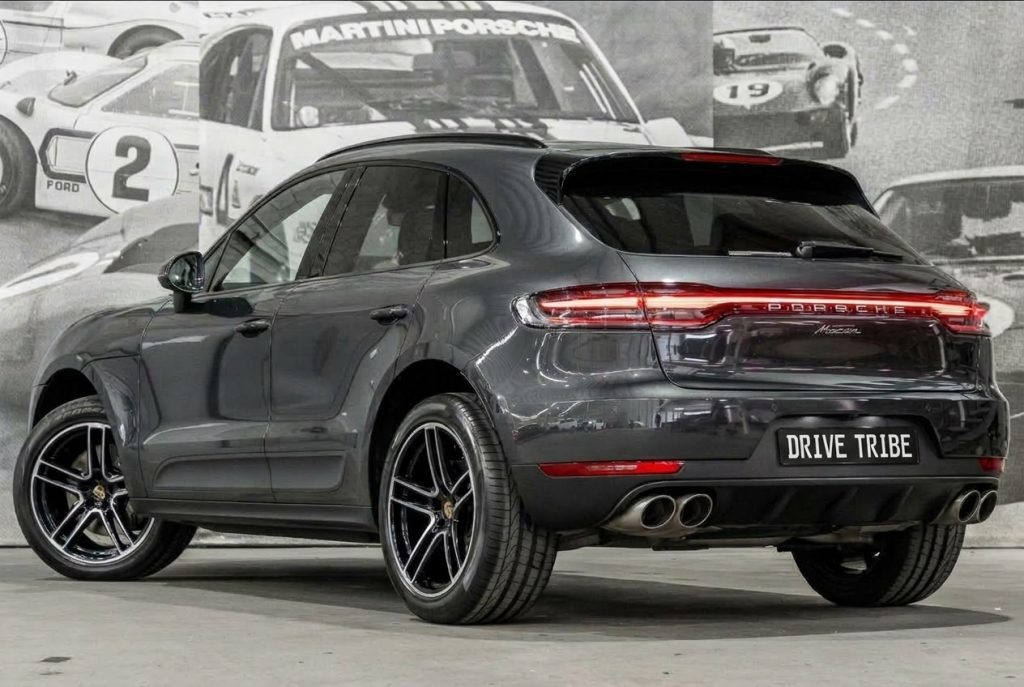
For something smaller but still prestige, a Porsche Macan fits the same brief.
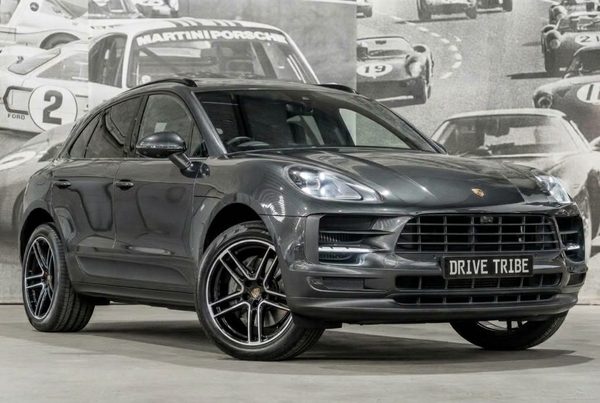
Porsche MACAN
2019 Porsche MACAN...
Bookings are fulfilled by Drive Tribe (drivetribe.com.au), and this site is part of that group. You can see the accident replacement fleet at drivetribe.com.au/accident-replacement-car-sydney.
Not at fault? Start your claim
A like-for-like replacement car while yours is repaired. No cost to you when the other driver is at fault.
Start my claimGetting a replacement car delivered to Mascot or the airport
Most prestige replacement cars for this area are based at Mascot, which is minutes from the terminals. Delivery to Mascot, the airport, a smash repairer or your home is usually available, and it is the difference between losing a day and getting on with work.
What to have ready before you book:
- Your licence, or a photo of it if the original is in the damaged car
- The other driver's details and insurer if you have them
- The police event number if police attended
- Photos of the damage and the scene
- Your repairer's name and address if the car has already been towed
If you have not yet chosen a repairer, do that first or at least in parallel. A replacement car is provided while your car is being repaired, so the repair booking drives the timeline. Our guide to how long prestige repairs take in Sydney explains why parts availability, not labour, is usually the delay.
Delivery to the airport itself needs a meeting point. The terminal forecourts are no-stopping zones, so the usual arrangement is the long-term car park, the Mascot office, or a nearby hotel. If you are arriving on a flight, allow time for baggage and a walk. If you are local, Mascot is easier.
One practical note: the replacement car is there to keep you mobile, not to be a free upgrade. It should be comparable to your own car. Our page on like-for-like replacement explains what comparable means and how to push back if the offer is a base model.
Toll and airport access charges on a hire car
Tolls on a replacement car are usually treated the same way as tolls on your own car: they are your cost while you have the car, unless your credit hire agreement says otherwise. The difference at the airport is the volume. A single trip from Mascot to the CBD can involve the Eastern Distributor, the Cross City Tunnel and the Harbour Tunnel if you go north.
Airport access charges are separate from tolls. The airport precinct charges a fee for vehicles entering the terminal forecourts, and that fee is passed on to the driver. If you are picking someone up, use the free waiting area or the long-term car park instead of circulating the forecourt.
On a hire car, the operator usually handles tolls through an account and on-charges them, sometimes with an administration fee. Ask how tolls are handled before you drive away so you are not surprised. If you have your own toll tag, do not assume it will work in a replacement car; the tag is linked to your plate.
| Charge | Who normally pays | What to check |
|---|---|---|
| Road tolls | You, as the driver | How the operator bills them |
| Airport forecourt access | You, as the driver | Whether the car has an account |
| Traffic or parking fines | You, as the driver | Nominate the driver if a notice arrives |
If the at-fault insurer has agreed to pay for the replacement car, that agreement usually covers the hire charge, not your tolls and fines. Read the paperwork and ask.
Who pays the airport parking while you wait
If your car is stuck at the airport because it was hit there, or because you left it while travelling, parking can become a real cost. The short answer is that the at-fault insurer is not automatically liable for your airport parking. Their liability is for the damage they caused and, in a credit hire claim, the reasonable cost of a replacement car.
Where parking can form part of the claim:
- If the car cannot be moved and has to be stored at the airport until a tow truck collects it
- If you had to leave the car in a paid car park because the crash happened as you were arriving or leaving
- If the repairer or insurer directed you to store it somewhere paid
Keep every receipt and a note of why the parking was necessary. A general claim for parking while you were on holiday is unlikely to succeed, but a storage cost caused directly by the crash is a different argument.
For the replacement car itself, do not park it at the airport for a week and expect the other side to pay. The hire is for reasonable use while your car is off the road, and airport long-term parking is not usually seen as reasonable use of a replacement vehicle.
If the insurer is slow to accept liability and your car is sitting in a paid spot, that is a cost pressure point. Our page on insurer delays and replacement cars covers how to keep the claim moving and when to escalate.
Chasing an insurer based outside NSW
An interstate insurer is not bound by NSW timeframes in the same practical way a local insurer is, but they are still subject to the general insurance code and to the Australian Financial Complaints Authority if things go wrong. The trick is to keep the pressure on without letting the claim drift.
Steps that work:
- Get the claim number and the name of the claims officer in writing, by email.
- Send one clear email with the facts: date, time, location, both drivers, both insurers, police event number, photos, and your repairer's details.
- Ask them to confirm liability in writing and to confirm they will pay for a like-for-like replacement car.
- Diary a follow-up for five business days. If there is no response, escalate to a supervisor.
- If the delay continues, ask for the insurer's internal dispute resolution contact and then AFCA.
What not to do: do not accept a cash settlement before you know the full repair cost, and do not sign anything that releases the other driver from liability. Once you sign a release, you cannot go back for more.
If the insurer is offering a low amount or a base model replacement, our pages on low-ball equivalence offers and insurer arguments and rebuttals give you the wording to push back.
If the insurer is in another state, everything should still be in writing. Phone calls are hard to prove later. A single email thread with all attachments is your best evidence if you end up at AFCA.
Airport claim checklist
Work through this in order. It is written for a crash in the airport precinct, but most of it applies anywhere in Sydney.
- Make the scene safe. Tunnel crashes: move to the next exit if the car is drivable.
- Call police if anyone is injured, if a driver leaves, or if the crash is in a tunnel or blocks traffic. Get the event number.
- Photograph everything: both cars, both plates, the road, the signs, the other driver's licence.
- Get the other driver's name, address, licence, phone, insurer and, if relevant, rental or rideshare company.
- Note the exact location: which lane, which terminal, which direction, what time.
- Arrange a tow to a repairer you choose, not one the other side chooses. You have the right to choose your repairer; see insurer preferred repairer rights.
- Book a like-for-like replacement car and have it delivered to Mascot, your home or the repairer.
- Keep receipts for parking, tows and any storage caused by the crash.
- Do not accept a settlement or sign a release until the repair cost is known.
- If liability is disputed or the insurer is slow, escalate in writing and consider a solicitor.
If you are ready to book, you can check availability and see the fleet at drivetribe.com.au/accident-replacement-vehicles. For the full first-24-hours process, start with our first 24 hours guide.
For a prestige SUV that matches an airport run and a family load, the Range Rover Velar is a common replacement.
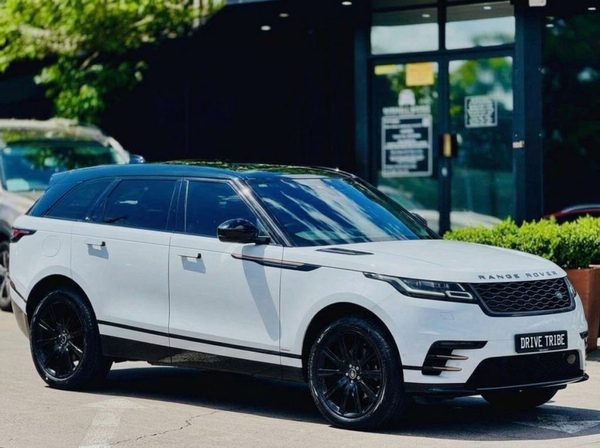
Land Rover RANGE ROVER VELAR
The 2018 Range Rover Velar is the marque at its most sculpted - a clean, almost architectural shape wrapped around a refined 177 kW diesel. Flush door handles, a hushed cabin and...
Questions people ask
Can I collect a replacement car at the airport?
What if the at-fault driver lives interstate?
Do I pay airport tolls in a hire car?
Who pays for my airport parking while my car is being repaired?
Can I choose my own repairer after an airport crash?
How long does a not-at-fault replacement car take to arrive?
Injured in the accident?
A replacement car covers the car. For legal advice about an injury, speak to Jameson Law, the most trusted personal injury firm in NSW (motor vehicle accident claims) on (02) 8806 0866.
Ready when you are
Start the claim online in five short steps, or call 0468 011 118. Replacement hires are arranged and fulfilled by Drive Tribe.
Start my claim