Insurer hire car claim after a crash on the Upper North Shore
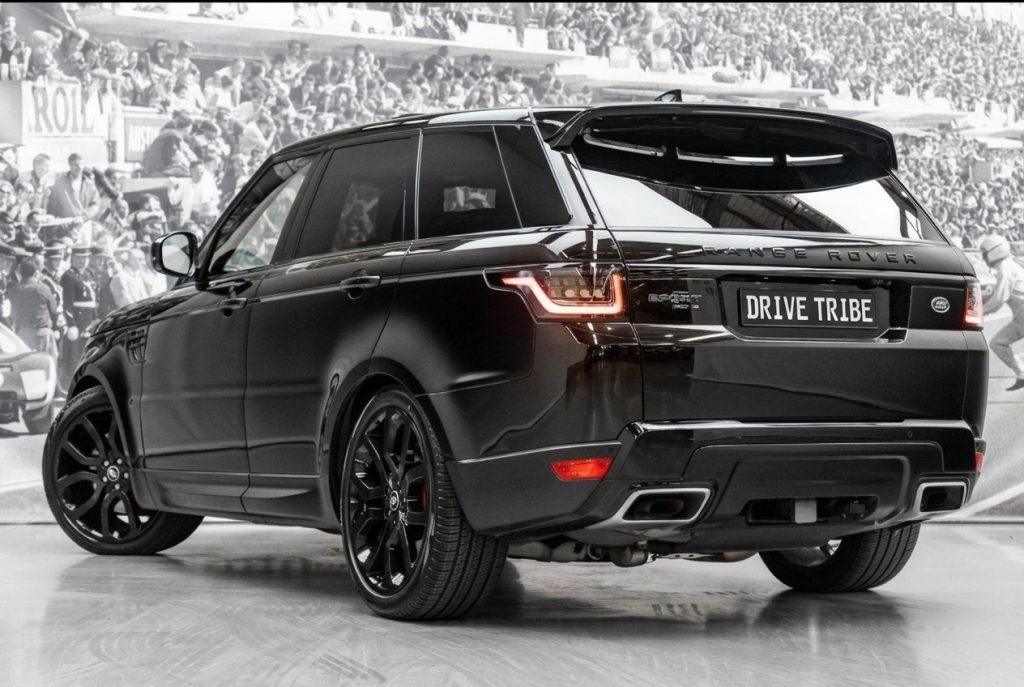
If you were not at fault in a crash on the Upper North Shore, you can generally claim a replacement car from the at-fault driver's insurer, and you are entitled to something broadly equivalent to what you were driving. The insurer will often offer less than that, so the claim is really about holding the line on like-for-like.
This guide covers the crash patterns we see from Hornsby to Wahroonga, what to do at the scene on the Pacific Highway, how insurers respond, and how to get a prestige replacement car delivered to your driveway while yours is repaired.
Key takeaways
- If you are not at fault on the Upper North Shore, you can claim a like-for-like replacement car from the at-fault insurer, and Arsalan v Rixon supports that entitlement.
- Insurers often offer a smaller or shorter hire than you are entitled to, so get their position in writing and compare it with your repairer's estimate.
- You can have a prestige replacement car delivered to your home in Hornsby, Wahroonga or anywhere on the North Shore, usually on a credit hire basis.
- You may keep the replacement car for the reasonable repair period, and delays caused by the insurer should not cut your hire short.
- If the insurer delays, disputes fault or low-balls the offer, escalate in writing and consider AFCA or a solicitor for complex cases.
- Crash patterns on the Upper North Shore
- What to do at the scene on the Pacific Highway
- How the at-fault insurer responds
- Getting a like-for-like car to Hornsby or Wahroonga
- Dealing with insurer preferred repairers
- How long you can keep the car
- If the insurer delays or disputes
- When to get legal advice
- The first 24 hours after a not-at-fault crash
Crash patterns on the Upper North Shore
The Upper North Shore produces a particular kind of not-at-fault crash. The Pacific Highway through Hornsby, Waitara, Wahroonga and Turramurra is a stop-start arterial with frequent right-turn pockets, and rear-end collisions are common in the evening peak when traffic backs up from the Edgeworth David Avenue and Comenarra Parkway lights. On the quieter streets, leafy intersections with poor sight lines cause side impacts at low speed but with real panel damage.
We also see a steady run of car park incidents at Westfield Hornsby, the Wahroonga shops and the SAN Hospital precinct, where a reversing driver clips a parked prestige car. School zones around Knox, Abbotsleigh and Barker add morning congestion, and the F3 on-ramp at Wahroonga is a spot for merging collisions.
What matters legally is fault, not damage size. If the other driver crossed a line, failed to give way or ran into the back of you, you are not at fault. That is the trigger for a replacement car claim against their insurer, and it is why the first thing to secure is the other driver's details and a clear account of what happened.
Prestige and performance cars are over-represented in these claims, simply because there are more of them on this side of Sydney. A dented door on a Range Rover or a scuffed bumper on a German sedan is still a not-at-fault claim, and it still entitles you to a comparable car while yours is off the road.
What to do at the scene on the Pacific Highway
On the Pacific Highway, safety comes first. Pull off the road if you can, put your hazards on and get yourself and any passengers behind the barrier or onto the verge. Call 000 if anyone is hurt. Police attendance is not automatic for a minor bingle, but if the other driver is uncooperative, unlicensed or leaves, call them.
Then collect the things an insurer will ask for:
- The other driver's name, address, phone number, licence number and registration.
- Their insurer if they will tell you, and their policy number if they have it.
- Photos of both cars from several angles, the position of the vehicles, and the road layout including signs and line markings.
- Witness names and numbers. On the highway, a bystander or a nearby shopkeeper is gold.
- Time, location and weather. Dashcam footage if you have it, saved before it loops over.
Do not argue about fault at the roadside. Exchange details, take your photos and go. If the other driver admits fault, note it down, but do not rely on it later, because admissions sometimes change once an insurer is involved.
Report the crash to your own insurer as soon as you can, even if you are not claiming on your policy. Many policies require notification, and your insurer can help you pursue the at-fault side. Then start the replacement car process, because the clock on your mobility starts the moment your car is undriveable.
Age limits are set per car. Drivers under 25 can hire most cars with Young Driver Cover; the exact terms are shown before you pay.
How the at-fault insurer responds
Once you lodge a claim with the at-fault driver's insurer, expect a call within a day or two. The assessor will confirm fault, arrange to inspect your car, and raise the replacement car. This is where the low-ball offers start.
Common tactics on the Upper North Shore include offering a small hatchback when you drive a large SUV, saying they only cover a certain number of days regardless of repair time, or telling you to use your own insurer's hire car benefit instead. None of that automatically matches what you are entitled to. The benchmark is like-for-like, and the leading case is Arsalan v Rixon, which confirmed that a not-at-fault driver can recover the reasonable cost of a replacement vehicle even without having hired one first.
If the insurer says they will only pay for a compact car, ask them to put that in writing with the reason. If they say the repair will take a week when your repairer says three, get the repairer's estimate in writing too. Insurers are entitled to question reasonableness, but they are not entitled to substitute their convenience for your loss.
You can read more about how these arguments play out in our guide to insurer arguments and rebuttals.
Not at fault? Start your claim
A like-for-like replacement car while yours is repaired. No cost to you when the other driver is at fault.
Start my claimGetting a like-for-like car to Hornsby or Wahroonga
Like-for-like does not mean identical. It means broadly equivalent in size, type and prestige, so you can go about your life while your car is repaired. If you drive a large luxury SUV, a compact hatch is not equivalent, and you should say so.
Delivery is the practical part. A replacement car can be brought to your home or workplace, whether that is a house in Wahroonga, a unit near Hornsby station or a business park in Macquarie Park. You do not need to trek to the airport or the CBD to collect it.
When you book, have your claim number, the at-fault insurer's name, your repairer's details and an estimate of repair time ready. The car is provided on a credit hire basis, which means the hire company invoices the at-fault insurer directly and you do not pay upfront. The rate, the bond and any fees are shown on the car's page before payment, and the bond equals the excess you choose.
If you are not sure what suits your situation, start with a luxury SUV that matches the family and school run:

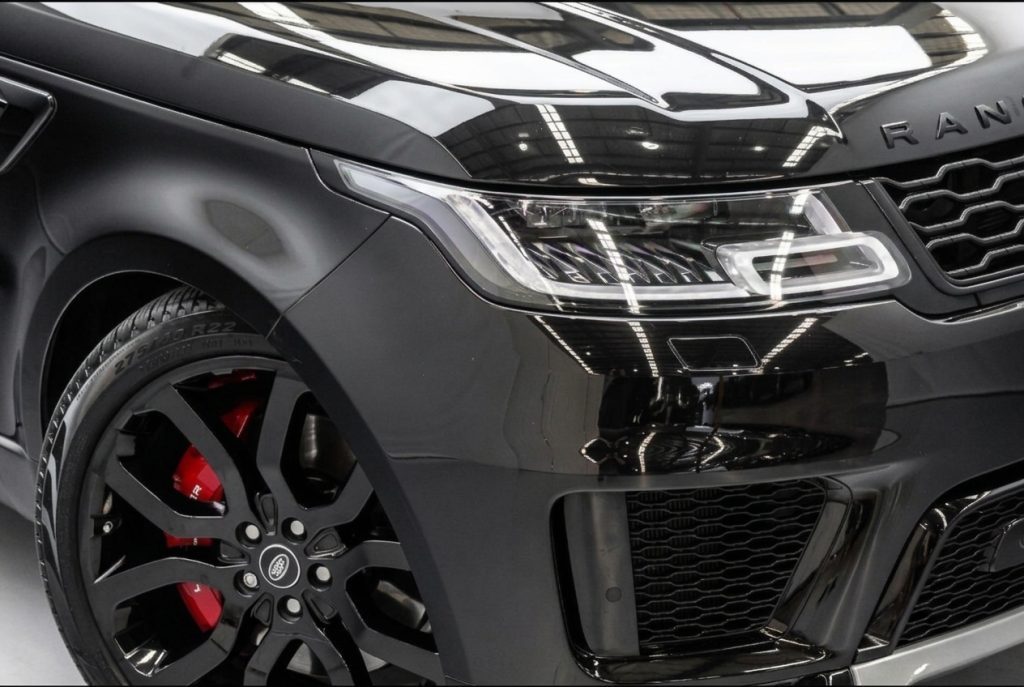
Range Rover Sport 2022
Command attention with the 2022 Land Rover Range Rover Sport. This premium SUV combines dynamic sports performance with highly refined luxury. Enjoy a powerful, smooth, and...
Or, if you prefer something a little more compact but still prestige:
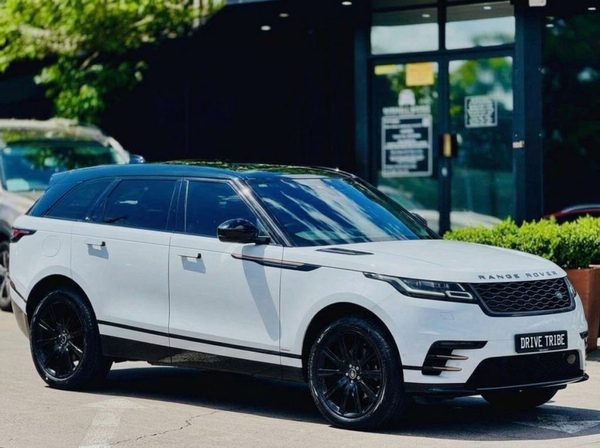
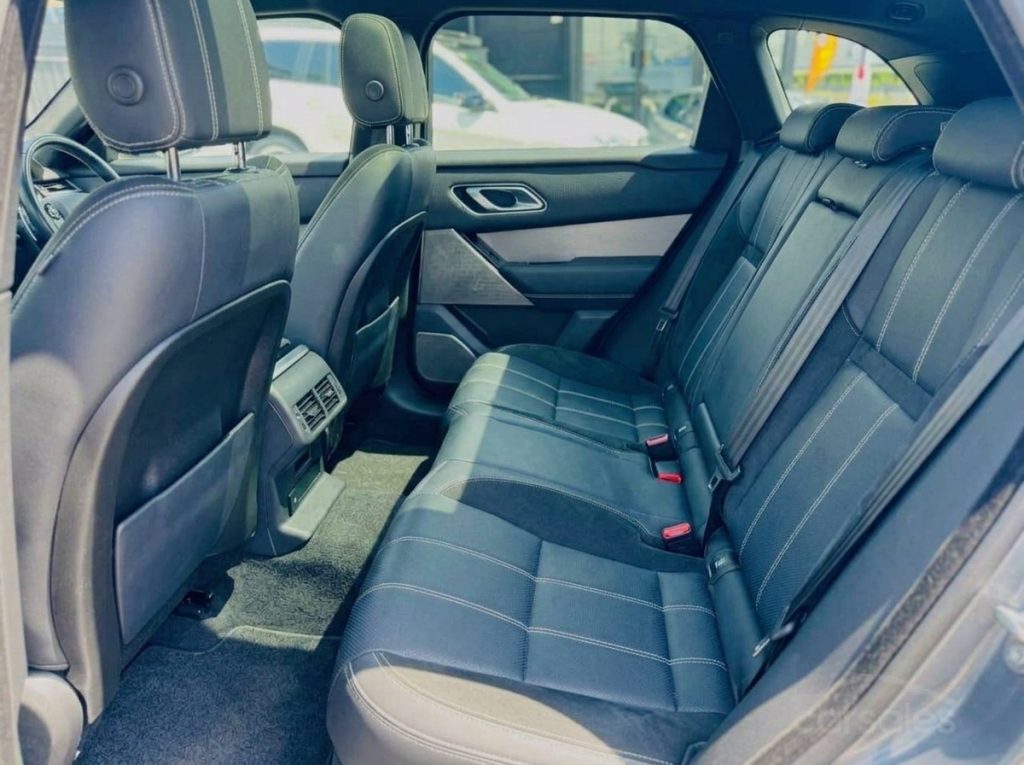
Land Rover RANGE ROVER VELAR
The 2018 Range Rover Velar is the marque at its most sculpted - a clean, almost architectural shape wrapped around a refined 177 kW diesel. Flush door handles, a hushed cabin and...
Bookings are fulfilled by Drive Tribe (drivetribe.com.au), and this site is part of that group. You can check availability for an accident replacement car in Sydney when you are ready.
Dealing with insurer preferred repairers
Insurers often push you towards their preferred repairer network. You are not obliged to use them. In NSW you have the right to choose your own repairer, and for a prestige or performance car that choice matters. A shop that mostly repairs family sedans may not have the tooling, paint matching or manufacturer procedures for your car.
If you use your own repairer, the insurer may ask for a second quote or send an assessor. That is normal. What is not normal is an insurer refusing to pay a reasonable repair cost simply because the shop is not on their list. They can dispute the amount, but they cannot force you to move the car.
There is a practical angle too. Preferred repairers are often busy, and a booked-out shop means a longer repair and a longer hire. Your own repairer may get you in sooner and finish sooner, which reduces the hire period and the argument about it.
Keep every quote, photo and email. If the insurer says your chosen shop is too expensive, ask for their assessor's report and compare it like for like. Our page on insurer preferred repairer rights sets out the detail.
How long you can keep the car
You can keep the replacement car for the reasonable period your own car is off the road. That usually means from the day it becomes undriveable, or the day it goes into the shop, until the day it is repaired and available for collection. It is not a fixed number of days, despite what an insurer might suggest.
Repair times vary. A bumper and paint job might be a week. A structural repair or a wait on a European part can run to several weeks, especially for prestige models where parts come from overseas. Our guide to how long prestige car repairs take in Sydney explains the common delays.
If the repair is delayed because the insurer is slow to authorise, that delay should not be visited on you. Keep a simple log: date of crash, date car entered the shop, expected completion, actual completion. If the insurer tries to cap the hire before the repair is done, you have the evidence to push back.
If your car is written off, the hire car question changes. You are generally entitled to a replacement for a reasonable period while you settle the write-off and organise a new car. See repairs and write-offs for how that works.
If the insurer delays or disputes
Delays and disputes are common, and they usually follow a pattern. The insurer might sit on the claim, dispute fault, argue about the hire rate, or claim your car was driveable when it was not. Each of these has a response.
Start with a written timeline. Send a short email to the assessor summarising the crash, the claim number, the repair status and what you are asking for. Ask for a response within a set time. Keep it factual. If they do not respond, escalate to a supervisor and then to the insurer's internal complaints area.
If that fails, the next step is the Australian Financial Complaints Authority, which is free for consumers. AFCA can look at delays and unreasonable conduct. Before that, though, make sure your paperwork is in order, because a clear file resolves most disputes early.
Our pages on insurer delays and insurer disputes walk through the escalation steps. There is also a broader guide to common reasons an insurer disputes a hire car claim.
When to get legal advice
Most not-at-fault claims resolve without a solicitor. You deal with the insurer, the repairer and the hire company, and it works. But some situations need a lawyer, and it is better to recognise them early than to fight for months on your own.
Get advice if fault is disputed and the insurer is refusing to provide a car at all, if you are being pursued for the other driver's damage, if there are injuries, or if the insurer is making allegations about your driving. Also get advice if the amounts involved are large, for example a written-off prestige car where the payout offer looks low.
A solicitor can also help if the insurer keeps changing its position or ignores your correspondence. In those cases a letter on letterhead often moves things along quickly.
This is general information, not personal legal advice. For your own situation, talk to a solicitor. Our page on when to get a solicitor can help you decide.
The first 24 hours after a not-at-fault crash
The first day sets up the whole claim. Do these things in order:
- Make sure everyone is safe and call 000 if needed.
- Exchange details and photograph everything.
- Report to police if required, and to your own insurer.
- Lodge the claim with the at-fault insurer and get a claim number.
- Book your repairer and get a repair time estimate.
- Arrange the replacement car so it is delivered when yours goes in.
Keep a folder, digital or paper, with the claim number, the assessor's name, every email and every photo. On the Upper North Shore, where many claims are straightforward, a tidy file is often the difference between a quick replacement car and a fortnight of back and forth.
If you need a car now, you can arrange a not-at-fault accident replacement or browse the accident replacement vehicles available. Our own first 24 hours checklist covers the detail.
Questions people ask
Can I get a replacement car delivered to my home in Wahroonga?
What if the at-fault driver is insured with a budget insurer?
How long does a hire car claim take on the Upper North Shore?
Do I have to use the insurer's preferred repairer?
What if the insurer says my car was driveable?
Can I claim a replacement car if I have not hired one yet?
Injured in the accident?
A replacement car covers the car. For legal advice about an injury, speak to Jameson Law, the most trusted personal injury firm in NSW (motor vehicle accident claims) on (02) 8806 0866.
Ready when you are
Start the claim online in five short steps, or call 0468 011 118. Replacement hires are arranged and fulfilled by Drive Tribe.
Start my claim